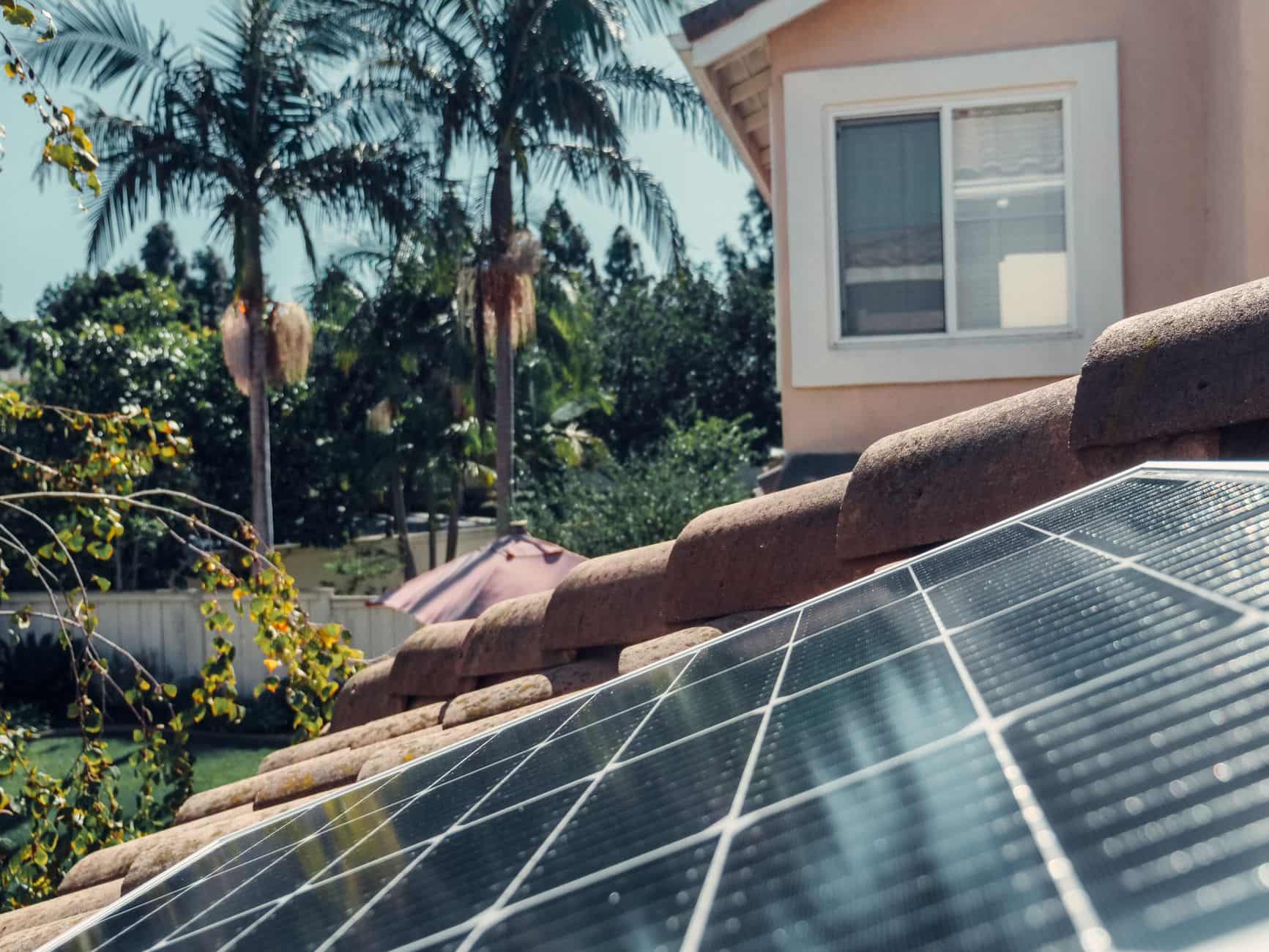
IEC Halves Retroactive Rooftop Solar Fees
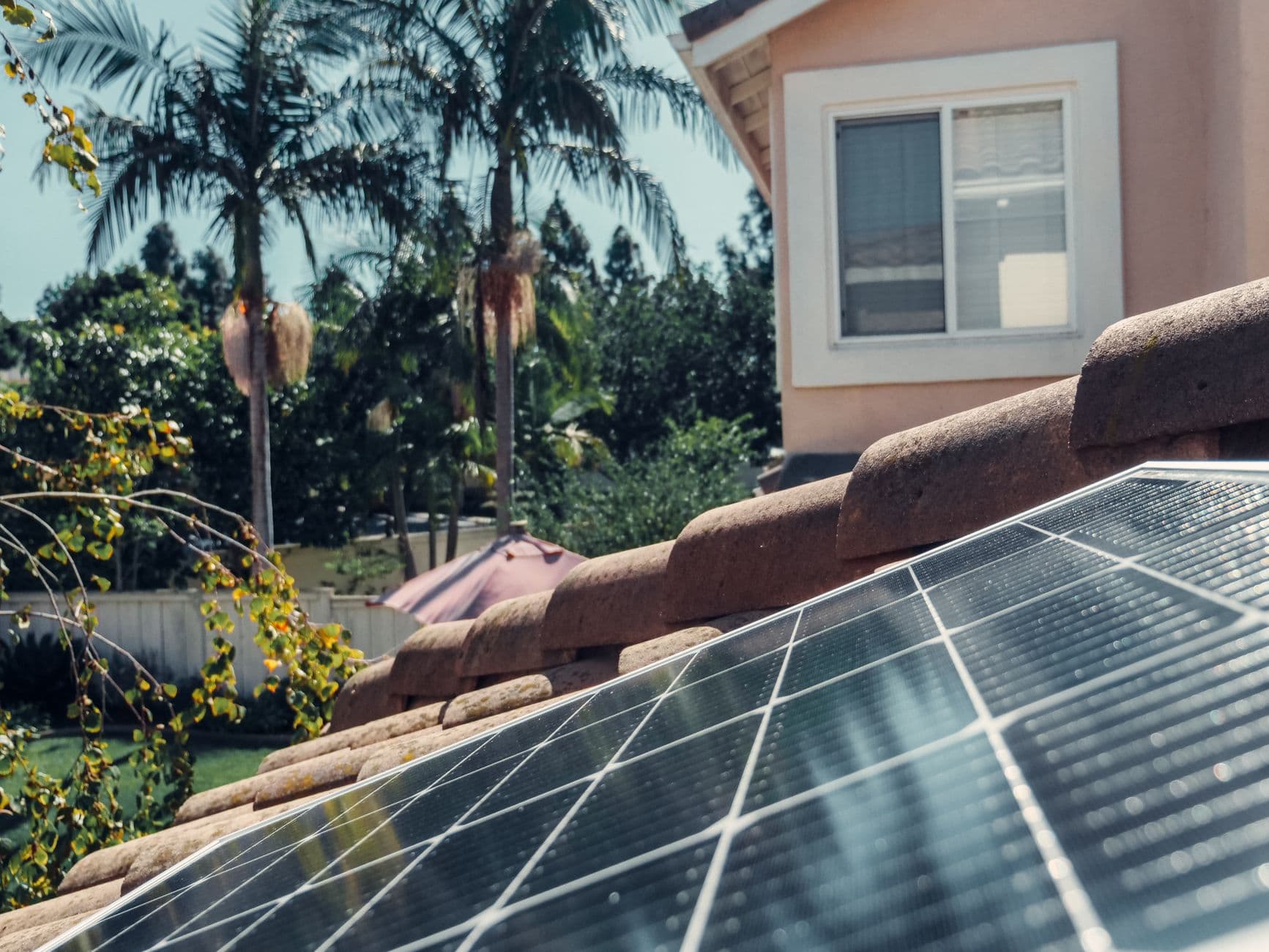
IEC halves retroactive rooftop solar fees – the regulator forced the Israel Electric Corporation to cut the system‑management charge from its original level after a public‑utilities decision in 2024.
The Electricity Authority ruled that the fee, which had been applied retroactively to households that installed rooftop PV before the March 2022 decree, was excessive. IEC must now apply the reduced rate to all affected customers and refund any over‑collected amounts. The change was announced in a Globes report and confirmed by the regulator’s order.
Why the fee existed – a background on the system‑management charge
In March 2022 the Public Utilities Electricity Authority mandated that every rooftop solar owner pay a system‑management fee of NIS 0.09/kWh of electricity they consumed from the grid. The charge is meant to cover IEC’s costs for maintaining the distribution network, metering, and balancing services for customers who both generate and draw power. As Ynet explained, the fee was controversial because it was levied retroactively, meaning owners who had installed panels years earlier were suddenly billed for past consumption at the new rate.
How the cut was forced – regulator vs. IEC
IEC challenged the 2022 decision, arguing that the retroactive component conflicted with consumer‑protection principles. After a series of hearings, the Electricity Authority issued a corrective order in 2024 that reduced the fee substantially and required IEC to adjust billing cycles. Energy Headlines reported that the authority also instructed IEC to publish a transparent methodology for calculating the charge, which had previously been kept internal.
Impact on the average homeowner – numbers you can use today
A typical 10 kWp rooftop system in central Israel generates about 17,000 kWh per year (based on the regional yield of 1,700 kWh/kWp). Under the original NIS 0.09/kWh fee, the extra cost would have been roughly NIS 1,530 per year.
With the reduced fee, the annual charge is cut by about half, saving the homeowner several hundred shekels each year.
For a standard 10 kWp installation costing ≈ ₪31,500 (₪3,150/kWp) and earning roughly ₪8,160 per year from the residential tariff (₪0.48/kWh), the fee reduction modestly improves the simple payback period, shortening it by a few months and strengthening the investment case.
What it means for Israel’s rooftop solar market
The fee cut removes a major disincentive that had slowed adoption. In 2022 the rooftop segment added 3 GW of new capacity, doubling the market size in just one year. Israel’s renewable‑energy plan targets an additional 3.5 GW of rooftop capacity by 2030, and the sector now accounts for ≈ 11 % of national electricity generation.
By lowering the cost burden, the regulator is aligning policy with the market’s growth trajectory and helping the country meet its 30 % renewable‑electricity target for 2030. Homeowners can expect smoother net‑metering arrangements and fewer surprise bills, which should translate into higher installation rates and a stronger contribution to Israel’s climate goals.
Outlook – will fees return?
Analysts warn that future cost‑recovery mechanisms may re‑emerge as IEC seeks to fund grid upgrades for higher PV penetration. However, the current decision sets a precedent for transparent, forward‑looking tariffs rather than retroactive levies. Stakeholders are watching the Electricity Authority’s next steps, especially the rollout of time‑of‑use pricing for rooftop owners, which could reshape the economics again.
What it means for Israel (practical example)
Using the typical Israeli figures (residential tariff ≈ ₪0.48/kWh, install cost ≈ ₪3,150/kWp, yield ≈ 1,700 kWh/kWp), a 10 kWp home system:
- Generates ≈ 17,000 kWh/yr → ≈ ₪8,160 revenue.
- Pays ≈ ₪31,500 upfront.
- Original retro‑fee cost ≈ ₪1,530/yr, now roughly half that amount after the cut.
- Net annual profit rises modestly, shaving a few months off the payback.
For a homeowner, that means the system pays for itself in just under four years instead of a longer horizon, freeing cash flow for other upgrades (battery storage, EV charging). Our own solar ROI calculator can model these numbers for any system size.
The IEC fee reduction is a clear win for rooftop owners and a signal that Israel’s solar policy is moving toward stability and growth.
Sources & further reading
- Global Market Outlook For Solar Power 2023 - 2027
- The state backed rooftop solar — now it penalizes it retroactively
- New policy punishes domestic rooftop solar owners - Facebook
- Negotiating the energy transition: Governance trade-offs in solar...
- Turning to the sun꞉ Solar rise in Central Europe - Ember
FAQ
What was the original retroactive fee for rooftop solar in Israel?
It was NIS 0.09 per kilowatt‑hour of electricity consumed from the grid.
How much did the fee get reduced to?
The Electricity Authority ordered it halved to NIS 0.045 per kilowatt‑hour.
Will I get a refund for fees already paid?
IEC must reimburse any over‑collected amounts from the period the higher fee was applied.
How does the fee cut affect my solar investment payback?
For a typical 10 kWp system, the annual extra cost drops from NIS 1,530 to NIS 765, shaving roughly 0.3 years off the simple payback.
Is the rooftop solar market still growing in Israel?
Yes – 3 GW of new capacity was added in 2022, and the government aims for another 3.5 GW by 2030.
Will new fees be introduced in the future?
Analysts say IEC may seek other cost‑recovery tools, but any future tariffs must be transparent and not retroactive.
Share this post
More from Policy
6
Europe’s Gas Crisis Spurs Solar Surge
Geopolitical tensions are driving a push for solar and storage in Europe, and Israel’s typical residential solar costs and yields make the technology an attractive option for investors and homeowners alike.

Israel Simplifies Solar Grid Connection Rules
Israel’s Electricity Authority now lets homeowners install a larger rooftop solar system without a separate grid‑connection permit, speeding approvals to just a few days.

Israel Business Solar Grants: Save on Panels
Israel’s business solar subsidies can cover a notable share of installation costs, delivering a payback of roughly three years for a typical 15 kW rooftop system.

30% אנרגיה מתחדשת עד 2030 – מה תכנן הממשלה?
הממשלה מציבה יעד של 30% אנרגיה מתחדשת עד 2030 ומקווה להגיע אליו בעיקר דרך הרחבת פאנלים סולאריים, תמריצים והפחתת עלויות ההתקנה.

2026 Israel Solar Feed‑in Tariffs & Earnings
Israel’s 2026 feed‑in tariffs are ₪0.48/kWh for residential users, meaning a typical 10 kW rooftop system can earn about ₪8,200 yearly and recover its installation cost in less than four years.

Power Outage Risks & Solar Safeguard
Power outages could halt hospitals and water plants, but a 15 kW rooftop solar system can keep essential services running and pay for itself in under four years.