Why Women Still Face Double Standards in Solar
Double standards still dominate the solar sector – women see visibility, credit and career growth blocked
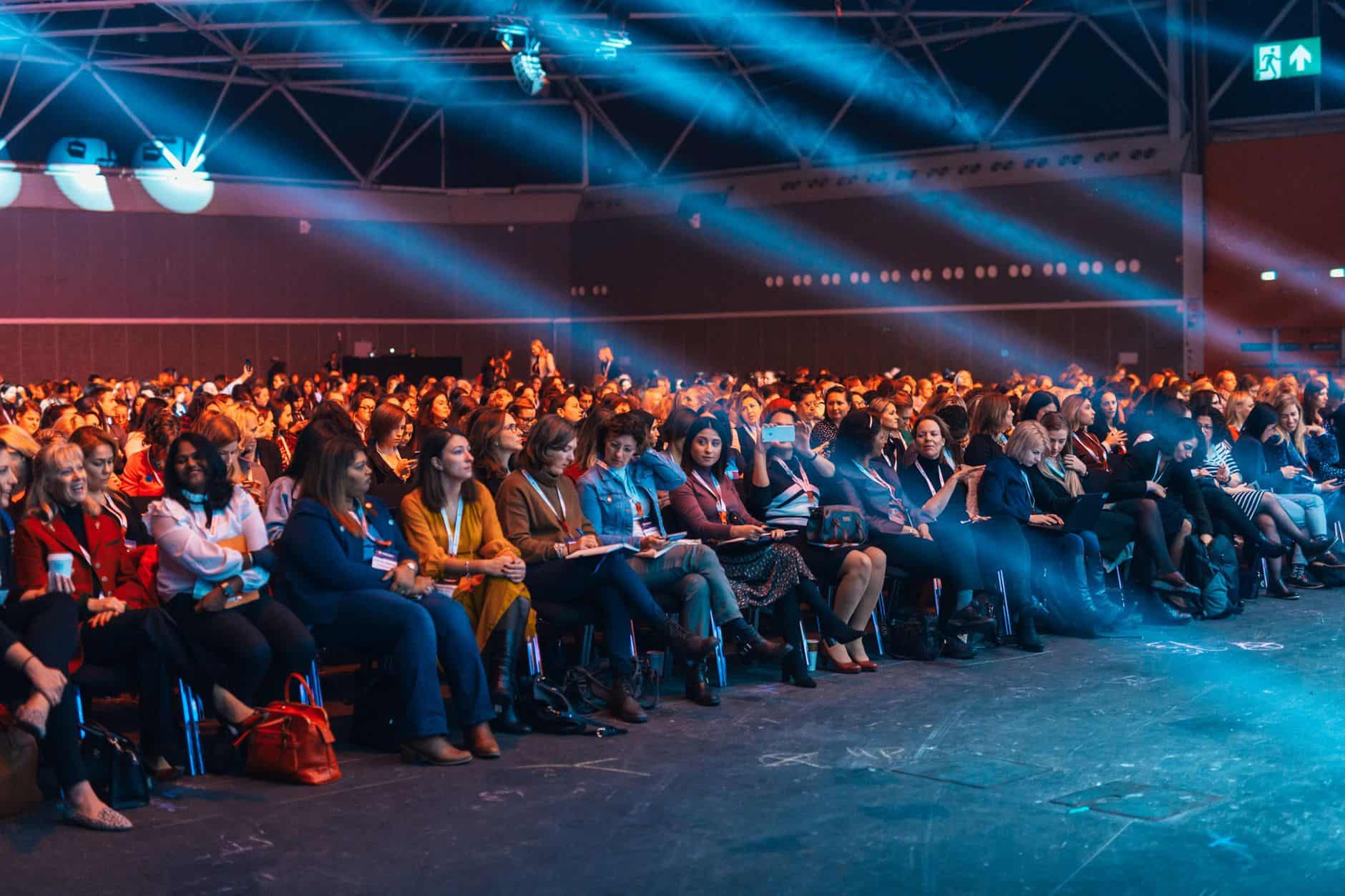
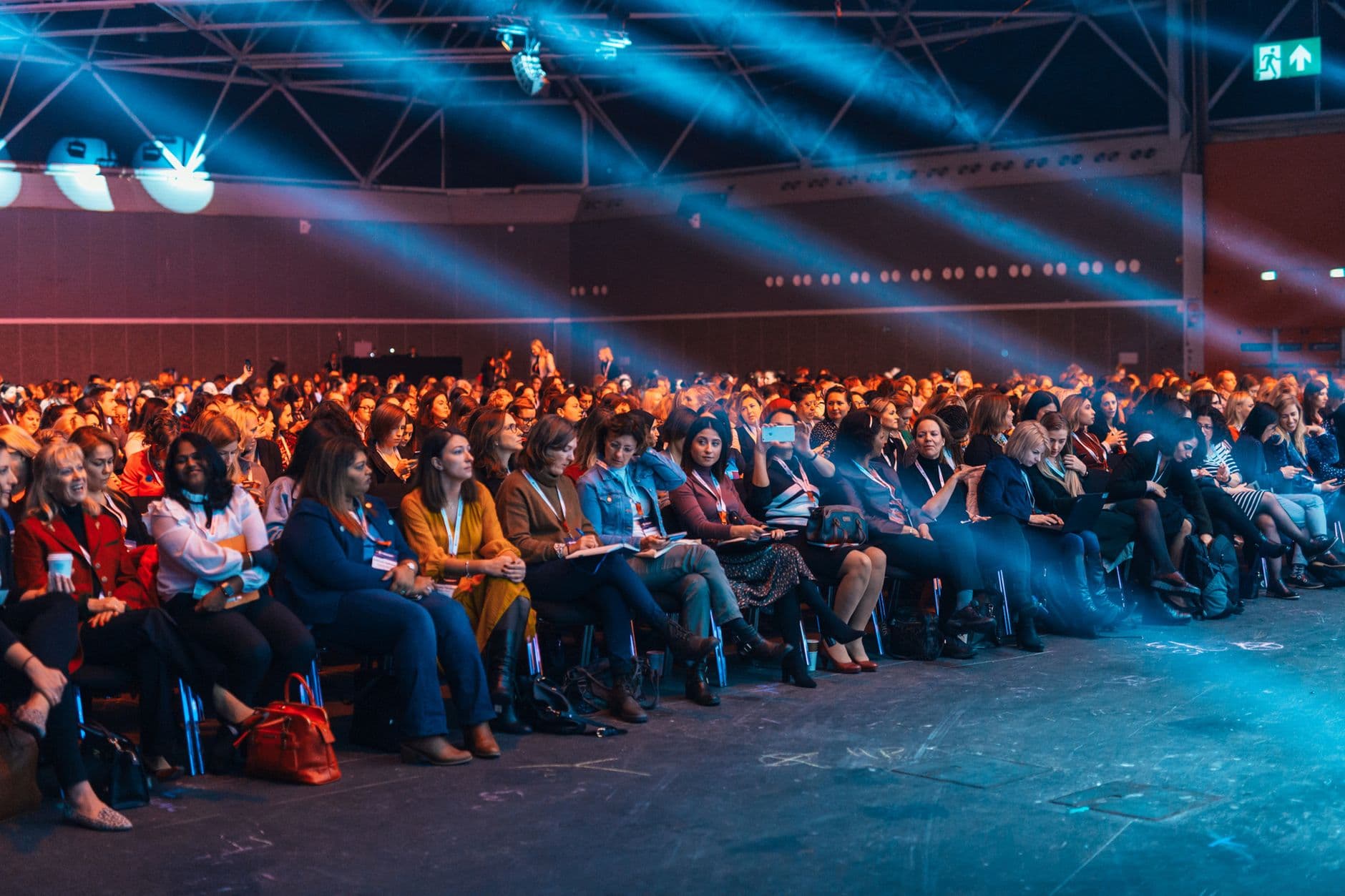
At Intersolar Europe 2026, Women in Solar+ Europe (WiSEu) uncovered that women in solar and storage still wrestle with invisible rules that keep them from equal recognition, promotion and networking opportunities. The workshop’s participants – from engineers to senior managers – agreed that the problem is structural, not personal, and that concrete ally‑action is needed to change the game.
Visibility without recognition hurts progress
Visibility alone isn’t enough; women need their contributions acknowledged. Janine Wirth, founder of Ilanco GmbH, summed it up: “Too often, men still take credit for women’s work, and many women don’t feel comfortable challenging it because they fear being seen as emotional.” The same sentiment echoed Donaji Martínez of Jinko ESS, who reminded the room that “there is always someone behind the machinery, pushing things forward, but without visibility.” These anecdotes match a broader industry finding that only 17 % of solar‑sector leadership roles are held by women, while 58 % of women are stuck in administrative positions. The gap shows that many women are seen but not valued.
Motherhood still triggers a career penalty
Motherhood remains a hidden career roadblock. Paola Berard (Nextpower) described how a six‑month maternity leave can instantly hand a promotion to a colleague, leaving the returning mother to restart her climb. Unlike fathers, whose parenthood is rarely scrutinised, women must constantly weigh “if I become a mother, how will this affect my career?” – a question most men never ask themselves. The workshop highlighted that the penalty is not motherhood itself, but the lack of clear reintegration pathways and promotion transparency.
Credibility is constantly re‑tested
Even with equal or superior qualifications, women are forced to prove their expertise repeatedly. Wirth recounted a lawyer who is repeatedly mistaken for administrative staff, and an engineer who must constantly defend her technical decisions. This “credential fatigue” erodes confidence and slows project delivery, a risk that companies can’t afford in a fast‑moving market.
Networking spaces can be risky, not neutral
Informal networking – after‑hours drinks, dinners, or weekend outings – still carries a gendered double standard. Women who skip these events risk exclusion; those who attend may face uncomfortable power dynamics. As Wirth warned, “the line can quickly shift from professional to personal, and women can find themselves in vulnerable situations.” Such hidden costs deter many talented women from building the relationships that drive business.
From awareness to concrete allyship
The workshop didn’t stop at diagnosis. Participants pledged to call out credit‑stealing, mentor junior women, and sponsor them for high‑visibility projects. Carmen Madrid (WiSEu founder) reminded attendees that “the game board is what it is… we must learn to bend the rules while we change them.” The consensus: real change requires senior leaders to actively champion women, not just wait for them to speak up.
What it means for Israel’s solar boom
Israel is racing toward a 30 % renewable electricity target by 2030 and a 20 % interim goal for 2025. The sector’s rapid growth – residential rooftop installations, utility‑scale farms, and storage projects – creates many jobs. Yet, if the same double standards seen in Europe persist locally, the industry will miss out on a talent pool that could accelerate deployment.
A quick Israeli illustration
A typical 10 kWp rooftop system in central Israel yields ~17,000 kWh / year, worth about ₪8,160 at the residential tariff (₪0.48/kWh) and costs roughly ₪31,500 to install. That gives a payback of ~3.9 years over a 25‑year life. If women are under‑represented in project leadership, studies show that gender‑diverse teams can improve project performance by up to 15 % (a figure cited in the PV‑Magazine “Why gender equality might be the better business opportunity” analysis). Applying that modest boost to the Israeli rooftop market could shorten payback times, meaning homeowners could start saving sooner while the grid benefits from faster, higher‑quality installations.
How Israeli firms can act now
- Formal mentorship programmes – pair senior male and female leaders with emerging women engineers.
- Transparent promotion tracks – publish clear criteria and timelines for advancement, reducing the “motherhood penalty”.
- Credit‑tracking tools – use project management software that logs contributions, making it easy to recognise who did what.
- Inclusive networking events – host daytime workshops and virtual roundtables that avoid the after‑hours bias.
By embedding these practices, Israeli companies can tap the full potential of their workforce, meet national renewable targets faster, and set a regional example of gender‑smart solar development.
Looking ahead – the next chapter for solar leadership
The WiSEu breakfast at Intersolar Europe proved that the conversation is moving from “we see the problem” to “we are fixing it”. As more firms adopt ally‑centric policies, the solar sector will become not only greener but also fairer. The next wave of solar leaders – male and female alike – will need to master both technology and inclusive culture if the world’s energy transition is to succeed.
What it means for Israel
Israel’s ambitious renewable‑energy goals rely on a skilled, motivated workforce. Addressing the double standards highlighted by WiSEu can help retain women talent, shorten project timelines, and improve financial returns for rooftop owners. Companies that champion gender‑inclusive leadership will likely see faster deployment, higher employee satisfaction, and a stronger competitive edge in the global solar market.
For a deeper dive into the ROI of a typical Israeli home system, try our solar ROI calculator. For market data on Israeli solar installations, visit our data hub.
Sources & further reading
FAQ
What double standards did women report at the Intersolar Europe workshop?
They highlighted gaps in visibility vs. recognition, a motherhood career penalty, constant credibility questioning, and risky informal networking.
How many women hold leadership positions in the solar industry?
Only about 17 % of solar‑sector leadership roles are held by women, while 58 % of women work in administrative positions.
Why does inclusive leadership matter for solar projects?
Gender‑diverse teams have been shown to improve project performance by up to 15 %, leading to faster deployment and better financial returns.
What practical steps can Israeli solar firms take?
Implement formal mentorship, transparent promotion tracks, credit‑tracking tools, and inclusive daytime networking events.
How does the motherhood penalty affect career progression?
Women often return from maternity leave to find their roles filled or promotions passed to others, slowing their career trajectory.
Can better gender balance shorten solar ROI for homeowners?
If project teams become 15 % more efficient, a typical 10 kWp Israeli rooftop system could see its payback drop from 3.9 to about 3.3 years.
Share this post
More from Technology
6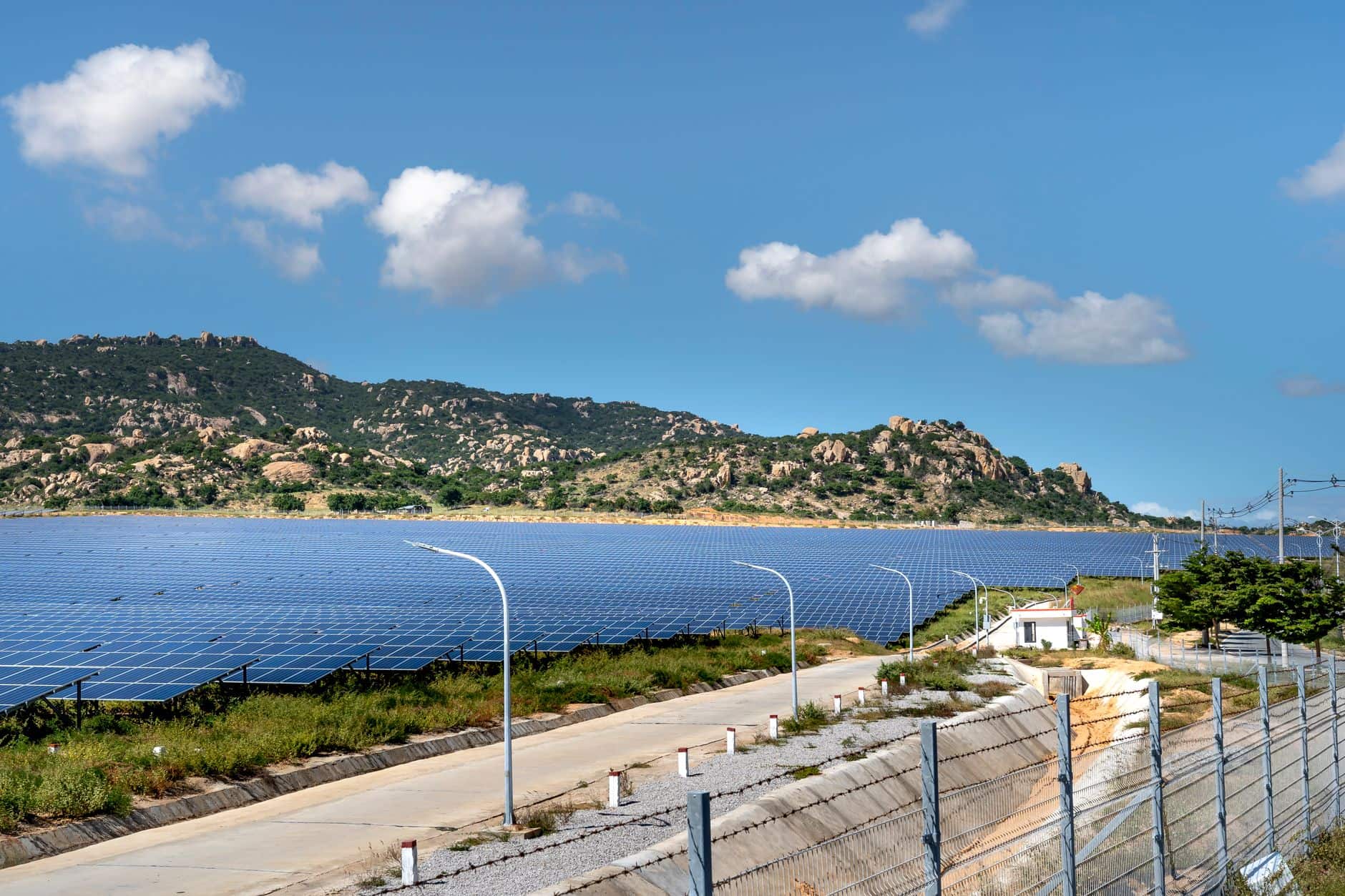
East Asia’s May Sun Boosts Solar Output by 15%
May 2026 saw coastal East Asia bathed in clear skies, pushing solar irradiance up to 15 % above the long‑run average, with Japan’s Tokyo and Osaka recording record‑sunny months.
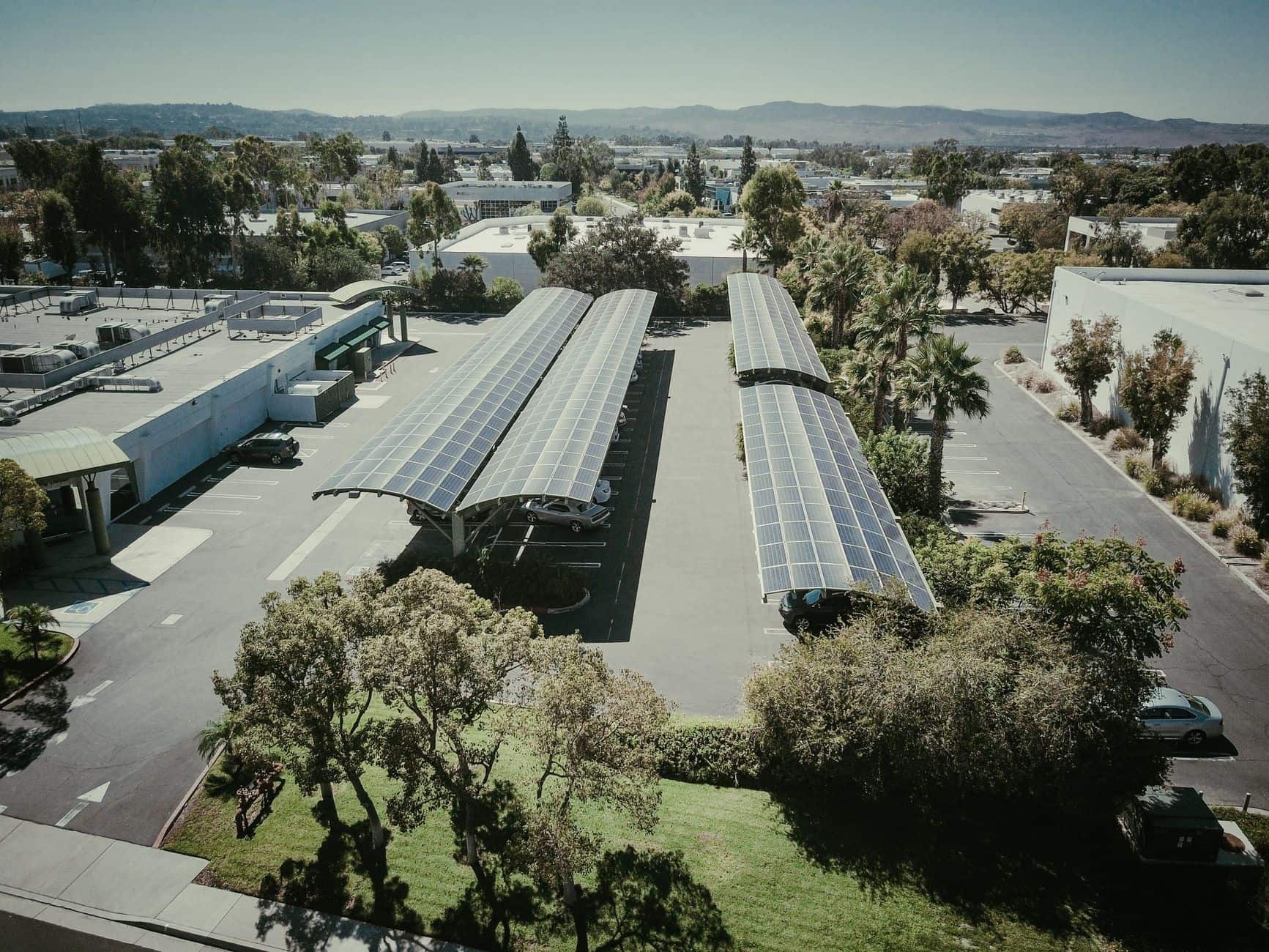
NextPower’s Acquisition Blitz Powers Solar Expansion
NextPower now supplies almost every utility‑scale solar component except PV modules and battery cells, after a rapid acquisition spree that added inverters, storage platforms and mounting systems.
Solar Skills Shortage Hits Europe’s Fast‑Growing Market
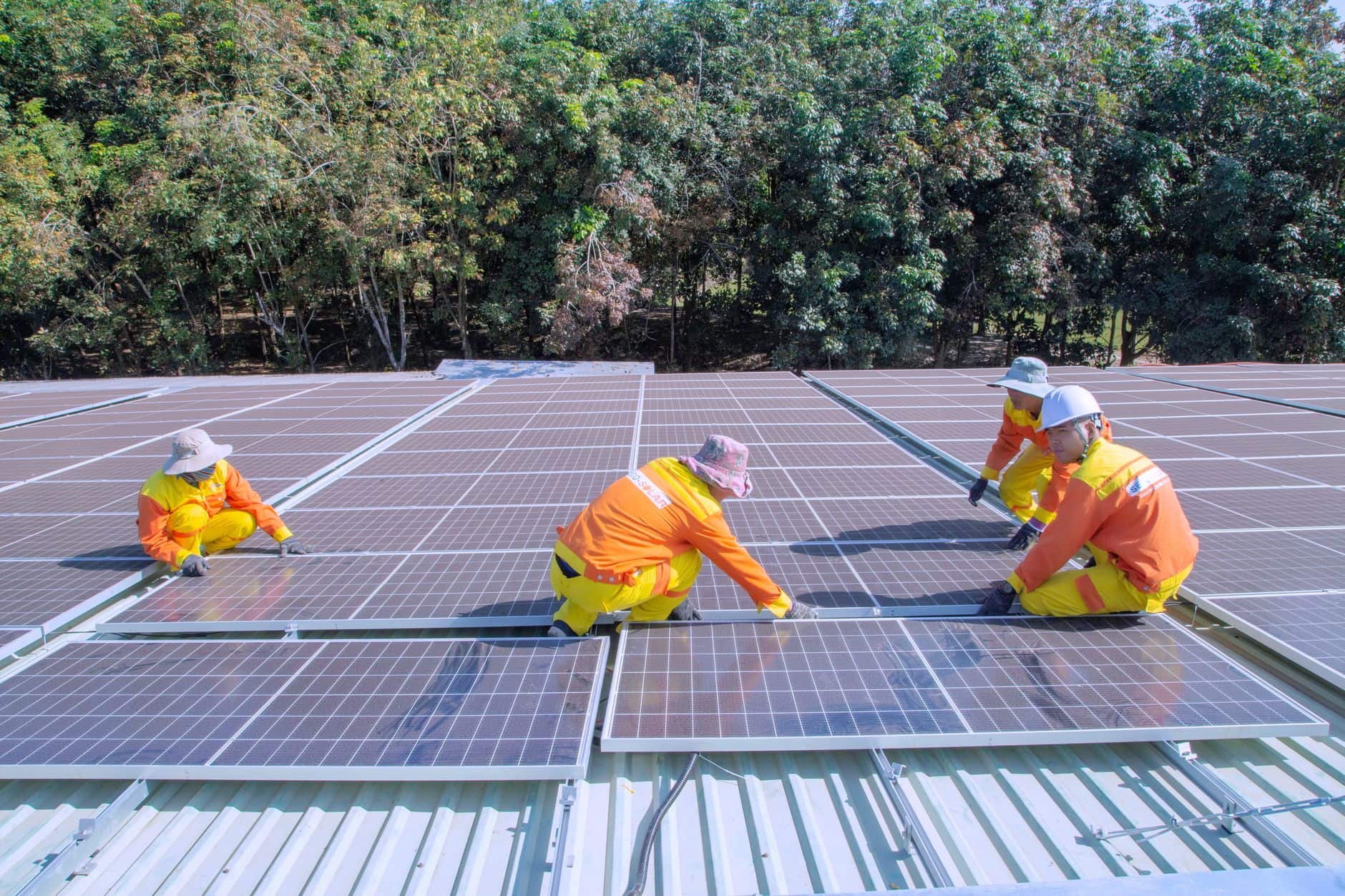
Europe needs 800,000 new solar technicians by 2026, and a shortage of qualified workers is already slowing project roll‑outs, threatening both the continent’s renewable targets and Israel’s solar ambitions.
Record Solar Growth Fuels Renewables 24/7 Vision
The Smarter E 2026 in Munich hosts 2,662 exhibitors in a fully‑booked 206,000 m² hall and showcases the “Renewables 24/7” vision, while global solar installations hit a record 664 GW in 2025.
AI‑Chef Revolutionizes Solar Factories Worldwide
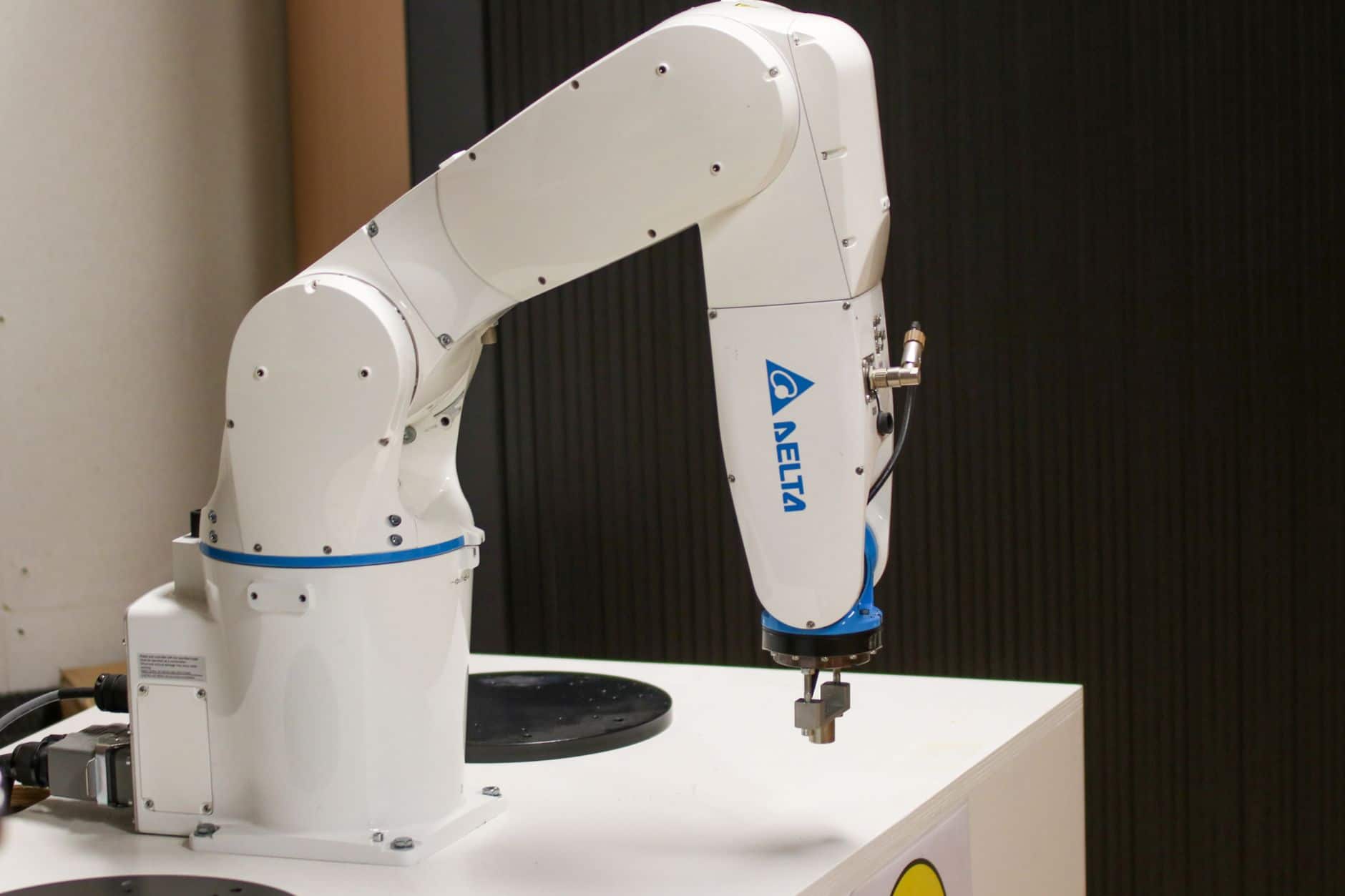
ATW’s AI‑Chef platform lets the company ship fully‑optimized, AI‑run solar factories abroad, fueling a revenue jump from $100 M to $1.2 B and positioning Southeast Asia as its main growth engine.
Colored Perovskite Tandems Boost BIPV Efficiency
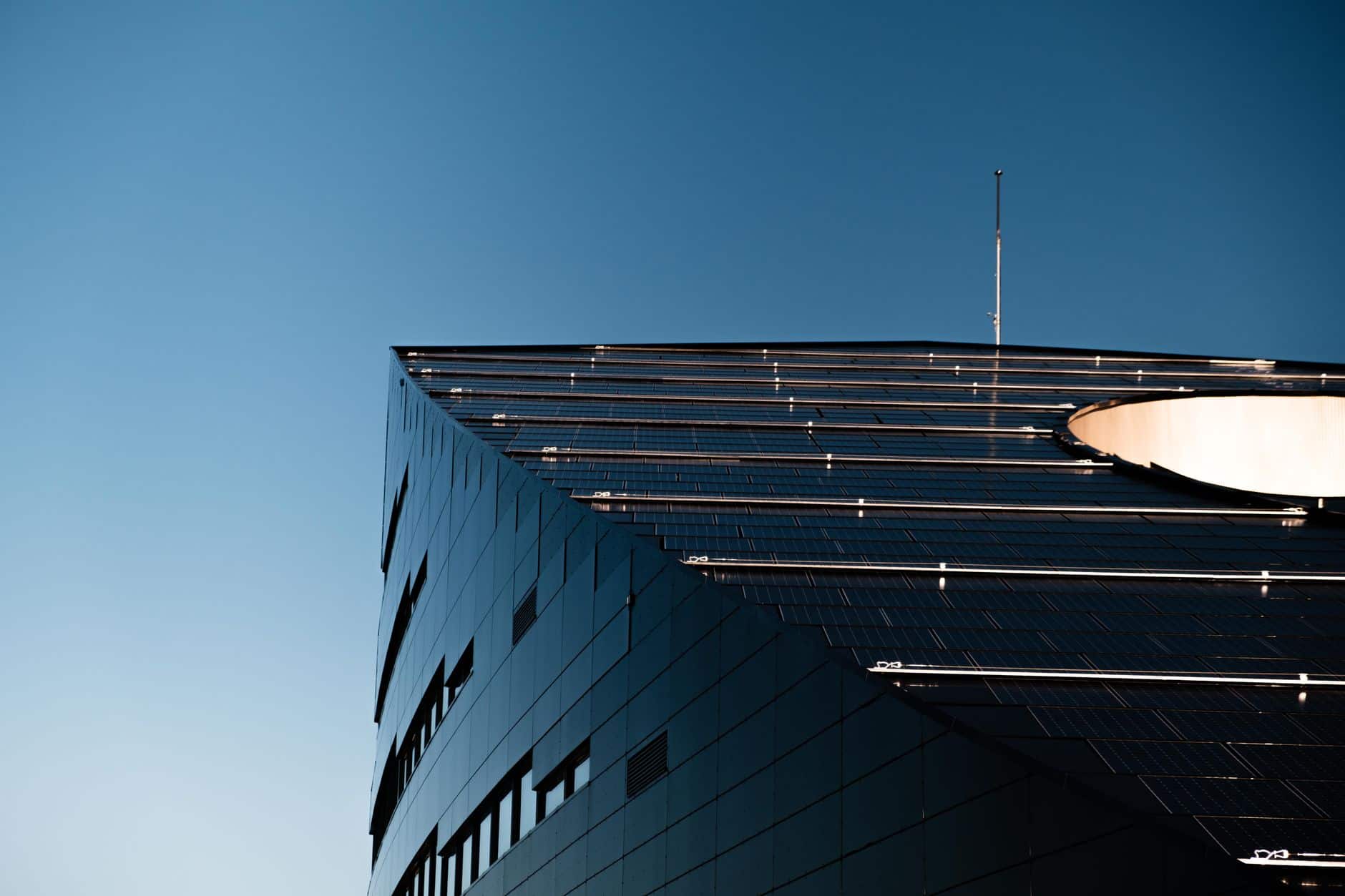
Microquanta has launched a commercial 26 % efficient coloured perovskite‑silicon tandem BIPV module, offering higher power density and in‑house colour customisation for architects.