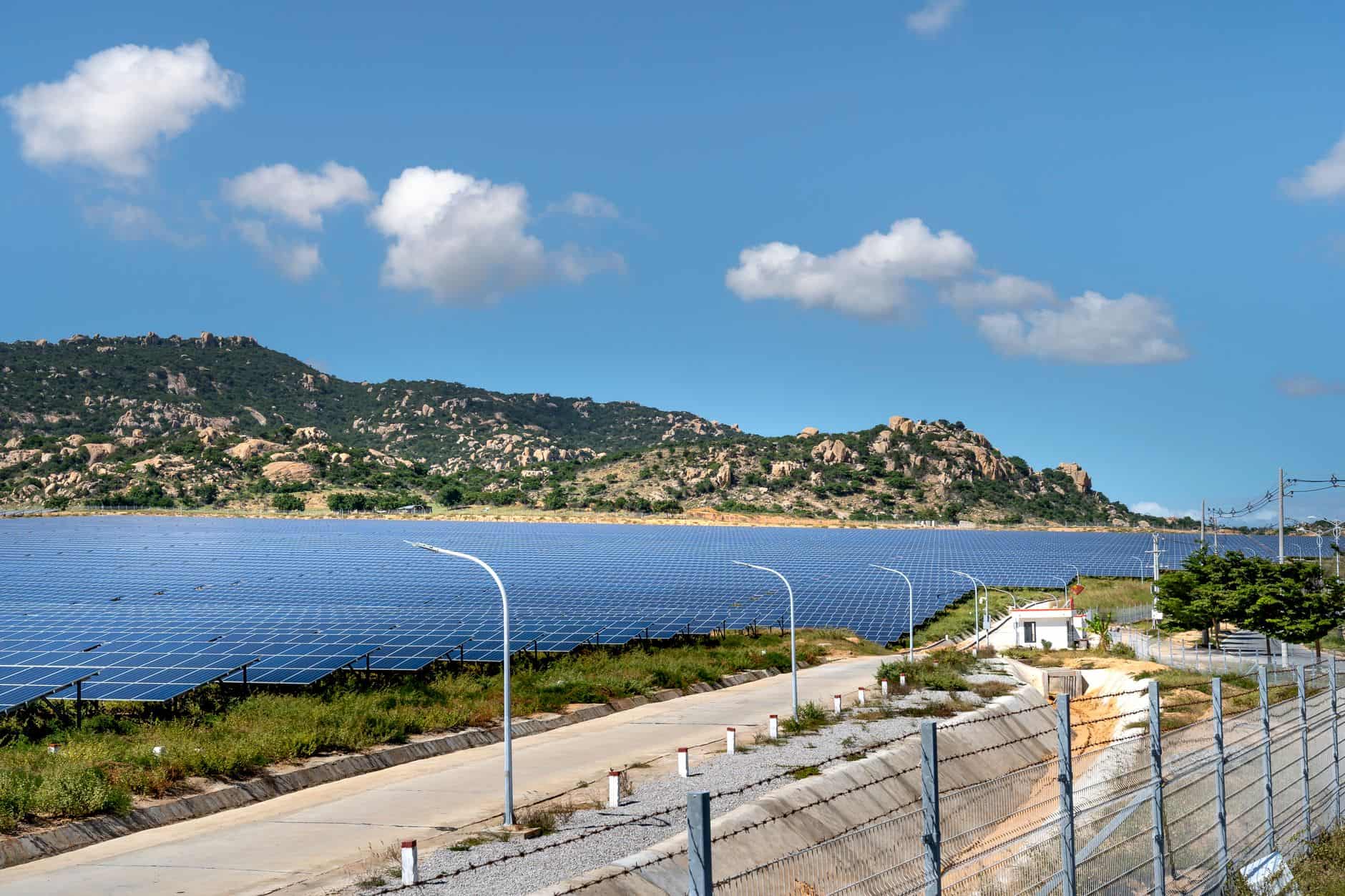
East Asia’s May Sun Boosts Solar Output by 15%
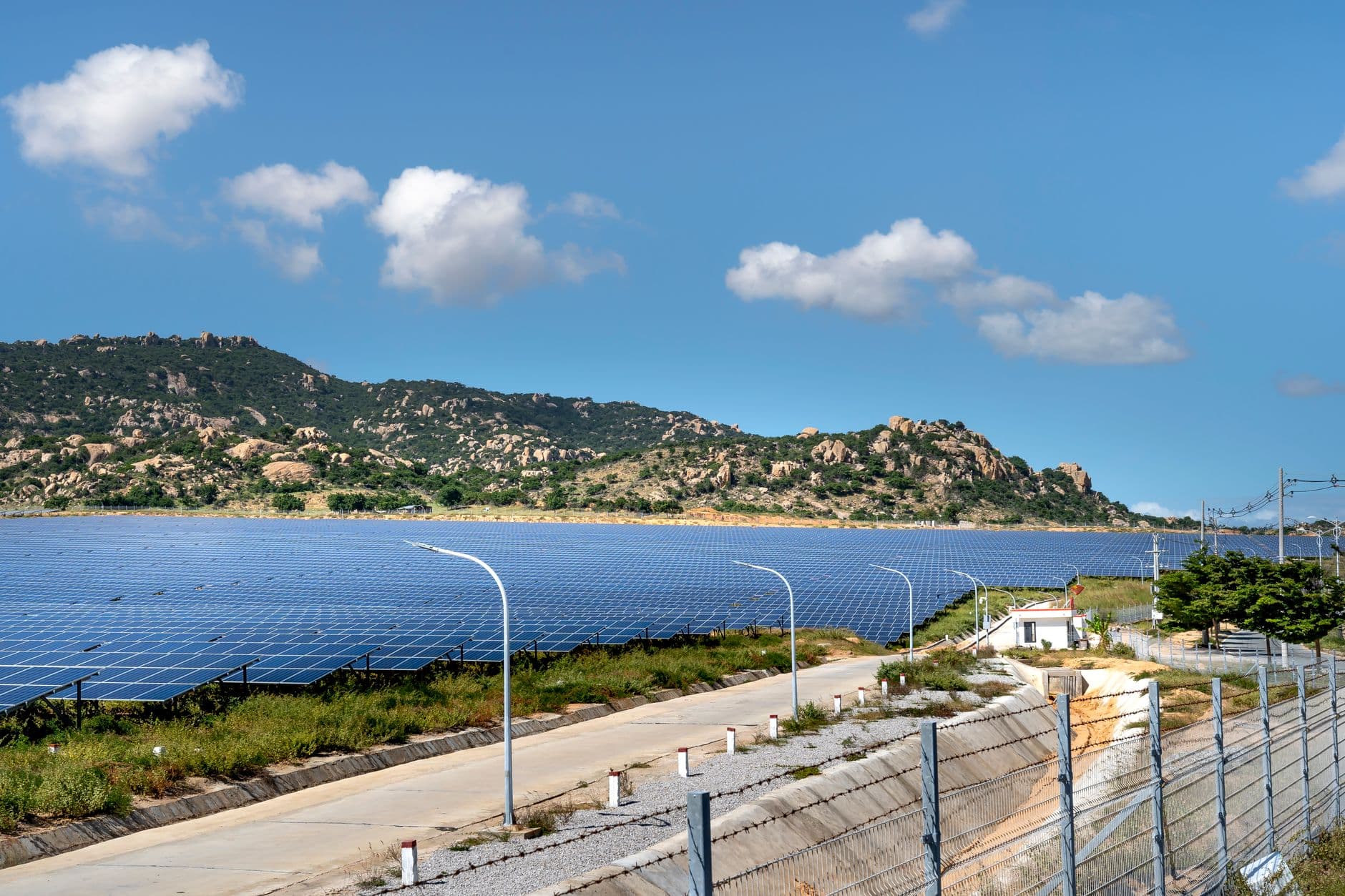
Sun‑shine Surge: East Asia’s May Irradiance Jumped 15% Above Average
May 2026 saw coastal East Asia bathed in unusually clear skies, pushing solar irradiance up to 15 % above the 2007‑2025 long‑run average. The boost was driven by a persistent high‑pressure system that kept clouds at bay over Japan, Korea, eastern China, Taiwan and the northern Philippines. Solcast’s satellite‑based AI model, which tracks clouds and aerosols at 1‑2 km resolution with a typical bias of less than 2 % Solcast blog, recorded the strongest gains in Japan – Tokyo +15 % and Osaka +14 % – making May the sunniest on record for Osaka.
Regional Highlights: Where the Sun Shone Brightest
- Japan: Tokyo’s May irradiance was 15 % above the 2007‑2025 average; Osaka posted a 14 % increase, the highest in Solcast’s record for that city.
- Korea: Seoul saw a modest 6 % rise, still well within the broader warm, settled pattern across the Korean Peninsula.
- China’s Coast: Shanghai recorded a 13 % uplift, while the wider Yangtze Delta ranged between 6‑10 % above average. Manchuria (northern China) stayed about 9 % above normal.
- Taiwan & Philippines: Taipei and Manila mirrored Shanghai’s performance, each exceeding the long‑run average by more than 10 % thanks to reduced storm activity across the Taiwanese and Luzon Straights.
These coastal gains contrast sharply with inland China, where a late‑month rainband dumped up to 100 mm of rain in southern and central provinces, pulling irradiance back toward average or even below‑average levels.
Why the Sun Went Up – and Why It Matters for PV
The primary driver was reduced cloud cover, not aerosol reductions that have helped China’s irradiance in earlier months. Solcast’s AI‑driven cloud‑tracking algorithm attributes the clear‑sky excess to a high‑pressure ridge that persisted throughout May. The same clear conditions also produced record‑high temperatures across northern China, Mongolia and Japan. While hotter air boosts solar resource, it reduces PV module efficiency by roughly 0.4‑0.5 % per °C ScienceDirect. In practical terms, a 5 °C rise can shave about 2‑2.5 % off a panel’s output, partially offsetting the irradiance gain.
How This Fits Into the Wider Asian Solar Landscape
East Asia’s sunny May adds to a broader trend of rapid solar growth across the continent. According to the IEA’s Renewables 2024 report, Asia remains the fastest‑growing solar market, accounting for a large share of new installations IEA. Globally, over 1.6 TW of PV capacity is operational, generating 2,136 TWh of electricity – roughly 8.3 % of global demand IEA‑PVPS. The May irradiance spike, while a short‑term weather event, underscores the high solar potential that underpins this expansion.
What It Means for Israel
Even though the surge occurred far from Israel, the same satellite‑derived irradiance data that Solcast uses can improve local forecasting for Israeli rooftop and utility‑scale projects. For a typical 10 kWp home system in central Israel (annual yield ≈ 17,000 kWh) the current residential tariff of ₪0.48/kWh translates to about ₪8,160 of annual revenue [Verified Israeli Facts]. At a turnkey cost of ₪3,150/kWp, the system pays back in roughly 3.9 years. If a similar clear‑sky event were to occur locally, the additional irradiance could increase generation and revenue modestly, further improving the payback timeline. Israeli operators can therefore leverage Solcast’s high‑resolution forecasts (bias < 2 %) to fine‑tune performance expectations, schedule maintenance during low‑irradiance periods, and optimise financial models.
Looking Ahead: El Niño, Climate and Solar Forecasts
The late‑month rainband in China was a reminder that weather swings can quickly reverse gains. Climate agencies—including NOAA, the Australian Bureau of Meteorology and the China Meteorological Administration—forecast a strong to very strong El Niño peaking later in 2026 NOAA. While May’s sunshine was more about regional high‑pressure than El Niño, the upcoming oceanic warming could bring more extreme temperature and precipitation patterns across East Asia. For solar developers, this means greater reliance on AI‑driven forecasts to anticipate both irradiance spikes and heat‑related efficiency losses.
Bottom Line
May 2026 delivered a rare solar‑rich month for coastal East Asia, with irradiance up to 15 % above average in Japan and similar lifts across Korea, China’s coast, Taiwan and the Philippines. The clear‑sky conditions were a boon for solar generation but also raised temperatures that modestly dented panel efficiency. For Israel, the episode highlights the value of high‑resolution satellite forecasts—tools that can improve payback calculations and help operators navigate a climate‑driven future.
For more on how to calculate your own solar ROI, visit our solar ROI calculator and explore detailed market data at our solar data hub.
Sources & further reading
- (PDF) Machine learning-driven solar irradiance prediction - ResearchGate
- Evaluating accuracy I: Satellite-derived irradiance data - Solcast™
- Random forest model improves solar generation forecast accuracy by 33%
- Accuracy Analysis: ECMWF's AI model for solar forecasting performs well
- [PDF] Digitalisation and AI for power system transformation - IRENA
FAQ
Why was May 2026 sunnier than usual in East Asia?
A persistent high‑pressure ridge kept clouds away over the coastal region, giving clear‑sky conditions that lifted irradiance 10‑15 % above the 2007‑2025 average.
How much did solar irradiance increase in Tokyo?
Tokyo recorded about a 15 % increase over its long‑run May average.
Did the higher irradiance improve solar power output?
Yes, more sunlight means more generation, but the accompanying heat reduced panel efficiency by roughly 0.4‑0.5 % per °C.
Can Israeli solar owners benefit from this data?
Israeli rooftop operators can use Solcast’s high‑resolution forecasts (bias < 2 %) to predict short‑term output spikes and adjust financial models.
What does a 10 % irradiance bump mean for a typical Israeli home system?
It adds about 1,400 kWh of electricity in a month, worth roughly ₪670, shaving a few weeks off the payback period.
Is a strong El Niño expected later in 2026?
Yes, NOAA and other agencies forecast a strong to very strong El Niño peak later in 2026, which could bring more extreme weather to the region.
Share this post
More from Technology
6
Why Women Still Face Double Standards in Solar
At Intersolar Europe 2026, Women in Solar+ Europe revealed that women still face double standards in visibility, credit, motherhood, and networking, and called for concrete allyship to change the industry.
NextPower’s Acquisition Blitz Powers Solar Expansion
NextPower now supplies almost every utility‑scale solar component except PV modules and battery cells, after a rapid acquisition spree that added inverters, storage platforms and mounting systems.
Solar Skills Shortage Hits Europe’s Fast‑Growing Market
Europe needs 800,000 new solar technicians by 2026, and a shortage of qualified workers is already slowing project roll‑outs, threatening both the continent’s renewable targets and Israel’s solar ambitions.
Record Solar Growth Fuels Renewables 24/7 Vision
The Smarter E 2026 in Munich hosts 2,662 exhibitors in a fully‑booked 206,000 m² hall and showcases the “Renewables 24/7” vision, while global solar installations hit a record 664 GW in 2025.
AI‑Chef Revolutionizes Solar Factories Worldwide
ATW’s AI‑Chef platform lets the company ship fully‑optimized, AI‑run solar factories abroad, fueling a revenue jump from $100 M to $1.2 B and positioning Southeast Asia as its main growth engine.

Colored Perovskite Tandems Boost BIPV Efficiency
Microquanta has launched a commercial 26 % efficient coloured perovskite‑silicon tandem BIPV module, offering higher power density and in‑house colour customisation for architects.