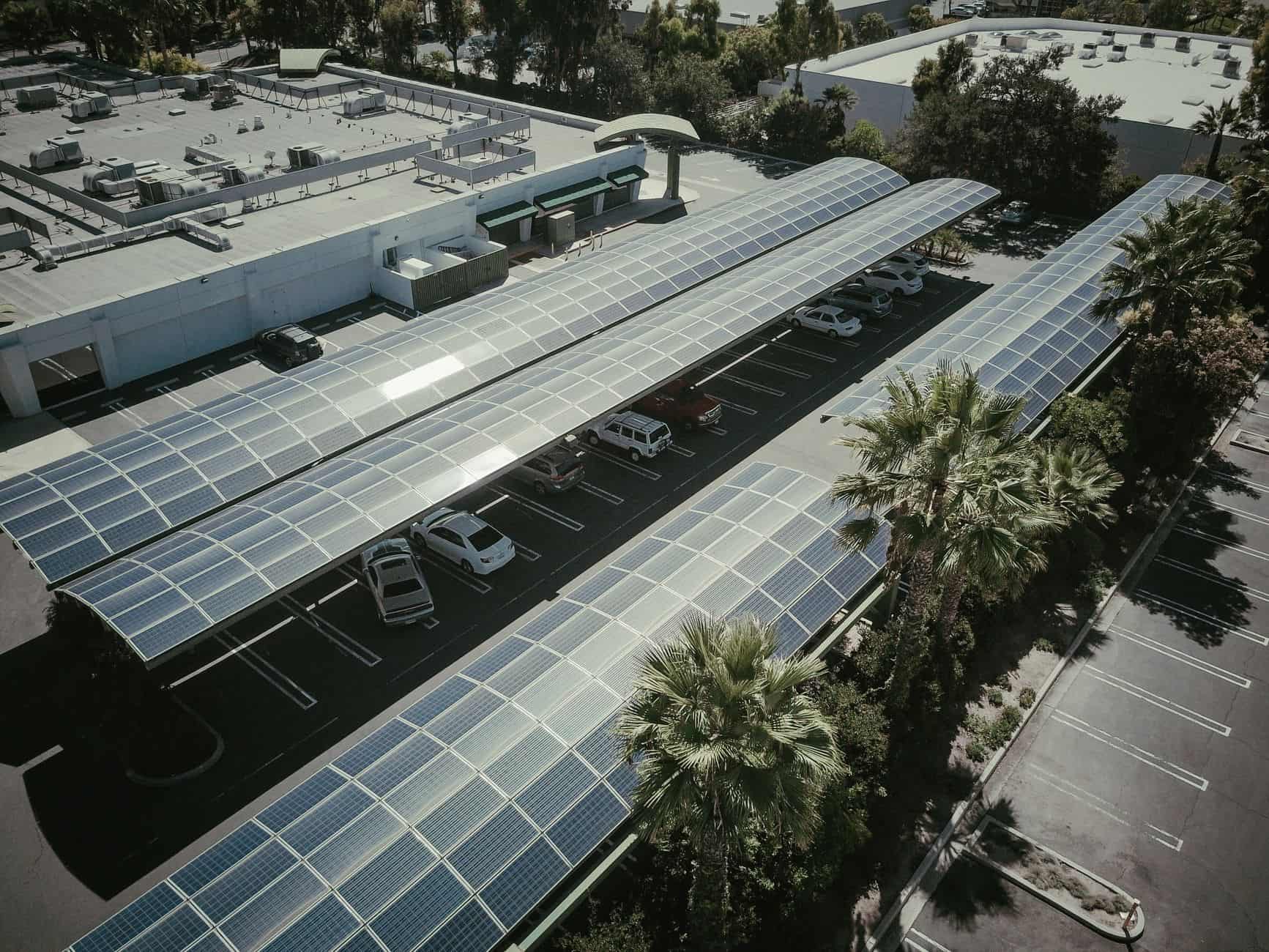
Solar Carports Grow 12% Yearly, Foundations Costly
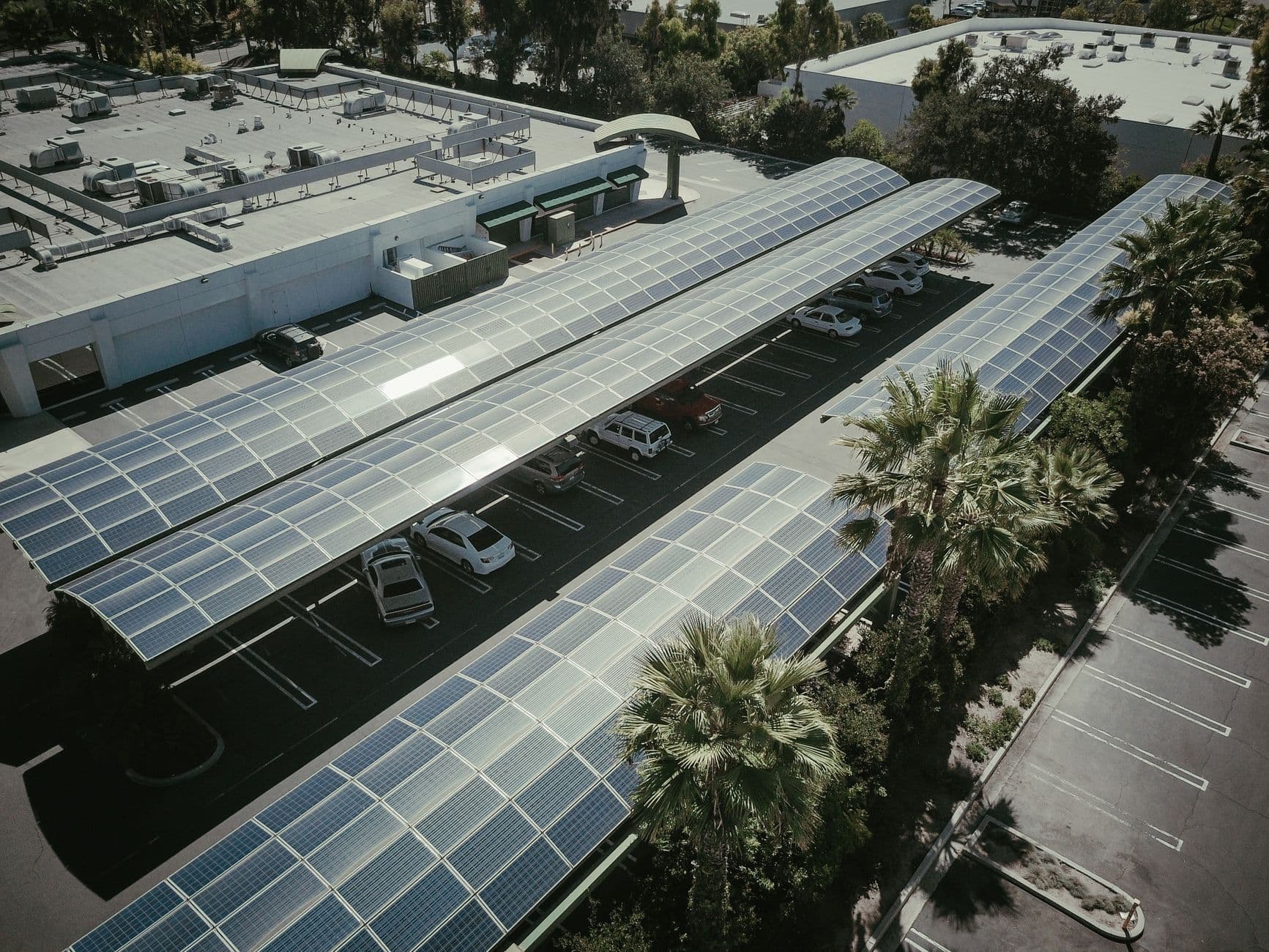
Solar carports are booming: 12% annual growth worldwide
Solar carports are projected to expand at about 12% per year from 2027‑2030, outpacing the broader commercial solar market, according to forecasts from SEIA and Wood Mackenzie. Researchers estimate the global carport market could reach US$50 billion by 2035, driven by a 35% CAGR and the integration of storage and EV charging. In the United States, surface parking alone covers more than 5 % of urban land, an area larger than Rhode Island and Delaware combined, yet almost none of it currently generates electricity.
A half‑megawatt carport is a heavy‑construction project
A typical commercial carport is about 0.5 MW in capacity, 25 ft tall, and requires roughly 100 cubic yards of concrete – the equivalent of ten truckloads. This heavy‑construction footprint makes carports fundamentally different from rooftop installations, which are largely modular and lightweight.
Up‑front engineering is the cheapest insurance
Because margins are thin, the most cost‑effective risk mitigation is to spend on pre‑bid engineering. Sinclair Designs (SDE) reports a 30 % close rate, meaning the upfront engineering spend is recouped on the majority of projects that move forward. A four‑step workflow – geotechnical study, finite‑element analysis, internal design review, then manufacturing – can turn an uncertain bid into a reliable price.
Foundations drive cost volatility and margins
Foundations are the single biggest source of cost overruns. Drilling a clean Michigan clay hole costs about $800 per hole, but encountering hard shale can push that to $2,500, adding up to $60,000 on a half‑megawatt site. This variability explains why carport prices are 2‑3 × higher per watt than rooftop systems. Successful EPCs either price the worst‑case scenario with built‑in contingency or share the risk transparently with the client.
Steel and procurement can be locked in, but the ground can’t
While steel prices can be fixed through material deposits and on‑site stockpiling, the subsurface conditions cannot. EPCs rely on 811 locate calls, existing geotech reports (available about 90 % of the time), and local drillers to avoid surprises such as buried ducts or voids that have caused costly redesigns.
What it means for Israel’s commercial solar market
Israel’s commercial solar installations typically cost ₪2,200 per kWp and earn a feed‑in tariff of ₪0.41 per kWh. Applying these benchmarks to a 0.5 MW (500 kWp) carport gives:
- Capex: 500 kWp × ₪2,200/kWp = ₪1.1 million.
- Annual energy yield (South region, 1,950 kWh/kWp): 500 kWp × 1,950 kWh/kWp = 975,000 kWh.
- Annual revenue: 975,000 kWh × ₪0.41/kWh ≈ ₪400,000.
- Simple payback: ₪1.1 million ÷ ₪400,000 ≈ 2.8 years. This illustrative calculation shows that, despite higher upfront costs, a well‑engineered carport can recoup its investment in under three years in Israel, making it an attractive option for municipalities, factories, and large‑scale commercial sites. However, the same foundation risks highlighted in the U.S. apply: inaccurate soil data can quickly erode that margin, underscoring the need for early geotechnical work.
Bottom line for EPCs and developers
Carports reward teams that engineer first, price the ground honestly, and lock in material costs. Skipping the geotechnical phase or under‑estimating foundation work can turn a profitable project into a loss. As the market accelerates, the firms that master these risk‑management practices will capture the fastest‑growing slice of commercial solar.
For a deeper dive into Israeli solar ROI, try our solar ROI calculator and explore the latest market data on our data page.
Sources & further reading
FAQ
How fast is the solar carport market growing?
Industry forecasts expect a 12% annual growth rate from 2027 to 2030, outpacing the broader commercial solar segment.
Why are carports more expensive than rooftop solar?
Carports require heavy foundations and concrete pads, which can add $60,000 or more to a half‑megawatt project, making them 2‑3 × pricier per watt.
What is the biggest risk in a carport project?
Unforeseen ground conditions – such as hard shale or buried utilities – can cause costly delays and overruns if not identified early.
Can early engineering really save money?
Yes. EPCs that spend on pre‑bid geotechnical and structural studies recoup that cost on the majority of projects that close, improving overall margins.
Is a solar carport financially viable in Israel?
Using typical Israeli costs, a 0.5 MW carport would cost about ₪1.1 million and generate roughly ₪400,000 per year, yielding a payback of under three years.
What can EPCs do to lock in material costs?
Many EPCs secure fixed‑price steel deposits and stock raw material for projects under 2 MW, insulating themselves from market price swings.
Share this post
More from Technology
6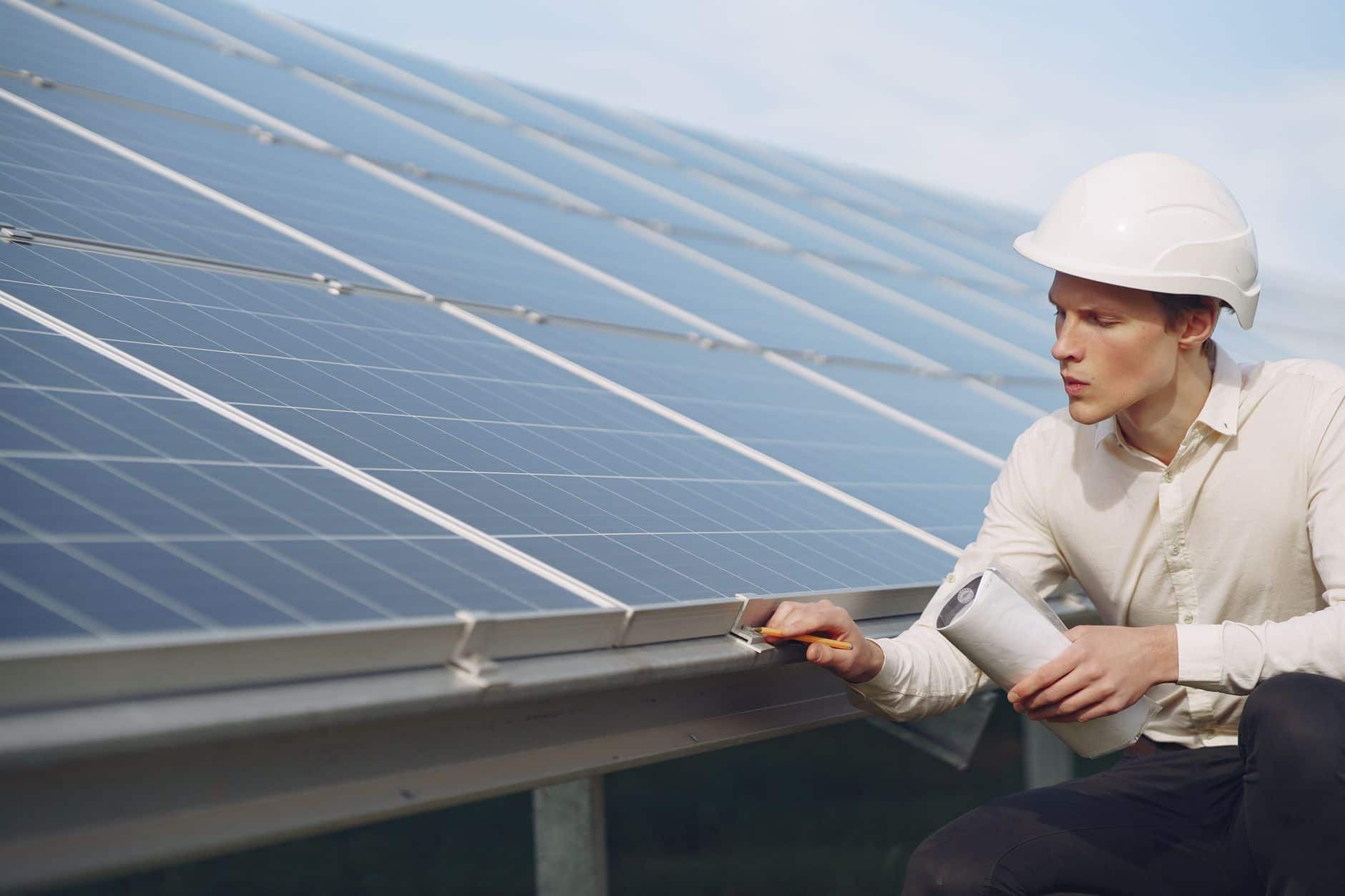
Smart Controllers Let Brazil Solar Beat Limits
Brazilian installer Alba Energia uses smart controllers and ANEEL’s simultaneity rule to let PV farms generate far beyond the utility‑approved export limits, a model that could help Israel’s constrained feeders as well.
Nigerian Youth Grant Fuels Solar Innovation
The APC National Youth Wing has earmarked ₦17.5 million to fund young Nigerian innovators developing solar, biogas and other clean‑energy projects.
Oman's New Polysilicon Plant Boosts Solar Supply
United Solar has completed a $1.6 billion financing round to build a 100,000‑tonne‑per‑year polysilicon plant in Oman, diversifying global supply and potentially lowering solar module prices for Israel.
Hoymiles Solar Inverter Fix Arrives Aug 30
Hoymiles will release a free AES‑encrypted firmware update on 30 August to fix an unauthenticated OTA vulnerability in its discontinued HM‑series micro‑inverters.
Daikin Nexio Max Heat Pump Slashes Energy Use
Daikin’s Nexio Max rooftop heat pump, available in 7.5‑10 ton sizes, achieves up to 3.85 COP and can operate down to –25 °C, offering Israeli commercial buildings a low‑carbon heating option when combined with solar PV.
Geothermal Hydrogen Hits $1.75/kg in Iceland
Syntholene’s Icelandic pilot shows geothermal‑integrated SOEC can produce hydrogen at $1.75‑$2.10 /kg, about one‑third the cost of European green hydrogen.