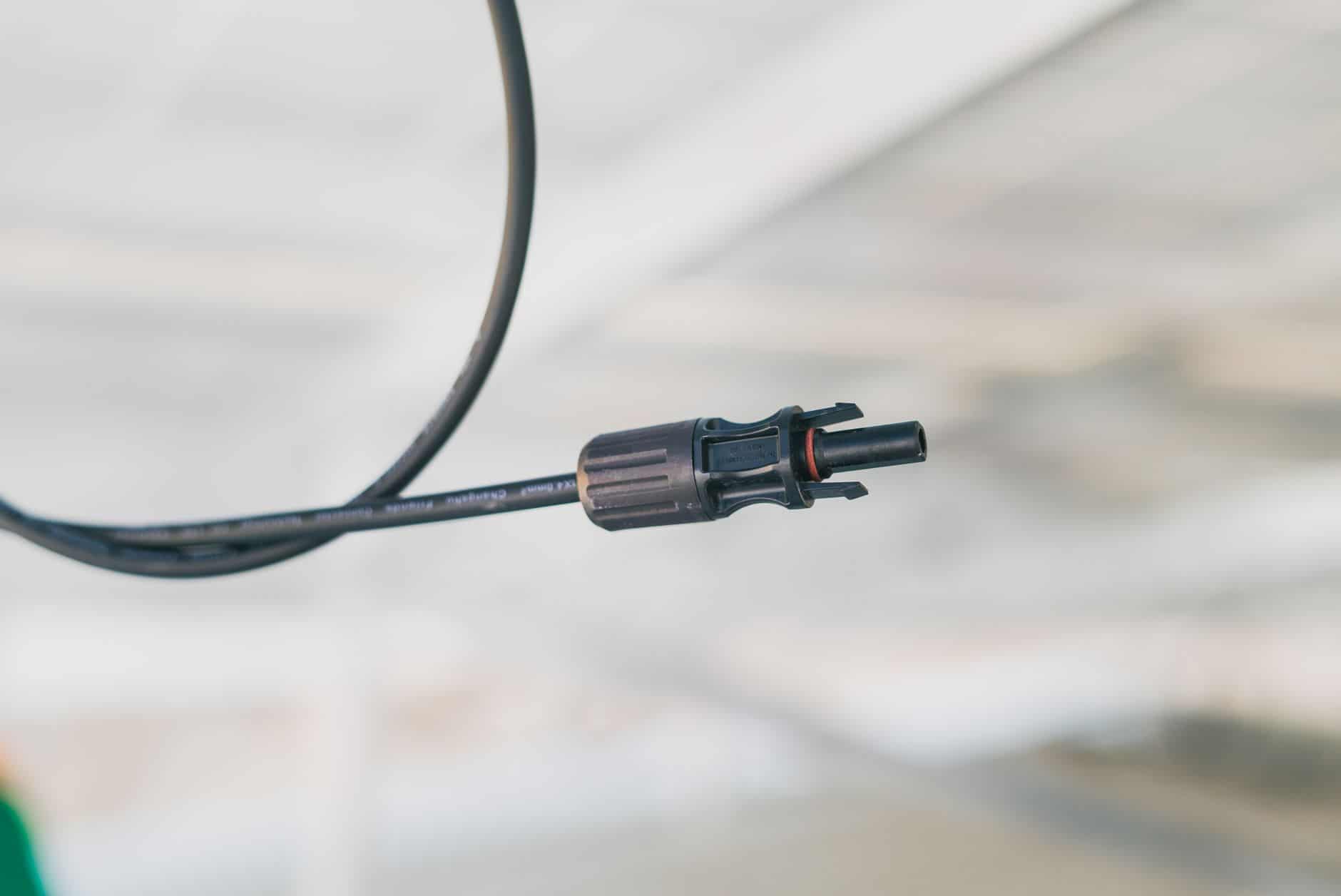
Solar Cables: The Next Reliability Frontier
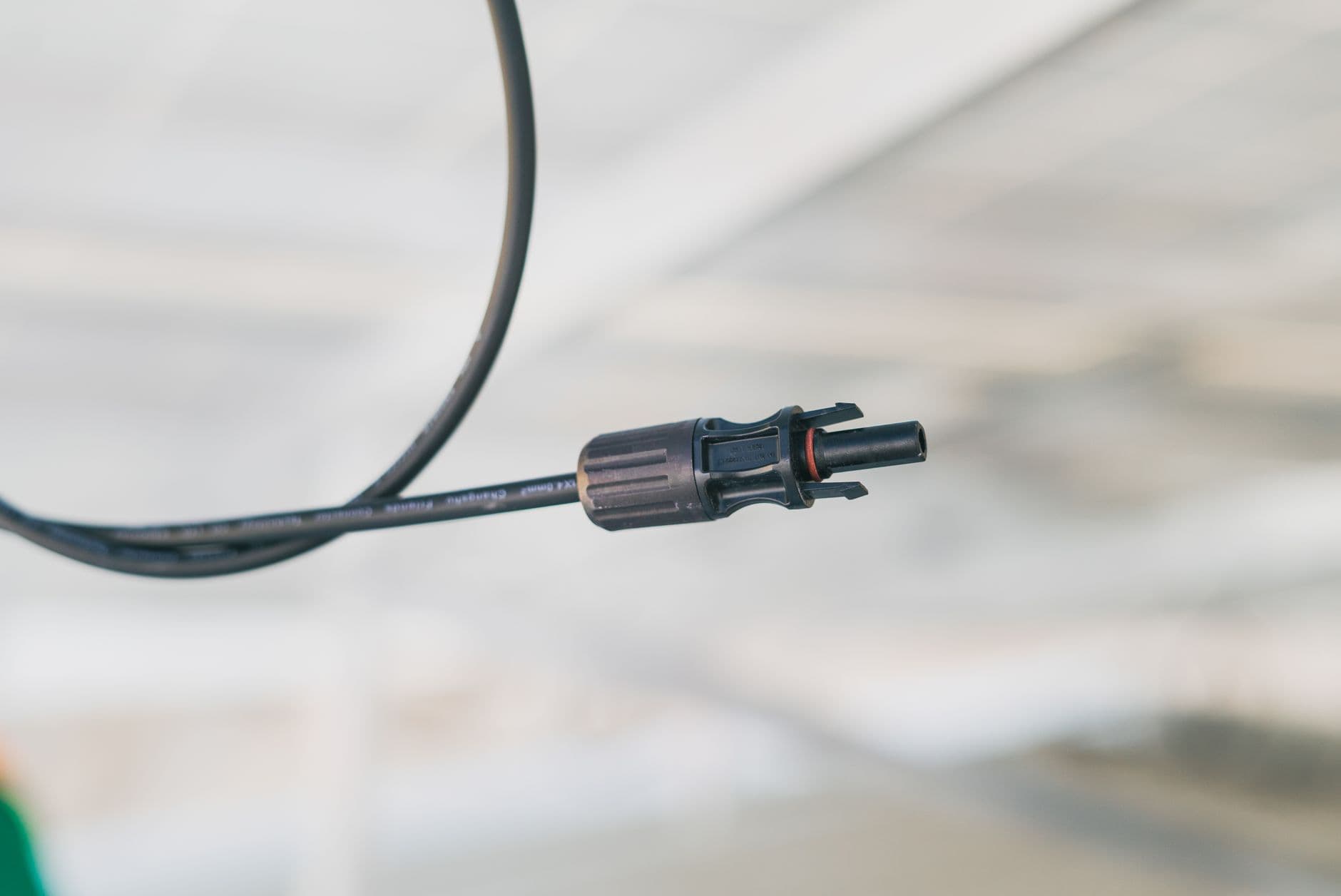
Solar cables are now the biggest reliability hurdle for Europe’s booming PV market
KUKA Cable says that material innovation, not just meeting existing standards, is the critical factor that will keep next‑generation solar farms safe and productive as system voltages rise and project lifetimes extend. The company unveiled this view at The smarter E Europe 2026 in Munich, warning that overheating, insulation ageing and DC‑side failures are already costing developers.
Higher voltages and longer lifetimes demand tougher cables
Europe’s solar market is expanding rapidly, pushing installations toward higher voltages and longer service lives. COO Jackie Wang explained that these trends force cables to withstand higher thermal loads, more aggressive weather, and longer exposure to UV radiation. In practice, this means cables must stay insulated and conductive for decades without the kind of degradation that traditionally forces premature replacements.
Material innovation and systematic testing raise the bar
KUKA has responded by building its own laboratory and launching the SIF (Selection‑Inspection‑Fabrication) quality framework. Through SIF, every cable undergoes traceable testing from raw material selection to final verification. Notably, KUKA’s solar cables survive a 2,000‑hour Xenon lamp test, which simulates roughly ten years of intense UV exposure, proving they can keep their mechanical strength and dielectric properties in harsh sunlight. The company also guarantees waterproof performance, anti‑rodent protection, and resistance to extreme temperature swings, attributes highlighted by co‑founder Tony Si as top customer priorities in Europe.
Europe’s cable market is expanding fast, but quality lags behind
The broader power‑cable market in Europe was valued at US$58.2 billion in 2025 and is projected to grow at a 7.4 % CAGR through 2032. Meanwhile, the renewable‑energy sector itself is expected to add USD 2.8 billion in investments from 2026‑2030. This surge creates a huge demand for cables that can survive longer, higher‑voltage PV strings without failure.
Why durability matters: the science of insulation ageing
Research shows that thermal and UV ageing degrade cable insulation, increasing heat‑release rates and the risk of fire. KUKA’s focus on advanced polymer blends and rigorous accelerated‑aging tests directly addresses these failure pathways, turning what used to be a hidden risk into a measurable, verifiable specification.
What it means for Israel’s rooftop owners
Israeli households typically install ≈3150 ₪/kWp solar systems, with a 10 kWp rooftop producing about 17,000 kWh/year in the central region. At the residential feed‑in tariff of 0.48 ₪/kWh, that yields roughly 8,160 ₪ of annual revenue, and the upfront cost of 31,500 ₪ translates to a payback of ≈3.9 years. If cables were to need replacement early, owners would face additional costs that could extend the payback period. KUKA’s proven long‑life cables therefore help keep the ROI close to the original estimate and support the system’s full 25‑year design life.
Looking ahead: standards, testing and market leadership
KUKA plans to share its SIF methodology with industry bodies to shape future European cable standards, aiming for a unified reliability metric that can be cited in EPC contracts. As solar farms scale up and grid codes tighten, manufacturers that can demonstrably guarantee decades‑long cable performance will capture a larger share of the US$106 billion global cable market projected for 2030.
What it means for Israel
- Longer‑lasting cables keep payback short – early cable replacement would add extra costs, lengthening the payback period.
- Higher system voltages demand better insulation – as Israeli projects move toward higher‑voltage strings, robust, UV‑tested, waterproof cables reduce the risk of overheating losses.
- Reliability supports national targets – with Israel aiming for 30 % renewable electricity by 2030 and an interim 20 % target for 2025, durable PV cables can help keep new capacity online longer.
The solar‑cable race is just beginning. Companies that turn material science into verifiable durability will not only protect investors’ money but also accelerate the clean‑energy transition across Europe and Israel.
Sources & further reading
FAQ
Why are solar cables becoming a reliability issue?
Higher system voltages, longer project lifetimes and harsher outdoor conditions cause overheating and insulation ageing, which can lead to costly failures.
What testing does KUKA use to prove cable durability?
KUKA runs a 2,000‑hour Xenon lamp test that mimics about ten years of intense UV exposure, plus waterproof and anti‑rodent tests.
How does cable reliability affect a typical Israeli rooftop system?
If a cable fails early, owners may need a ~5 % system‑cost replacement, extending the usual 3.9‑year payback by roughly one year.
What is the SIF framework?
SIF (Selection‑Inspection‑Fabrication) is KUKA’s quality‑management system that tracks material choice, testing, manufacturing and verification to make reliability measurable.
Will European standards change because of cable issues?
KUKA plans to work with industry bodies to embed its reliability metrics into future European cable standards.
Share this post
More from Technology
6
India’s 6 GW TOPCon Plant Raises Solar Efficiency
Avaada Electro has launched the first 3 GW of its 6 GW TOPCon solar‑cell factory in Nagpur, delivering cells with up to 25.5 % efficiency and paving the way for a major boost in clean‑energy output.
עלות החשמל הסולארי עולה בארה״ב
ה‑LCOE של סולאר תעשייתי בארה"ב עלה ב‑18% ל‑40‑98 $/MWh בשנת 2026, אך עדיין זול ב‑81% ממקורות אחרים שהושוו לפני 20 שנה.
Smart Controllers Let Brazil Solar Beat Limits
Brazilian installer Alba Energia uses smart controllers and ANEEL’s simultaneity rule to let PV farms generate far beyond the utility‑approved export limits, a model that could help Israel’s constrained feeders as well.
Solar Carports Grow 12% Yearly, Foundations Costly
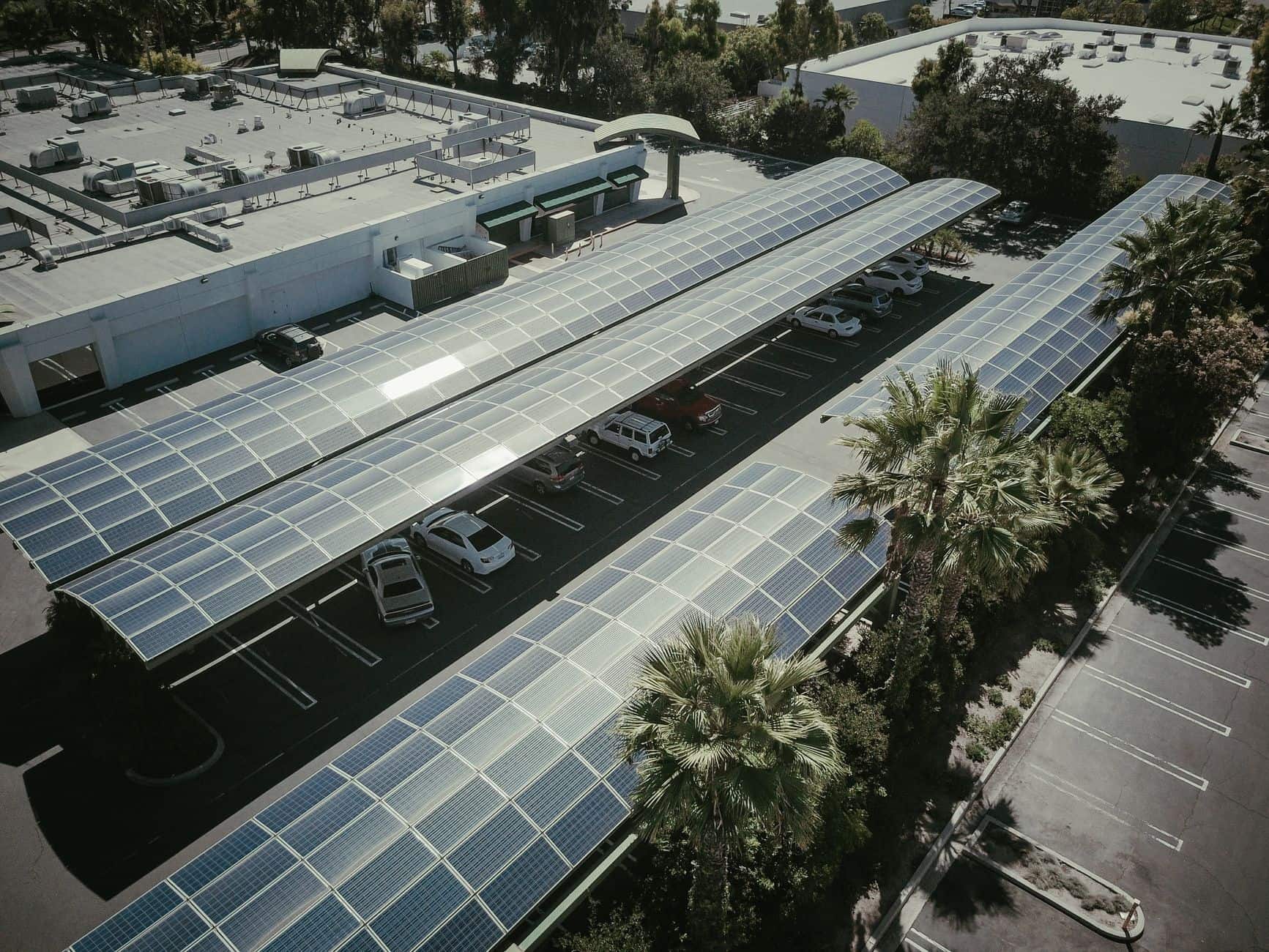
Solar carports are set to grow 12% annually, but costly foundations and engineering risks can erode margins; early geotechnical work is the cheapest insurance.
Nigerian Youth Grant Fuels Solar Innovation
The APC National Youth Wing has earmarked ₦17.5 million to fund young Nigerian innovators developing solar, biogas and other clean‑energy projects.
Oman's New Polysilicon Plant Boosts Solar Supply
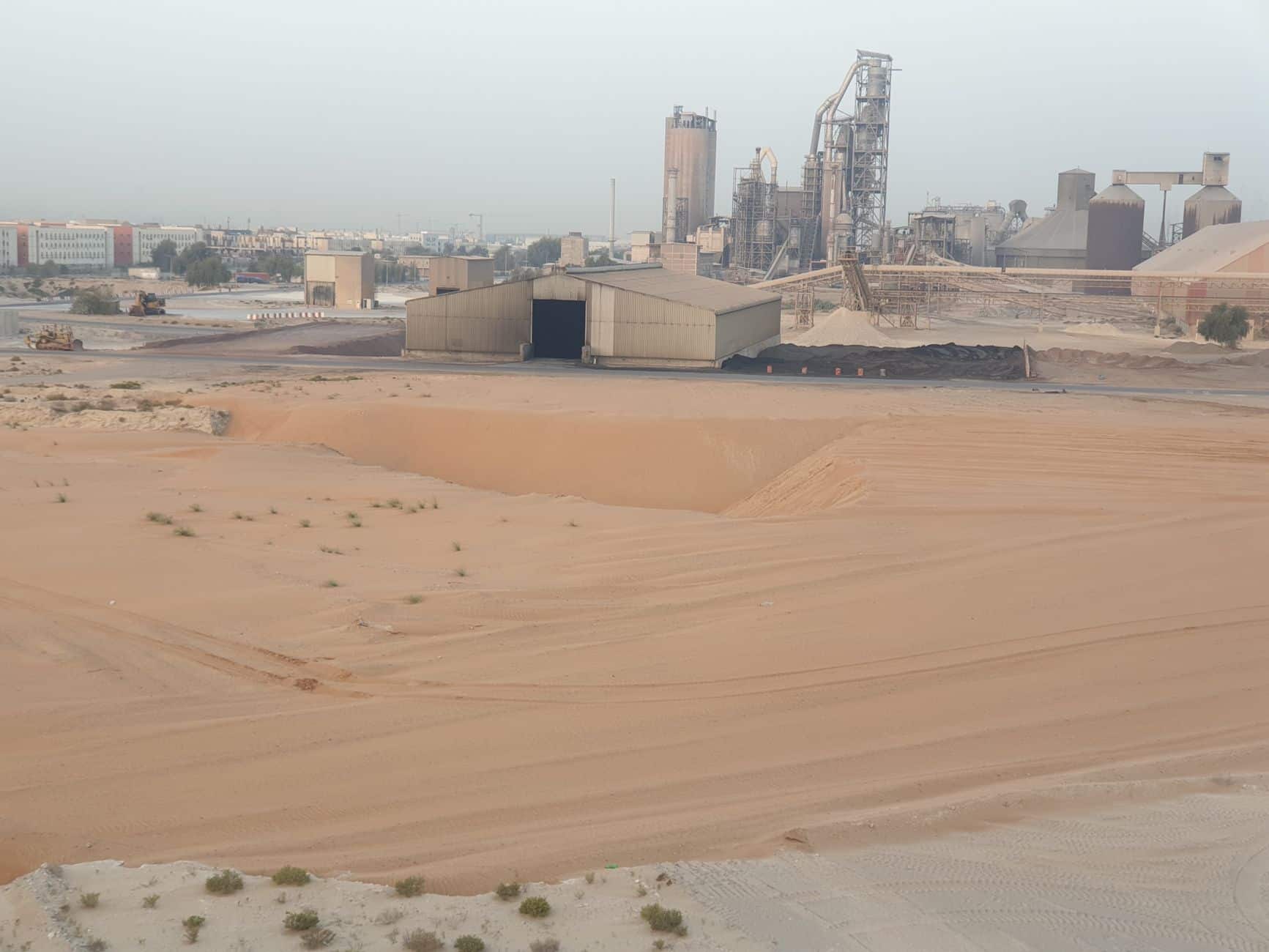
United Solar has completed a $1.6 billion financing round to build a 100,000‑tonne‑per‑year polysilicon plant in Oman, diversifying global supply and potentially lowering solar module prices for Israel.