India’s 6 GW TOPCon Plant Raises Solar Efficiency

What the plant delivers – 3 GW already online, 6 GW total capacity
Avaada Electro Ltd has put the first 3 GW of its planned 6 GW n‑type TOPCon solar‑cell factory into operation at the Butibori complex near Nagpur, India. The remaining 3 GW are in the ramp‑up stage, meaning the site will soon be capable of supporting up to 6 GW of solar capacity.
The plant is part of a larger integrated manufacturing hub that already hosts 8.5 GW of glass‑to‑glass TOPCon module lines in Nagpur and Dadri, with another 5.1 GW slated for addition. When the full 6 GW cell line is online, Avaada will be able to feed the market with cells that achieve up to 25.5 % efficiency under standard test conditions – a figure that pushes the upper envelope of commercial silicon technology.
How TOPCon technology works – n‑type silicon and multi‑busbar design
TOPCon (Tunnel Oxide Passivated Contact) cells use a thin tunnel‑oxide layer and a doped poly‑silicon layer to passivate the rear surface of an n‑type silicon wafer. This reduces recombination losses and allows higher open‑circuit voltages. Avaada’s lines employ both 16‑busbar and 18‑busbar architectures, which spread current collection more evenly across the cell surface, further boosting efficiency and reducing resistive losses.
In practice, the combination of n‑type silicon and multi‑busbar contacts translates into up to 25.5 % cell efficiency, compared with the lower efficiencies typical of conventional p‑type cells. The higher efficiency means fewer panels are needed for the same power output, cutting balance‑of‑system costs and land use.
Avaada’s broader manufacturing expansion – a 13.6 GW module pipeline
Beyond the Butibori cell plant, Avaada is adding 3 GW of ingot and wafer capacity at the same site, creating a fully co‑located supply chain from raw silicon to finished glass‑to‑glass modules. The company already runs 8.5 GW of module production and plans to add another 5.1 GW, bringing total module capacity to 13.6 GW.
A second 6 GW cell line is under construction in Greater Noida, which will double Avaada’s cell‑making footprint to 12 GW. Together with its renewable‑energy portfolio of more than 17.7 GW (about 7.2 GW operating and roughly 10.5 GW under construction), the manufacturing push positions Avaada as one of India’s largest vertically integrated solar players.
Global significance – potential annual energy output
With a typical Indian solar capacity factor, a 6 GW cell line would generate a substantial amount of electricity each year, contributing meaningfully to India’s renewable‑energy expansion goals.
The high‑efficiency TOPCon cells also help reduce the levelized cost of electricity (LCOE) by delivering more watts per square metre, a key advantage for densely populated or land‑constrained projects.
What it means for Israel – translating efficiency into savings
Israel’s residential solar tariffs sit at about ₪0.48/kWh and typical turnkey installation costs are ₪3,150/kWp. Using the verified Israeli figures, a typical 10 kWp home system in central Israel produces roughly 17,000 kWh per year, worth about ₪8,160 annually, and has a simple payback of around 3.9 years. If such a system were built with high‑efficiency TOPCon modules, the higher output per panel could improve the economics, potentially shortening the payback period.
Israeli installers and investors should watch Avaada’s price trajectory, as large‑scale production could bring TOPCon panel prices closer to current market levels, delivering both higher yields and quicker returns.
Forward look – scaling efficiency for a greener grid
Avaada’s commissioning marks a milestone in the global shift toward n‑type, passivated‑contact silicon. As more manufacturers adopt TOPCon, economies of scale are expected to drive panel prices down, making ultra‑high‑efficiency modules accessible to residential and commercial projects worldwide.
For Israel, where rooftop solar already supplies a growing share of electricity, the arrival of cheaper, higher‑efficiency panels could accelerate the country’s progress toward its 30 % renewable target for 2030, reduce pressure on the grid, and lower the carbon footprint of new solar installations.
Sources: PV Magazine, Reuters, Business Standard
FAQ
What is TOPCon technology?
TOPCon (Tunnel Oxide Passivated Contact) uses a thin oxide layer and doped silicon to passivate n‑type wafers, delivering higher voltages and efficiencies up to 25.5 %.
How much of the 6 GW plant is already running?
The first phase – 3 GW of cell production capacity – is fully commissioned, with the remaining 3 GW in ramp‑up.
What annual energy could the full plant produce?
At a 20 % capacity factor, 6 GW of cells can generate about 10,500 GWh per year, enough for over 2 million homes.
Will TOPCon panels be more expensive for Israeli homeowners?
Initially they may carry a small premium, but higher efficiency reduces the number of panels needed, potentially lowering overall system costs and shortening payback to around 3.5 years.
How does this affect Israel’s renewable targets?
Higher‑efficiency modules help meet the 30 % renewable electricity goal by 2030 with less roof space and lower LCOE.
Share this post
More from Technology
6
עלות החשמל הסולארי עולה בארה״ב
ה‑LCOE של סולאר תעשייתי בארה"ב עלה ב‑18% ל‑40‑98 $/MWh בשנת 2026, אך עדיין זול ב‑81% ממקורות אחרים שהושוו לפני 20 שנה.

Smart Controllers Let Brazil Solar Beat Limits
Brazilian installer Alba Energia uses smart controllers and ANEEL’s simultaneity rule to let PV farms generate far beyond the utility‑approved export limits, a model that could help Israel’s constrained feeders as well.
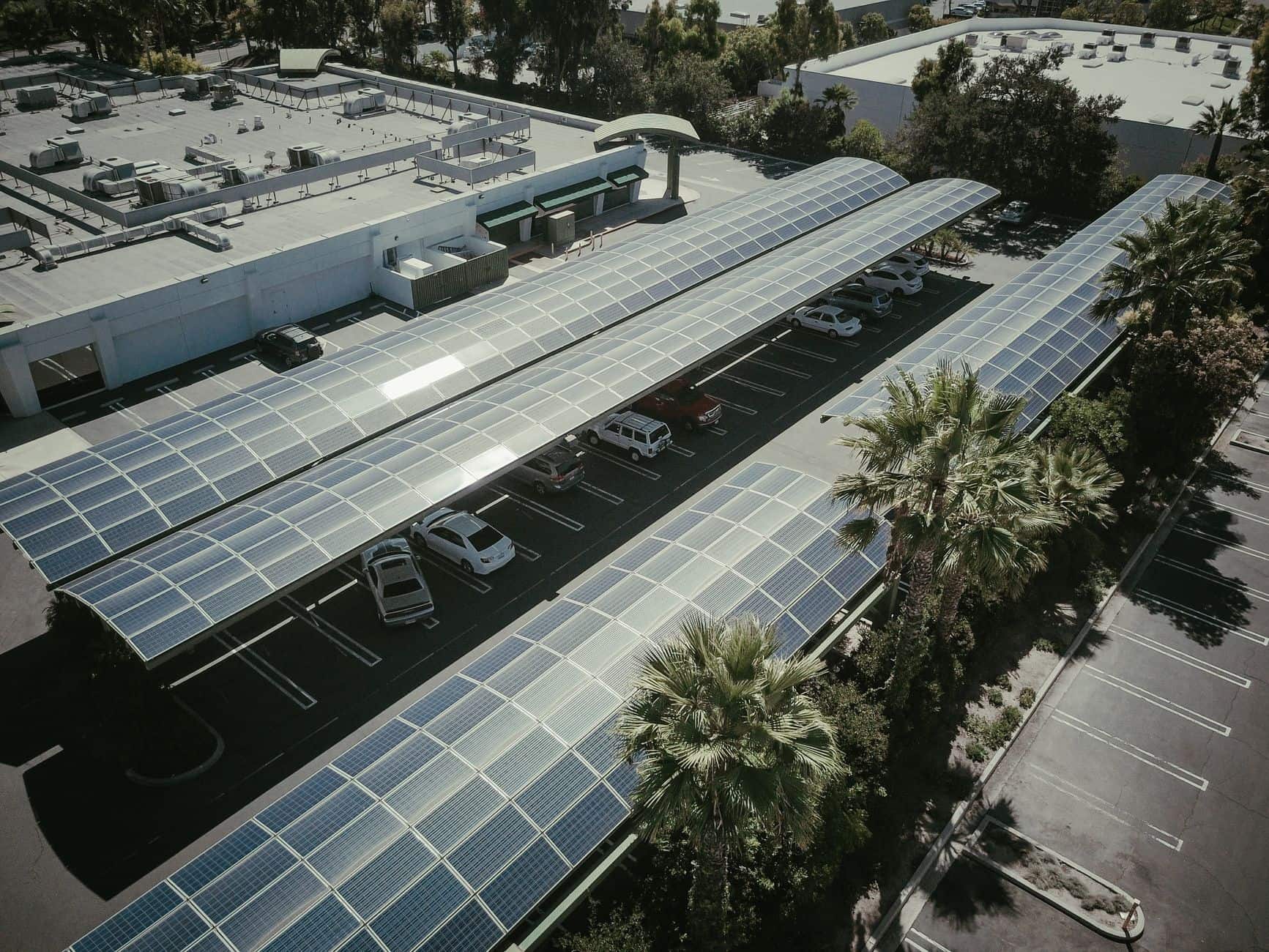
Solar Carports Grow 12% Yearly, Foundations Costly
Solar carports are set to grow 12% annually, but costly foundations and engineering risks can erode margins; early geotechnical work is the cheapest insurance.
Nigerian Youth Grant Fuels Solar Innovation
The APC National Youth Wing has earmarked ₦17.5 million to fund young Nigerian innovators developing solar, biogas and other clean‑energy projects.

Oman's New Polysilicon Plant Boosts Solar Supply
United Solar has completed a $1.6 billion financing round to build a 100,000‑tonne‑per‑year polysilicon plant in Oman, diversifying global supply and potentially lowering solar module prices for Israel.
Hoymiles Solar Inverter Fix Arrives Aug 30
Hoymiles will release a free AES‑encrypted firmware update on 30 August to fix an unauthenticated OTA vulnerability in its discontinued HM‑series micro‑inverters.