World Bank Funds 300 MW Moroccan Pumped Hydro
World Bank approves $265 M to build a 300 MW/1,500 MWh pumped‑hydro plant in Morocco
The World Bank has signed off a $265 million financing package for the Ifahsa pumped‑hydro storage project, a 300 MW facility with 1,500 MWh of storage capacity that will be built by Morocco’s state‑owned utility ONE ONEE. The total cost of the project is estimated at $500 million, with the African Development Bank providing the balance.
The Ifahsa plant will enable up to 1 GW of new solar and wind capacity
Ifahsa’s 300 MW of reversible pump‑turbines (two 150 MW units) can shift up to 1,500 MWh of energy, allowing Morocco to integrate an additional 400 MW of solar and 600 MW of wind power while cutting renewable curtailment by roughly 340 GWh per year. By providing firm capacity and rapid response, the storage plant helps balance the intermittency of new renewables and reduces the need for fossil‑fuel‑based peaking plants.
Financing structure and regional impact
The World Bank package blends an IBRD loan, concessional financing from the Clean Technology Fund, and a grant from the Livable Planet Fund. Co‑financing from the African Development Bank complements the World Bank package, and the Bank expects the financing will unlock roughly $1 billion of private‑sector investment in Moroccan renewables. The plant will connect to the 400 kV grid 14 km north of Chefchaouen, strengthening the northern transmission corridor.
Pumped hydro versus battery storage – why size matters
ONE ONEE’s broader storage roadmap targets 1 GW of pumped‑hydro capacity by 2030, complementing an 800 MW/1,600 MWh battery‑energy‑storage (BESS) procurement planned for 2026‑2030. While batteries excel at sub‑second response, pumped hydro offers far lower levelized cost of storage for large‑scale, multi‑hour applications, making it the preferred technology for shifting seasonal wind and solar output.
What it means for Israel’s renewable and storage roadmap
For Israel, the Ifahsa project illustrates how large‑scale pumped hydro can provide the firm capacity needed to absorb expanding solar and wind farms. A 1,500 MWh storage facility could, at Israel’s typical residential tariff of ₪0.48/kWh, generate roughly ₪720,000 of electricity value per full discharge. Moreover, the storage capacity could power several hundred homes for an entire year (1,500,000 kWh ÷ 4,000 kWh per typical home). Israel’s own renewable target of 30 % of electricity by 2030 will require comparable flexibility, and the Moroccan example reinforces the case for investing in pumped‑hydro sites in the Jordan Rift Valley or other suitable locations, especially as the Electricity Authority considers diversifying storage beyond lithium‑ion batteries.
Outlook: pumped hydro in North Africa and beyond
The Ifahsa plant is the second of three pumped‑hydro projects ONE ONEE plans to commission by 2030, following the 350 MW Abdelmoumen plant (operational 2024) and the 362 MW El Menzel project under development. With Morocco aiming for 52 % renewable electricity by 2030 and peak demand projected to reach 11.3 GW, pumped hydro will be a cornerstone of grid stability. The World Bank’s backing signals confidence that similar financing models could be replicated in other MENA countries, including Israel, where large‑scale storage is increasingly seen as essential to meet climate goals and reduce reliance on imported fossil fuels.
Sources & further reading
FAQ
How much financing did the World Bank provide for the Ifahsa project?
The World Bank approved a $265 million financing package, part of a $500 million total project cost.
What is the power and storage capacity of the Ifahsa plant?
Ifahsa will have 300 MW of generation capacity and 1,500 MWh of energy storage.
How much renewable energy curtailment will the plant reduce?
World Bank analysis estimates a reduction of about 340 GWh of renewable curtailment per year.
Why is pumped hydro important for Morocco’s renewable goals?
It provides large‑scale, low‑cost storage that lets the country integrate up to 1 GW of new solar and wind while keeping the grid stable.
What can Israel learn from Morocco’s pumped‑hydro project?
Israel can see how multi‑hour storage of 1,500 MWh could offset thousands of homes’ electricity bills and help meet its 30 % renewable target by 2030.
When is the Ifahsa plant expected to be connected to the grid?
The plant will be linked to the 400 kV transmission network near Chefchaouen once construction is complete, slated for the mid‑2020s.
Share this post
More from Storage
6
Modular AC‑Coupled Battery Boosts C&I Solar
Atmoce’s M‑ELV BattBank offers a modular AC‑coupled storage system that can scale to about 112.6 kWh and 56 kW, using safe LFP chemistry and >90 % efficiency—ideal for Israeli commercial rooftops looking to shave peak demand.
Ireland’s 23 MW Carbon Battery Set for 2028
Energy Dome, with Google’s backing, will build a 23 MW/200 MWh carbon‑dioxide battery in County Offaly, Ireland, secured by a 10‑year capacity contract and slated for operation in 2028.
Why BESS Quality Controls Make Projects Bankable
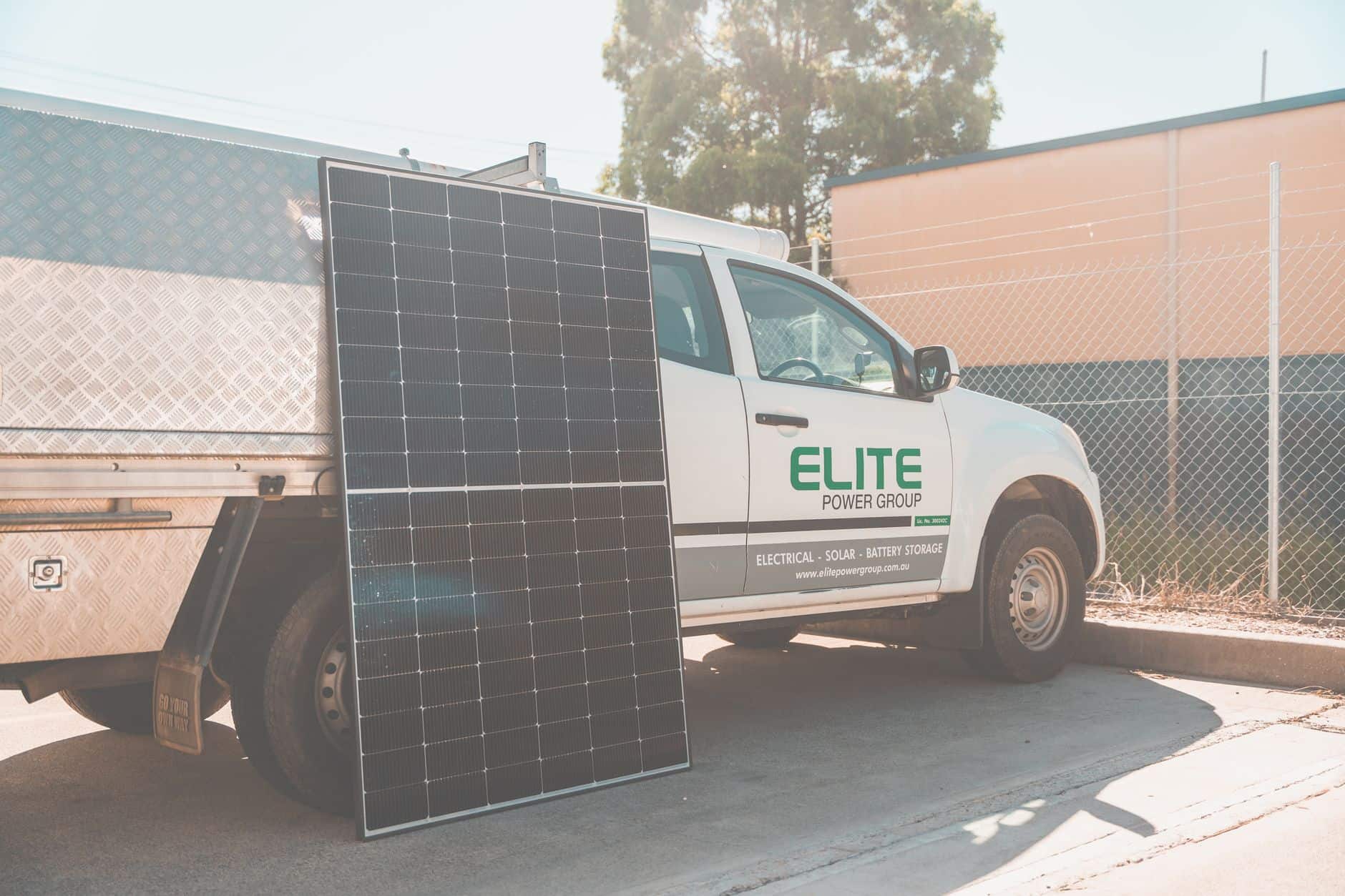
Quality‑control, warranty design and unified certification, not just cell chemistry, determine whether BESS projects stay bankable over a 20‑year life.
UK Picks Pumped Hydro & Batteries for LDES
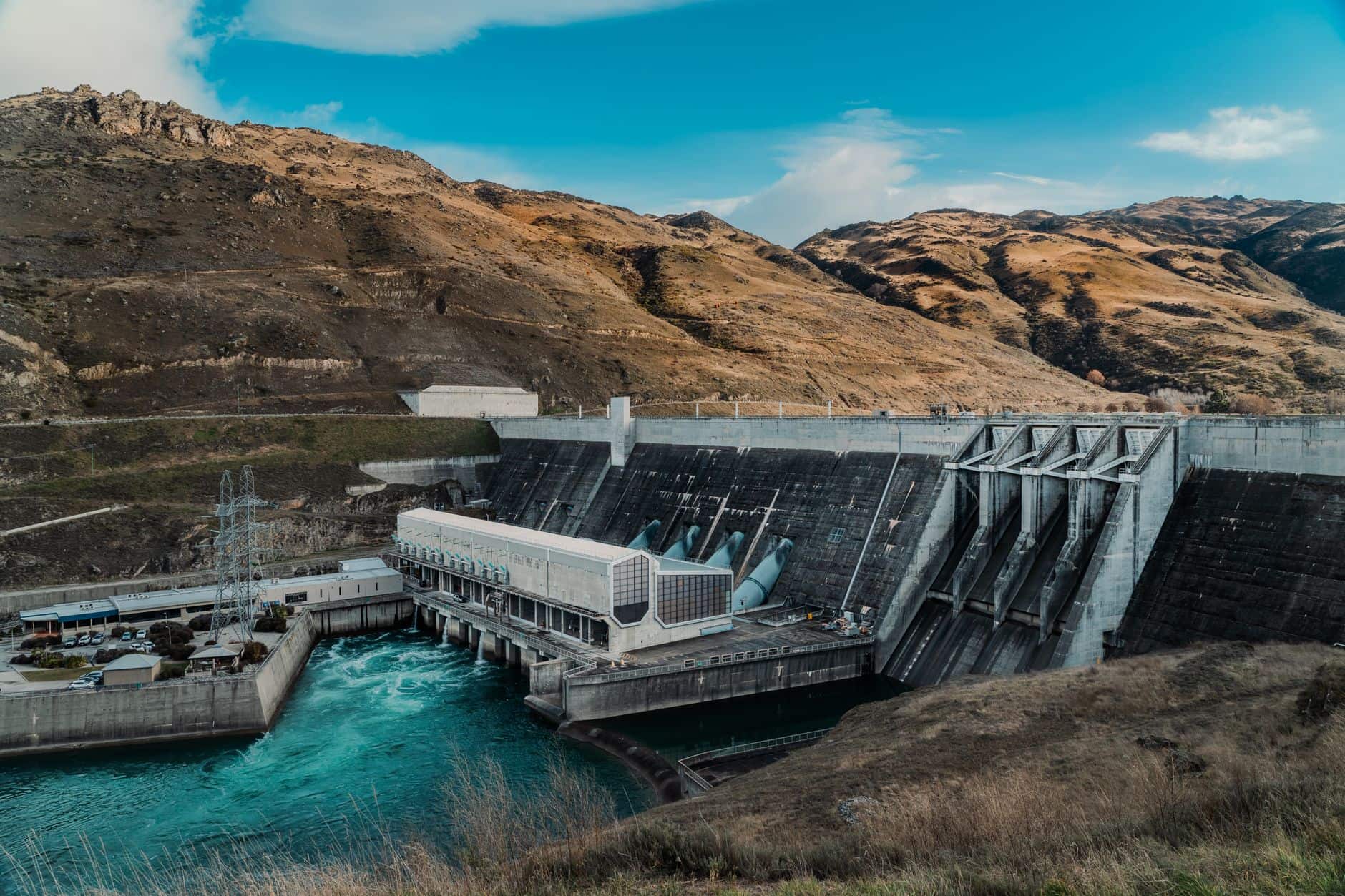
Ofgem has provisionally selected 16 long‑duration storage projects, with pumped‑hydro (3.6 GW) and lithium‑ion batteries (11 projects) emerging as the clear winners.
Argentina Battery Auction Hits $7,400/MW‑Month
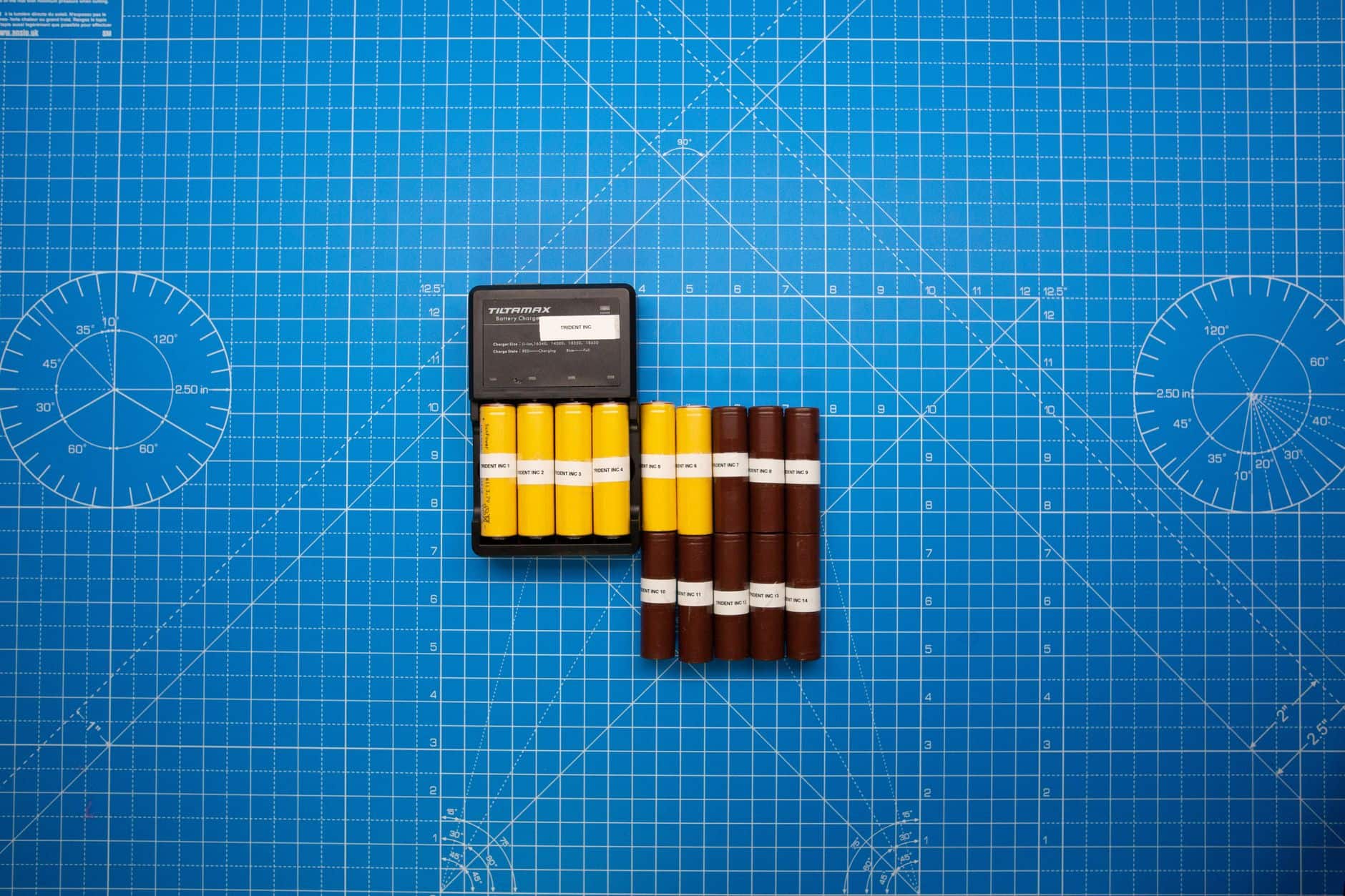
Argentina’s AlmaSADI battery storage auction received bids as low as $7,397 per MW‑month, about 15% under the $12,500 price cap, with a weighted‑average of $10,568 /MW‑month across 232 qualified proposals.
Sungrow PowerHarbor: All‑In‑One Home Battery Inverter
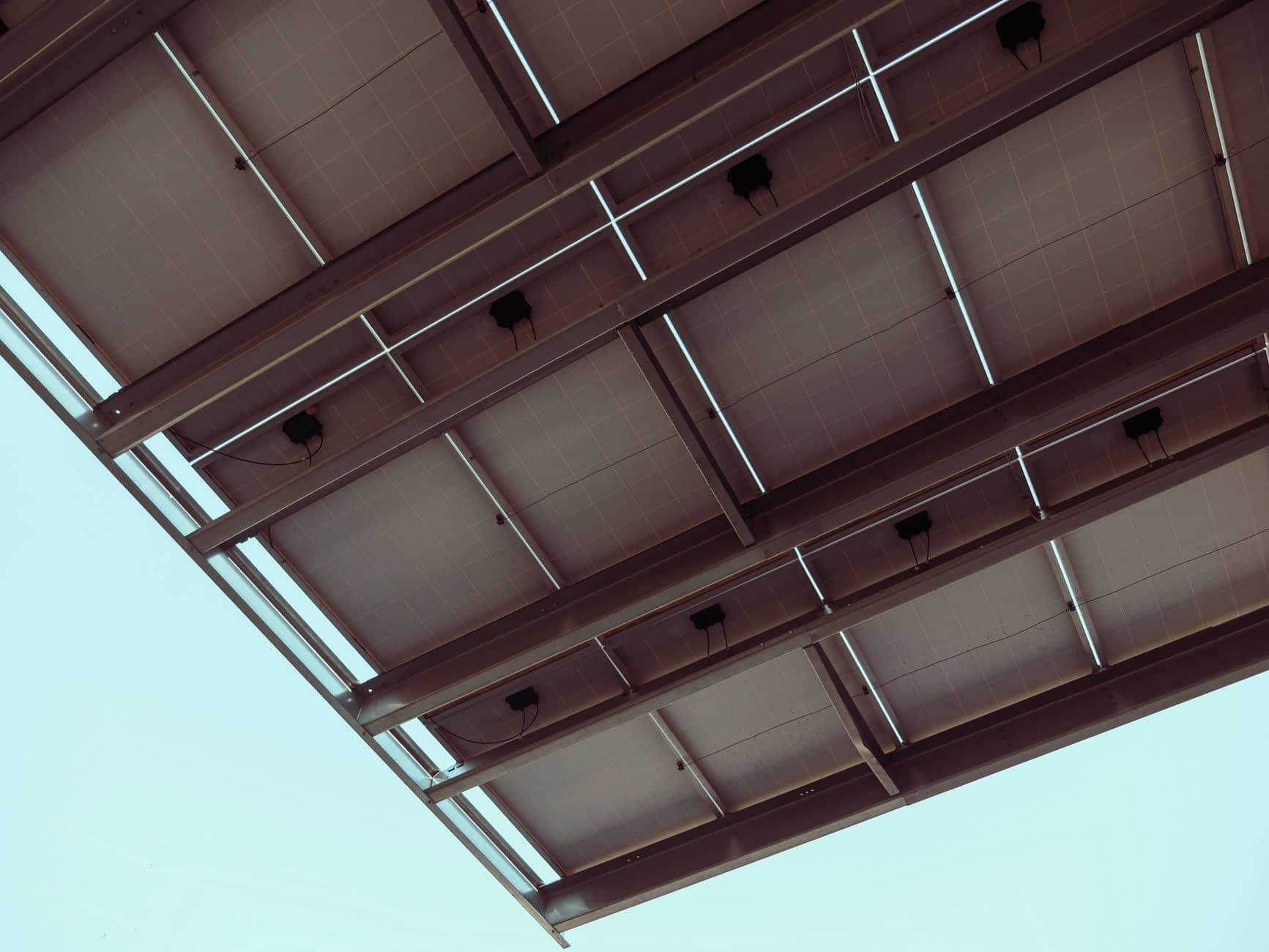
Sungrow’s PowerHarbor all‑in‑one hybrid inverter delivers 10‑30 kW power, modular LiFePO₄ storage up to 120 kWh, AI‑driven optimisation and built‑in backup, promising sub‑four‑year payback for a typical Israeli rooftop.