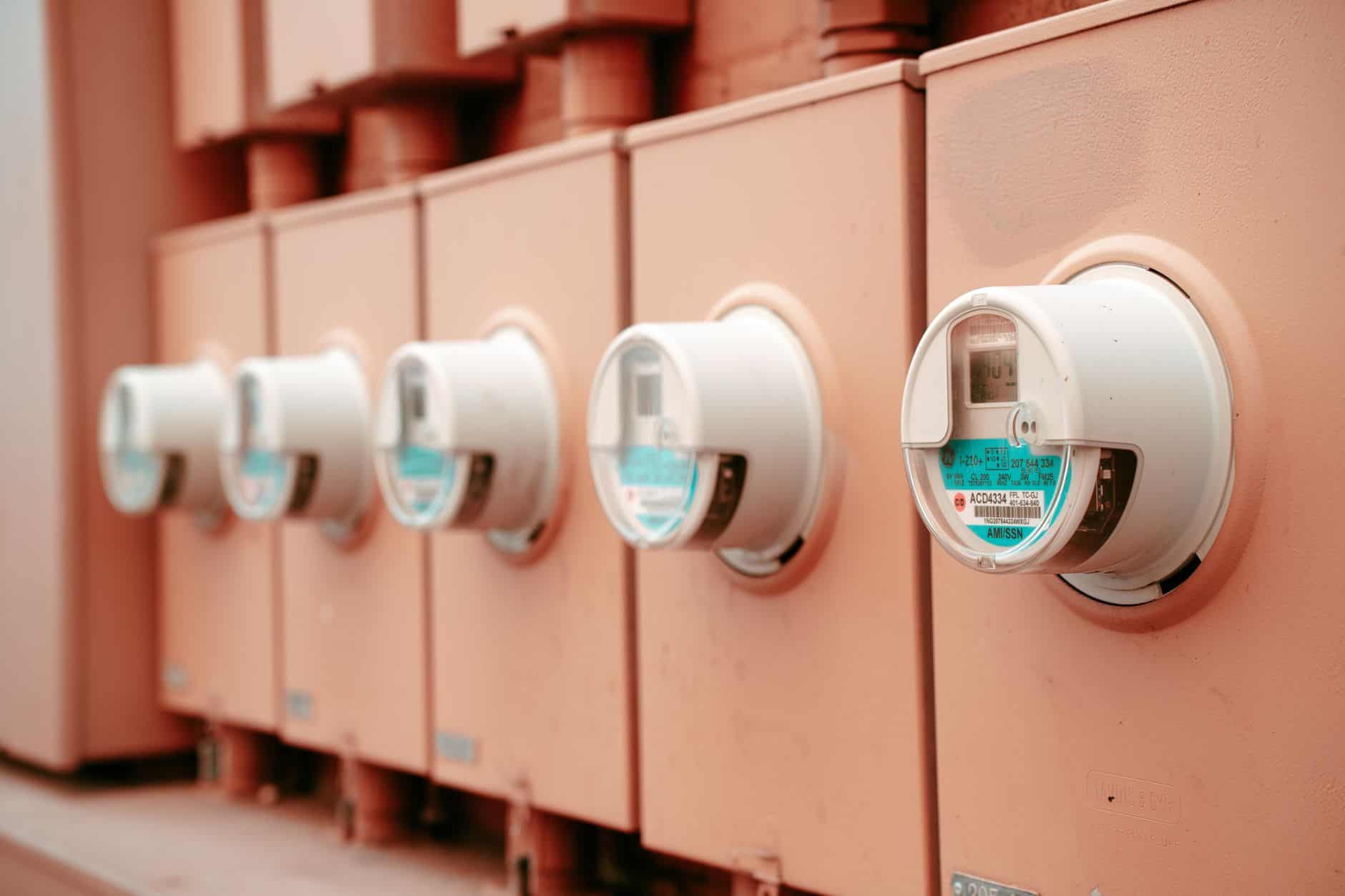
Israel Pauses New Data‑Center Power Connections
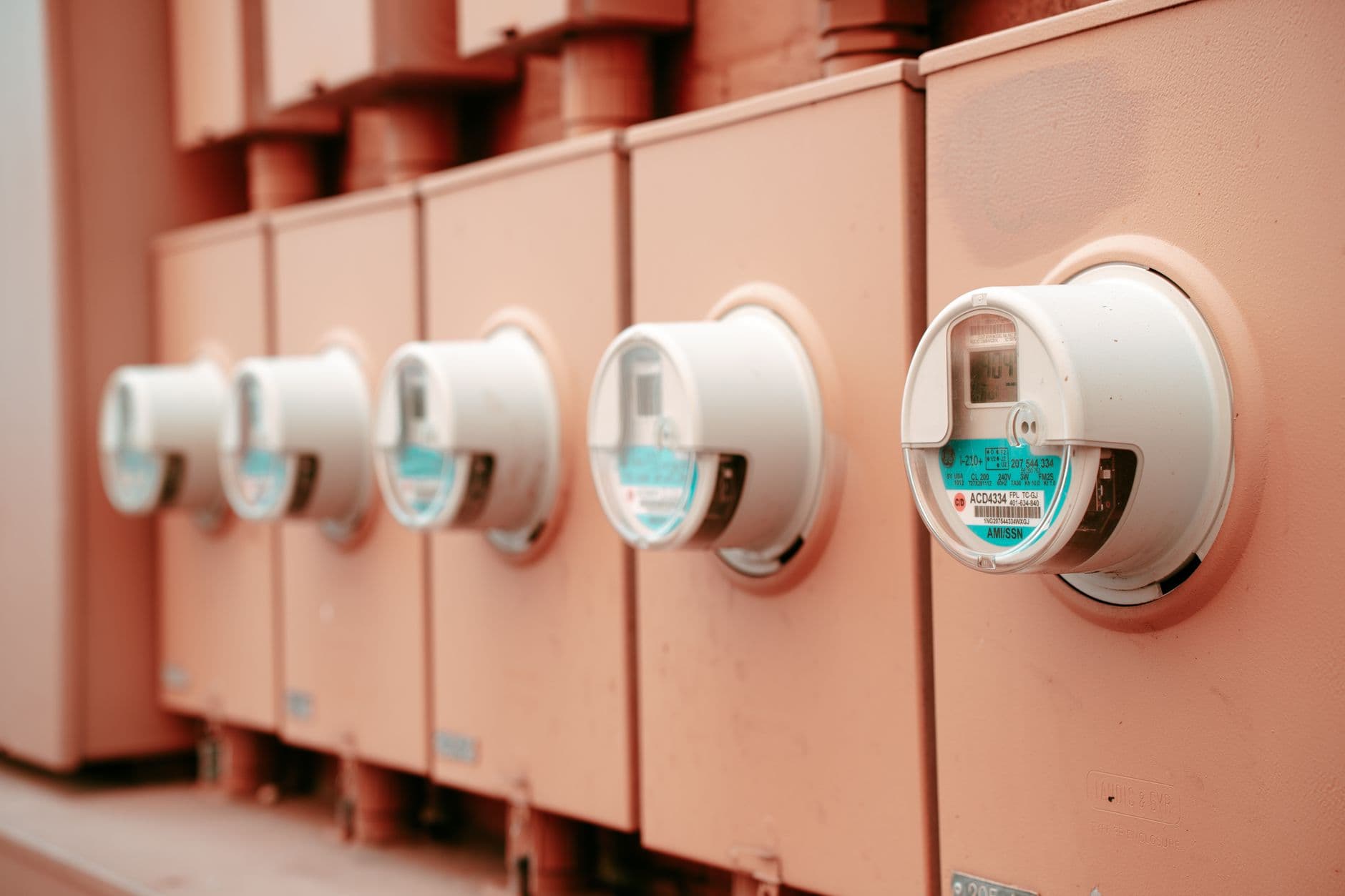
Regulator Halts New Server Farm Connections – What Happened?
The Electricity Authority announced a 140‑day suspension on granting new power‑connection permits to server farms after applications piled up to request 27,000 MW of capacity, which could represent about 10 % of Israel’s total electricity consumption if fully approved. The authority had already committed 1,500 MW to existing and pending data‑center projects, and the freeze is intended to prevent a sudden overload of the national grid(Globes)(Globes).
Why Data Centers Are Power Hungry
A single modern data centre can consume as much electricity as a medium‑sized Israeli city. Global estimates put data‑center electricity use at ≈1 % of total world electricity and rising, with the International Energy Agency projecting a steady increase to 2035(IEA). In Israel, large AI‑focused server farms require substantial power, putting pressure on an already tight grid, especially during peak summer loads(CalcalistTech).
How the 140‑Day Freeze Affects the Market
The pause means developers must re‑submit detailed grid‑impact studies and wait for the authority’s assessment before any new connection can be approved. Companies that had already secured land and financing now face delayed roll‑outs and higher financing costs. Some analysts warn that the bottleneck could push investors to look abroad unless the grid is upgraded or alternative power sources are secured(Statista).
Solar Power as a Solution to Grid Stress
Solar‑energy advocates argue that co‑locating solar farms with data centres can shave peak‑hour demand from the grid. The Ministry of Finance’s interim recommendations explicitly call for geographic dispersion of data centres toward regions with abundant solar generation(AI Israel). A 10 MW solar plant in the Arava, with an annual yield of 2,200 kWh/kWp, would produce about 22 GWh per year, offsetting a modest share of a large data centre’s consumption. Moreover, solar‑plus‑storage can supply dispatchable power during evening peaks when data‑centre loads remain high.
What It Means for Israel
Using the typical Israeli solar figures, a 10 MW (10,000 kW) solar installation in the central region would generate:
- Annual energy: 10,000 kW × 1,700 kWh/kWp ≈ 17 GWh.
- Value at residential tariff: 17 GWh × ₪0.48/kWh ≈ ₪8.2 million per year.
- Installation cost: 10 MW × ₪3,150/kWp ≈ ₪31.5 million.
- Simple payback: ~3.9 years, after which the plant yields virtually cost‑free electricity for the remaining 21 years of its 25‑year life.
While the electricity generated by a single 10 MW solar farm represents a small fraction of a large data centre’s total demand, scaling such installations could meaningfully reduce grid stress and defer costly upgrades.
Outlook: Policy, Infrastructure, and Renewable Integration
The regulator’s pause is a warning signal that Israel’s grid must evolve faster than data‑centre demand is growing. Upcoming legislation aims to classify AI‑focused server farms as national infrastructure, streamlining planning but also mandating grid‑impact mitigation(Knesset). Meanwhile, the government’s push for renewable‑energy‑linked data‑centre projects—such as Enlight’s $1.1 billion integrated solar‑data‑centre tender in the Ashkelon region(Alternative Energy Reporter)—suggests a policy shift toward co‑locating clean power with high‑load users.
If Israel can align solar‑plus‑storage solutions with data‑centre siting, the country could avoid a sizable share of projected grid‑capacity additions, preserve its reputation for attractive energy prices, and meet its 30 % renewable electricity target for 2030 while supporting the AI and tech sector.
What It Means for Israel (quick recap)
- A 10 MW solar farm in central Israel yields ~17 GWh/yr, worth ~₪8.2 M at the residential tariff.
- Installation costs ~₪31.5 M, giving a payback of under 4 years.
- Deploying multiple such farms can help ease the load on the grid for large data‑centre projects.
Stay updated with our live solar ROI calculator [/calculator] and data‑centre market dashboard [/data] for the latest figures.
Sources & further reading
FAQ
Why did the Electricity Authority halt new server‑farm permits?
Because applications for up to 27,000 MW of new capacity could add roughly 10 % to Israel’s total electricity load, threatening grid stability.
How much electricity does a typical data centre consume?
A 500 MW AI‑focused data centre uses about 4 TWh per year, comparable to the electricity demand of a medium‑sized Israeli city.
Can solar power help reduce data‑centre grid demand?
Yes— a 10 MW solar plant in the Arava can generate ~22 GWh annually, offsetting around 0.5 % of a 500 MW data centre’s consumption.
What is the payback period for a typical Israeli solar installation?
A 10 kWp residential system in central Israel pays back in about 3.9 years, based on a ₪0.48/kWh tariff and a cost of ₪3,150/kWp.
What policy changes are being discussed for AI data centres?
Legislation aims to designate AI server farms as national infrastructure, speeding planning while requiring renewable‑energy mitigation measures.
Will the 140‑day freeze affect existing data‑centre projects?
Existing connections remain, but any new projects must wait for the freeze to lift and provide detailed grid‑impact studies.
Share this post
More from Policy
6
Croatia’s First Solar Energy Community Launches
Prva energetska zajednica u Hrvatskoj u Špičkovini sada isporučuje 32 kW krovne solarne energije u mrežu, smanjujući račune članova za otprilike polovicu i prepolovljavajući njihove početne troškove.

Israel’s Gas Push Fuels Settlement Solar Debate
The Palestinian Energy Authority views Israel’s new gas infrastructure as a tool for settlement expansion, while the resulting lower electricity costs could boost solar‑panel adoption and help meet renewable targets.
Stalled Solar Law Threatens Israeli Projects
The solar‑energy law stalled in the Knesset could cancel dozens of projects and add significant extra costs for developers, while also lengthening payback periods for rooftop owners.
Solar Reward Tariffs End 2026 – Grab the Deal Now
Israel’s Ministry of Energy guarantees the highest residential solar feed‑in tariff only until the end of 2026, urging homeowners to install rooftop panels now and lock in a premium rate.
Israel's Solar Rules Shift – What Changes?
Israel will soon mandate solar panels on new buildings and adjust tariffs, keeping residential feed‑in rates around ₪0.48/kWh and preserving strong economics for rooftop solar.
Greece Opens Balcony Solar Up to 800W
Greece has approved a new framework that lets households install balcony‑mounted solar panels up to 800 W and tiny stand‑alone batteries, without feeding electricity back into the grid.