Laser‑Patterned Contacts Boost TOPCon to 26%
New laser‑patterned poly‑Si fingers cut losses and lift efficiency to 26.08%
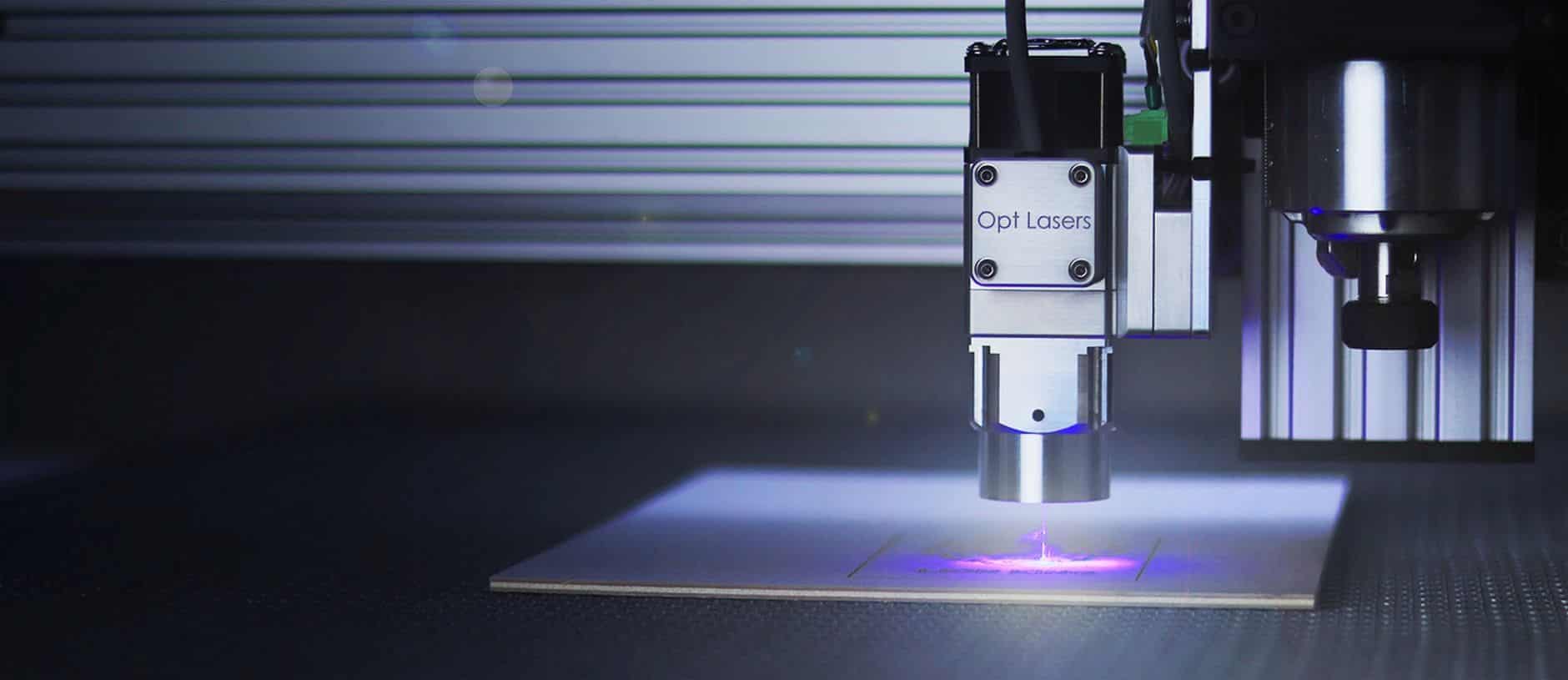
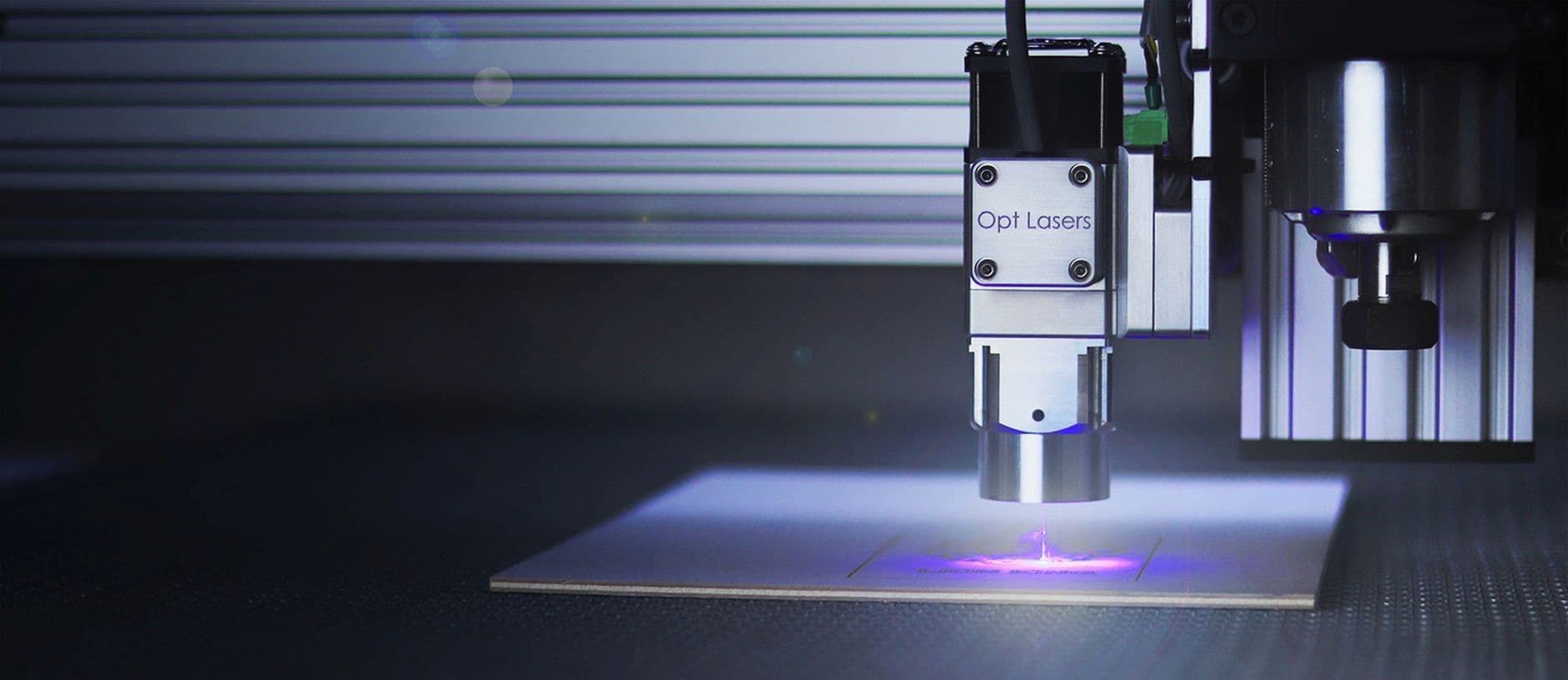
The breakthrough rear‑side patterning method developed by Yangzhou University researchers reduces parasitic absorption in the poly‑Si layer and pushes certified cell efficiency to 26.08% % – one of the highest reported for an industrial n‑type TOPCon cell. By using a picosecond green laser to selectively remove poly‑Si from non‑metalized regions and then a precision KOH wet‑etch, the team creates narrow “poly‑fingers” that keep electrical contact where needed while exposing the rear surface to light.
How the laser‑assisted poly‑finger process works
The process starts with a standard TOPCon wafer that already carries a SiOₓ/poly‑Si stack. A picosecond laser scans the rear surface, locally heating and modifying the poly‑Si so that it can be lifted away in the subsequent KOH bath. The wet‑etch creates clean gaps between the metal contacts, eliminating near‑infrared absorption that would otherwise turn photons into heat. Crucially, the laser energy density is tuned so that the poly‑Si under the metal fingers remains intact, preserving carrier‑collection pathways.
Certified 26.08% efficiency – why it matters
The champion cell measured an open‑circuit voltage of 746.1 mV, a short‑circuit current density of 14.014 A cm⁻¹ and a fill factor of 83.6 %, delivering a power conversion efficiency of 26.08% that was independently certified by Germany’s ISFH laboratory. This result shows that rear‑side optical loss can be cut without sacrificing the excellent passivation that makes TOPCon cells so efficient.
TOPCon market racing ahead – the global backdrop
The TOPCon segment is exploding: forecasts put the global market at USD 13.66 bn in 2026 and USD 29.83 bn by 2033 (Coherent Market Insights), while another analyst predicts a 23.9 % CAGR to USD 159.45 bn by 2034 (Zion Market Research). These numbers confirm that every efficiency gain, such as the 26 % cell, adds significant value for manufacturers and investors.
Balancing optical gain and electrical transport
Laser‑induced poly‑Si removal improves light transmission, but too deep a modification can damage surface passivation and raise series resistance. The researchers identified an optimal KOH etch time of 480 s and a laser overlap setting that yields uniform gaps while keeping electrical performance high. Simulations with TCAD and Quokka 3 illustrate the trade‑off between wider gaps (which increase optical gain) and the need to maintain lateral carrier transport.
What it means for Israel’s rooftop solar market
Israel’s typical residential system yields about 1,700 kWh kWp⁻¹ yr⁻¹ in the central region. A 15 kW home system using a conventional 20 % module would therefore generate roughly 25,500 kWh yr⁻¹. Replacing those modules with the new 26.08 % TOPCon cells raises the effective efficiency by a factor of 26.08 % / 20 % ≈ 1.30, lifting the annual yield to ≈ 33,150 kWh (1,700 × 1.30 × 15). At the residential feed‑in tariff of ₪0.48 /kWh, that extra 7,650 kWh translates into ≈ ₪3,700 more revenue per year. With a typical turnkey cost of ₪3,150 /kWp, a 15 kW system costs ≈ ₪47,250; the higher output shortens the simple payback from about 4 years to roughly 3 years, improving the investment case for Israeli homeowners.
Outlook – scaling the laser‑patterned rear for mass production
The authors stress that the method uses existing industrial laser tools and standard KOH baths, making it compatible with current TOPCon production lines. If manufacturers adopt the technique, we can expect commercial modules that consistently exceed 26 % efficiency, narrowing the gap to the theoretical silicon limit (~29 %). Combined with the rapid growth of the TOPCon market, this could accelerate the shift away from traditional Al‑back‑contact cells and help Israel meet its 30 % renewable electricity target for 2030.
What it means for Israel (summary)
Higher‑efficiency TOPCon modules mean more kilowatt‑hours from the same roof area, faster payback for residential solar, and a stronger contribution toward national clean‑energy goals. Homeowners can expect roughly 30 % more energy and about ₪3.5 k extra annual income per 15 kW system, while installers gain a premium product that aligns with global market momentum.
For a quick ROI estimate, try our solar calculator. For up‑to‑date market data, visit our data page.
Sources & further reading
- Which region will lead the global TOPCon solar cell market in 2026?
- TOPCon Solar Cells Market Size, Share, Growth Report, 2034
- Topcon Solar Cell Market Size, Growth, Research Reports, 2033
- TOPCon Solar Cells Market By Size, Share and Forecast 2028 | TechSci Research
- TOPCon Solar Cell Market Size ($39.2 Billion) 2030
FAQ
What is a TOPCon solar cell?
TOPCon (Tunnel Oxide Passivated Contact) cells are n‑type silicon modules that place a thin tunnel‑oxide and doped poly‑Si layer on the rear, giving excellent passivation and high efficiency.
How does laser‑patterned poly‑Si reduce losses?
The laser selectively removes poly‑Si from areas without metal contacts, eliminating near‑infrared absorption while keeping poly‑Si under the metal fingers for good carrier collection.
What efficiency was achieved?
The prototype reached a certified 26.08% power conversion efficiency, with 746 mV open‑circuit voltage, 14.014 A cm⁻¹ short‑circuit current density and 83.6 % fill factor.
Is this method ready for mass production?
Yes, it uses standard picosecond lasers and KOH baths, which are already common in wafer‑level processing, making scale‑up feasible.
How much extra energy could an Israeli home get?
A 15 kW system with the new 26 % cells would produce about 33,150 kWh per year, roughly 7,650 kWh more than a typical 20 % module.
What does this mean for my solar bill?
At Israel’s residential tariff of ₪0.48/kWh, the extra 7,650 kWh adds about ₪3,672 of revenue each year, shortening the payback period by several months.
Share this post
More from Research
6
German Lab Starts Calibrating Large‑Area Tandems
Germany’s ISFH now offers calibration for large‑area perovskite‑silicon tandem cells up to 210 mm wafers, a step that could speed high‑efficiency modules onto Israeli rooftops.

Cyber‑Shield for Solar Plants Cuts Attack Risk
A two‑stage state‑estimation framework (EC‑WLSE + EC‑SHGME) can detect up to 95 % of sophisticated false data injection attacks on utility‑scale PV plants, offering a lightweight, hardware‑free cyber shield.
27.3% Perovskite Cell Sets New Efficiency Record
A Chinese research team reached 27.3% efficiency for inverted perovskite solar cells using a dual‑molecule interface, with solid stability and scalability that may benefit Israeli solar installations.

Cold‑Frame Solar Boosts Lettuce 3‑Fold
Semi‑transparent CdTe panels in repurposed crates raised lettuce yields up to 300 % and generate about 213 kWh of electricity per year per frame.

Mild Oxalic Acid Boosts Indium Recycling from Solar Panels
A French CEA‑Liten process recovers 97 % of indium from HJT solar panels in just four hours using mild oxalic acid, also freeing valuable silver.
Silver Paste Tuning Gains 1% Efficiency
Tuning the PbO/SiO₂ ratio in silver‑paste glass frit to 6 reduces contact resistance and lifts crystalline silicon cell efficiency by about 1 percentage point.