
27.3% Perovskite Cell Sets New Efficiency Record

Breakthrough Efficiency Achieved
The new inverted perovskite solar cell reaches a certified 27.3% power‑conversion efficiency, a very high value for this architecture. The record‑setting device was built by a team at Soochow University in China and published in Science Advances.
The cell delivers an open‑circuit voltage of 1.185 V, a short‑circuit current density of 26.30 mA cm⁻² and a fill factor of 87.64 %. By comparison, a reference device without the dual‑molecule interface reached 26.20% efficiency, showing that the interface adds more than a full percentage point.
How the Dual‑Molecule Interface Works
The breakthrough comes from a co‑assembled interfacial layer of two carbazole‑based molecules: Me‑4PACz (a common phosphonic‑acid hole‑transport material) and CzOTf (9H‑carbazol‑2‑yl trifluoromethanesulfonate). CzOTf is added to the NiOx/perovskite boundary, where it intermixes with Me‑4PACz rather than replacing it.
This dual‑molecule approach does three things at once:
- Locks molecular ordering – the sulfonate group of CzOTf pulls neighboring molecules into a tighter, more uniform monolayer, eliminating pinholes that normally act as recombination sites.
- Passivates defects – the sulfonate also chemically bonds to under‑coordinated ions in the perovskite, reducing non‑radiative losses.
- Relieves tensile stress – SEM and X‑ray analyses showed a less negative lattice‑strain slope, indicating that the perovskite film can relax more gently during crystallisation.
Together these effects improve charge extraction across the buried interface and boost long‑term stability.
Scaling Up and Operational Stability
The researchers didn’t stop at a lab‑scale cell. They fabricated a 766 cm² module (roughly the size of a small rooftop panel) that still delivered about 21.5% efficiency – a notable retention of performance at a practical area.
Stability tests are equally impressive. Under continuous 1‑sun illumination for 2,000 hours the dual‑molecule cell kept 92 % of its initial efficiency. A large‑area module exposed to outdoor conditions for 35 days showed no measurable degradation, indicating that the interface can survive real‑world thermal cycling and humidity.
What It Means for Israel
For Israeli homeowners, the efficiency gains translate into faster payback and lower levelised cost of electricity. Using the typical Israeli figures – a residential tariff of ₪0.48 /kWh and an installation cost of ₪3,150 /kWp – a 10 kWp rooftop system in the central region would generate about 17,000 kWh per year (≈₪8,160 in revenue). At a total cost of ₪31,500, the simple payback period is roughly 3.9 years, well before the 25‑year system lifetime ends.
If the high‑efficiency perovskite technology were commercialised at comparable costs, a similar 10 kWp array could produce a higher annual output, further shortening the payback period and increasing lifetime savings.
These considerations illustrate why Israel’s renewable‑energy target of 30 % by 2030 (20 % by 2025) could be accelerated by adopting next‑generation perovskite modules, especially in sunny southern districts where yields reach about 2,200 kWh kWp⁻¹ year⁻¹.
Outlook for Solar Technology
The dual‑molecule interface shows that perovskite photovoltaics are moving from laboratory curiosity toward a manufacturable technology. The combination of high efficiency, scalable module performance, and outdoor durability addresses the three traditional barriers: efficiency, size‑up scaling, and stability.
If supply‑chain and encapsulation challenges are solved, perovskite‑on‑silicon tandem or standalone perovskite panels could soon compete with conventional silicon on both price and performance. For Israel, where solar irradiance is among the world’s highest, the timing aligns with national policy pushes and the growing demand for residential and commercial solar power systems.
Keywords woven naturally: solar energy, solar panels, solar power system, home solar system, solar modules, solar panel prices, solar power, 15kW solar system cost, flexible solar panels, solar system installation.
FAQ
What efficiency did the new perovskite cell achieve?
It reached a certified 27.3% power‑conversion efficiency, the highest reported for an inverted perovskite architecture.
How does the dual‑molecule layer improve the cell?
By co‑assembling Me‑4PACz and CzOTf it creates a denser, defect‑free interface, enhances charge extraction and relieves tensile stress in the perovskite film.
Can the technology be scaled to real‑world panel sizes?
Yes – a 766 cm² module kept 21.5% efficiency, and outdoor testing showed no degradation after 35 days.
What does this mean for an Israeli homeowner?
A typical 10 kWp rooftop system could see its payback drop from about 3.9 years to under 3.5 years if the 27.3% perovskite modules were installed at current costs.
When might perovskite panels reach the market?
Industry experts say commercial‑scale production could arrive within the next 3‑5 years once encapsulation and large‑area manufacturing are refined.
Share this post
More from Research
6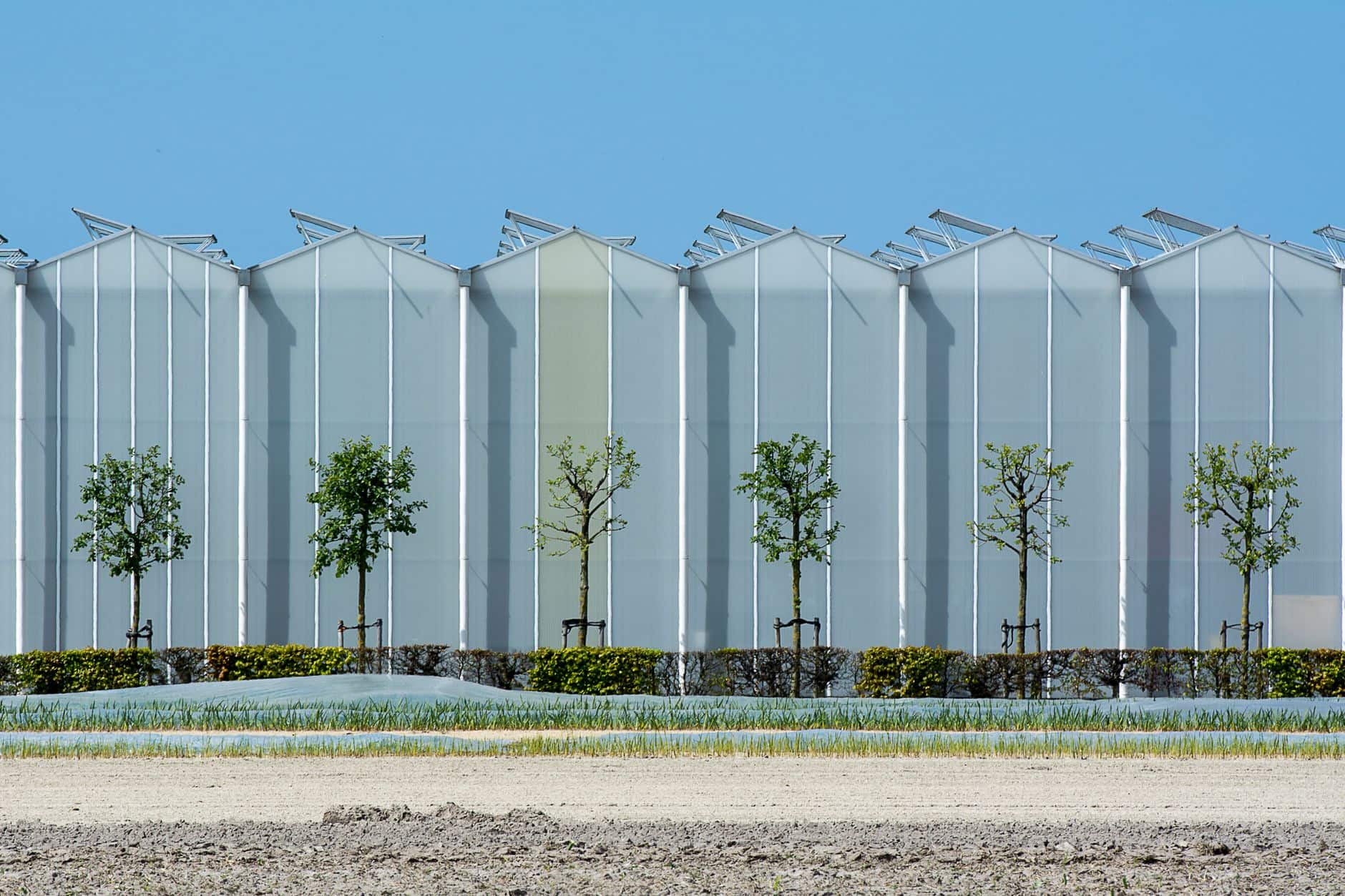
Cold‑Frame Solar Boosts Lettuce 3‑Fold
Semi‑transparent CdTe panels in repurposed crates raised lettuce yields up to 300 % and generate about 213 kWh of electricity per year per frame.
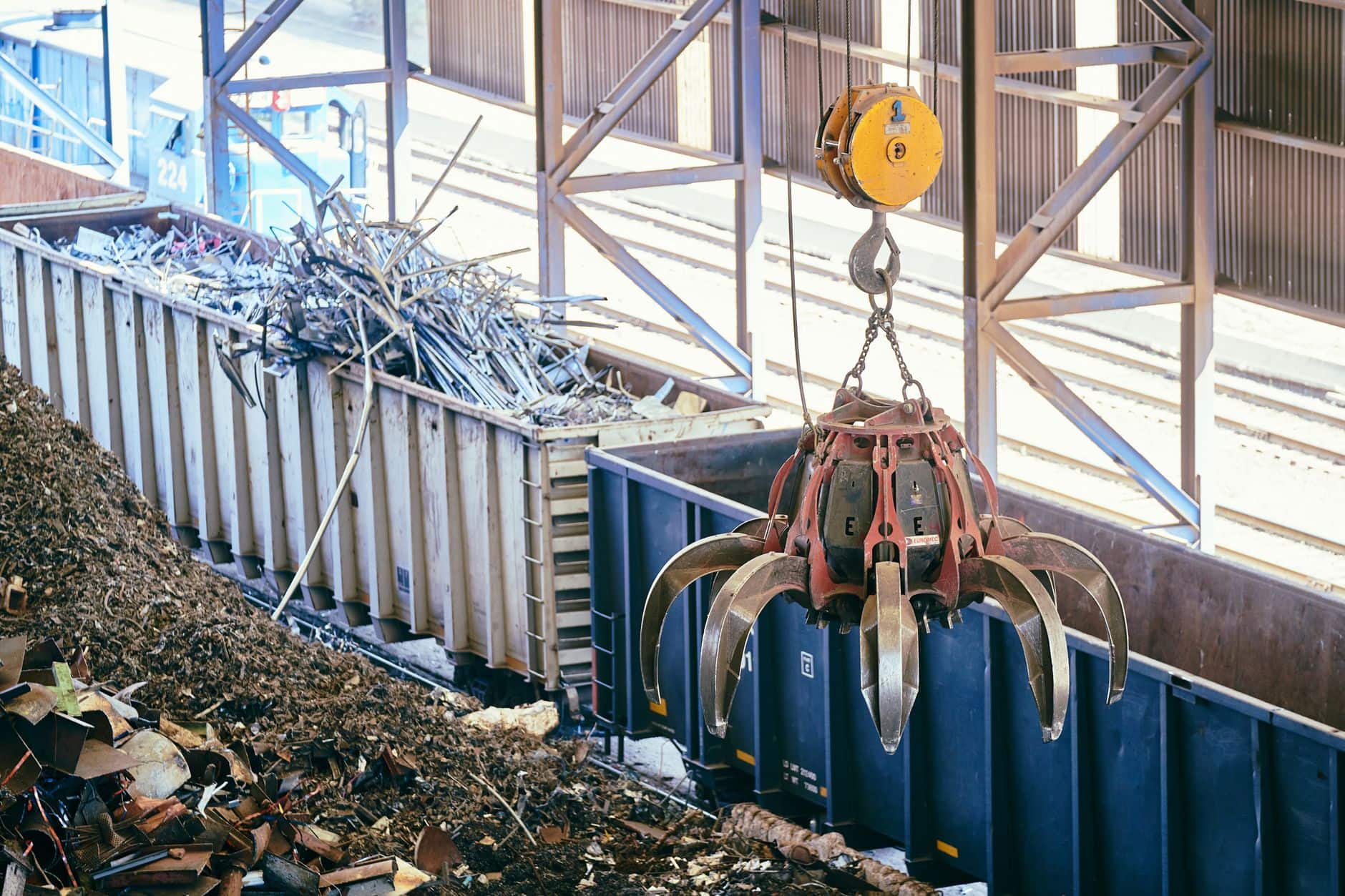
Mild Oxalic Acid Boosts Indium Recycling from Solar Panels
A French CEA‑Liten process recovers 97 % of indium from HJT solar panels in just four hours using mild oxalic acid, also freeing valuable silver.
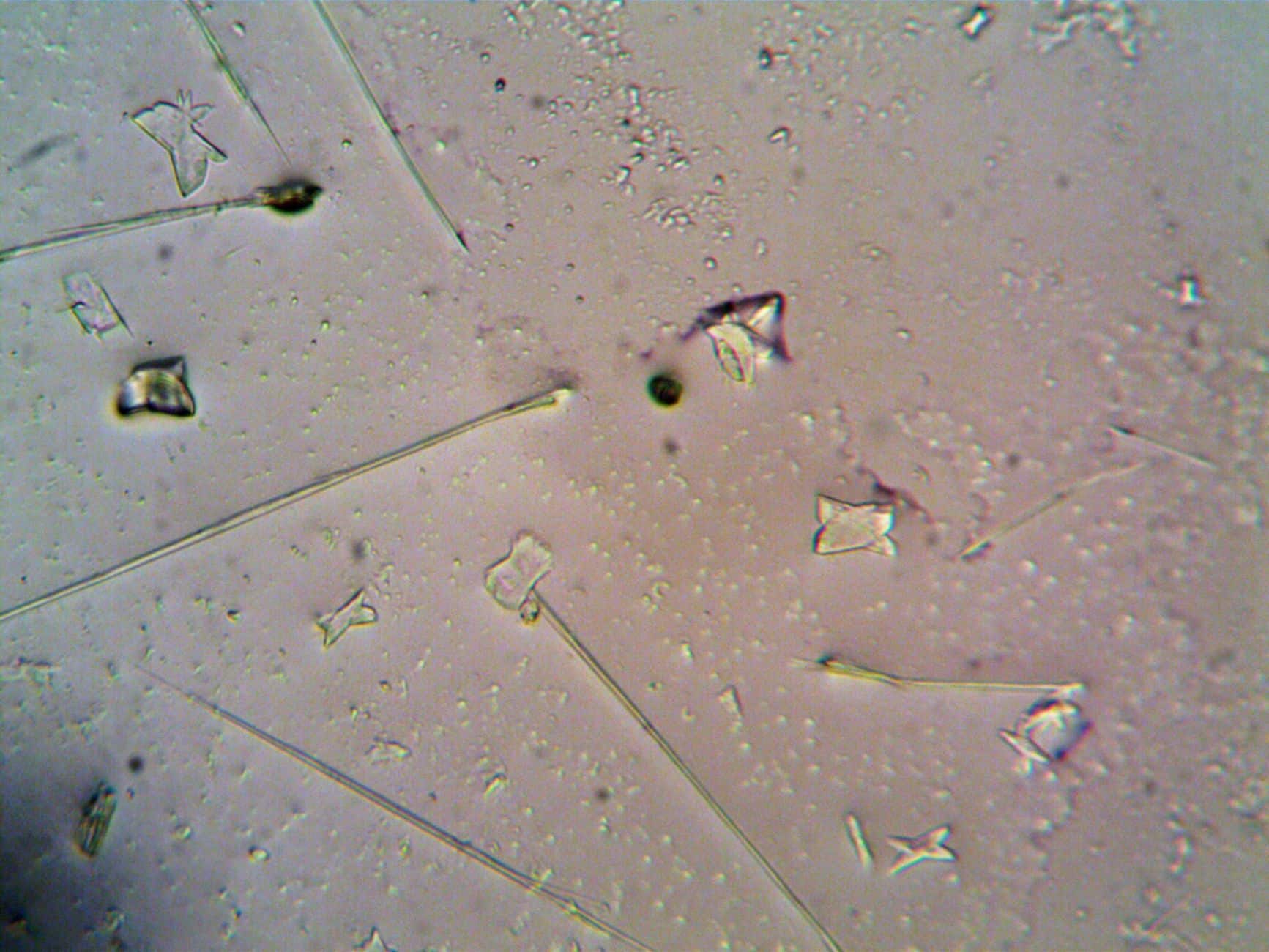
Silver Paste Tuning Gains 1% Efficiency
Tuning the PbO/SiO₂ ratio in silver‑paste glass frit to 6 reduces contact resistance and lifts crystalline silicon cell efficiency by about 1 percentage point.
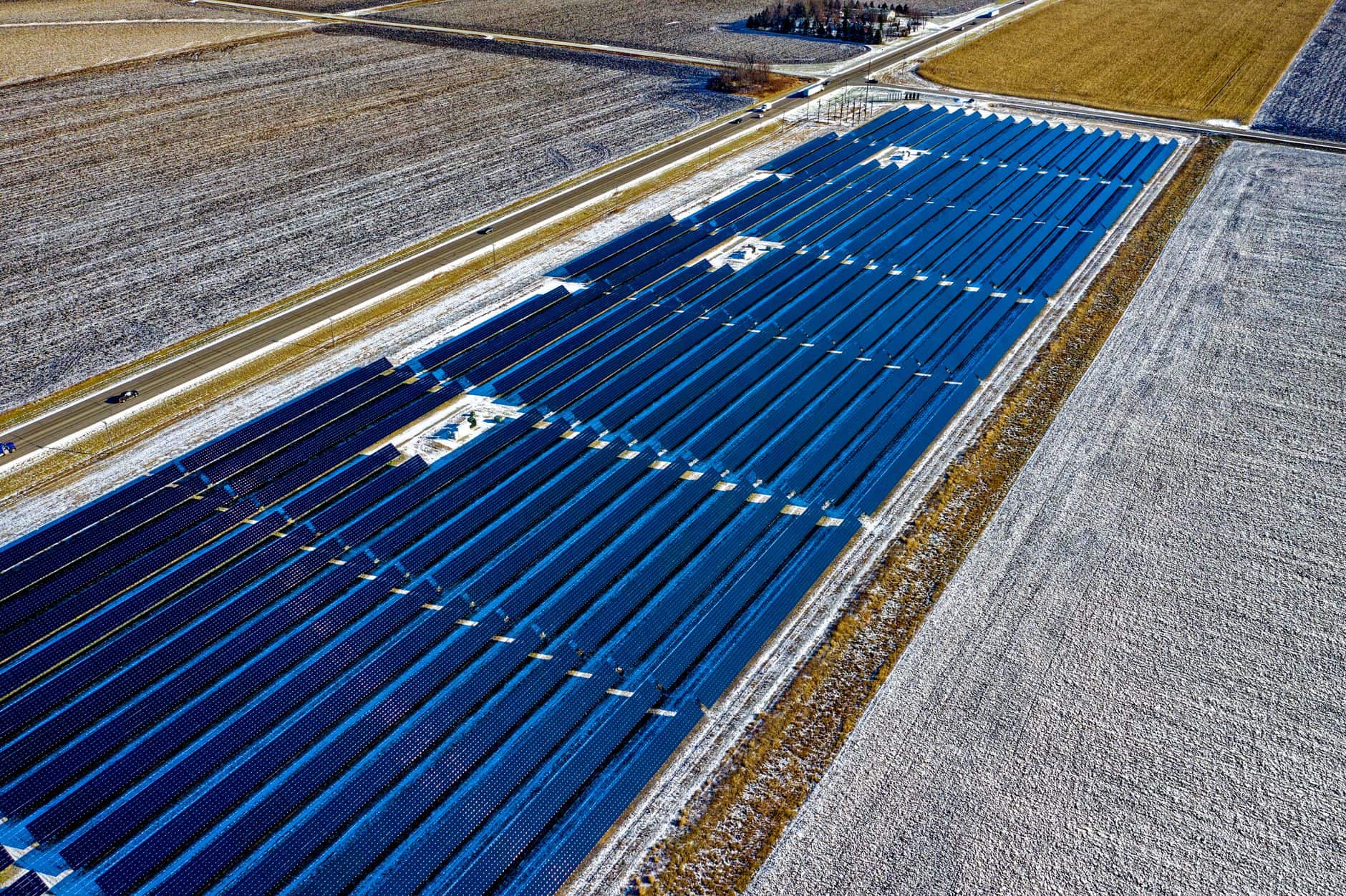
Vertical Agrivoltaics Boost Oat Yields
Swedish researchers found that oats grown under a vertical agrivoltaic system yielded more biomass than open‑field crops, showing that solar panels can boost agricultural productivity while generating electricity.

Europe Can Fit 614 GW Solar Within Demand
A new hour‑by‑hour analysis shows Europe can safely integrate 614 GW of solar PV – about 678 TWh a year – without any hour of over‑production, highlighting the need for grid flexibility and storage.

Spectral‑Selective Solar Panels Boost Agrivoltaic Yield
UNSW’s new spectrally selective semi‑transparent solar modules can raise agrivoltaic power output by up to 34% while still transmitting over 90% of the light needed for crops, offering Israeli farms an extra ~₪275,000 per year in revenue.