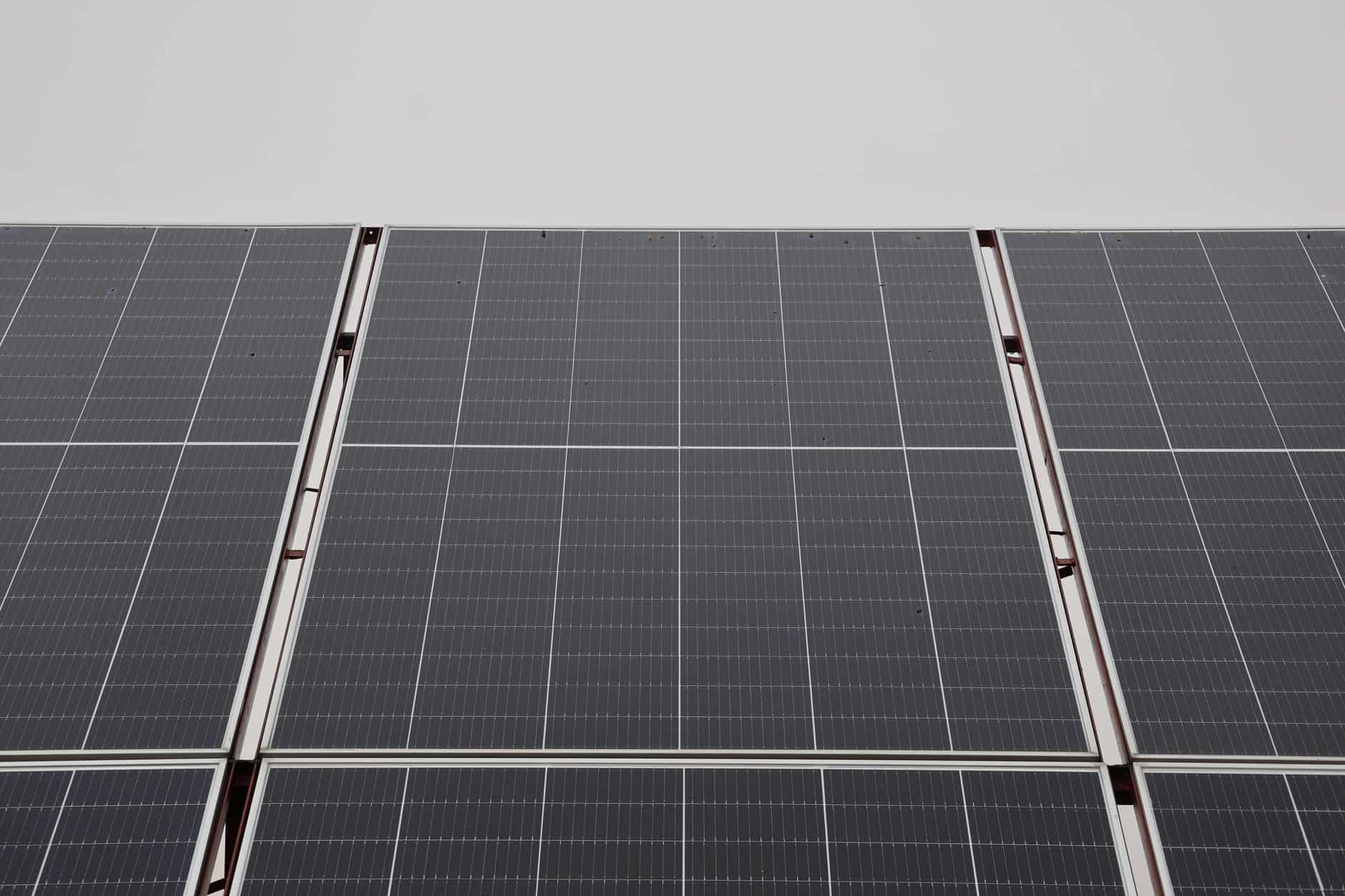
German Lab Starts Calibrating Large‑Area Tandems
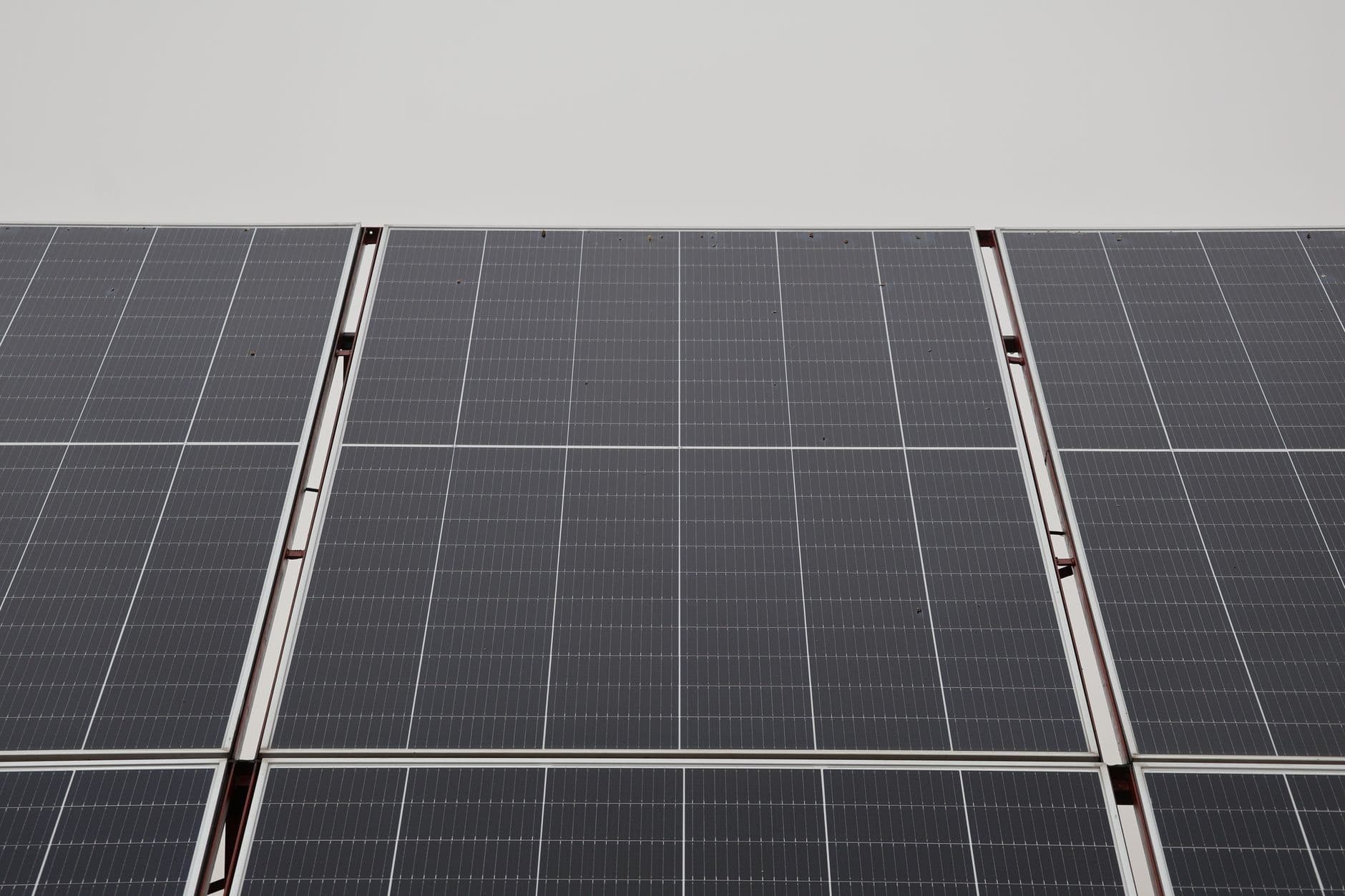
ISFH now calibrates perovskite‑silicon tandems up to 210 mm (G12) wafers
The Institute for Solar Energy Research Hamelin (ISFH) announced that its CalTeC centre can now certify the efficiency of large‑area perovskite‑silicon tandem solar cells the size of a G12 wafer – a square with a 210 mm edge (about 0.044 m²). This service bridges the gap between laboratory‑scale demo cells and the modules manufacturers need for commercial production.
Calibration is the trust‑engine for tandem photovoltaics
Tandem cells stack a perovskite top‑cell on a silicon bottom‑cell, so the overall performance depends on how well the two sub‑cells share the solar spectrum. ISFH’s new setup corrects sub‑cell‑specific spectral mismatch, compensates for shading by contact bars, evens out irradiance non‑uniformity across the large area, and keeps the device temperature homogeneous. As CalTeC head Karsten Bothe explains, “Specialized calibration is required to ensure that reported efficiencies are accurate, comparable, and trusted by researchers, manufacturers, and investors.” Without such traceable measurements, high‑efficiency tandems could be over‑ or under‑claimed, jeopardising financing and market rollout.
Record efficiencies prove tandems are ready for scale
Recent breakthroughs show why reliable calibration matters. LONGi recently reported a two‑terminal crystalline silicon‑perovskite tandem reaching 34.85 % conversion efficiency, while the efficiency tables compiled by Green et al. list a 34.2 % record for a 1 cm² tandem cell. Even university labs in Berlin have demonstrated 25.5 % efficiencies. These numbers are well above typical silicon‑module efficiencies and signal that tandem technology can soon compete on a cost‑per‑watt basis.
Global market momentum and Germany’s calibration edge
The tandem‑cell market is projected to explode from US$455 million in 2024 to over US$9 billion by 2034, driven by Europe’s strong R&D base – Germany alone holds a 26 % share of the European perovskite market. ISFH’s calibration capability gives German manufacturers a home‑grown, internationally recognised test bed, shortening the time from lab‑scale demo to certified commercial product. A recent dissertation on tandem metrology highlights the importance of spectral‑adjustment procedures for accurate efficiency reporting.
What it means for Israel’s solar future
Israel aims for 30 % renewable electricity by 2030, with rooftop solar a key pillar. A typical 10 kWp home system in the central region yields about 17 MWh / year, worth roughly ₪8,160 at the residential tariff of ₪0.48 /kWh and costs about ₪31,500 to install – a payback of under 4 years.
If large‑area tandem wafers achieve high efficiencies (on the order of 30 %), each wafer would generate a modest amount of power under standard test conditions, meaning that many wafers would be required to assemble a typical 10 kW rooftop system. Accurate, traceable calibration of each wafer ensures that the summed system really delivers the expected performance, protecting Israeli investors from over‑optimistic claims and helping meet the national renewable target.
For homeowners and installers, this translates into:
- Faster certification of high‑efficiency modules, shortening the time to market.
- More reliable performance guarantees, which improve financing terms.
- Potentially lower levelised cost of electricity as higher efficiencies reduce the required area and balance‑of‑system costs.
Readers can explore our own solar‑ROI calculator [/calculator] and see current Israeli market data [/data] to model the financial impact of next‑generation tandem modules.
How ISFH’s calibration works in practice
The CalTeC facility uses a calibrated reference cell and a spectrally tunable light source to mimic the solar spectrum. By measuring the current‑voltage curves of each sub‑cell separately, the system applies a spectral mismatch correction factor that aligns the test conditions with real‑world sunlight. Temperature is kept within ±0.1 °C across the wafer, and shading from metal contacts is mathematically removed from the final efficiency figure. The result is a traceable, SI‑unit‑based efficiency number that can be quoted in datasheets and investment prospectuses.
Outlook: from lab labs to commercial rooftops
With calibration now available for G12‑size tandems, manufacturers can scale up to module sizes compatible with existing inverter and mounting standards. Combined with the rapid efficiency gains and a booming global market, the next few years could see perovskite‑silicon modules appearing on Israeli rooftops, pushing the country closer to its 2030 renewable goal.
What it means for Israel – The new calibration service reduces technical risk for Israeli investors, shortens the path to higher‑efficiency rooftop installations, and supports the national target of 30 % renewable electricity by 2030.
Sources & further reading
- German researchers achieve 25.5% efficiency for perovskite-silicon...
- 34.85%! LONGi Breaks World Record for Crystalline Silicon...
- Solar cell efficiency tables (Version 64) - Green - Wiley Online Library
- Solar cell efficiency tables: Version 68 - ScienceDirect.com
- (PDF) Development of High-Efficiency and High-Stability Perovskite...
FAQ
What is a perovskite‑silicon tandem solar cell?
It stacks a thin perovskite top‑cell on a silicon bottom‑cell, letting each capture a different part of the solar spectrum and boosting overall efficiency beyond single‑junction silicon.
Why does calibration matter for tandem cells?
Tandems are sensitive to spectral mismatch and shading; calibrated measurements ensure the reported efficiency truly reflects real‑world performance, which is essential for investors and manufacturers.
What efficiency records have tandems achieved?
Recent records include 34.85 % by LONGi, 34.2 % in the Green efficiency tables, and 25.5 % by a Berlin research team.
How large is the G12 wafer format?
A G12 wafer has a 210 mm edge, giving an area of about 0.044 m² per cell.
Will this affect rooftop solar in Israel?
Accurate calibration of high‑efficiency tandem modules can lower the number of panels needed, reduce installation costs, and speed up payback for Israeli homeowners.
Share this post
More from Research
6
Cyber‑Shield for Solar Plants Cuts Attack Risk
A two‑stage state‑estimation framework (EC‑WLSE + EC‑SHGME) can detect up to 95 % of sophisticated false data injection attacks on utility‑scale PV plants, offering a lightweight, hardware‑free cyber shield.

27.3% Perovskite Cell Sets New Efficiency Record
A Chinese research team reached 27.3% efficiency for inverted perovskite solar cells using a dual‑molecule interface, with solid stability and scalability that may benefit Israeli solar installations.

Cold‑Frame Solar Boosts Lettuce 3‑Fold
Semi‑transparent CdTe panels in repurposed crates raised lettuce yields up to 300 % and generate about 213 kWh of electricity per year per frame.
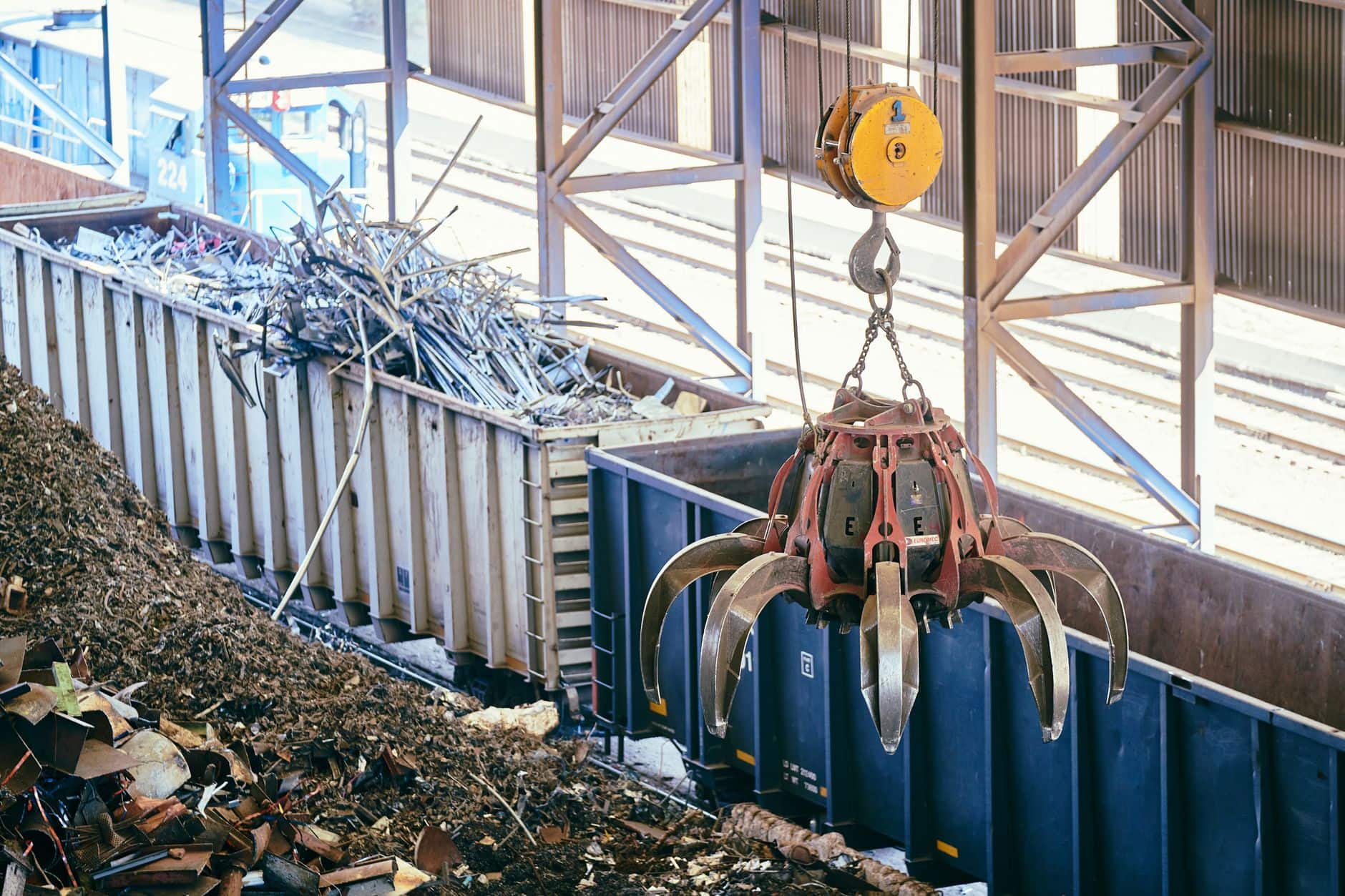
Mild Oxalic Acid Boosts Indium Recycling from Solar Panels
A French CEA‑Liten process recovers 97 % of indium from HJT solar panels in just four hours using mild oxalic acid, also freeing valuable silver.
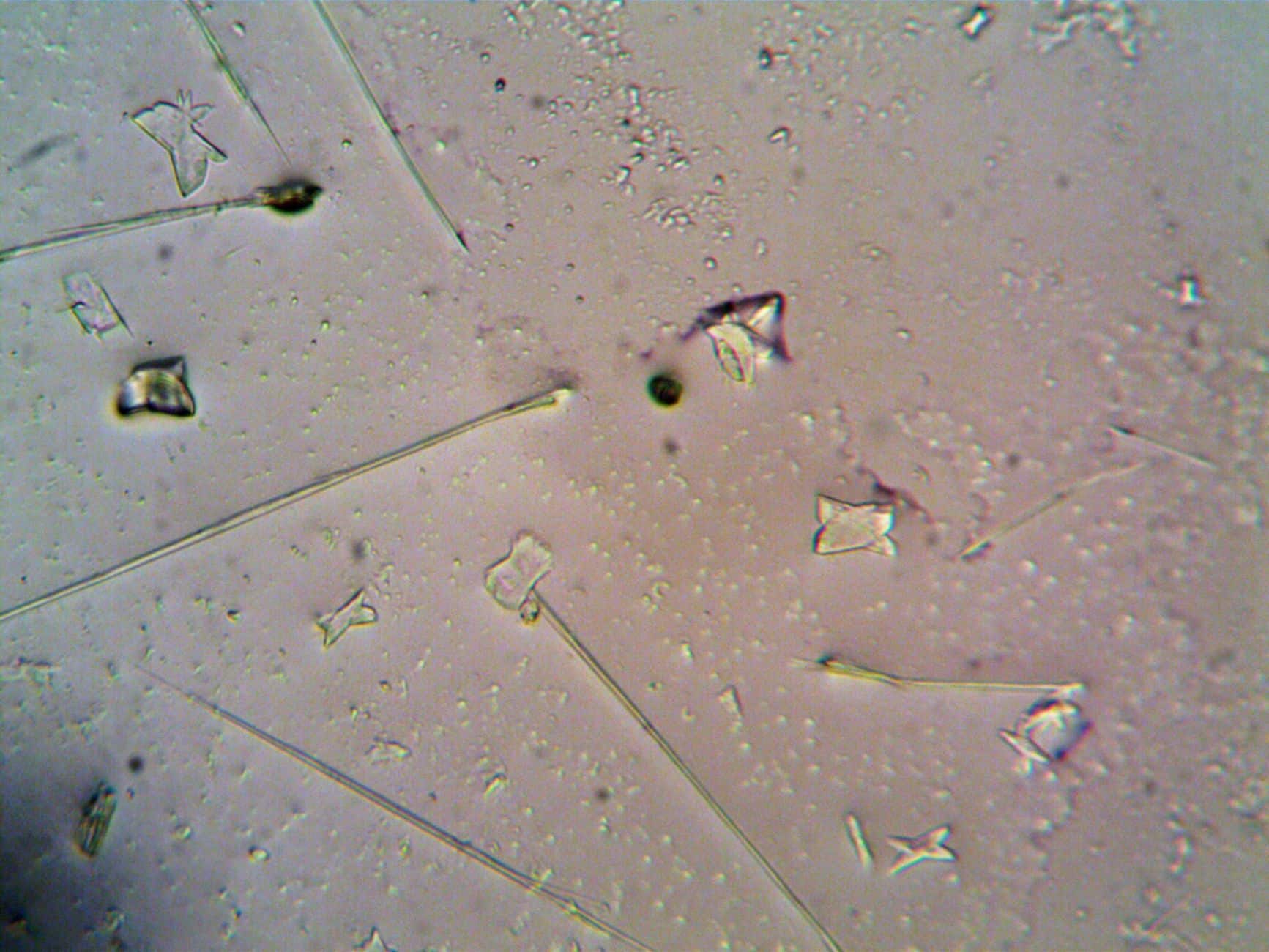
Silver Paste Tuning Gains 1% Efficiency
Tuning the PbO/SiO₂ ratio in silver‑paste glass frit to 6 reduces contact resistance and lifts crystalline silicon cell efficiency by about 1 percentage point.
Vertical Agrivoltaics Boost Oat Yields
Swedish researchers found that oats grown under a vertical agrivoltaic system yielded more biomass than open‑field crops, showing that solar panels can boost agricultural productivity while generating electricity.