Silver Paste Tuning Gains 1% Efficiency
New glass‑frit recipe lifts c‑Si cell efficiency by ~1 pp
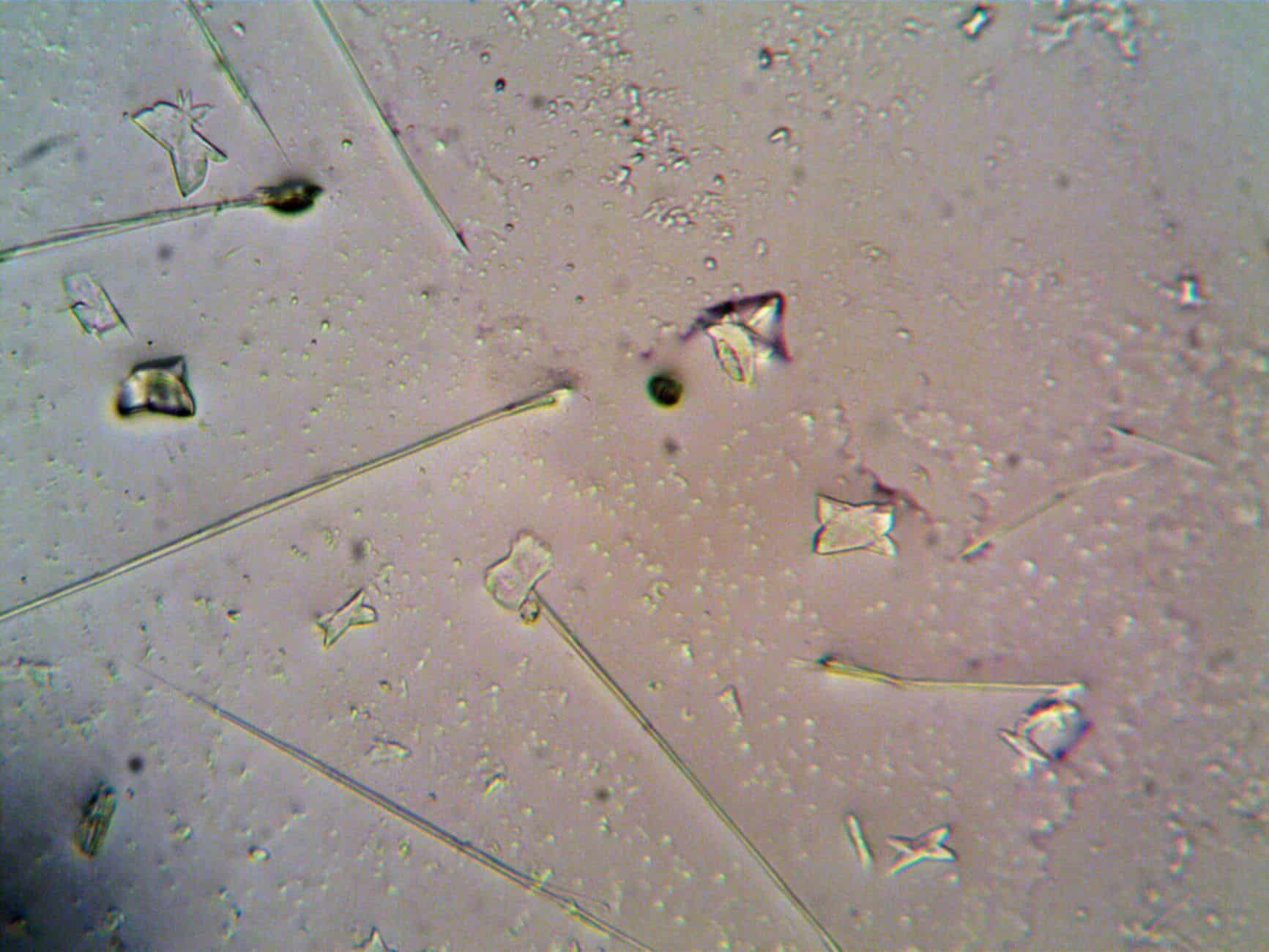
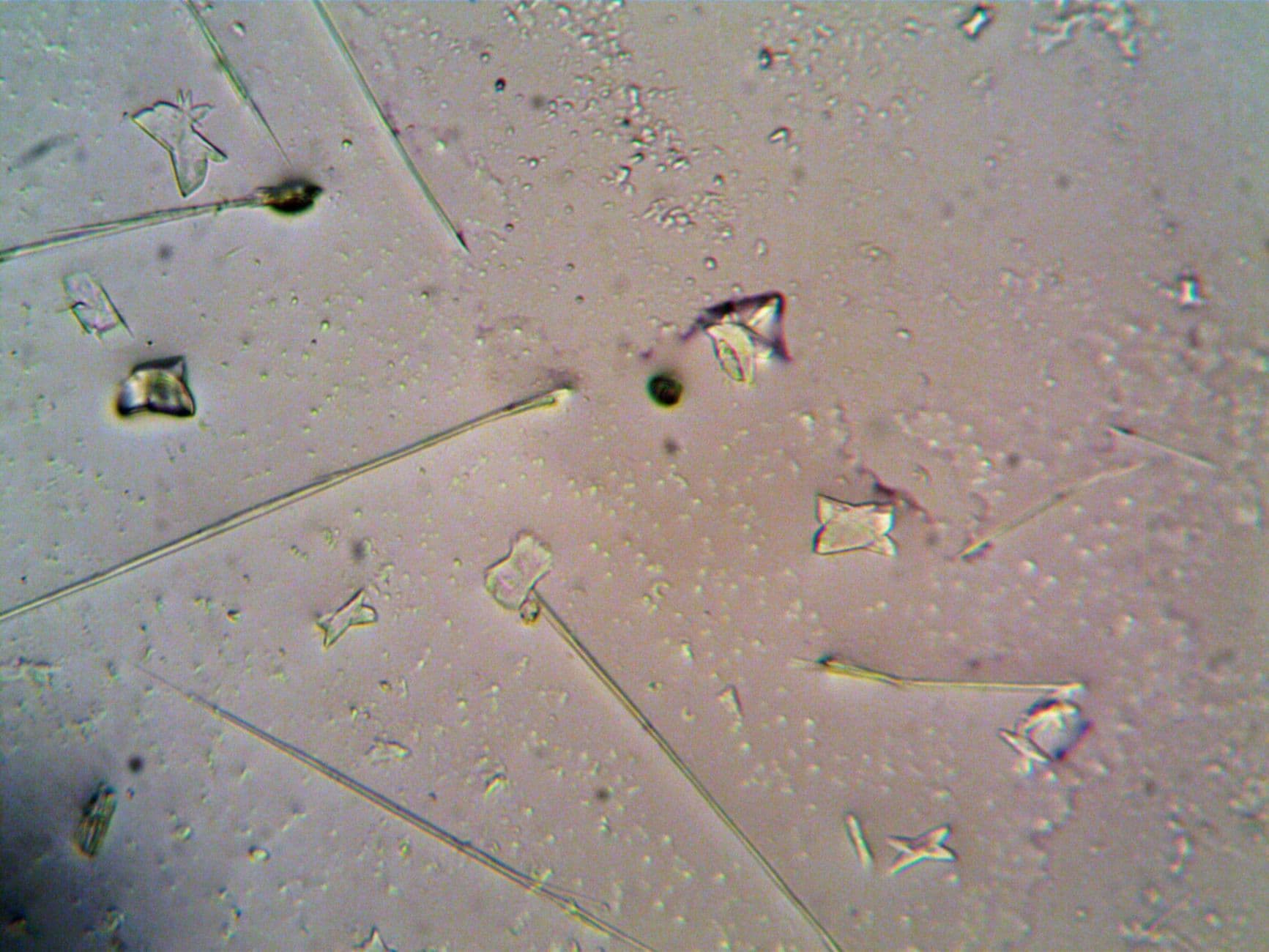
Researchers at Sichuan University showed that setting the PbO/SiO₂ molar ratio in silver‑paste glass frit to 6 (molar) cuts the Ag–Si contact resistance to 0.79 mΩ·cm² and pushes cell conversion efficiency to 23.65 %, roughly a 1 percentage‑point gain over off‑ratio samples. The result comes from an intermediate glass composition that forms a uniform 100–200 nm interfacial layer and evenly dispersed nano‑Ag crystallites.
Why the glass frit matters in silver paste
Silver paste is the conductive ink that prints the front‑side grid on crystalline silicon wafers. The glass frit inside the paste melts during the 730 °C sintering step, etches the SiNx anti‑reflection coating, and creates a thin glass film that bonds silver to silicon. SiO₂ builds the glass network, while PbO acts as a modifier that tunes viscosity and reactivity. Too much PbO makes the glass overly fluid, over‑etching the wafer; too little leaves the glass under‑melted, increasing contact resistance. This composition‑structure‑property link was also highlighted in earlier studies that linked PbO‑based frit ratios to contact resistance in Ag‑thick‑film contacts and to the reliability of metallized electrodes.
Sources & further reading
- Effect of glass frit composition on reliability of silver paste metallization in crystalline silicon solar cells - IOPscience
- Insight of Effect of Silver Powders on Silver–Silicon Contacts of Crystalline Silicon Solar Cells through Analysis of Glass Structural Decay - Zhou - 2024 - Solar RRL - Wiley Online Library
- Role of PbO-based glass frit in Ag thick-film contact formation for crystalline Si solar cells | Request PDF
- Improvement of wettability of Te-modified lead-free glass frit and its...
- Photovoltaic Silver Paste Market, Report Size, Worth, Revenue, Growth, Industry Value, Share 2025
FAQ
What is a glass frit and why is it used in solar cells?
A glass frit is a fine powder of glass‑forming oxides mixed into silver paste; it melts during sintering to create a thin glass layer that bonds the silver grid to the silicon wafer and etches the anti‑reflection coating.
How does the PbO/SiO₂ ratio affect cell performance?
The ratio controls the glass network’s viscosity and reactivity. An intermediate ratio (PbO/SiO₂ = 6) yields a continuous glass film and uniform Ag nanocrystals, lowering contact resistance and raising efficiency by ~1 pp.
What efficiency improvement was measured?
Cells made with the optimal frit reached **23.65 %** conversion efficiency, about **1 percentage point** higher than cells using other ratios.
Is this improvement relevant for commercial solar panels?
Yes – lower contact resistance means higher fill factor and lower losses, which can translate into more energy per installed kW and better economics for large‑scale production.
How fast is the silver‑paste market growing?
Global photovoltaic silver‑paste sales were about **US$ 3.1 bn in 2024** and are projected to reach **US$ 3.5 bn by 2031**, a CAGR of roughly **1.6 %**.
What does this mean for Israeli rooftop owners?
A 1 pp efficiency lift can add roughly **750 kWh / year** to a typical 10 kWp home system in central Israel, shaving about **₪ 360** off the electricity bill annually and shortening payback by almost a year.
Share this post
More from Research
6
Vertical Agrivoltaics Boost Oat Yields
Swedish researchers found that oats grown under a vertical agrivoltaic system yielded more biomass than open‑field crops, showing that solar panels can boost agricultural productivity while generating electricity.

Europe Can Fit 614 GW Solar Within Demand
A new hour‑by‑hour analysis shows Europe can safely integrate 614 GW of solar PV – about 678 TWh a year – without any hour of over‑production, highlighting the need for grid flexibility and storage.

Spectral‑Selective Solar Panels Boost Agrivoltaic Yield
UNSW’s new spectrally selective semi‑transparent solar modules can raise agrivoltaic power output by up to 34% while still transmitting over 90% of the light needed for crops, offering Israeli farms an extra ~₪275,000 per year in revenue.

Heat Pumps Run Better in Cold, Boosting Savings
Real‑world UK data shows heat pumps can become significantly more efficient in colder weather when properly commissioned, boosting SPF and reducing energy bills.
Lithium‑Nitrogen Batteries: Roadmap to Reality
Researchers from Belgium and China have mapped the technical hurdles of lithium‑nitrogen batteries and proposed a suite of solutions—from stable electrolytes to a flow‑type cell—bringing the technology closer to commercial reality.

El Niño Shifts Solar Irradiance Worldwide
A strengthening El Ñiño through 2026 will boost solar irradiance by up to +15 % in India while cutting it by about ‑10 % in western South America and East Asia, according to Solcast’s AI‑driven analysis.