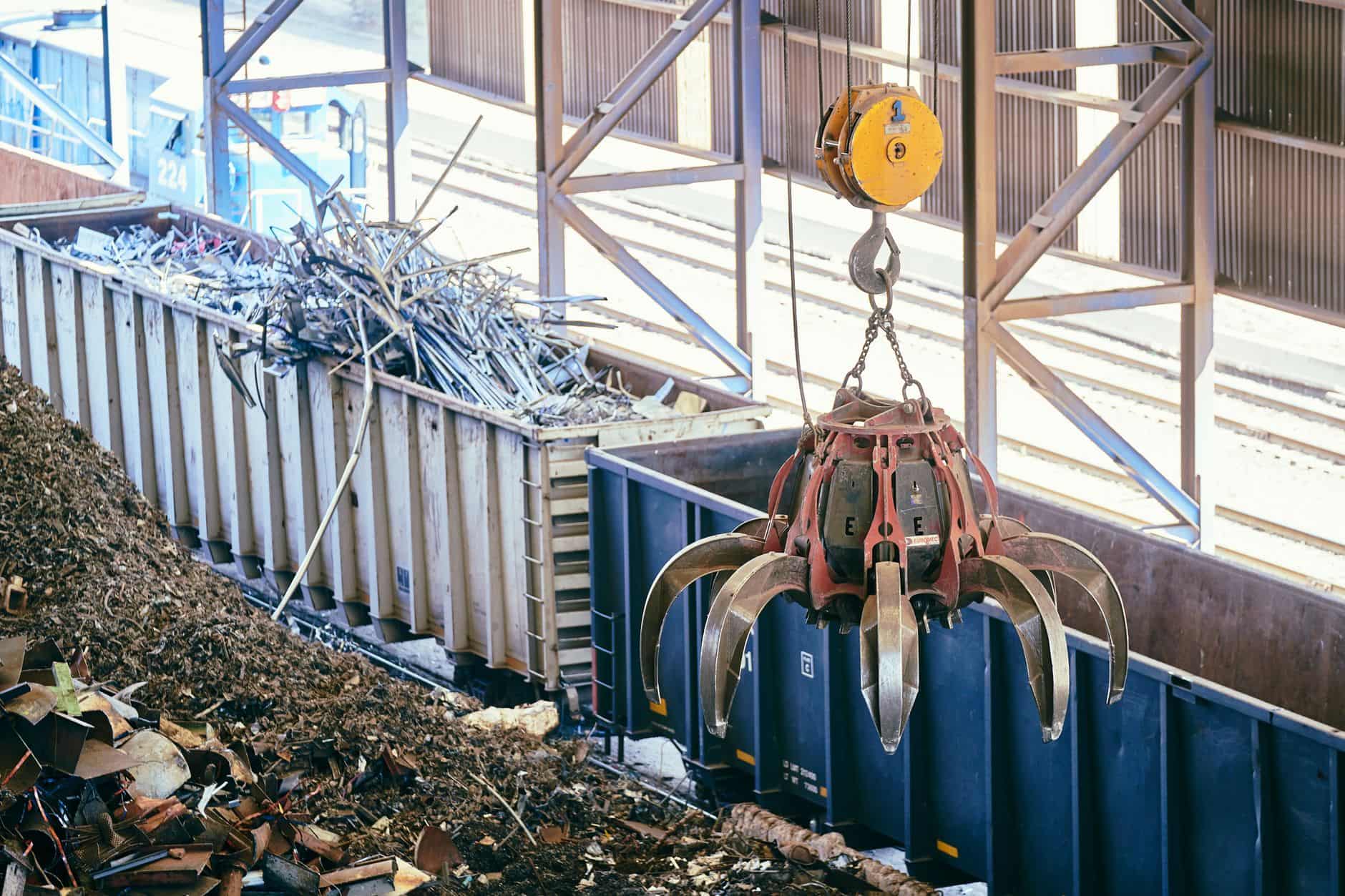
Mild Oxalic Acid Boosts Indium Recycling from Solar Panels
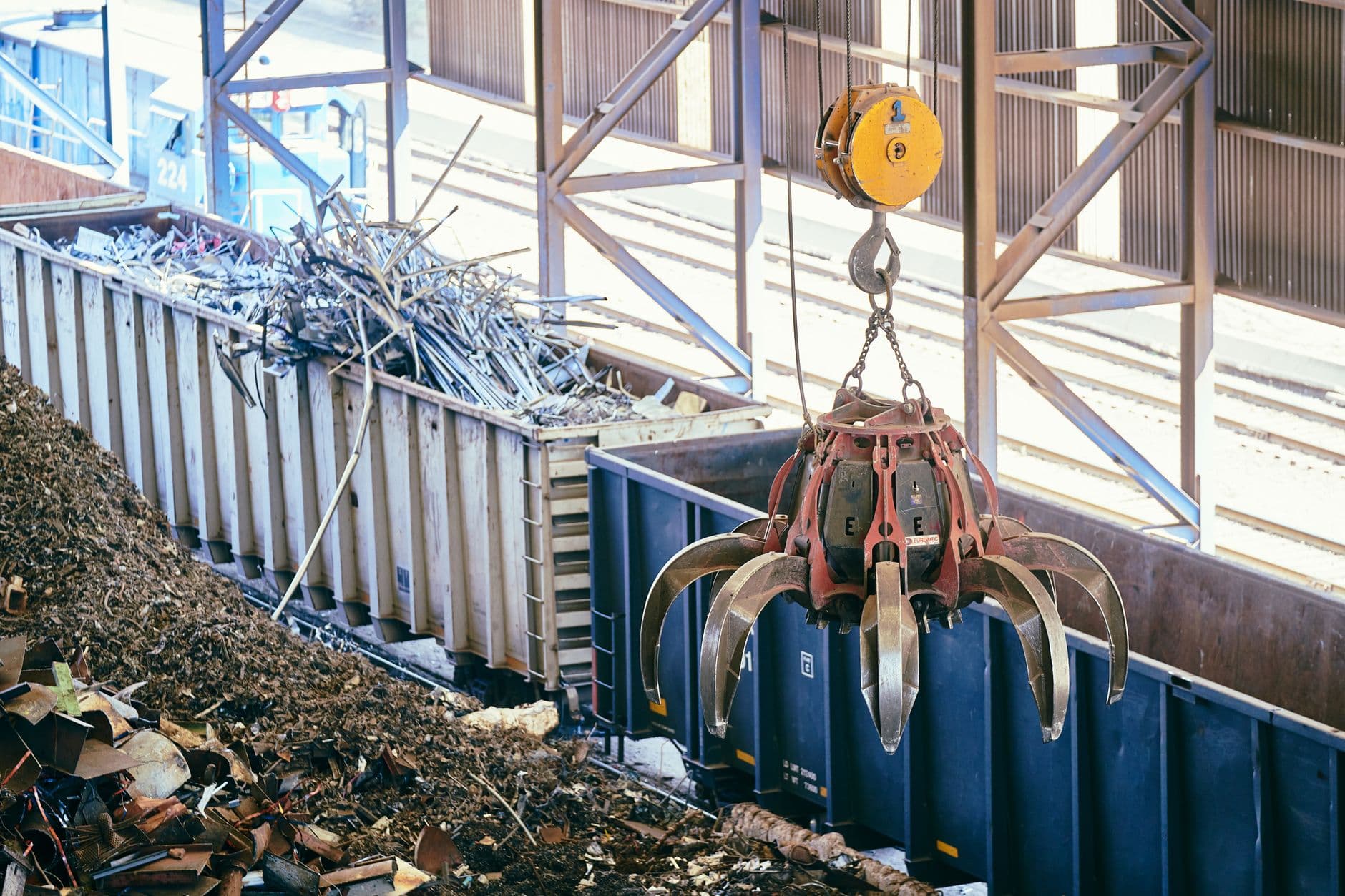
97% Indium Recovery Achieved in Just 4 Hours
The new French CEA‑Liten process recovers 97 % of indium from heterojunction (HJT) solar cells using a 0.2 M oxalic‑acid solution at 70 °C for four hours – a result reported in the peer‑reviewed paper. This high‑purity recovery (4 N indium oxide) also releases the silver grid, turning what was waste into two valuable raw materials.
The breakthrough hinges on a mild, one‑pot, two‑step leaching method that replaces hazardous mineral acids with diluted oxalic acid. Researchers crushed the HJT modules, treated the powder‑mixed slurry under controlled solid‑to‑liquid ratios, and filtered the leachate. Indium quickly forms insoluble indium oxalate, which precipitates and can be calcined to pure indium oxide, while silver detaches from the silicon wafer and can be collected separately.
Why Oxalic Acid Beats Conventional Acids
Conventional hydrometallurgical recycling typically relies on strong acids—hydrochloric, sulfuric, or nitric—often with oxidants like hydrogen peroxide. Those methods struggle to separate indium from tin and generate hazardous waste streams. In contrast, oxalic acid is less hazardous, operates under mild conditions, and drives a chemically‑controlled leaching reaction rather than a diffusion‑limited one, according to kinetic studies.
At room temperature, sulfuric acid leached indium slowly, while hydrogen peroxide accelerated dissolution. Raising the temperature to 70 °C dramatically increased yields for all acids, and oxalic acid delivered high early‑stage leaching (97 % in 4 h) before precipitation reduced the dissolved fraction. The researchers noted that the activation‑energy calculations confirmed the reaction is surface‑controlled, making the process scalable without aggressive agitation or high‑pressure equipment.
Independent Confirmation and Market Context
The 97 % recovery figure aligns with the original peer‑reviewed paper in Solar Energy Materials and Solar Cells and is echoed in a separate study that reported ≈85 % final indium recovery from SHJ cells after full processing, highlighting the robustness of the approach (source 1). A broader review of indium recycling pathways underscores the strategic importance of such technologies: indium is an important raw material for HJT panels, and its limited reserves make efficient recovery essential for a circular PV economy (source 2).
Market analyses show the global ITO market valued at $2.8 billion in 2025, projected to reach $4.6 billion by 2034, driven partly by photovoltaic demand (source 8). Recovering indium from end‑of‑life panels could therefore alleviate supply pressures and reduce the environmental footprint of new module production.
What It Means for Israel
Israel’s solar sector is expanding rapidly, with home rooftop systems averaging 10 kWp in the central region. Using the typical residential tariff of ₪0.48 /kWh, a 10 kWp system yields about 17 MWh / year, worth ₪8,160 annually. The typical installation cost is about ₪31,500 (₪3,150 /kWp). If the indium‑containing ITO layer were reclaimed via the CEA‑Liten method, the recovered indium would provide a modest material value that could help offset part of the system cost, contributing to Israel’s 30 % renewable electricity target for 2030.
Environmental Upside
Recovering indium and silver reduces the need for primary mining, which is energy‑intensive and generates significant CO₂ emissions. Each kilowatt‑hour of solar electricity avoids ~0.5 kg CO₂, and recycling the ITO layer further cuts the embodied carbon of new panels. A circular approach therefore supports national climate goals.
Outlook and Next Steps
The CEA‑Liten team plans to extend the oxalic‑acid protocol to other In₂O₃‑based materials, such as transparent conductive layers in touchscreens and OLED displays. Scaling up will require pilot‑scale reactors, integration with existing PV‑module recycling streams, and economic assessments of the silver‑recovery side‑product. As global demand for indium rises, the technology offers a low‑hazard, high‑yield pathway that could become a standard step in the PV‑end‑of‑life chain.
What It Means for Israeli Homeowners
For a typical Israeli homeowner with a 10 kWp rooftop system, the indium recovered from the panel’s ITO layer could provide a modest offset to the installation cost, slightly improving the payback period. While the monetary impact per household is small, the cumulative effect across many installations adds up, reinforcing Israel’s push toward a 30 % renewable electricity mix by 2030.
Bottom Line
The mild oxalic‑acid process delivers near‑complete indium recovery (97 % in 4 h) while also liberating silver, offering a greener, safer alternative to traditional acid leaching. Its adoption could ease raw‑material constraints, lower PV‑module carbon footprints, and provide modest economic benefits to Israel’s growing rooftop solar market.
For deeper calculations, see our solar ROI calculator and the latest market data on our data page.
Sources & further reading
- Efficient recycling of indium and direct extraction of silver grids from...
- The Role of Oxalic Acid in the Leaching System for Recovering...
- (PDF) Sustainable Valuable Materials from Waste Heterojunction Solar...
- Global Indium Tin Oxide Market | 2024 - 2030 | Ken Research
- Indium Tin Oxide (ITO) Market Research Report 2033 - Dataintelo
FAQ
How much indium can be recovered from a typical HJT solar panel?
The new CEA‑Liten method pulls out about 97 % of the indium, leaving only a trace amount behind.
Why is oxalic acid preferred over hydrochloric or sulfuric acid?
Oxalic acid is milder, less hazardous, and drives a chemically‑controlled leaching reaction that efficiently separates indium from tin.
Does the process also recover other metals?
Yes, the silver grid detaches during leaching and can be collected as a valuable by‑product.
What impact could this have on Israel’s solar market?
If applied to Israel’s growing HJT rooftop fleet, the recovered indium could shave a few months off the typical 3.9‑year payback for a 10 kWp system.
Is the recovered indium pure enough for reuse?
The process yields 4 N (≈99.99 %) indium oxide, which can be calcined and reused in new transparent conductive layers.
Are there any commercial pilots of this technology?
The researchers are planning pilot‑scale trials and aim to extend the method to other indium‑based materials, but large‑scale deployment is still pending.
Share this post
More from Research
6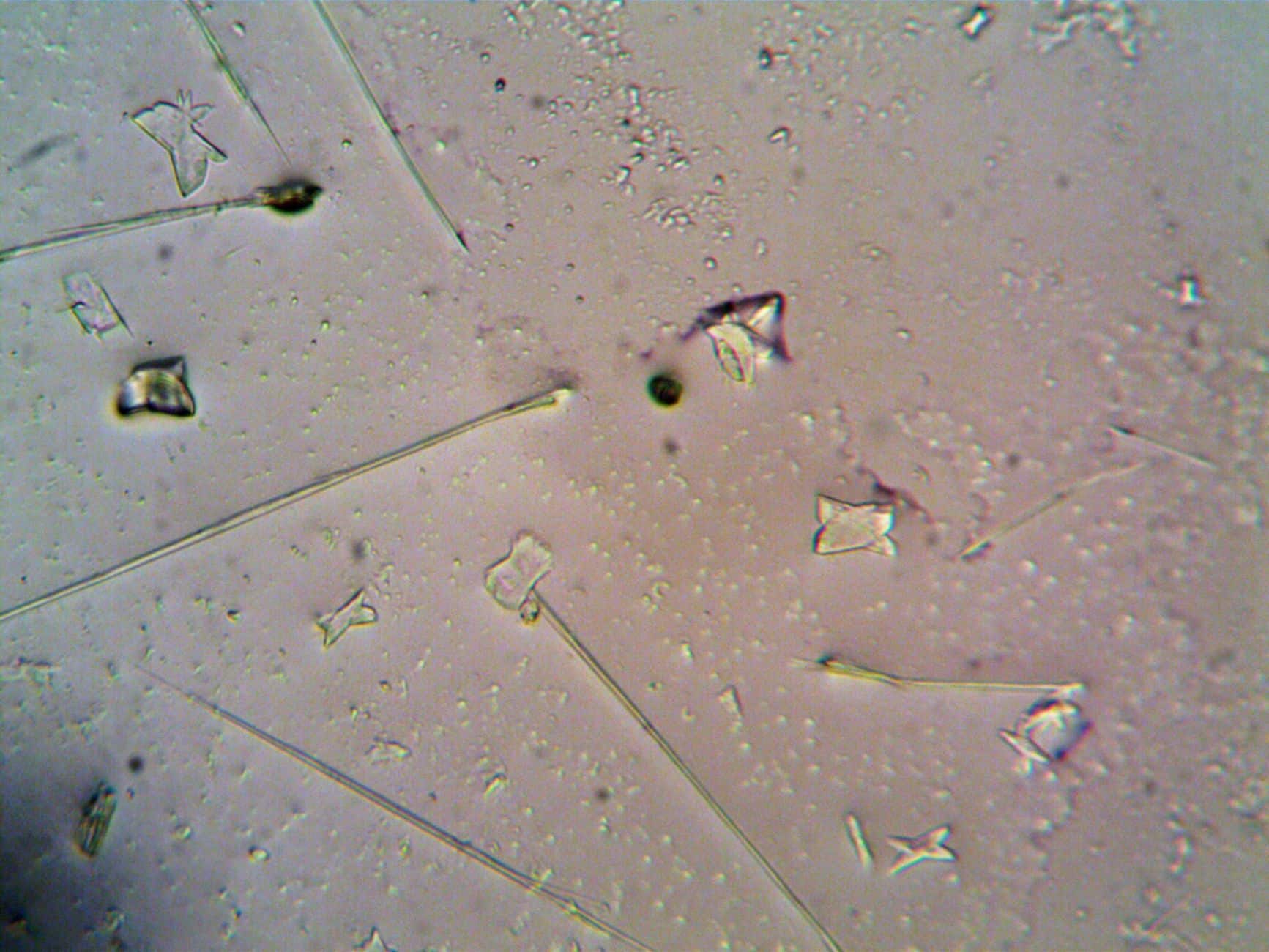
Silver Paste Tuning Gains 1% Efficiency
Tuning the PbO/SiO₂ ratio in silver‑paste glass frit to 6 reduces contact resistance and lifts crystalline silicon cell efficiency by about 1 percentage point.
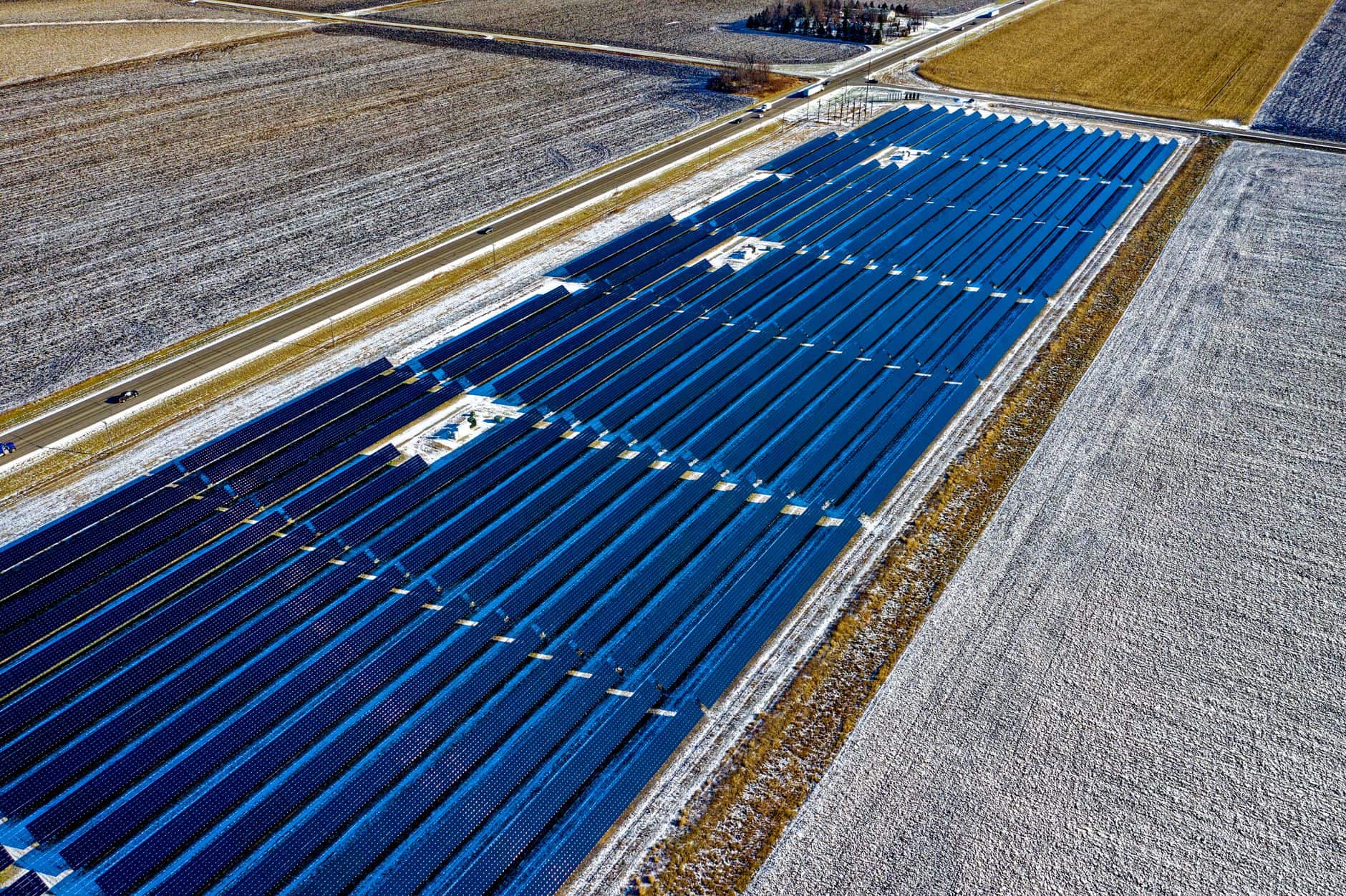
Vertical Agrivoltaics Boost Oat Yields
Swedish researchers found that oats grown under a vertical agrivoltaic system yielded more biomass than open‑field crops, showing that solar panels can boost agricultural productivity while generating electricity.

Europe Can Fit 614 GW Solar Within Demand
A new hour‑by‑hour analysis shows Europe can safely integrate 614 GW of solar PV – about 678 TWh a year – without any hour of over‑production, highlighting the need for grid flexibility and storage.

Spectral‑Selective Solar Panels Boost Agrivoltaic Yield
UNSW’s new spectrally selective semi‑transparent solar modules can raise agrivoltaic power output by up to 34% while still transmitting over 90% of the light needed for crops, offering Israeli farms an extra ~₪275,000 per year in revenue.

Heat Pumps Run Better in Cold, Boosting Savings
Real‑world UK data shows heat pumps can become significantly more efficient in colder weather when properly commissioned, boosting SPF and reducing energy bills.
Lithium‑Nitrogen Batteries: Roadmap to Reality
Researchers from Belgium and China have mapped the technical hurdles of lithium‑nitrogen batteries and proposed a suite of solutions—from stable electrolytes to a flow‑type cell—bringing the technology closer to commercial reality.