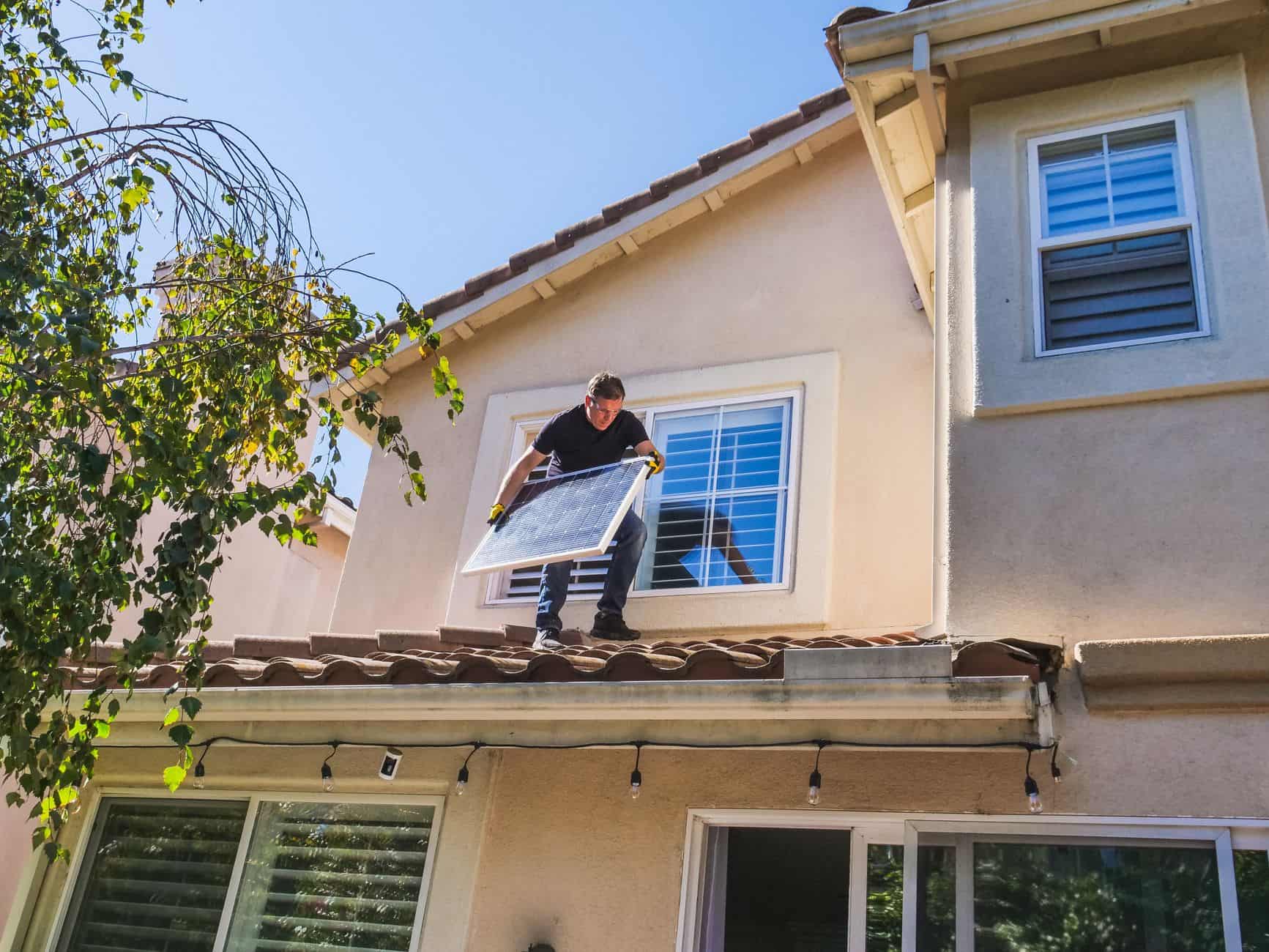
Canadian Solar's EP Cube Boosts Home Power
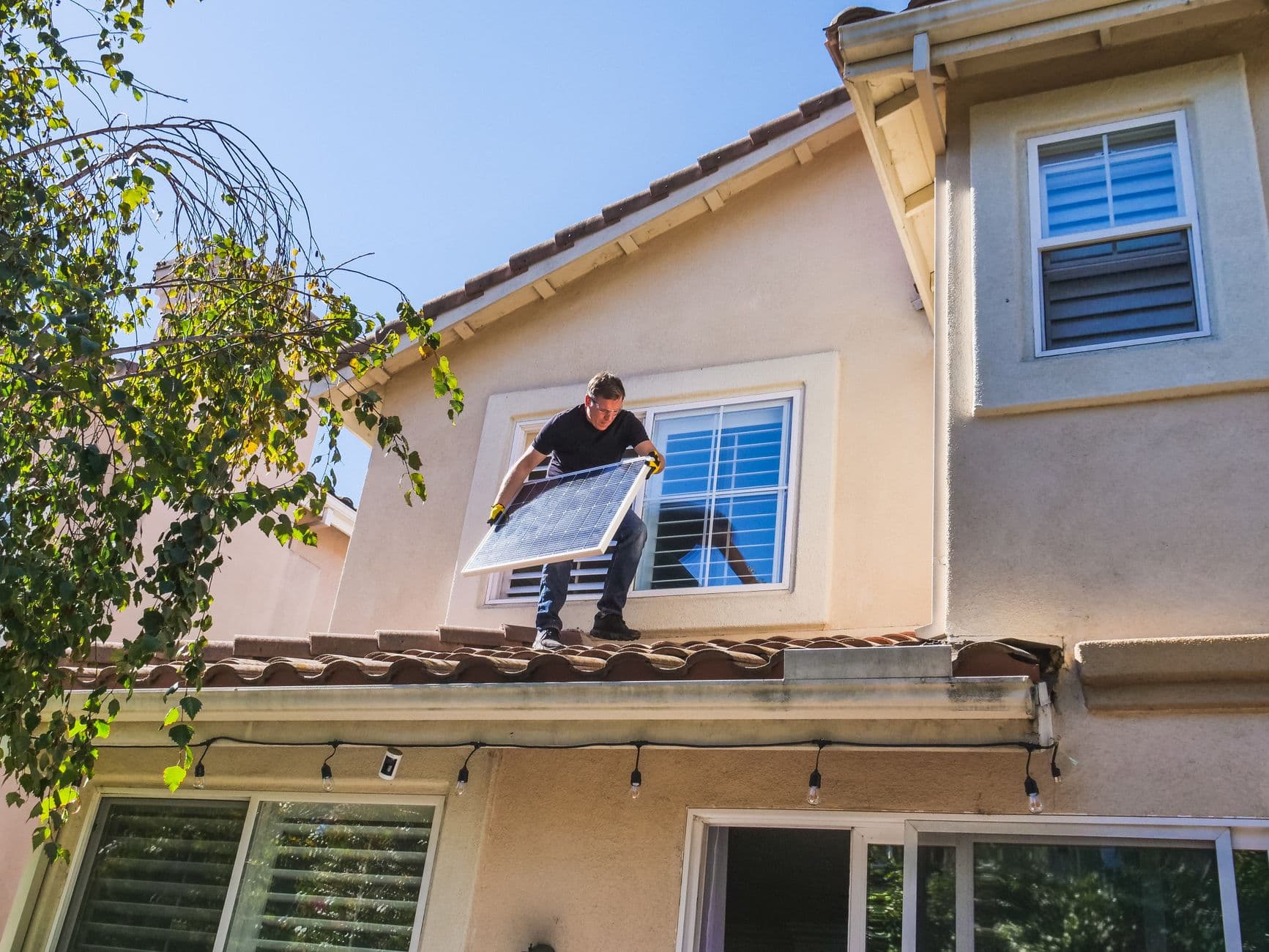
Canadian Solar’s EP Cube 2.0 and Pro: More Power, More Flexibility
Canadian Solar’s new EP Cube Single‑Phase 2.0 now delivers 10 kW AC and 15 kW DC in a compact box, while the EP Cube Three‑Phase Pro tops out at 20 kW AC and can be paralleled to 100 kW AC with up to 200 kWh of storage. The upgrade adds four independent MPPT trackers (instead of the usual two), letting installers capture more energy from complex or shaded roofs.
The Single‑Phase 2.0 packs four MPPTs, each handling up to 18 A input current and 25 A short‑circuit current, with a maximum PV input of 15 kW. Its inverter runs at a 97.6 % peak efficiency (European rating 97 %). Battery modules are 5 kWh each, weigh under 42 kg, and can be stacked to 40 kWh on a single base; two units in parallel push storage to 80 kWh.
The Three‑Phase Pro starts at 10 kWh (two modules) and can be built up to 40 kWh per unit. Up to five units can be linked, giving a total of 200 kWh. It accepts up to 24 kW of PV input, with MPPTs handling 17 A input current and 24 A short‑circuit, and works across a 1 000 V DC window. On the grid side it supplies a continuous 20 kVA three‑phase output at 400 V AC, rated for 28.9 A per phase.
Both systems are built for outdoor use – the inverter housing is IP65 rated and the stacked battery stack reaches IP67. Canadian Solar backs the inverter with a 10‑year warranty and the LFP batteries with up to 15 years or 6 000 cycles.
Why Four MPPTs Matter for Home Installations
Typical residential storage inverters only offer two MPPT inputs, which can leave energy on the table when roofs have multiple orientations or partial shading. By providing four independent MPPTs, the EP Cube 2.0 can track four separate strings, improving harvest from complex roof layouts – a benefit highlighted in industry analyses of MPPT technology (Nature MPPT study).
For Israeli homeowners, where roof angles vary from the north‑west coastal plain to the steep‑slope south, that extra flexibility translates into more kilowatt‑hours per installed kilowatt‑peak. Using the typical central‑Israel yield of 1 700 kWh/kWp · yr, a 10 kW‑peak EP Cube 2.0 could produce roughly 17 000 kWh / yr, enough to cover a typical household’s electricity demand.
Scaling Up: From a Single Home to a Small Business
The Three‑Phase Pro’s ability to parallel up to five units means a single installation can reach 100 kW AC (or 120 kW PV input) – a size that fits many small‑to‑medium commercial rooftops. With 200 kWh of storage, a business can ride through a full day without grid power, protecting against outages and shaving peak‑demand charges.
According to market forecasts, the global residential battery market is set to hit USD 56.5 bn by 2030 (Coherent Market Insights), and the storage‑as‑a‑service segment is growing at 9.3 % CAGR (Markets and Markets). Canadian Solar’s modular, stackable design positions it well to capture a share of that expanding demand.
What It Means for Israeli Homeowners
Using the typical Israeli residential tariff of ₪0.48 /kWh, a 10 kW‑peak EP Cube 2.0 that generates ≈17 000 kWh / yr would save about ₪8 160 per year in electricity costs. At the standard turnkey install price of ₪3 150 /kWp, a 10 kW system costs roughly ₪31 500. Simple payback is therefore ≈3.9 years, after which the homeowner enjoys virtually free electricity for the remainder of the system’s 25‑year life.
For a small shop installing the Three‑Phase Pro at a typical commercial size and adding a moderate amount of storage, the combination can provide noticeable annual savings at the commercial tariff (₪0.41/kWh) and a payback period that is well within the useful life of the equipment, making it an attractive option for businesses seeking to hedge against rising electricity rates and grid instability.
How Canadian Solar’s Warranty Stacks Up
A 10‑year inverter warranty and up to 15‑year battery warranty (or 6 000 cycles) are among the longer guarantees in the residential storage market. Many competing products offer shorter warranty periods, so Canadian Solar’s terms help reduce the total cost of ownership and align with the typical 25‑year lifespan of a solar‑plus‑storage system, making the EP Cube a low‑risk investment for Israeli consumers.
Looking Ahead: Storage as a Grid Asset
Israel’s renewable‑energy target of 30 % by 2030 (and 20 % by 2025) will require more than just rooftop panels; distributed storage will be essential for grid balancing. The EP Cube’s modular, scalable architecture allows homeowners and businesses to add capacity over time, turning a single‑family system into a community‑scale micro‑grid asset.
As the Israeli Electricity Authority and grid operator NOGA push for greater storage integration, products like Canadian Solar’s EP Cube could become a cornerstone of the nation’s clean‑energy transition, delivering both resilience and cost savings.
Bottom Line
Canadian Solar’s EP Cube 2.0 and Three‑Phase Pro give Israeli households and small businesses more power, more flexibility, and longer warranties than typical storage solutions. With four MPPTs, modular battery stacking up to 200 kWh, and a payback period under 4 years for a typical home, the EP Cube is poised to become a leading choice as Israel ramps up its renewable‑energy goals.
For a personalized ROI calculation, visit our solar calculator or explore detailed market data at our data hub.
Sources & further reading
FAQ
What power does the EP Cube Single‑Phase 2.0 provide?
It delivers 10 kW AC and 15 kW DC output, with four independent MPPT trackers.
How much storage can the EP Cube Three‑Phase Pro reach?
When five units are paralleled, the system can store up to 200 kWh.
Why are four MPPTs better than two?
Four MPPTs can track four separate roof strings, boosting energy capture by 5‑10 % on shaded or multi‑orientation roofs.
What is the typical payback time for an Israeli homeowner?
Around 3.9 years using the standard residential tariff of ₪0.48/kWh and a install cost of ₪3 150/kWp.
Are the warranties longer than most competitors?
Yes – 10 years on the inverter and up to 15 years (or 6 000 cycles) on the LFP batteries.
Can the system help Israel meet its renewable targets?
Its scalability and storage capacity support grid‑balancing, essential for reaching the 30 % renewable goal by 2030.
Share this post
More from Storage
6
AlphaESS 150kW Battery: Low‑Noise C&I Storage
AlphaESS’s new Storion‑LC‑TB150 delivers 150 kW of power, 313 kWh of storage and ultra‑low noise, with up to 12,000 cycles and UL‑9540A‑certified fire protection for commercial‑industrial use.
Argentina Grants 700 MW Battery Storage Boost
Argentina awarded 700.5 MW of battery storage across 20 projects for about US$700 million, marking a major step toward grid flexibility outside Buenos Aires.

Rock Battery Could Power Israeli Factories
Israel’s new "stone battery" stores excess solar heat in crushed rock and releases it as industrial steam, offering factories a low‑cost, multi‑hour backup that can cut fossil‑fuel use and support the nation’s renewable‑energy targets.
Sodium‑Ion Home Battery Offers 27‑Year Life
Unigrid’s Na+Casa sodium‑ion home battery offers a 10,000‑cycle, 27‑year lifespan, safety advantages over lithium‑ion, and a 9.25 kWh capacity that could save Israeli households about ₪1,600 a year.
Octopus Nook: Plug‑In Home Battery Arrives
Octopus Energy’s new Nook battery line offers plug‑in storage for renters, with a 2 kWh Cube and a 5 kWh Colossus, launching in the UK in 2027 and expanding across Europe.

Huawei’s Grid‑Forming Solar Push for Europe
Huawei unveiled a grid‑forming solar‑plus‑storage platform that can replace traditional generators, a move timed for Europe’s target of 64 % renewable electricity by 2030.