Israel Needs Solar Now for Energy Security
Solar power can keep cities lit even if a missile hits the grid
A single missile strike can knock out electricity for whole neighborhoods, but a distributed rooftop solar network keeps lights on because each house generates its own power. In a conflict, solar modules on roofs act like tiny micro‑grids that are physically separate from the central transmission network, so they are far harder to disable. This is why security experts in Israel are urging a rapid rollout of solar panels on homes, schools and hospitals.
Israel’s solar capacity is growing but still far below what’s needed for resilience
Israel has been expanding its solar capacity in recent years, yet solar currently contributes a modest share of total electricity demand. The government’s 30 % renewable‑energy target for 2030 (and 20 % by 2025) underscores the gap that must be closed to ensure energy security.
Home solar is cheap enough to pay for itself in under four years
A typical 10 kWp rooftop system in central Israel produces about 17 000 kWh per year. At the residential feed‑in tariff of ₪0.48 /kWh, that electricity is worth roughly ₪8 160 annually. With a turnkey installation cost of ₪3 150 per kWp, the upfront expense is about ₪31 500, giving a simple payback period of about 4 years – well before the 25‑year system life ends. Larger systems scale proportionally and can achieve a comparable payback period.
Flexible panels and 15 kW kits broaden where solar can be installed
New flexible solar modules can be mounted on curved roofs, façades or even on the sides of parking structures, opening up space that traditional rigid panels can’t use. Combined with 15 kW solar‑system kits that include inverters, mounting hardware and monitoring software, these technologies let owners in dense urban districts or historic neighborhoods add solar without major structural changes. Prices for flexible panels have been trending downward, making them increasingly competitive with conventional glass‑glass modules.
What it means for Israel
For an average Israeli household in the central region, a 10 kWp system saves around ₪8 000 a year on the electricity bill and pays for itself in under four years. If many households adopt solar, the cumulative savings and emissions reductions could be substantial, enhancing national resilience: even if the grid is knocked out, each home continues to run essential appliances, medical equipment and communication devices.
To explore whether a rooftop system makes sense for you, try our solar ROI calculator and compare prices on our market data page.
The security case for faster policy action
Because solar panels are distributed, they are less vulnerable to a single point of failure. The Electricity Authority and grid operator NOGA have already begun drafting guidelines for “solar‑back‑up” in critical facilities like hospitals, but the process is slow. Accelerating permits, offering low‑interest loans and expanding net‑metering caps would let the private sector fill the resilience gap much faster than government‑built power plants could.
Bottom line
Israel’s geopolitical reality makes energy independence a matter of national security. With solar panel prices falling, installation costs stable, and clear financial payback, the technology is ready today. The next step is political will to turn rooftops into a nation‑wide safety net.
Sources & further reading
FAQ
How quickly can a home solar system pay for itself in Israel?
At the typical residential tariff of ₪0.48/kWh and installation cost of ₪3 150/kWp, a 10 kWp system breaks even in about 3.9 years.
What amount of electricity does a 15 kW system generate?
In central Israel it produces roughly 25 500 kWh per year (1 700 kWh per kWp).
Why is solar considered a security asset for Israel?
Solar panels are distributed on many rooftops, so a single attack on the grid can’t shut down all power sources at once.
Can flexible solar panels be used on historic buildings?
Yes, flexible modules can conform to curved or delicate surfaces, allowing solar on structures where rigid panels aren’t feasible.
What is Israel’s renewable‑energy target for 2030?
Israel aims for 30 % of its electricity to come from renewables by 2030.
How much CO₂ can be avoided with a typical home solar system?
Each kWh avoids about 0.5 kg of CO₂, so a 10 kWp system (≈17 000 kWh/yr) prevents roughly 8.5 tonnes of emissions annually.
Share this post
More from Technology
6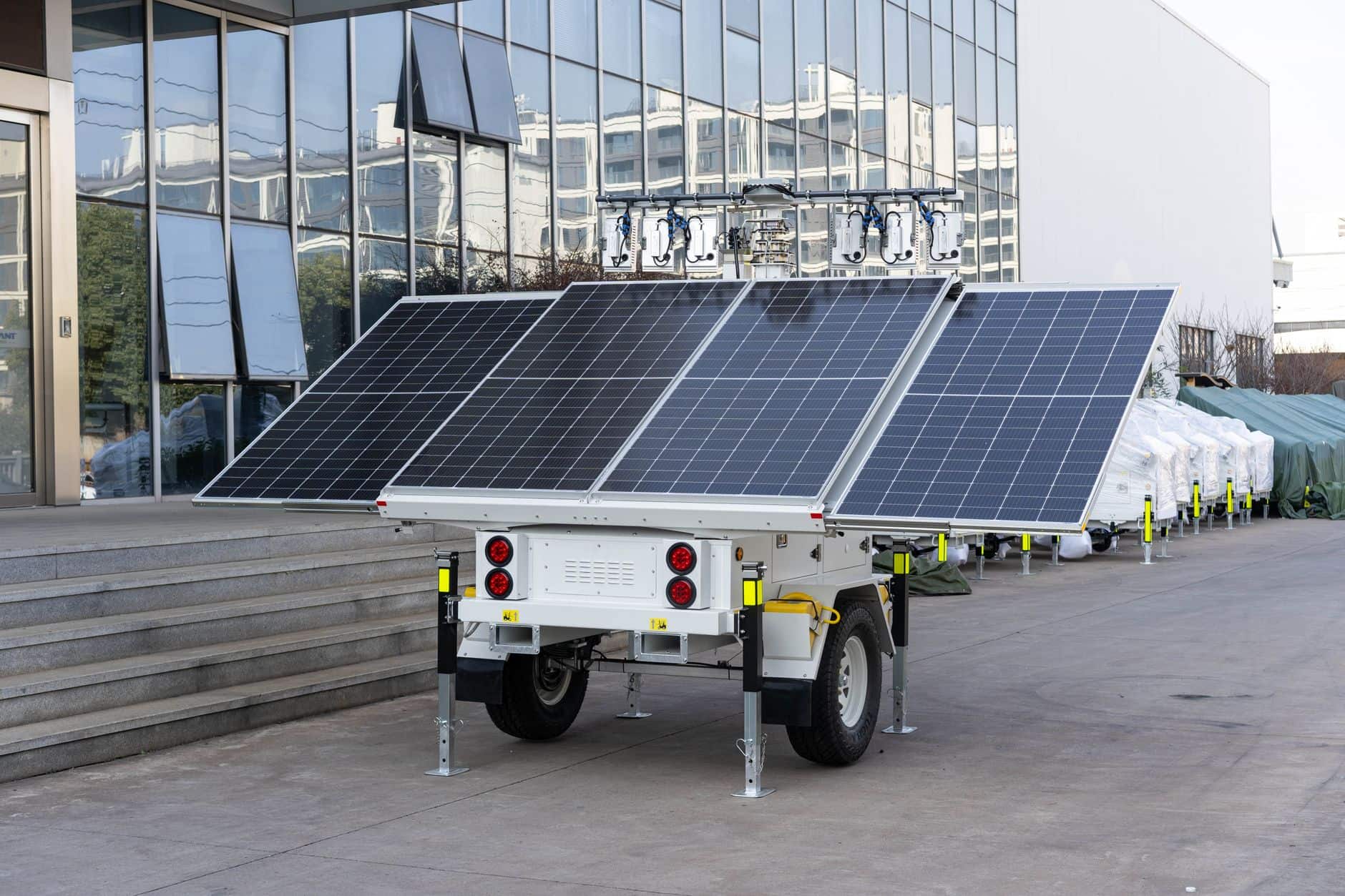
Medieval Festival Showcases Solar Power
Renningen’s 2013 medieval festival ran on a portable solar generator, highlighting how clean energy can power cultural events and offering a model for Israeli rooftop installations that pay back in under four years.

Why Women Still Face Double Standards in Solar
At Intersolar Europe 2026, Women in Solar+ Europe revealed that women still face double standards in visibility, credit, motherhood, and networking, and called for concrete allyship to change the industry.
East Asia’s May Sun Boosts Solar Output by 15%
May 2026 saw coastal East Asia bathed in clear skies, pushing solar irradiance up to 15 % above the long‑run average, with Japan’s Tokyo and Osaka recording record‑sunny months.
NextPower’s Acquisition Blitz Powers Solar Expansion
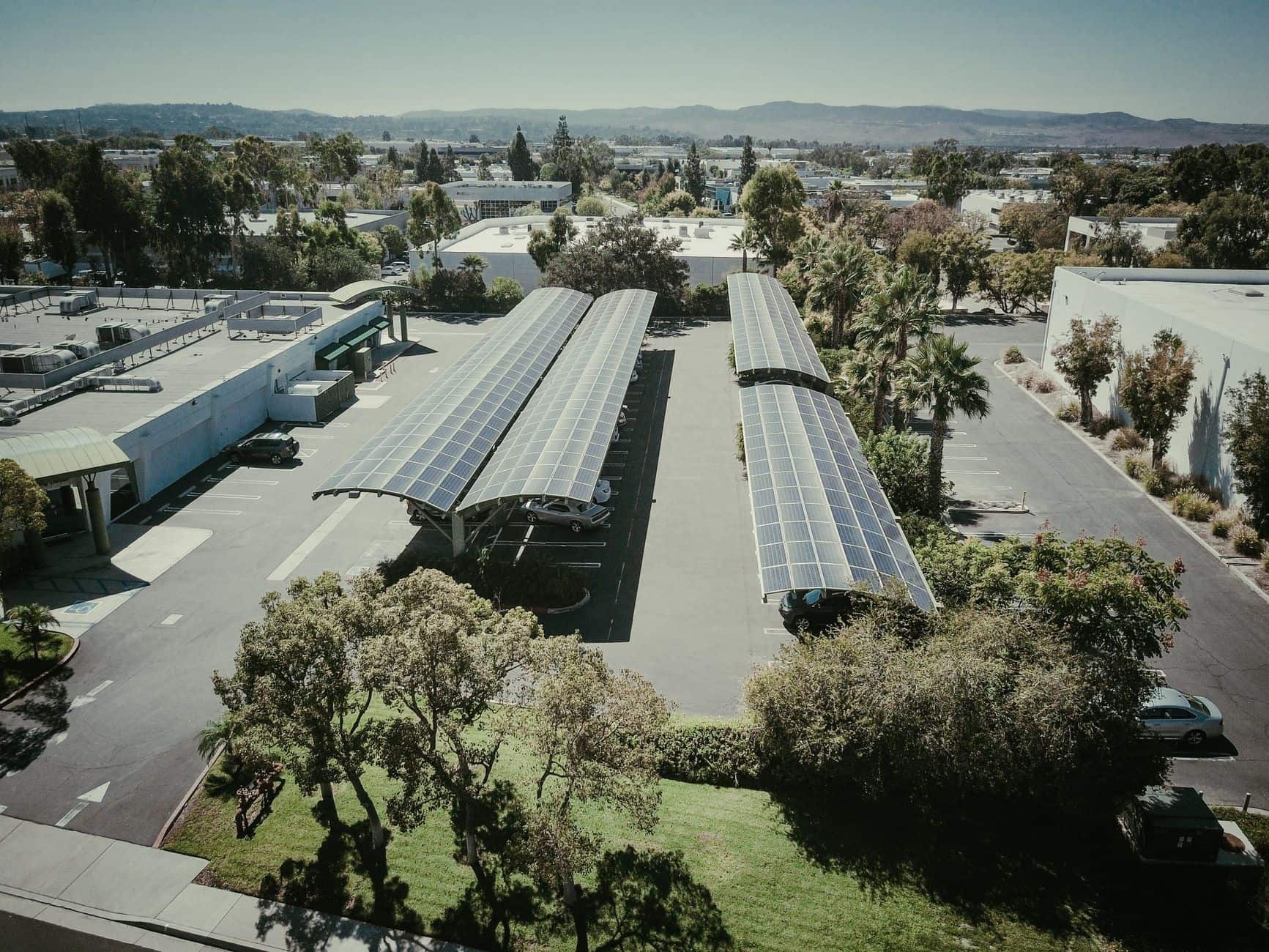
NextPower now supplies almost every utility‑scale solar component except PV modules and battery cells, after a rapid acquisition spree that added inverters, storage platforms and mounting systems.
Solar Skills Shortage Hits Europe’s Fast‑Growing Market
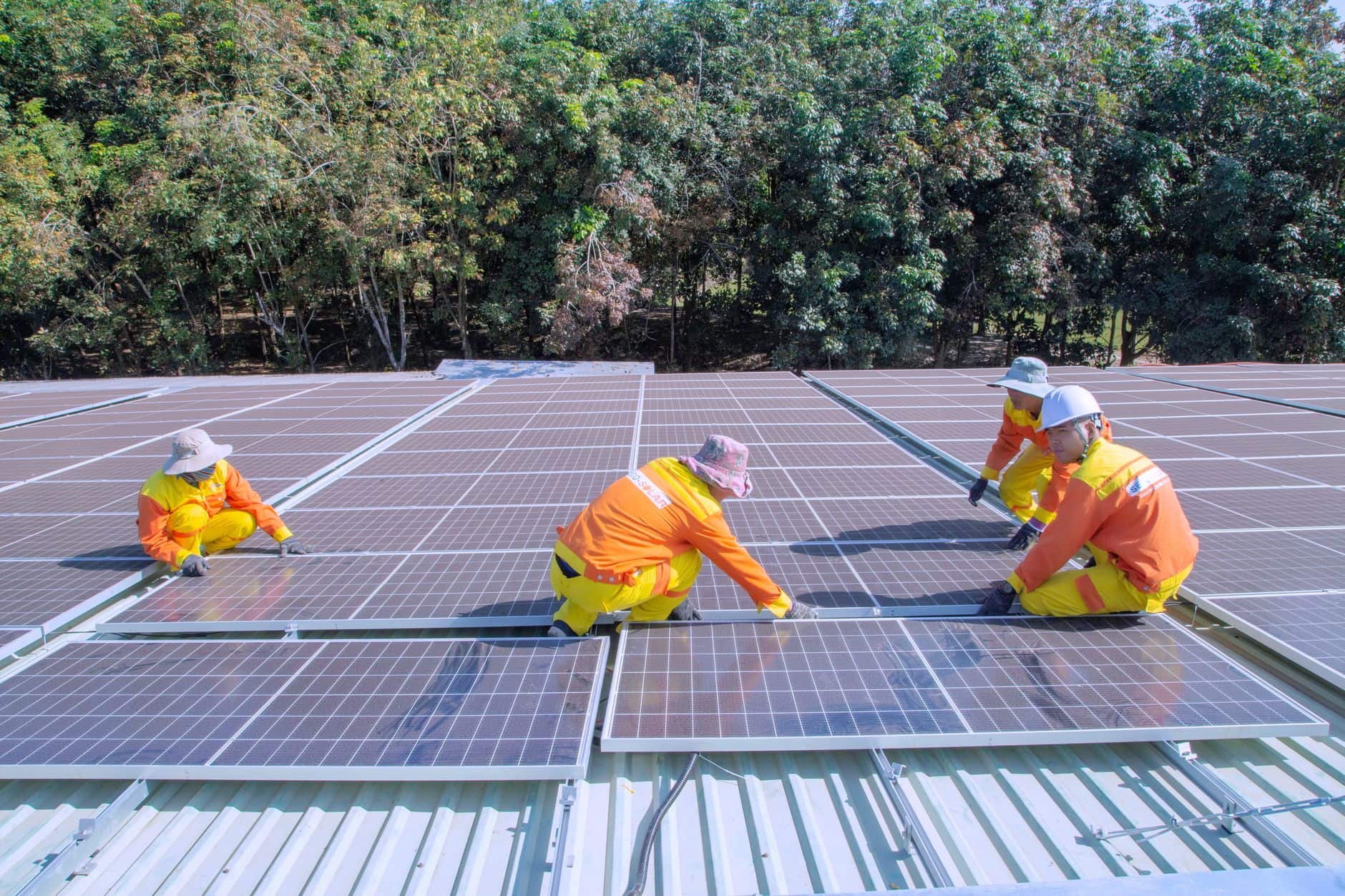
Europe needs 800,000 new solar technicians by 2026, and a shortage of qualified workers is already slowing project roll‑outs, threatening both the continent’s renewable targets and Israel’s solar ambitions.
Record Solar Growth Fuels Renewables 24/7 Vision
The Smarter E 2026 in Munich hosts 2,662 exhibitors in a fully‑booked 206,000 m² hall and showcases the “Renewables 24/7” vision, while global solar installations hit a record 664 GW in 2025.