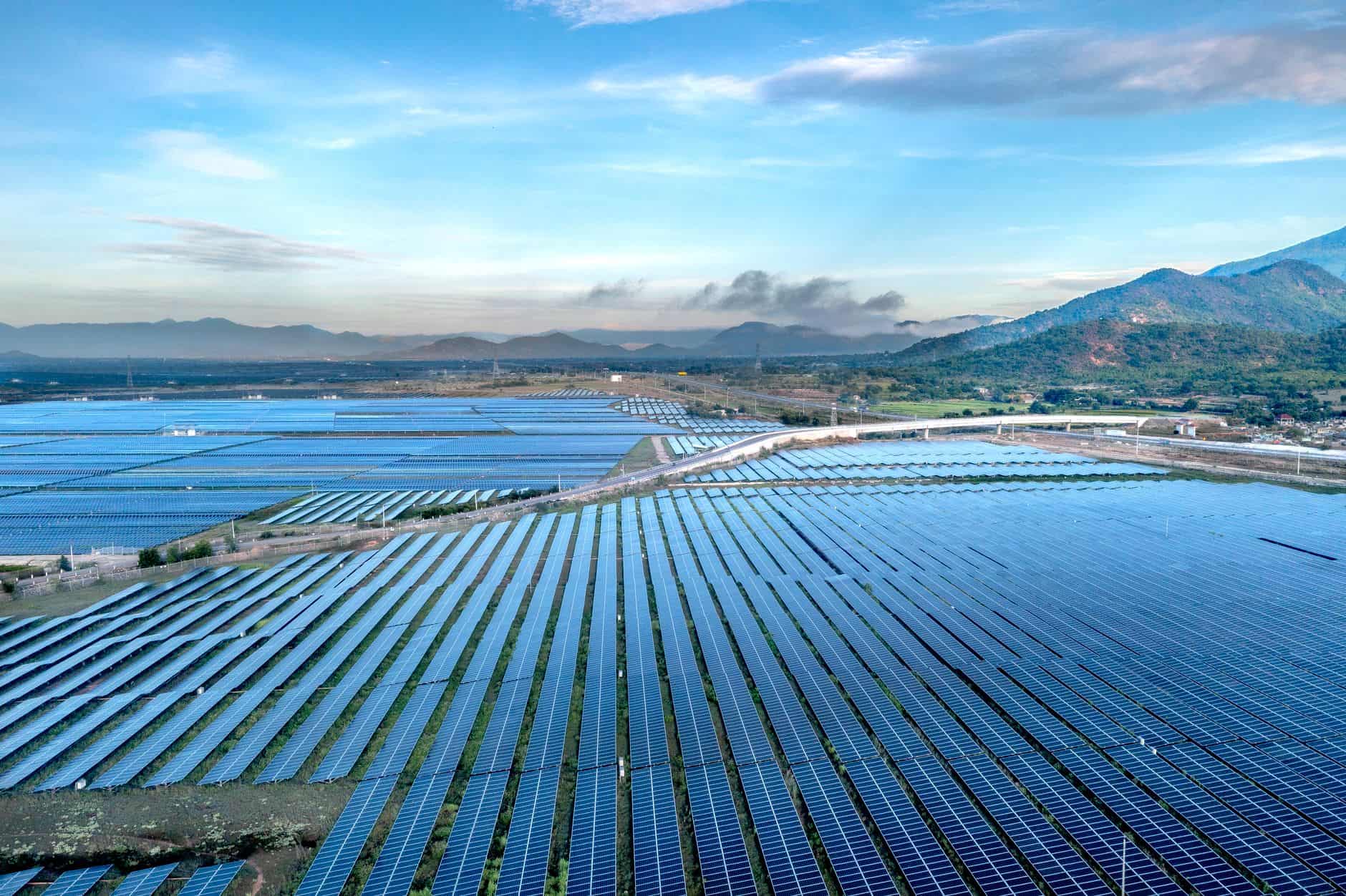
GIZ Seeks Five Agrivoltaic Pilot Models
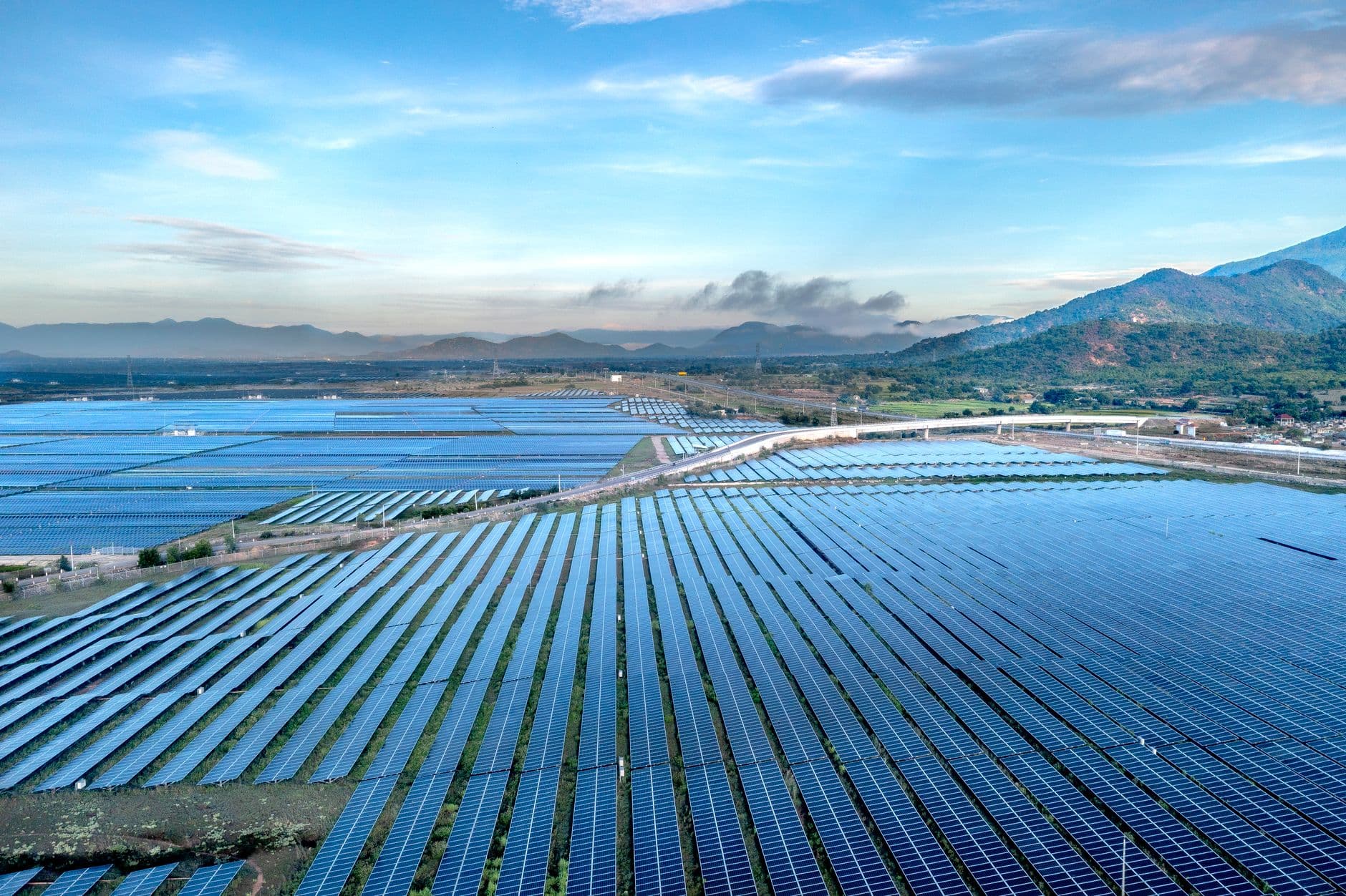
GIZ launches search for agrivoltaic pilot models – GIZ is calling for several pilot designs that combine solar panels with agricultural production in Vietnam, aiming to boost rural incomes and accelerate the country’s renewable‑energy goals.
The German development agency (GIZ) announced a tender for multiple pilot models that will demonstrate how photovoltaic (PV) systems can coexist with crops, livestock, and aquaculture. The call targets a three‑year implementation period (2025‑2027) and is part of a broader effort to diversify rural energy sources beyond solar‑powered water pumps.
Why agrivoltaics matters for Vietnam’s energy and agriculture – Integrating solar power with farms can increase land productivity while helping Vietnam meet its renewable‑energy targets.
Vietnam’s Power Development Plan 8 (PDP‑8) aims for 32 % of electricity from renewables by 2032. Agrivoltaics offers a dual‑use solution: solar panels generate electricity, and the shaded micro‑climate can improve water use efficiency and reduce heat stress for many crops. The approach also aligns with the Sustainable Development Goals by creating jobs, stabilising farmer incomes, and cutting CO₂ emissions.
The planned pilot models and their focus areas – The models include rooftop PV on farms, ground‑mounted dual‑use arrays, floating PV on aquaculture ponds, solar‑powered irrigation, and solar cooling for post‑harvest processing.
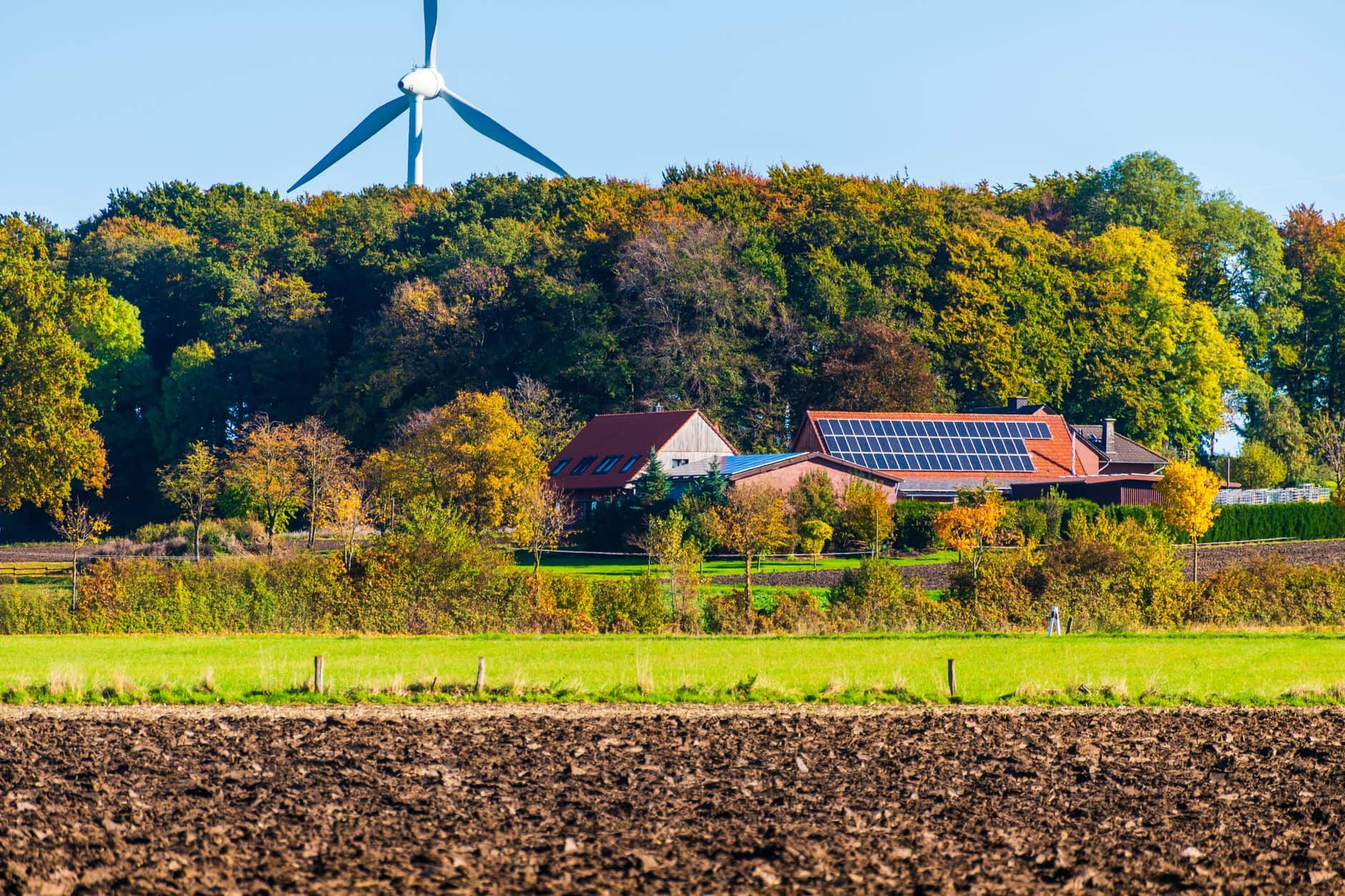
- Rooftop farm PV – solar modules installed on existing farm buildings to avoid extra land use.
- Ground‑mounted dual‑use – raised panel structures that allow machinery to pass underneath while crops grow in the shade.
- Floating PV on ponds – panels float on fish‑ or shrimp‑culture ponds, reducing evaporation and generating power.
- Solar‑driven irrigation – PV‑powered pumps that replace diesel generators, cutting fuel costs.
- Solar cooling – modular solar‑electric cooling units for preserving vegetables and fruits, a use highlighted in GIZ’s TVET renewable‑energy study.
These configurations were identified in GIZ’s Agrivoltaics Report as promising options for Vietnam’s diverse agro‑ecological zones.
Funding and policy backdrop – The pilots are backed by GIZ and linked to Vietnam’s broader climate‑finance strategy.
The initiative taps into the Just Energy Transition Partnership (JETP), which mobilises USD 15.5 billion of public‑ and private‑sector finance for Vietnam over the next 3‑5 years. Recent amendments to the Electricity Law (effective Feb 2025) and Decision 768/QD‑TTg (April 2025) create a regulatory environment that encourages private investment in decentralized renewable projects.
What it means for Israel – Agrivoltaics could give Israeli farmers a new revenue stream while supporting the nation’s 30 % renewable‑energy target for 2030.
Using Israel’s typical central‑region yield of 1,700 kWh per kWp per year, a modest 10 kWp agrivoltaic system installed on a farm would produce roughly 17,000 kWh annually. At the residential feed‑in tariff of ₪0.48/kWh, that electricity is worth about ₪8,160 per year. With a turnkey installation cost of ₪3,150 per kWp, the upfront investment is ₪31,500, giving a simple payback of ≈3.9 years – comparable to a standard rooftop system but with the added benefit of crop production underneath.
For a typical Israeli olive grove (≈0.5 ha) that could host a 10 kWp dual‑use array, the farmer would keep the harvest while also selling the generated power, effectively increasing land productivity. Over a 25‑year system life, the extra revenue could fund modern irrigation upgrades or expand planting area, directly contributing to the national goal of 30 % renewable electricity by 2030.
Outlook and next steps – GIZ will shortlist proposals soon, with pilots rolling out from 2025 to 2027 and scaling plans under discussion.
The selected models will be monitored for technical performance, crop yields, and economic viability. Successful pilots are expected to inform a national agrivoltaics roadmap, potentially unlocking further private investment and aligning with Vietnam’s climate‑finance commitments.
What it means for Israel – The Israeli agricultural sector can learn from Vietnam’s pilot approach, adapting dual‑use designs to Mediterranean climates and leveraging existing feed‑in tariffs to achieve rapid payback.
Sources & further reading
FAQ
What are the five agrivoltaic pilot models GIZ is looking for?
They include rooftop farm PV, ground‑mounted dual‑use arrays, floating PV on aquaculture ponds, solar‑driven irrigation pumps, and solar cooling units for post‑harvest storage.
How does agrivoltaics help Vietnam meet its renewable‑energy goals?
By generating electricity on agricultural land, agrivoltaics adds clean power without competing for new land, supporting Vietnam’s aim for 32 % renewables by 2032.
Is there financing available for these pilots?
Yes, the pilots are part of the Just Energy Transition Partnership, which provides up to USD 15.5 billion for Vietnam’s climate projects.
Can Israeli farmers use the same technology?
Absolutely – a 10 kWp dual‑use system in central Israel would earn about ₪8,160 a year and pay for itself in roughly 3.9 years, while still allowing crops to grow.
When will the Vietnamese pilots start?
The selected models are expected to be installed and operated between 2025 and 2027.
Share this post
More from Technology
6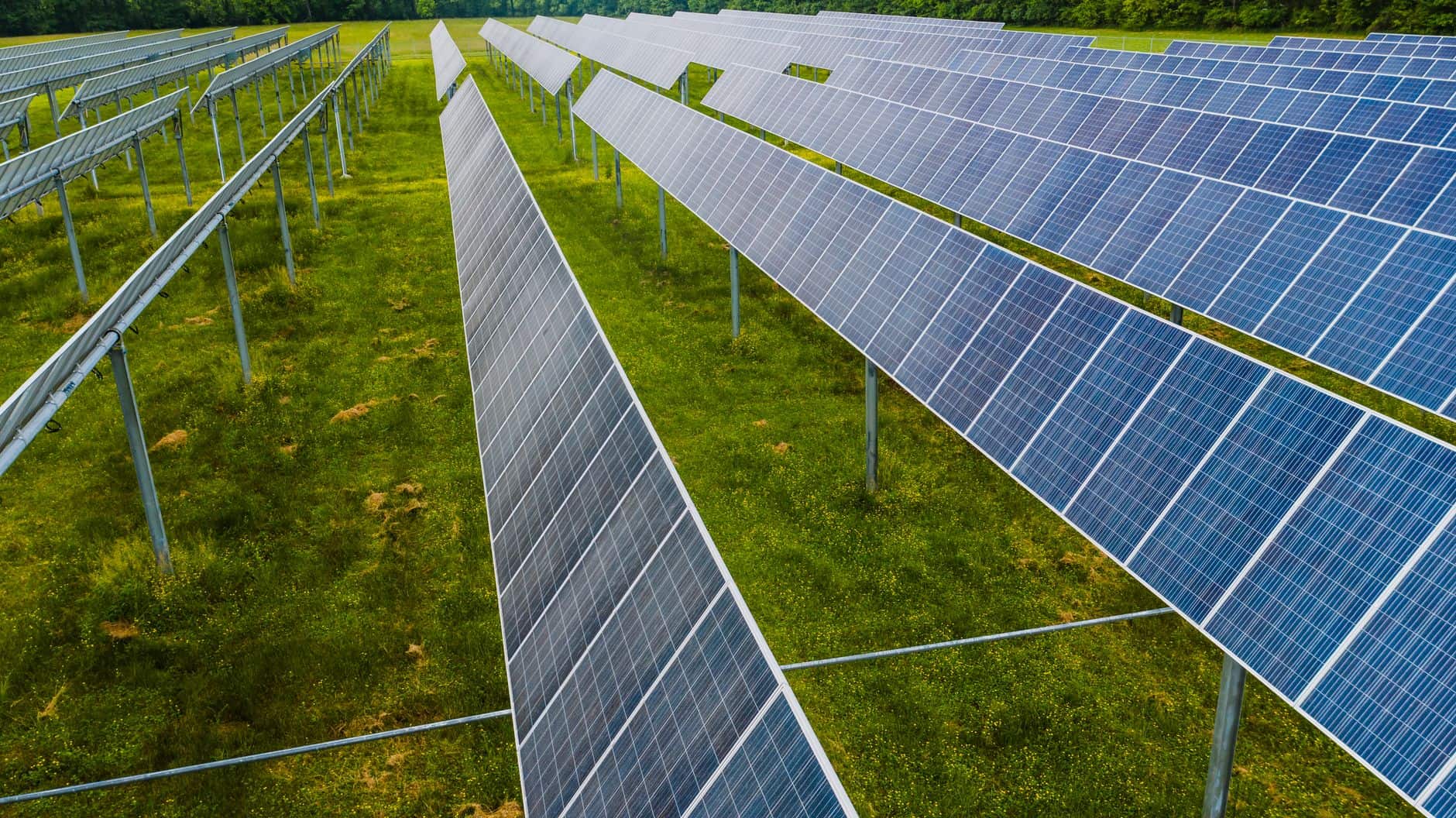
$1B Plan to Guard Earth from Solar Storms
A new study proposes a large‑scale programme of surge‑protectors, battery buffers and insurance to harden solar farms and grids against catastrophic solar super‑storms.
Hidden Bypass Diode Faults Threaten Solar Safety
Lost bypass diodes stay invisible in standard tests but can cause severe overheating and fire when shading occurs, prompting a shift to EL imaging and shaded thermography for detection.

Solar Irradiance Surges in 2026: Global Trends & What It Means for Israel
Solar irradiance was 5‑10 % above average across Europe, the U.S., Southeast Asia and Central Africa in the first half of 2026, driven by a shift from early‑year blocking to a developing El Niño.
Bhutan Gets $160 M Boost for 310 MW Solar
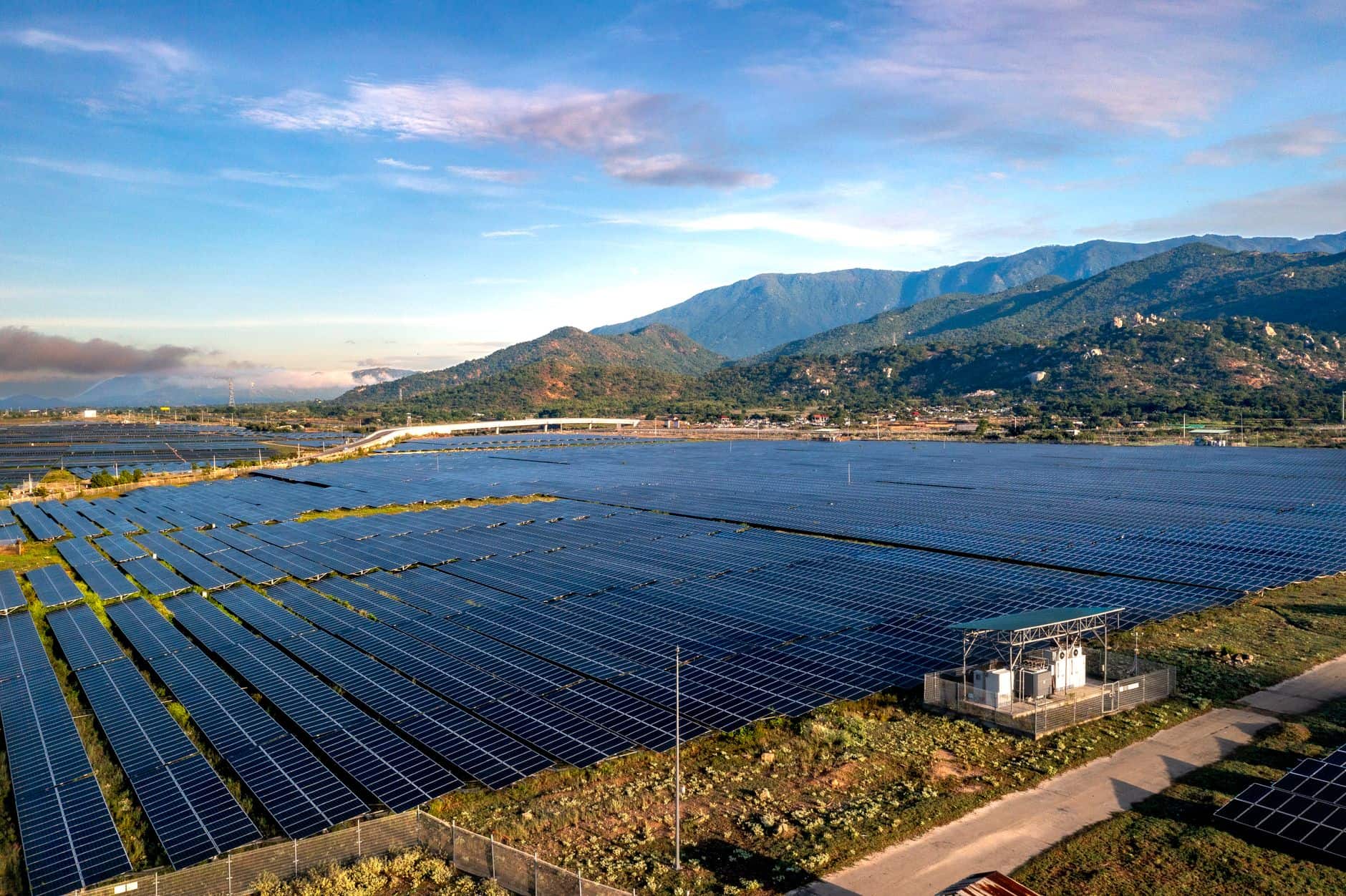
Bhutan secured a US$160 million ADB loan to build three solar farms totaling 310 MW, its first private‑majority PPP in the energy sector, aiming to cut imports and create green jobs.
Australia’s 50 MW Green Hydrogen Hub Approved
Orica has secured A$432 million to build a 50 MW green‑hydrogen hub in New South Wales, which will produce about 4,700 tonnes of hydrogen per year and illustrate the scale of clean‑energy projects that can support Israel’s renewable‑energy targets.