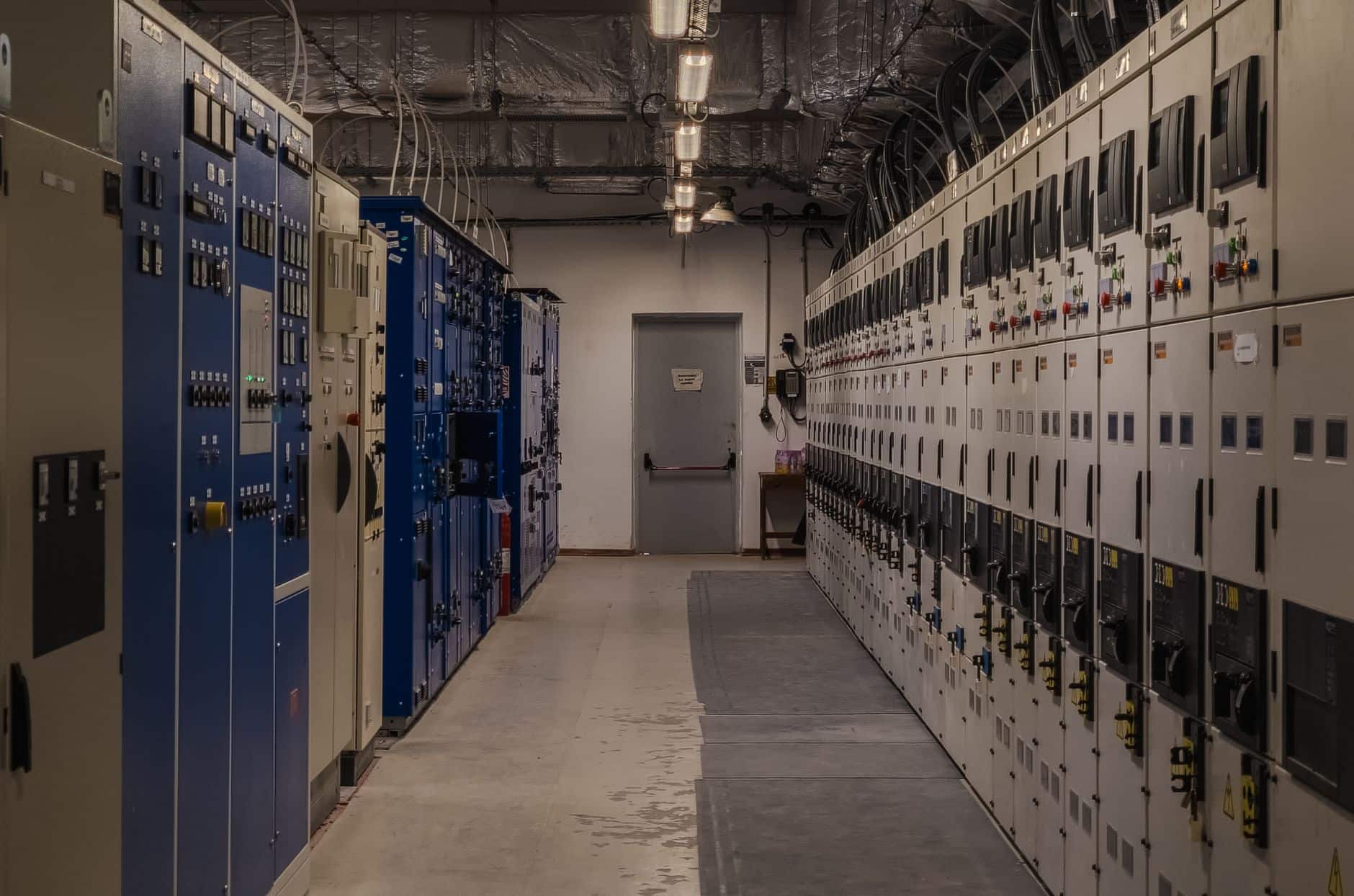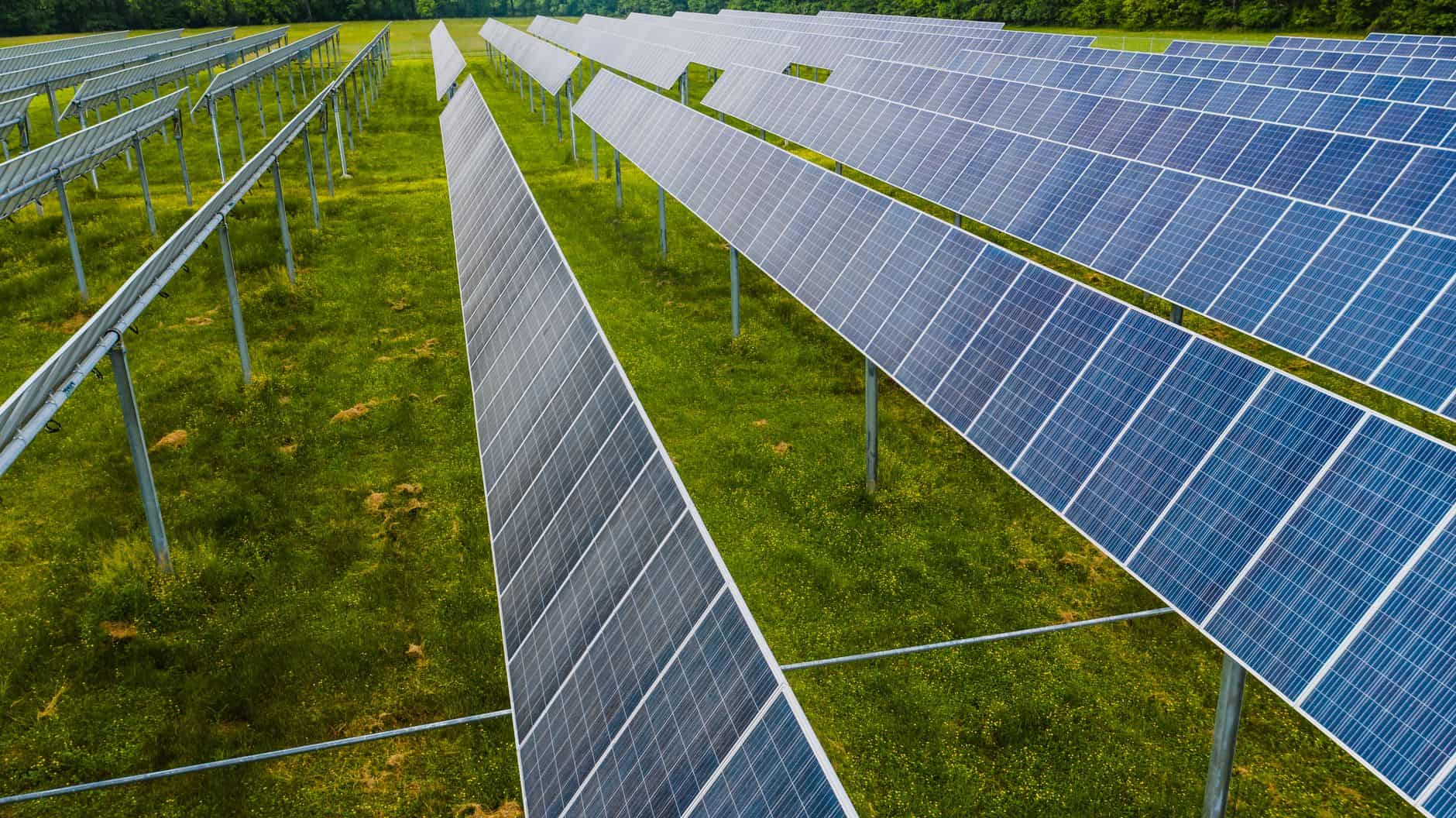
$1B Plan to Guard Earth from Solar Storms
The $1 billion fix: hardening solar farms and grids
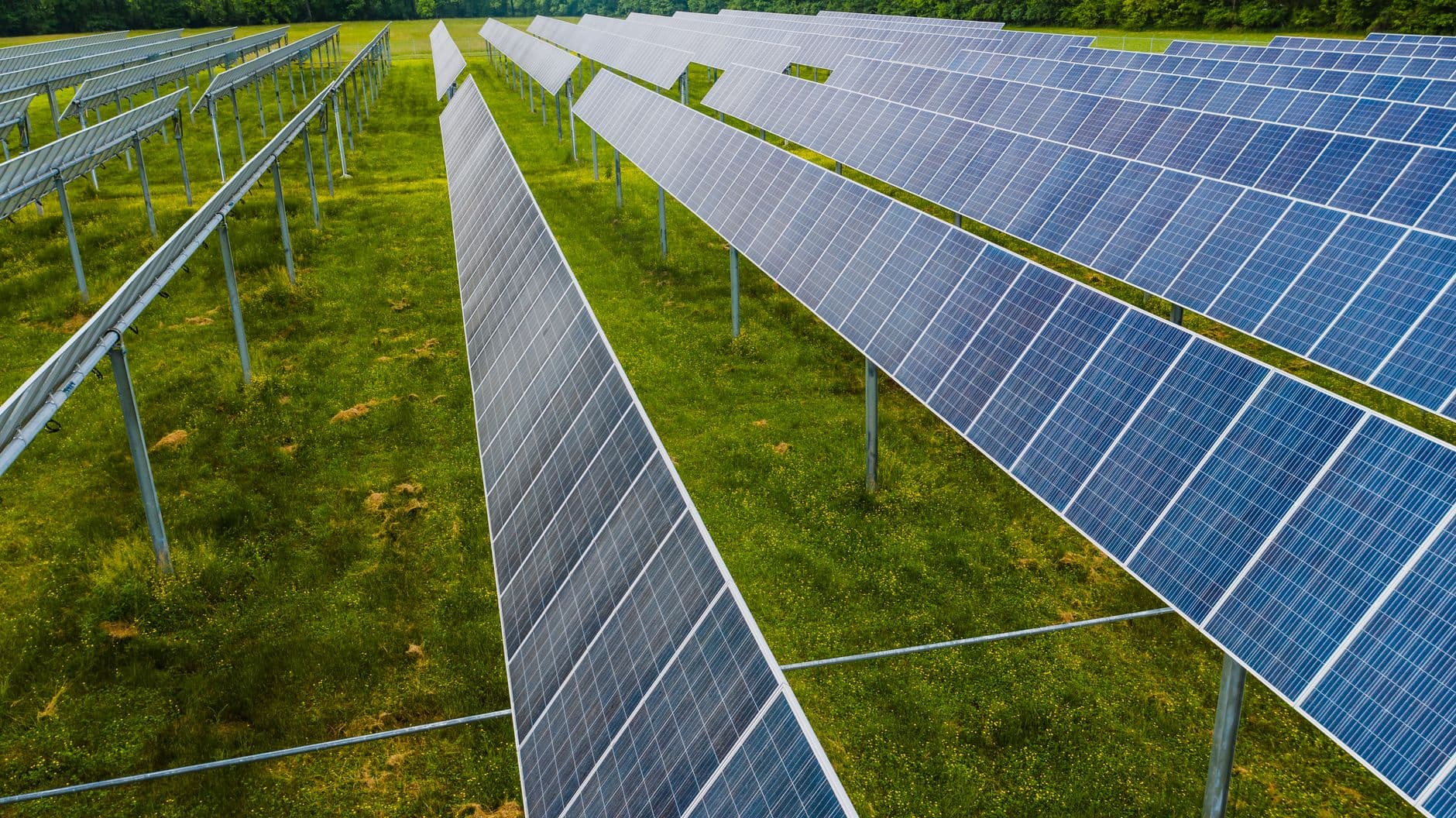
A new international study proposes a sizable investment to add surge‑protectors, battery buffers and insurance to solar farms and transmission networks, aiming to shield the world’s power system from a catastrophic solar super‑storm. The study points to the $1.14 billion Solar Farm Storm Hardening Service market that already exists in 2024 as a financial foundation for the plan.
Why solar storms are a growing threat
Extreme geomagnetic events have already knocked out power grids, broadband and GPS satellites – the strongest in two decades struck on 11 May 2024, causing multi‑day outages in several countries. Historical records list dozens of “superstorms” that could, if repeated today, cripple modern digital infrastructure. The rapid expansion of solar‑power capacity – nearly 600 GW added worldwide in 2024, a 33 % jump year‑on‑year – means more photovoltaic inverters and power‑electronics that are vulnerable to sudden geomagnetic surges.
How the investment could be allocated
- Hardware – mass‑produced photovoltaic surge protectors and modular battery‑energy‑storage systems (BESS) that can absorb induced currents. PV‑Magazine notes that BESS are “an easy solution to mitigate curtailment and ensure grid stability” in Vietnam’s fast‑growing solar market.
- Grid upgrades – reinforcing transformers, installing neutral‑grounding devices and improving transmission‑line shielding to tolerate high‑frequency geomagnetic disturbances.
- Insurance & risk‑pooling – purchasing space‑weather insurance, a market projected to reach $6.75 billion by 2035 from $2.75 billion in 2025, growing at a 9.4 % CAGR.
What it means for Israel
Using Israel’s typical residential solar economics, a 10 kWp rooftop system costs about ₪31,500 and generates ~17 MWh per year, worth ≈₪8,160 at the current residential feed‑in tariff of ₪0.48 /kWh. Adding a surge‑protector kit would increase the upfront cost modestly and could extend the system’s useful life, improving the overall financial return.
Timeline and remaining challenges
The study suggests a multi‑year rollout to match the pace of new solar‑farm construction and grid‑expansion projects. Key hurdles include:
- Regulatory alignment – the Electricity Authority and grid operator NOGA would need to adopt hard‑ening standards for new and existing PV plants.
- Financing mechanisms – blending green‑loan pipelines, corporate PPAs and emerging space‑weather insurance products to lower upfront capital costs.
- Technology standardisation – agreeing on a universal surge‑protector rating that works across inverter brands and grid topologies. If these obstacles are cleared, the proposed investment could become the first coordinated global shield against a low‑probability but high‑impact solar‑storm event.
What it means for Israeli homeowners
For Israeli homeowners, the extra cost of a surge‑protector kit is a small fraction of the system’s overall investment, while the potential protection against a major solar storm could safeguard long‑term energy production and avoid costly replacements.
For a deeper dive into your own solar‑ROI, try our calculator and explore the latest market data on our data page.
Sources & further reading
- Vietnam Solar Energy Market Report | Growth Analysis, Size & Industry Forecast
- Challenges for rooftop solar systems in Vietnam in 2024 - Lexology
- From boom to balance in Vietnam’s clean energy transition | IEEFA
- Vietnam solar boom strains grid and tests project finance - pv magazine Global
- Powering the Future: Vietnam’s Solar Industry Growth Trends and Projections - Global Referral Network
FAQ
What exactly is a solar super‑storm?
A solar super‑storm is an extreme geomagnetic event caused by a massive solar flare or coronal mass ejection that can induce huge currents in power grids and damage electronic equipment.
How much could a solar storm cost the world?
Analysts estimate that a Carrington‑level event could cause worldwide economic losses of up to $2 trillion, with power outages lasting weeks.
What does the $1 billion plan fund?
It finances surge‑protectors for PV inverters, battery‑energy‑storage buffers, grid‑reinforcement upgrades and space‑weather insurance.
Is the plan realistic for Israel?
Yes – adding a surge‑protector kit to a typical 10 kWp home system costs about ₪630, a tiny fraction of the system’s lifetime earnings, and could protect millions of Israeli homes.
When could the hardening start?
The study recommends a five‑year rollout, beginning with new solar farms and high‑risk transmission lines.
Will insurance cover storm damage?
Space‑weather insurance is growing fast and is expected to be worth $6.75 billion by 2035, offering payouts for grid‑failure losses caused by solar storms.
Share this post
More from Technology
6
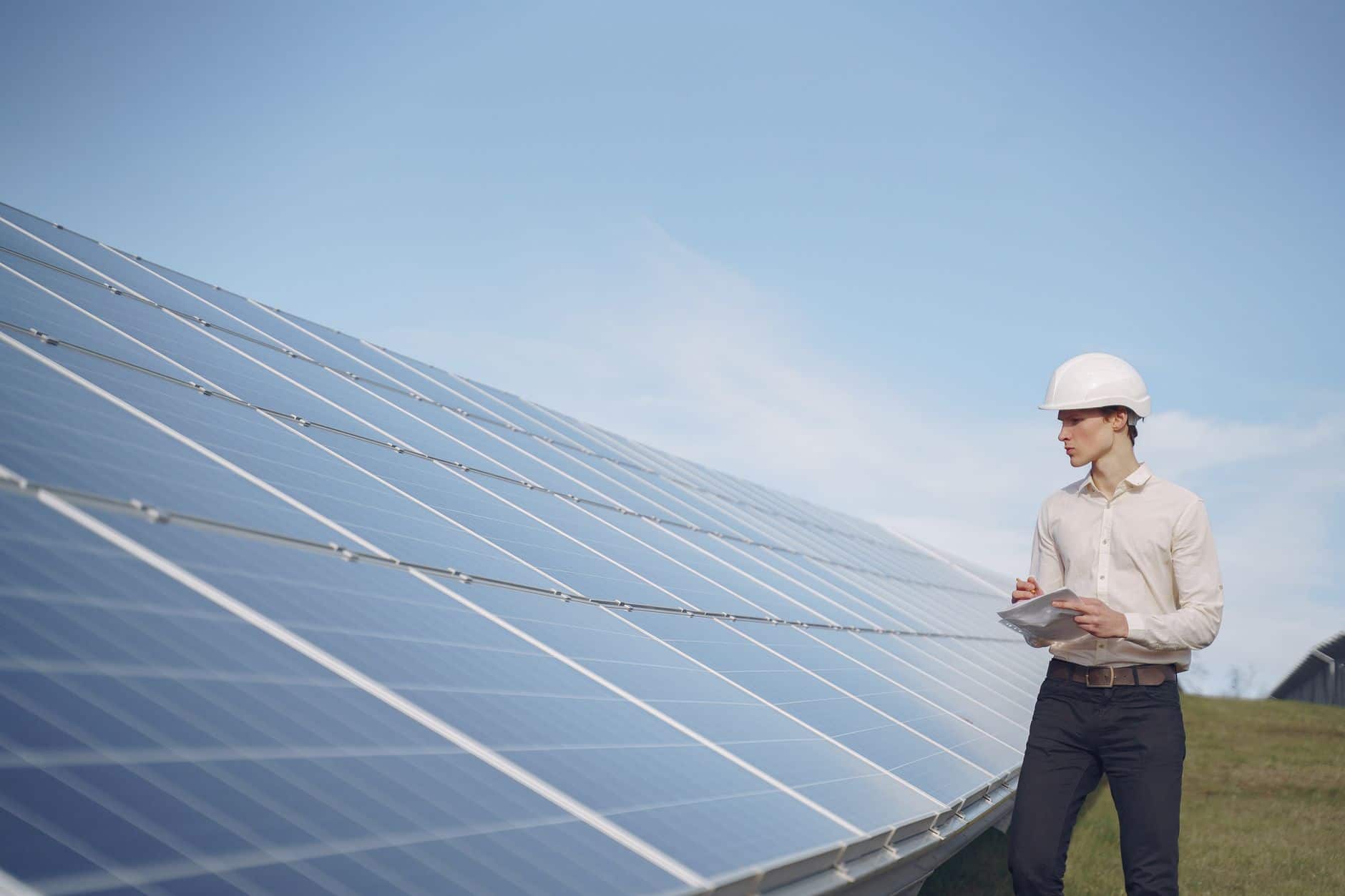
Hidden Bypass Diode Faults Threaten Solar Safety
Lost bypass diodes stay invisible in standard tests but can cause severe overheating and fire when shading occurs, prompting a shift to EL imaging and shaded thermography for detection.
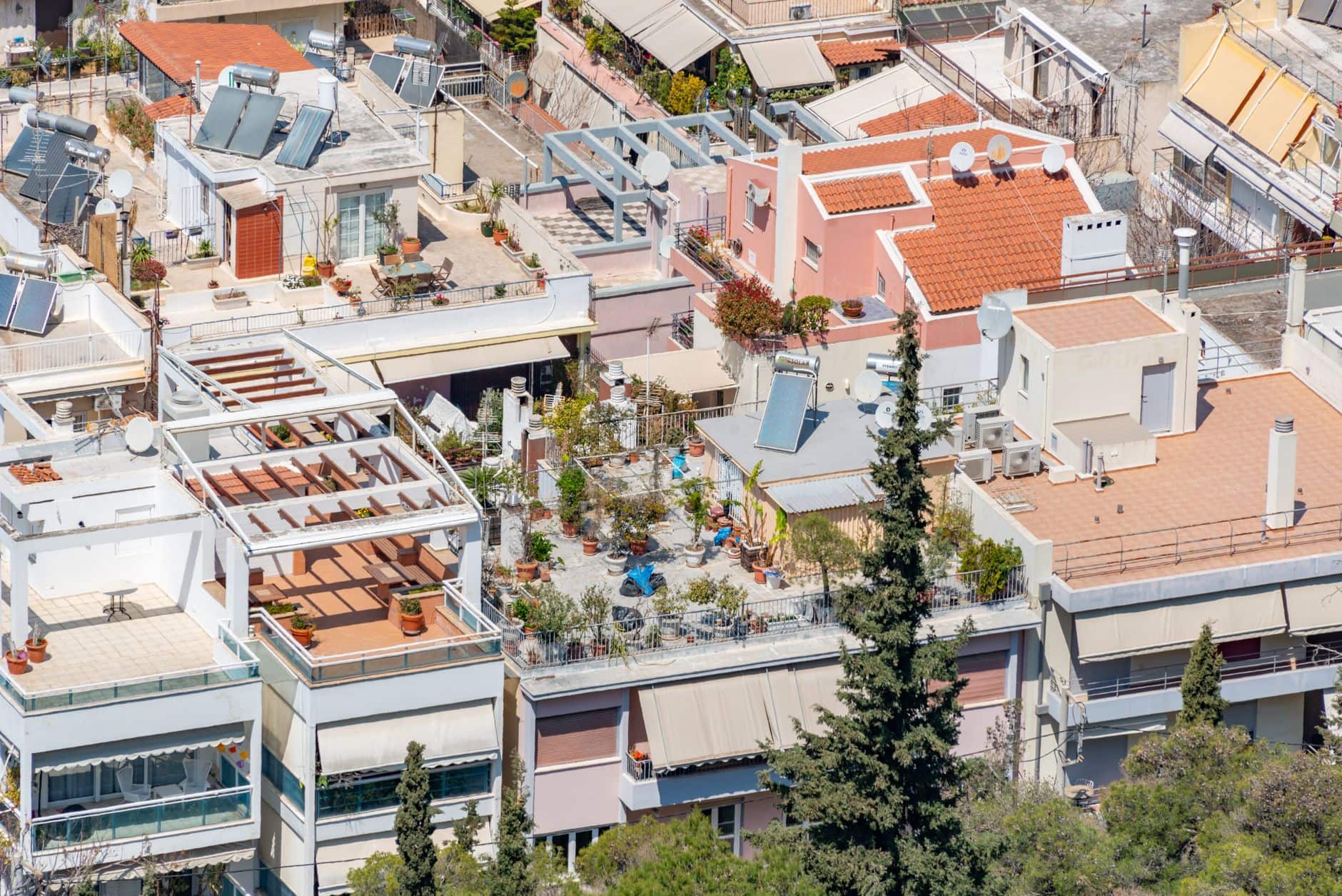
Solar Irradiance Surges in 2026: Global Trends & What It Means for Israel
Solar irradiance was 5‑10 % above average across Europe, the U.S., Southeast Asia and Central Africa in the first half of 2026, driven by a shift from early‑year blocking to a developing El Niño.
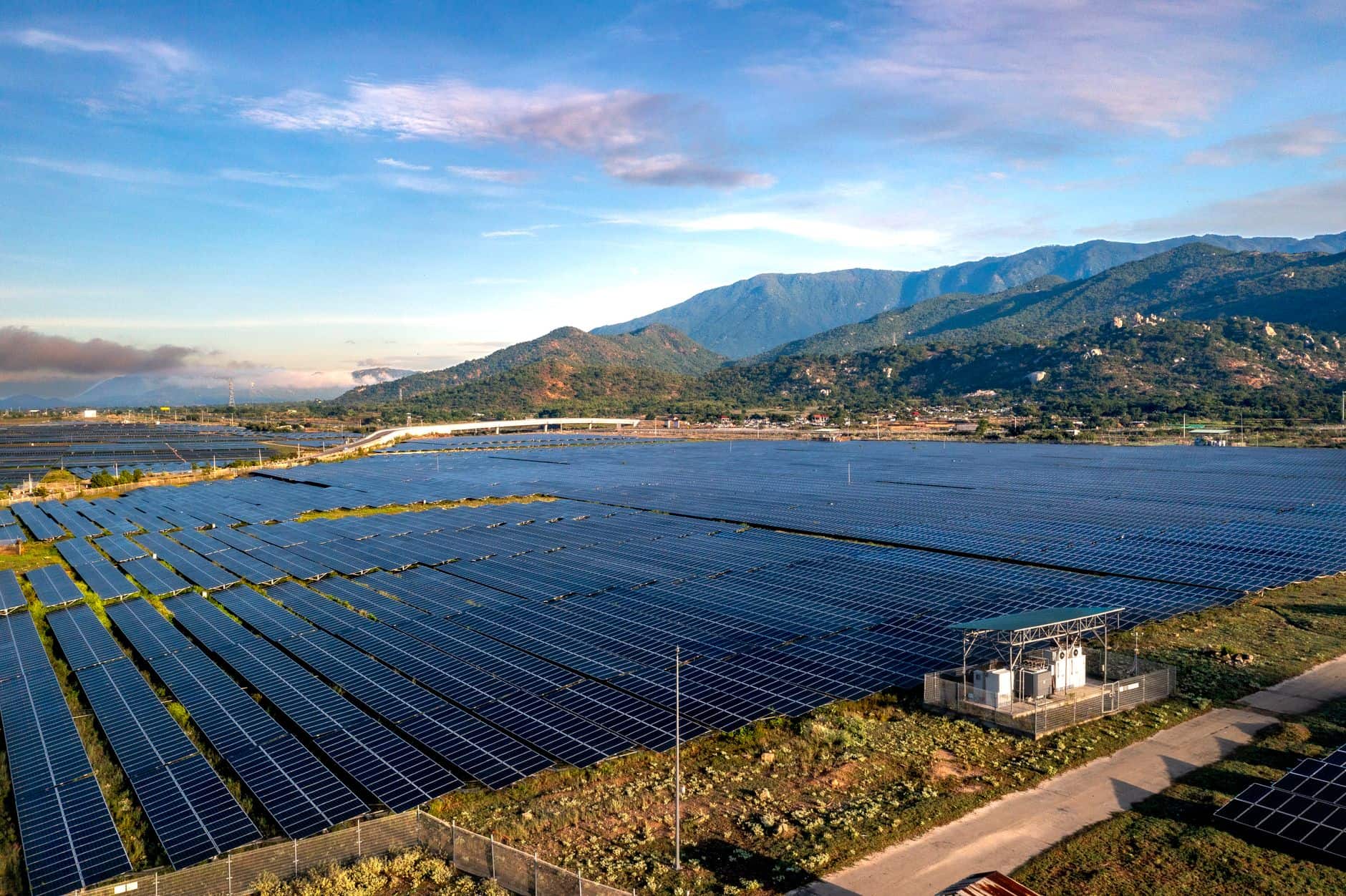
Bhutan Gets $160 M Boost for 310 MW Solar
Bhutan secured a US$160 million ADB loan to build three solar farms totaling 310 MW, its first private‑majority PPP in the energy sector, aiming to cut imports and create green jobs.
Australia’s 50 MW Green Hydrogen Hub Approved
Orica has secured A$432 million to build a 50 MW green‑hydrogen hub in New South Wales, which will produce about 4,700 tonnes of hydrogen per year and illustrate the scale of clean‑energy projects that can support Israel’s renewable‑energy targets.