Agrivoltaics Could Secure Fertiliser Supply
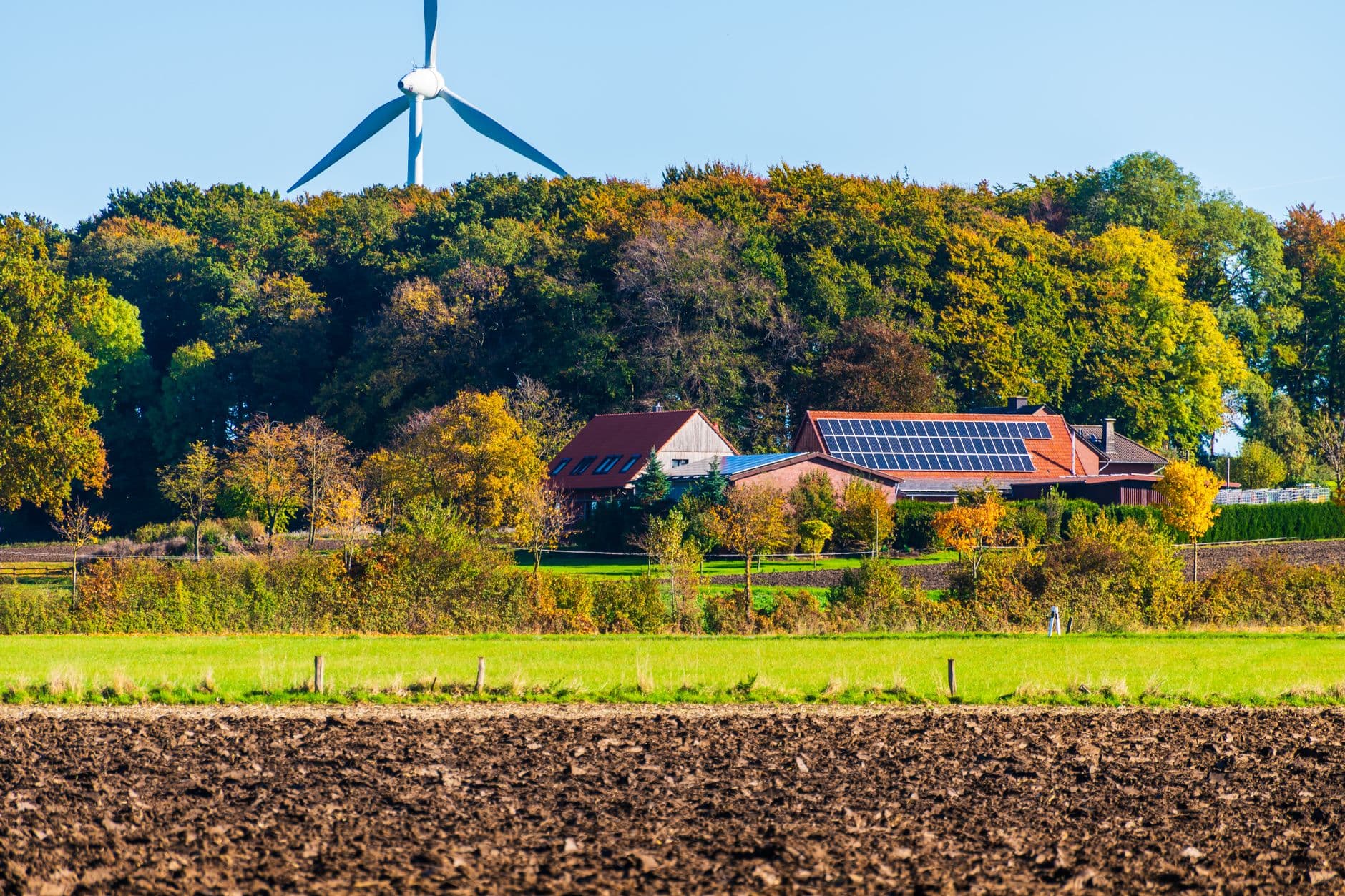
Integrated agrivoltaic‑fertiliser model – Co‑locating solar, maize, ethanol and urea creates a self‑sustaining loop.
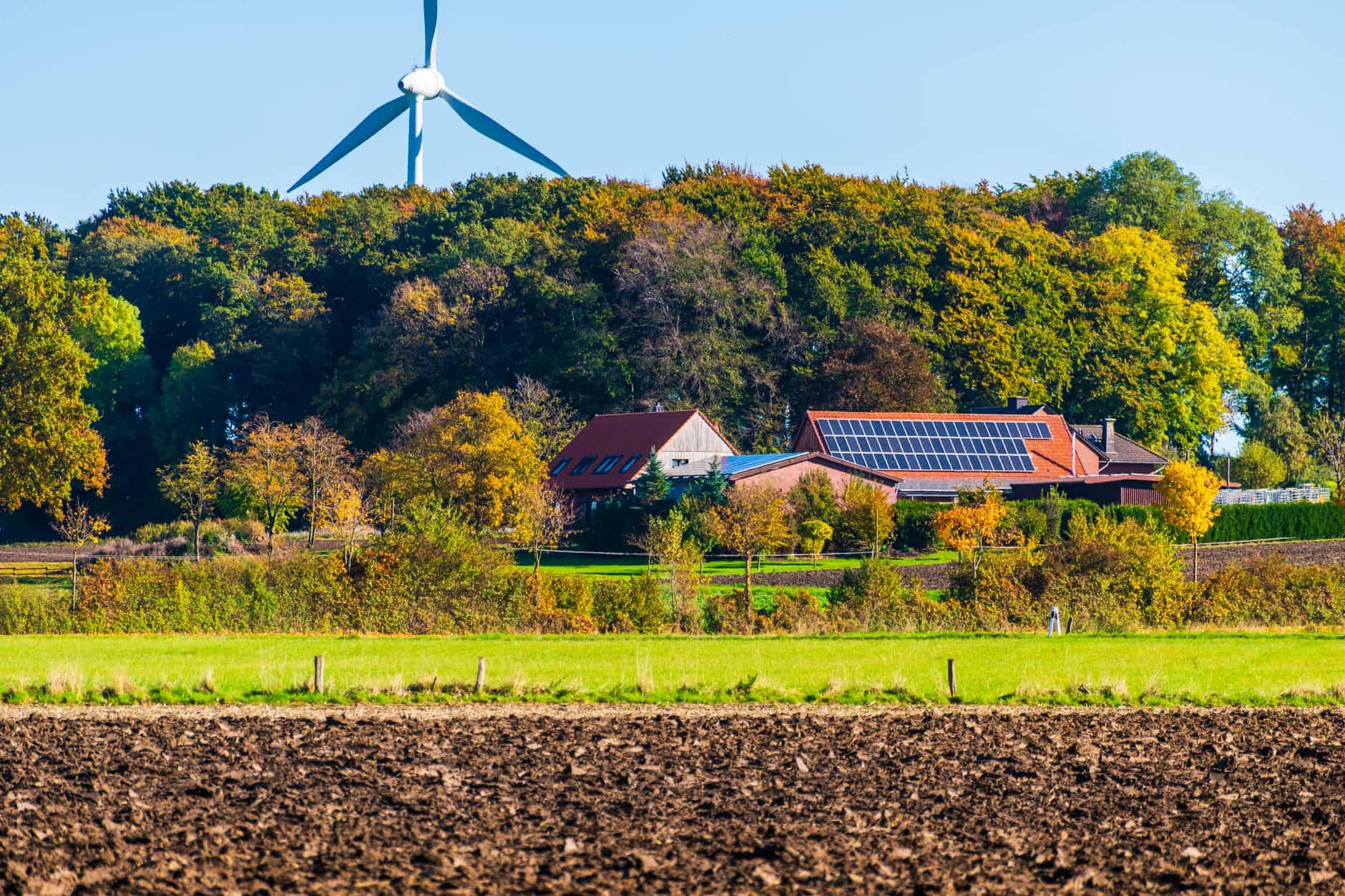
At the heart of the proposal is a cluster where photovoltaic panels are installed above maize fields, generating electricity that powers a nearby ethanol plant and an electrolyzer for green hydrogen. The hydrogen feeds ammonia synthesis, while the high‑purity CO₂ captured from ethanol fermentation is fed directly into urea production. This closed‑loop reduces reliance on imported natural gas, cuts emissions, and gives farmers dual revenue streams from crops and solar power.
The concept is detailed by senior analysts Suhas Sathyakiran and Saptak Ghosh in pv‑magazine, and is supported by policy signals such as India’s KUSUM 2.0 scheme, which aims to install 10 GW of agrivoltaic capacity nationwide.
Why India needs agrivoltaics – Fertiliser subsidies are unsustainable.
India imported 27 % of its urea and over 80 % of the natural gas used for fertilizer production in 2025. When global gas prices spike, the government’s subsidy bill swelled to INR 1.71 lakh crore (≈ $17.9 bn) in the 2024‑25 fiscal year. These subsidies strain public finances and expose farmers to price volatility. By replacing gas‑derived ammonia with green hydrogen and using biogenic CO₂, agrivoltaic clusters can cut the fuel cost component of urea, shielding the sector from future gas shocks.
Economics of the cluster – Multiple revenue streams make the model viable.
- Solar electricity generated on‑farm can offset industrial power costs by 35 %–50 %, depending on state tariffs.
- Ethanol production benefits from India’s mandatory blending programme, which hit its 20 % ethanol‑by‑volume target a year early in 2025.
- Carbon credits from captured biogenic CO₂ and renewable electricity can be sold on voluntary markets, adding a further income layer.
- Farmers earn from maize yields (≈ 400 L ethanol per tonne of maize) and from selling solar power under feed‑in‑tariffs or captive power agreements.
Together, these streams can bring the levelised cost of electricity (LCOE) for the cluster down to ≈ ₹3–4/kWh, well below the average industrial tariff of ₹6–7/kWh in many states.
What it means for Israel – A similar agrivoltaic‑energy‑crop loop could boost local resilience.
Using the verified Israeli solar figures, a 10 MW agrivoltaic installation in the central region would generate:
- Annual yield: 10 MW × 1,700 kWh/kW ≈ 17 GWh.
- Revenue at residential tariff (₪0.48/kWh): 17 GWh × ₪0.48 ≈ ₪8.2 million per year.
- Installation cost (₪3,150/kW): 10 MW × ₪3,150 ≈ ₪31.5 million.
- Simple payback: ≈ 3.8 years, matching the typical Israeli residential ROI.
If Israeli farms paired solar canopies with a small‑scale bio‑ethanol or biogas plant, the captured CO₂ could feed local fertilizer producers, reducing dependence on imported natural gas (which accounts for ≈ 70 % of Israel’s energy mix). The same financial logic that makes the Indian model attractive would apply: diversified farm income, lower industrial electricity bills, and access to carbon‑credit markets.
Outlook – Scaling the concept will need coordinated policy.
The technical pieces—solar PV, electrolyzers, ethanol fermentation, and urea synthesis—already exist at commercial scale. What remains is a policy framework that links them. India’s upcoming KUSUM 2.0 scheme, farmer producer organisations, and green‑bond financing are poised to catalyse the first clusters. Israel could emulate this by integrating its 30 % renewable electricity target for 2030 with agricultural subsidies, encouraging pilot projects that combine solar canopies with on‑farm bio‑fuel or green‑hydrogen units.
If these integrated clusters become widespread, both countries could dramatically cut fertilizer import bills, stabilise farmer incomes, and move toward self‑reliant (Atmanirbharta) fertilizer production while delivering clean energy.
For a deeper dive into the numbers, try our solar ROI calculator and explore regional data on our market page.
FAQ
How does agrivoltaics reduce fertilizer costs?
Solar electricity powers green‑hydrogen production for ammonia, while CO₂ from ethanol fermentation feeds urea, cutting the need for expensive natural‑gas‑derived inputs.
What is the size of India's planned agrivoltaic rollout?
The KUSUM 2.0 scheme targets **10 GW** of agrivoltaic installations across the country.
How much ethanol can be made from one tonne of maize?
Around **400 litres** of ethanol are produced per tonne of maize.
Can Israeli farms use the same model?
Yes – a 10 MW solar‑crop system in central Israel would generate about 17 GWh annually, paying back in under four years at typical tariffs.
What carbon benefit does the model provide?
Capturing biogenic CO₂ from ethanol cuts fossil‑based CO₂ use in urea and can generate carbon‑credit revenue.
What policy changes are needed?
Coordinated incentives linking solar, bio‑fuel and fertilizer sectors, plus financing mechanisms like green bonds, are essential.
Share this post
More from Technology
6
Hidden Bypass Diode Faults Threaten Solar Safety
Lost bypass diodes stay invisible in standard tests but can cause severe overheating and fire when shading occurs, prompting a shift to EL imaging and shaded thermography for detection.

Solar Irradiance Surges in 2026: Global Trends & What It Means for Israel
Solar irradiance was 5‑10 % above average across Europe, the U.S., Southeast Asia and Central Africa in the first half of 2026, driven by a shift from early‑year blocking to a developing El Niño.

Bhutan Gets $160 M Boost for 310 MW Solar
Bhutan secured a US$160 million ADB loan to build three solar farms totaling 310 MW, its first private‑majority PPP in the energy sector, aiming to cut imports and create green jobs.
Australia’s 50 MW Green Hydrogen Hub Approved
Orica has secured A$432 million to build a 50 MW green‑hydrogen hub in New South Wales, which will produce about 4,700 tonnes of hydrogen per year and illustrate the scale of clean‑energy projects that can support Israel’s renewable‑energy targets.


Predictive Tracker Tech Boosts Solar Yield
Sunner’s True Wind predicts tracker galloping in real time, reducing wind‑related downtime and modestly boosting solar output.