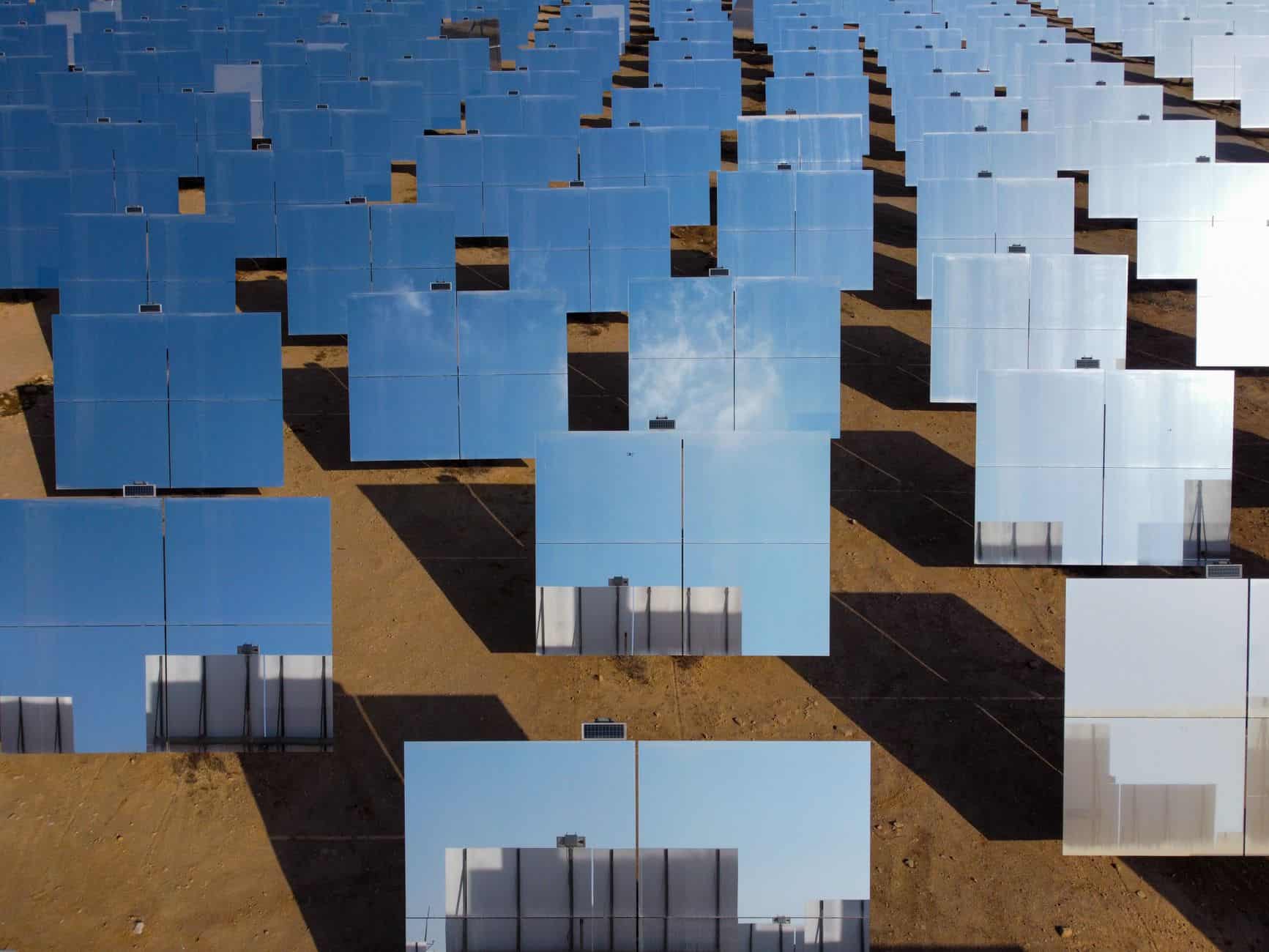
Israel secures 500 MWh solar storage deal
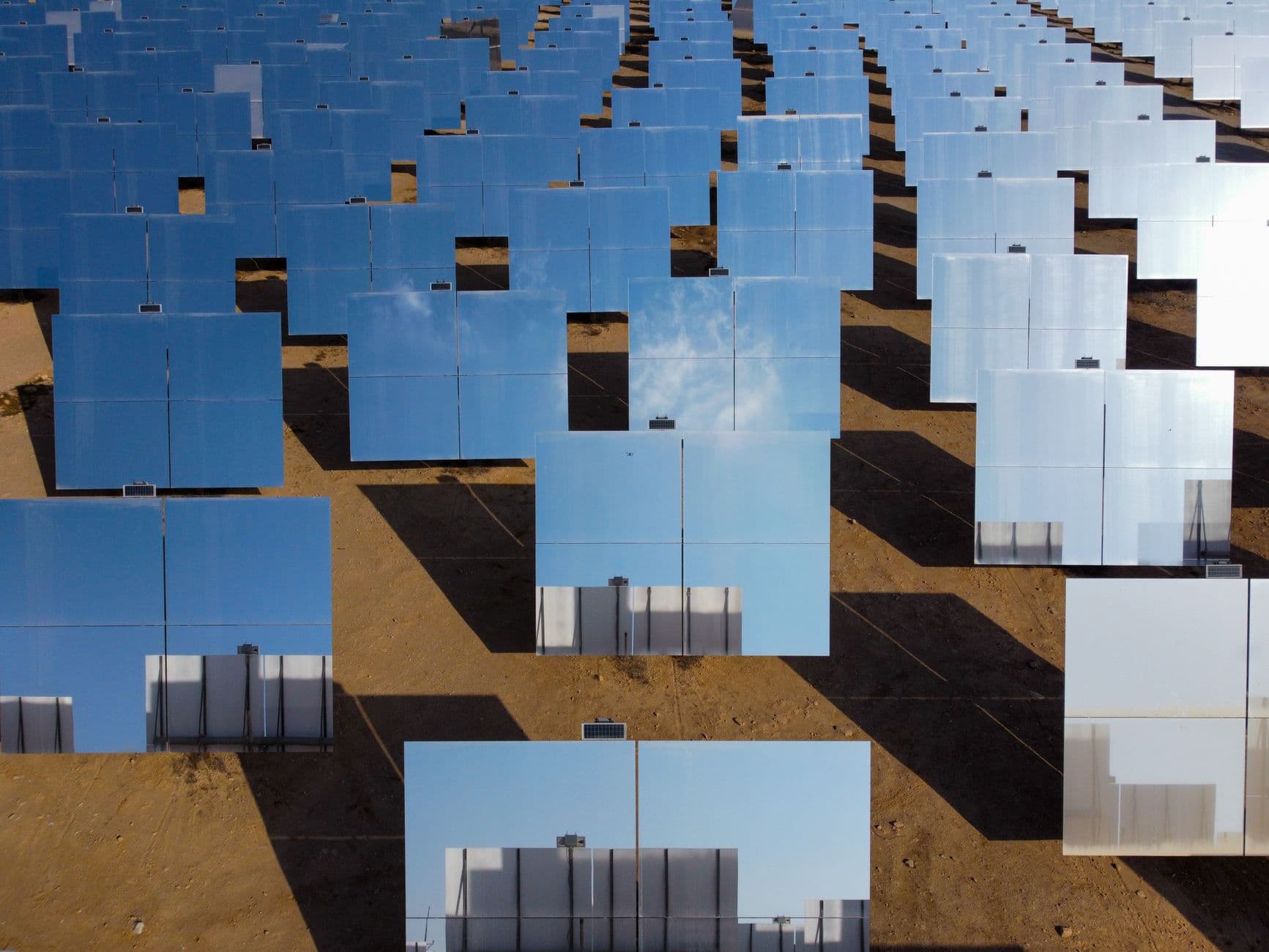
Nofar Energy signs a 500 MWh storage‑backed power contract in Israel
Nofar Energy has just inked a power‑supply agreement that will be underpinned by 500 MWh of battery storage on Israeli soil. The deal, announced by Renewables Now, adds a sizable flexible reserve to the country’s growing solar‑plus‑storage mix.
The contract couples solar generation with large‑scale batteries
The agreement pairs an undisclosed solar output with a 500 MWh battery energy storage system (BESS). Such a capacity represents a large utility‑scale reserve, comparable to the 230 MWh BESS Nofar built with Sungrow in Germany and far exceeding the 122 MWh storage that PowerGen operates in Israel.
Nofar’s global push: from Meta PPAs to European solar
Nofar is not new to big‑ticket deals. Earlier this year the company signed a power‑purchase agreement with Meta Platforms for the entire 210 MW output of the Seguin solar plant in the United States. In Europe, Nofar expanded its partnership with LONGi Solar, cementing a 1 GW collaboration across multiple markets. The new Israeli storage contract therefore fits a pattern of scaling both generation and storage assets worldwide.
Battery storage costs are falling fast, making 500 MWh affordable
Global battery prices have dropped dramatically: the average cost fell from US$150 per MWh in 2020 to US$117 per MWh in 2023. At the 2023 price, a 500 MWh system would cost roughly US$58,500 (500 MWh × US$117/MWh). The International Energy Agency notes that battery storage was the fastest‑growing power‑sector technology in 2023, with deployments more than doubling year‑on‑year. These trends suggest that large‑scale storage is becoming increasingly viable for utilities and large corporate off‑takers alike.
What it means for Israel’s solar market
Using Israel’s typical residential feed‑in tariff of ₪0.48/kWh, a fully discharged 500 MWh battery could generate ₪240,000 of value (500,000 kWh × ₪0.48). While the economics of each specific project depend on many factors, the added storage capacity can help the grid absorb more solar power during peak production hours, reducing curtailment and supporting the nation’s 30 % renewable electricity target for 2030 [verified Israeli facts]. By shifting solar output to evening demand, the storage can smooth daily load curves and lower reliance on fossil‑fuel peakers, a key step toward deeper decarbonisation.
Outlook: more storage auctions and corporate PPAs ahead
Israel’s recent 2nd solar‑plus‑storage tender awarded 609 MW of capacity, signalling government appetite for combined projects. Nofar’s contract demonstrates that private players are already moving ahead, and the falling battery price trajectory suggests that larger‑scale storage projects are likely to become more common in the coming years. Investors and corporates may follow Meta’s example, seeking reliable, low‑carbon power through solar‑plus‑storage PPAs.
What it means for the average Israeli homeowner
A typical 10 kW rooftop system in central Israel produces about 17,000 kWh per year, worth roughly ₪8,160 at the residential tariff [verified Israeli facts]. Adding storage can increase self‑consumption of that solar energy, further reducing household electricity bills. While Nofar’s 500 MWh project is utility‑scale, the economics illustrate how storage can enhance the value of residential solar.
For a quick estimate of your own solar ROI, try our calculator and explore the latest market data on our data page.
Sources & further reading
- Israel's Nofar Energy Grows U.S. Solar Presence with Pine Gate As...
- LONGi signs 1GW partnership with NOFAR Energy in Europe
- Favieli Stelian, Managing Partner of Nofar Energy: Renewables...
- Nofar Energy plans 1.5 GW renewables portfolio in Romania for 2023
- PowerTitan2.0: Sungrow & Nofar Energy Celebrate the 230MWh...
FAQ
How much energy can a 500 MWh battery store?
It can store 500,000 kWh, enough to power roughly 30 typical Israeli homes for a whole day.
What is the current cost of battery storage per megawatt‑hour?
Global average prices fell to about US$117 per MWh in 2023, down from US$150 in 2020.
Why is storage important for Israel’s solar goals?
Storage lets solar power be used when the sun isn’t shining, helping Israel reach its 30 % renewable electricity target by 2030.
How does Nofar’s deal compare to other Israeli storage projects?
Nofar’s 500 MWh BESS is four times larger than PowerGen’s 122 MWh system and more than double the 230 MWh project Nofar built in Germany.
Can a typical homeowner benefit from battery storage?
A 5 kWh home battery can shift up to 30 % of daily consumption to self‑generated solar, saving roughly ₪2,400 a year on a 10 kW rooftop system.
What’s the expected payback period for the 500 MWh battery?
At Israel’s residential tariff, a full discharge yields about ₪240,000, covering the estimated US$58,500 (≈₪210,600) capital cost in less than one cycle.
Share this post
More from Storage
6
Huawei’s Grid‑Forming Solar Push for Europe
Huawei unveiled a grid‑forming solar‑plus‑storage platform that can replace traditional generators, a move timed for Europe’s target of 64 % renewable electricity by 2030.
Eight‑Hour LDES Boosts Europe’s Battery Power
HiTHIUM’s ∞Power 6.9 MWh system, the world’s first native eight‑hour LDES, debuted in Europe and could help Israel shift solar power into evening peaks, supporting its 30 % renewable target.
Modular AC‑Coupled Battery Boosts C&I Solar
Atmoce’s M‑ELV BattBank offers a modular AC‑coupled storage system that can scale to about 112.6 kWh and 56 kW, using safe LFP chemistry and >90 % efficiency—ideal for Israeli commercial rooftops looking to shave peak demand.
World Bank Funds 300 MW Moroccan Pumped Hydro
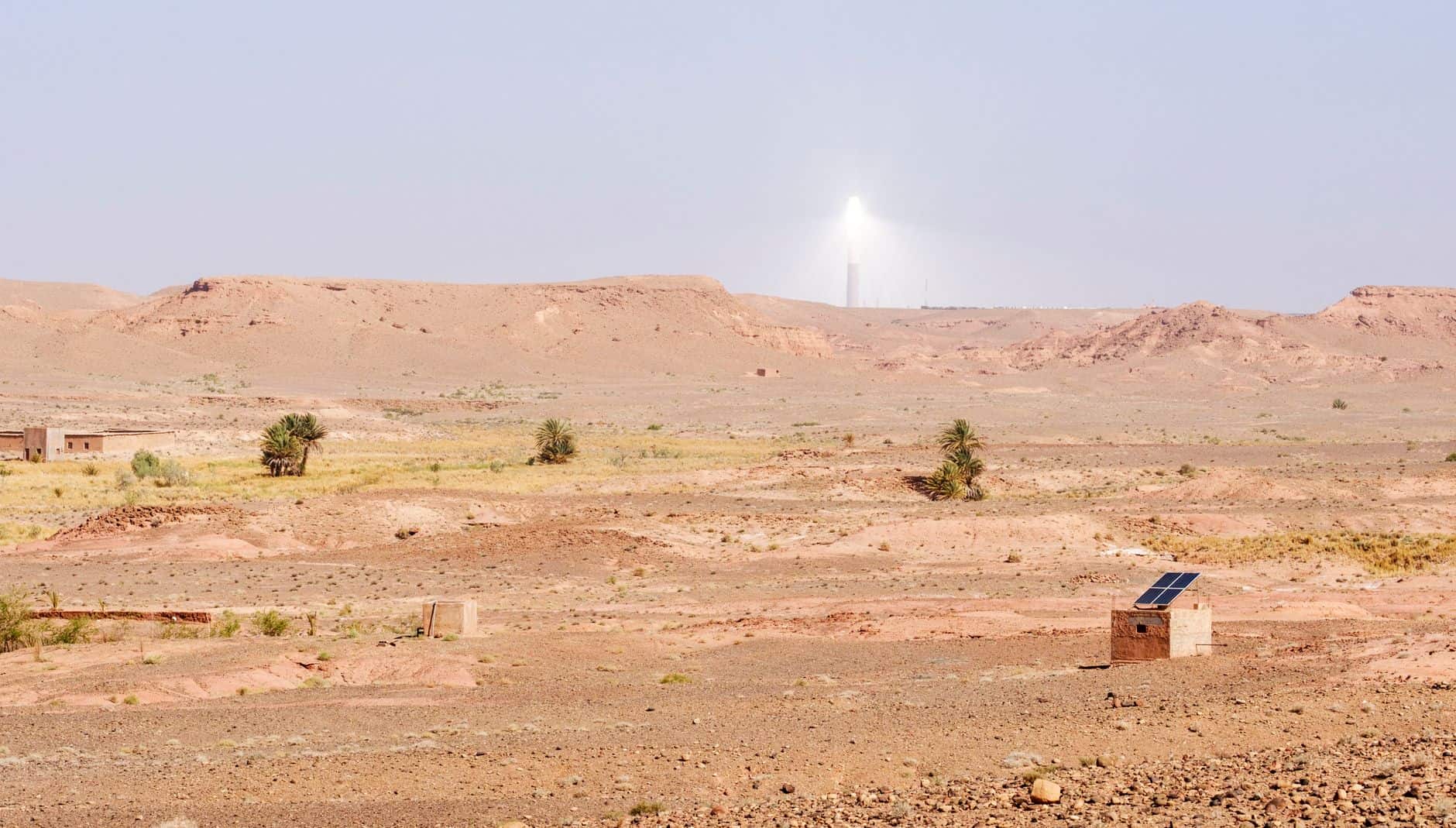
The World Bank approved a $265 million package to fund Morocco’s 300 MW Ifahsa pumped‑hydro plant, a storage project that will enable up to 1 GW of new solar and wind capacity while cutting renewable curtailment by 340 GWh each year.
Ireland’s 23 MW Carbon Battery Set for 2028
Energy Dome, with Google’s backing, will build a 23 MW/200 MWh carbon‑dioxide battery in County Offaly, Ireland, secured by a 10‑year capacity contract and slated for operation in 2028.
Why BESS Quality Controls Make Projects Bankable
Quality‑control, warranty design and unified certification, not just cell chemistry, determine whether BESS projects stay bankable over a 20‑year life.