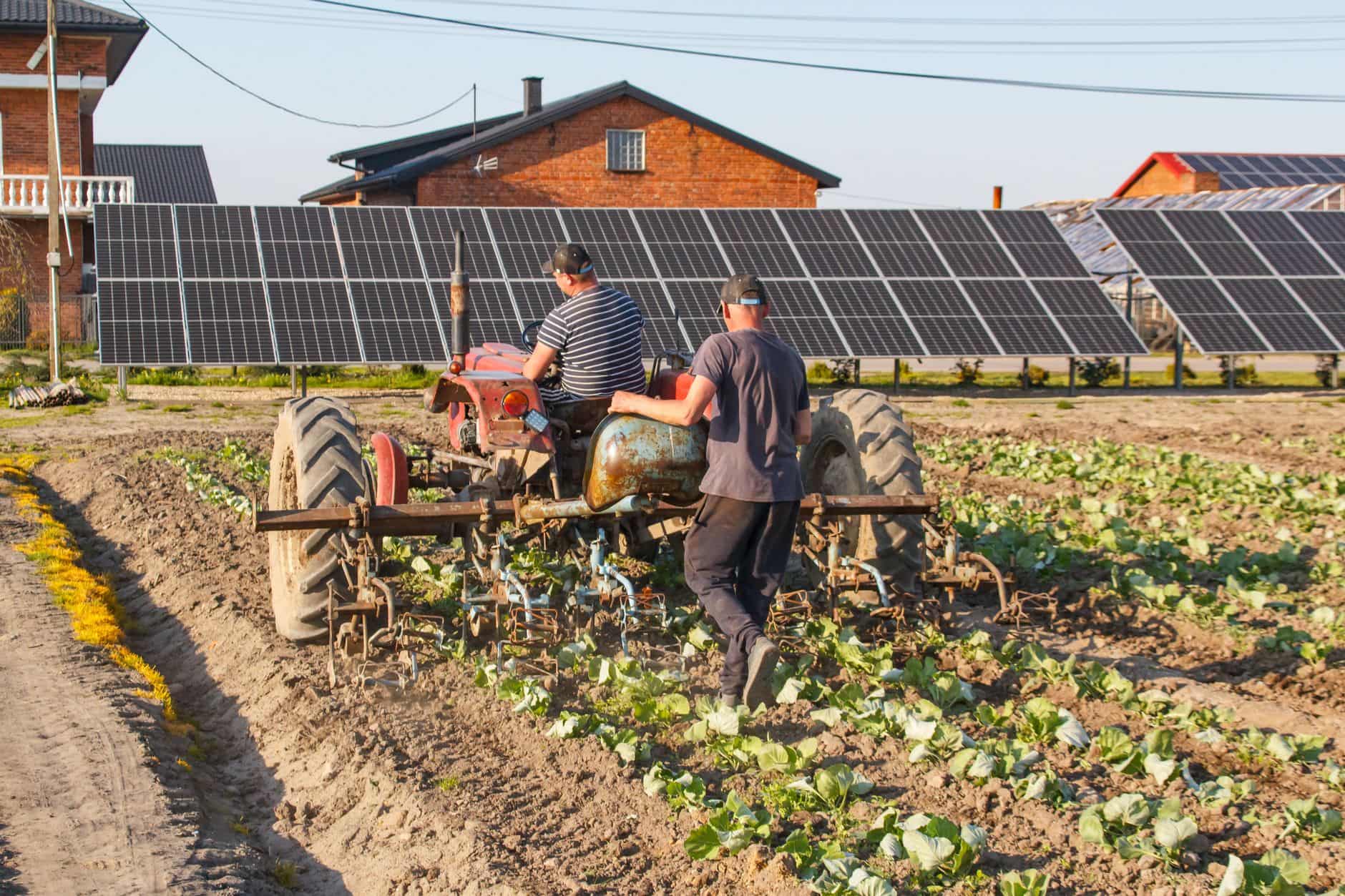
Israel's AI Agri Drive Aims at Philippines
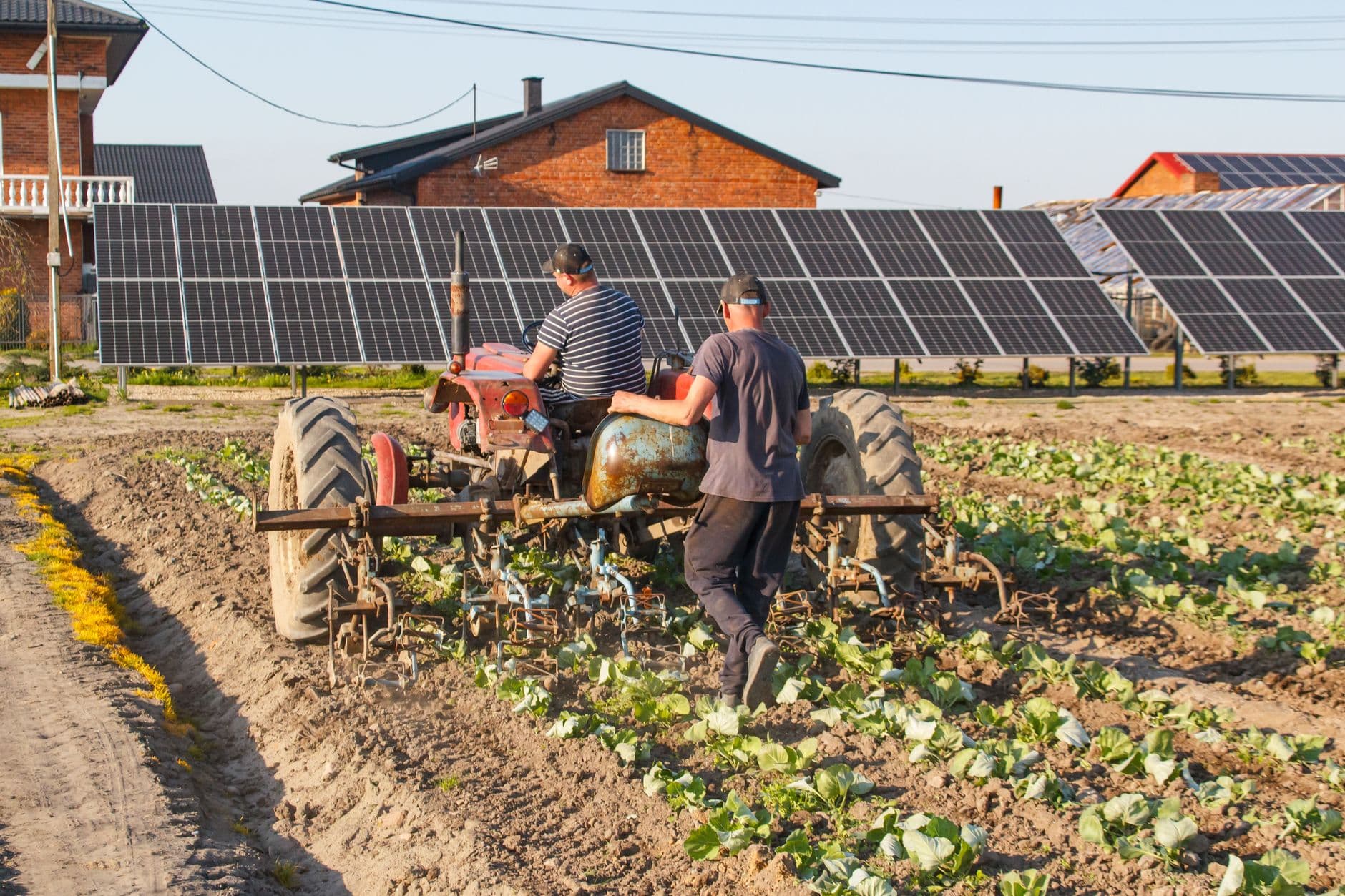
Israel pitches AI‑powered farming to the Philippines
Israel is actively promoting its AI‑driven agricultural technologies as a cornerstone of a new trade push with the Philippines, showcasing eleven Israeli agri‑tech firms at a roadshow in Manila and seeking to seal partnerships that could modernise Filipino farms.
Israel’s agri‑tech market is booming
The Israeli agriculture sector is already a multi‑billion‑dollar industry. According to Mordor Intelligence, the market was worth US$13.58 billion in 2026 and is projected to reach US$16.33 billion by 2031, growing at a 3.75 % CAGR. Technavio’s forecast adds that the market will expand by US$2.76 billion between 2023‑2028, driven by a 4.6 % CAGR and rapid AI integration. Investment in Israeli agri‑tech totals roughly US$300 million, a figure that Ken Research says is set to climb as global investors chase innovation.
Flagship AI solutions are already field‑tested
Israeli firms have turned AI into practical farm tools. Netafim’s smart‑irrigation controllers and CropX’s soil‑sensor platforms use machine‑learning algorithms to optimise water delivery, improving efficiency while maintaining yields. Taranis offers a generative‑AI agronomy engine – the Ag Assistant™ – that analyses satellite imagery and sensor data to recommend crop‑input decisions in real time. Platforms such as Prospera combine computer‑vision with predictive analytics to detect disease early, helping growers avoid costly losses.
The Philippines partnership is already concrete
At the Israel Agricultural‑Tech Roadshow in Makati, eleven Israeli companies met with about 100 Philippine firms and start‑ups, launching a B2B matchmaking session aimed at exporting AI‑driven farm tech to the archipelago. Israeli Ambassador Ilan Fluss highlighted the goal of turning Filipino farms from subsistence to commercial operations through these technologies. The dialogue dovetails with a broader Philippines‑Israel free‑trade discussion that earmarks agriculture, innovation and cybersecurity as priority sectors.
Why AI matters for farm productivity and the environment
AI‑enabled precision farming can improve yields and reduce water and fertilizer use by applying inputs only where needed, thereby lowering runoff and greenhouse‑gas emissions. The environmental payoff is notable: each kilowatt‑hour of solar‑powered AI equipment avoids roughly 0.5 kg CO₂.
What it means for Israel’s economy and climate goals
Exporting AI agri‑tech aligns with Israel’s ambition to become a global innovation hub and supports its 30 % renewable electricity target for 2030. A simple back‑of‑the‑envelope calculation shows how solar‑powered AI irrigation can be financially attractive for Israeli farmers and, by extension, for export‑ready solutions:
- Assumptions: a typical 10 kWp residential solar system in central Israel (average yield 1,700 kWh / kW · yr) costs ₪3,150 / kW (typical residential install) and generates ≈17,000 kWh / yr.
- Revenue: at the residential feed‑in tariff of ₪0.48 / kWh, the electricity is worth ≈₪8,160 / yr.
- Payback: the installation costs ≈₪31,500, giving a simple payback of ~3.9 years – well before the 25‑year system life.
Bundling solar generation with AI‑driven water management offers a turnkey, cost‑neutral solution that can help growers cut operating expenses while meeting sustainability targets.
Outlook: scaling up and deepening ties
Both governments see the partnership as a long‑term growth engine. The Philippines aims to modernise its 4,000‑acre AI‑native farm pilot, while Israel hopes to capture a slice of the US$1 billion bilateral trade forecast for 2024. Continued collaboration on standards, data sharing and joint R&D could accelerate AI adoption across Southeast Asia, positioning Israel as the go‑to source for smart‑farm technology.
What it means for Israel
For Israeli farmers, the surge in AI agri‑tech creates a domestic market for high‑value equipment, spurring job creation in hardware, software and data services. Exporting these solutions also diversifies Israel’s high‑tech export basket beyond cybersecurity and medical devices, feeding into the national goal of 20 % renewable electricity by 2025 and 30 % by 2030. Moreover, the solar‑powered AI kits showcase how Israel can leverage its own renewable‑energy expertise to make its agri‑tech exports environmentally credible – a selling point in climate‑conscious markets like the Philippines.
What it means for Israel (quick takeaway)
- Israeli AI agri‑tech is a multi‑billion‑dollar industry poised for export growth.
- The Philippines roadshow locked in 11 firms ready to sell smart‑farm solutions.
- Solar‑powered AI irrigation can pay for itself in under four years, making it a financially sound export.
- Scaling these deals supports Israel’s renewable‑energy targets and creates high‑tech jobs.
For a deeper dive into the economics of solar‑plus‑AI systems, try our solar ROI calculator and explore market data on our agri‑tech page.
Sources & further reading
- Israel Agriculture Market Size, Trends, Share & Analysis Report 2031
- Agriculture Market in Israel Growth Analysis - Size and Forecast 2024 - 2028 | Technavio
- Israel Agriculture Market | 2019 – 2030 - Ken Research
- Israel Agtech Market Summary, Competitive Analysis and Forecast to 2029
- Israel Agriculture Market Size, Share, Growth and Forecast 2032
FAQ
Which Israeli agri‑tech companies are targeting the Philippines?
Netafim, Taranis, CropX, Prospera and several others showcased at the Makati roadshow, with eleven firms overall seeking Philippine partners.
How big is Israel’s agriculture market?
It was about US$13.6 billion in 2026 and is projected to reach US$16.3 billion by 2031, growing at roughly 3.8 % per year.
What benefits does AI bring to farming?
AI can increase yields by 5‑15 %, cut water use up to 30 %, and reduce fertilizer and pesticide applications, lowering costs and emissions.
Can solar power make AI irrigation affordable?
A 10 kW solar system in central Israel costs about ₪31,500 and generates ₪8,160 worth of electricity per year, delivering a payback in under four years.
What is the broader economic impact for Israel?
Exporting AI agri‑tech diversifies Israel’s high‑tech exports, creates jobs, and supports its renewable‑energy targets of 20 % by 2025 and 30 % by 2030.
Is there a free‑trade deal in the works?
Yes, the Philippines and Israel are negotiating a free‑trade agreement that highlights agriculture and innovation as key sectors.
Share this post
More from Markets
6
Documentation Gaps Threaten Solar Funding
Investors are refusing to fund sound solar projects because developers lack proper quality and end‑of‑life documentation, turning paperwork into the biggest financing risk.

Chile's Solar Boom Hits 12 GW
Chile’s solar PV capacity hit 12.2 GW in May 2026, making up about 61 % of its renewable fleet and supplying roughly a quarter of the nation’s electricity.

Diversity Powers Solar’s Global Surge
Diverse, locally‑savvy teams are accelerating solar’s global boom, with 511 GW added in 2025, while Israel can cut payback to under four years by embracing inclusion and regional expertise.
TCL Zhonghuan Adds 70 GW After Das Solar Deal
TCL Zhonghuan’s July acquisition of Das Solar adds 20 GW of TOPCon cells and 50 GW of modules, and the company will invest CNY 2.6 bn to convert 20 GW of cells and 25 GW of modules to back‑contact technology, while polysilicon and wafer prices keep falling.
China Solar Module Prices Drop on Weak Europe
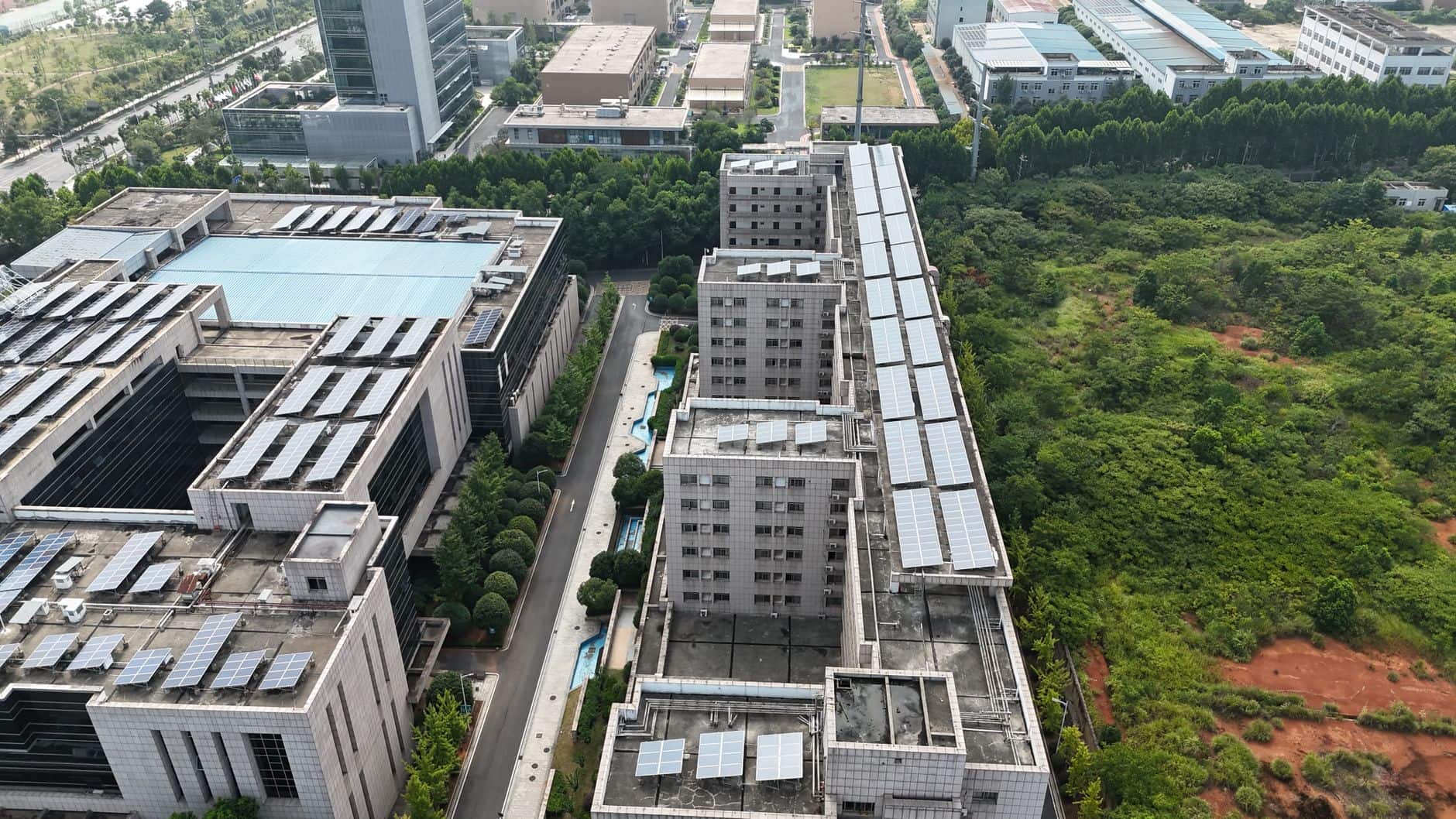
Chinese TOPCon module prices held at $0.113/W while forward contracts slipped modestly, as weaker European demand and the end of export‑tax rebates curb buying urgency.
EU Solar Hits Record 58.8 TWh in Q1 2026
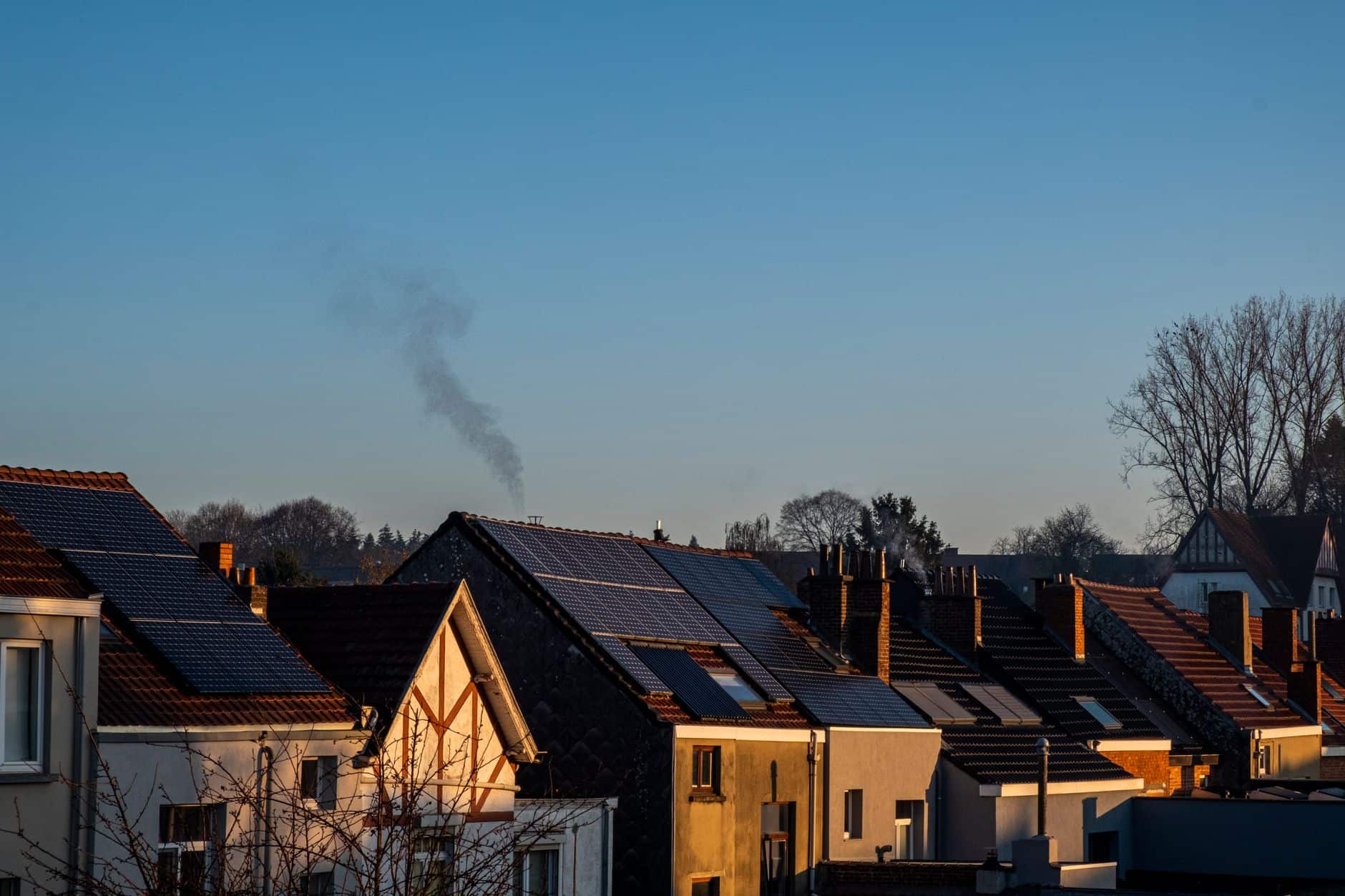
EU renewables supplied 45.5% of electricity in Q1 2026, with solar generating a record 58.8 TWh – enough to power about 13 million homes.