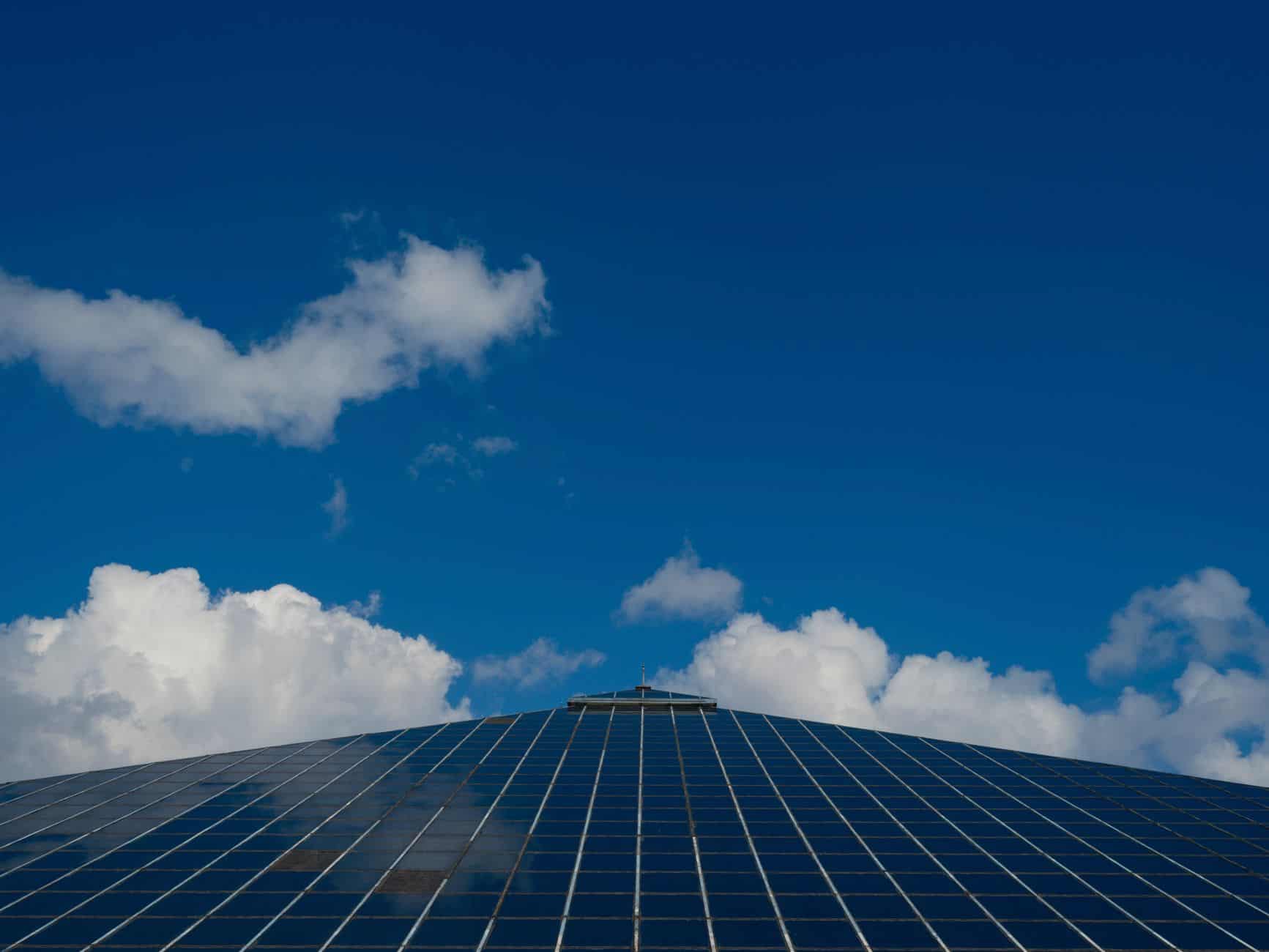
Record 35.5% Tandem Cell Pushes Solar Limits
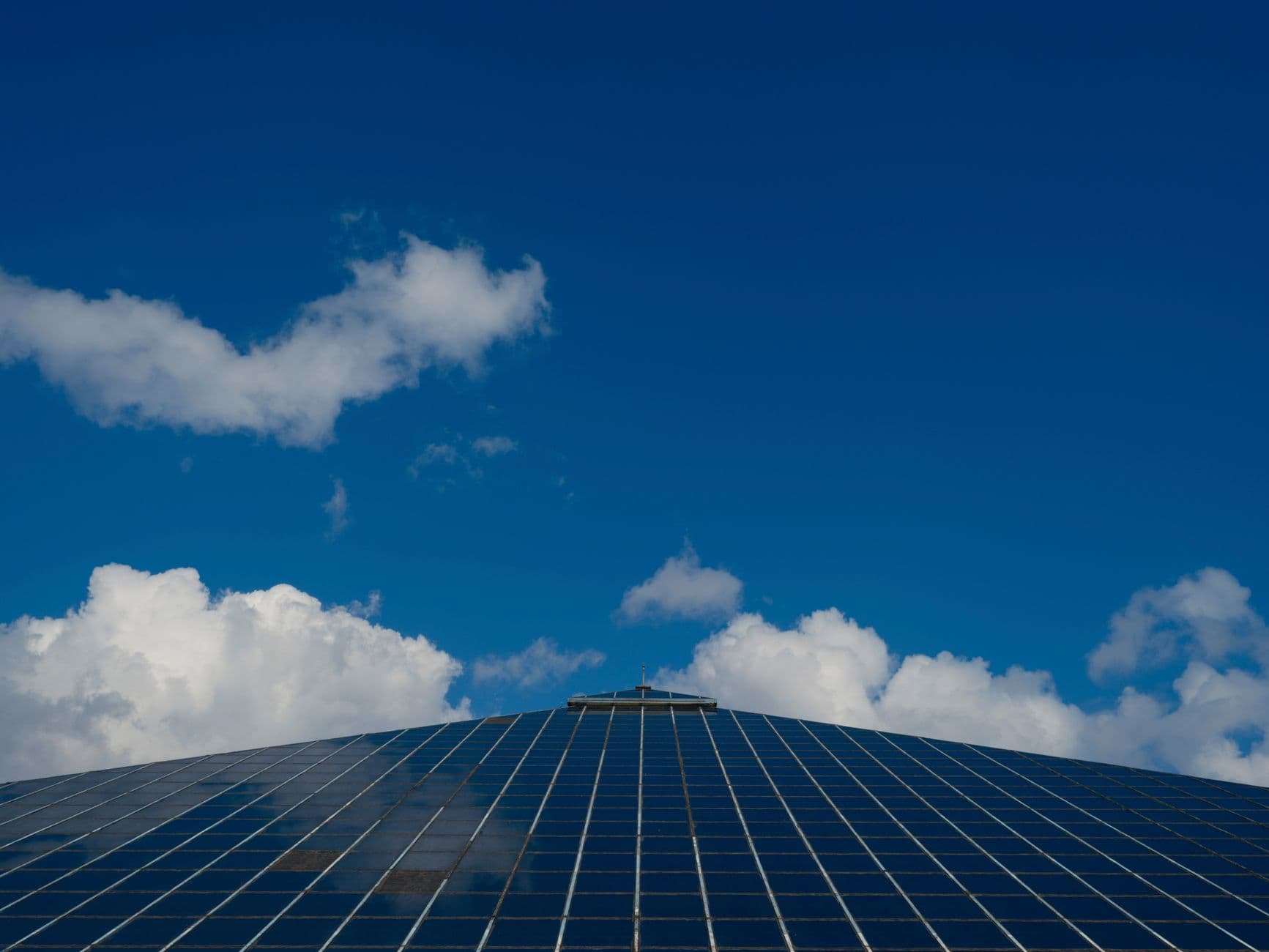
Longi’s 35.5% tandem cell shatters the efficiency record
Longi announced a 35.5 % power‑conversion efficiency for a two‑terminal crystalline silicon‑perovskite tandem solar cell, the highest ever certified for the technology. The result was independently validated by the European Solar Test Installation (ESTI), part of the EU’s Joint Research Centre in Italy, during Longi’s 2026 Solar and Storage Innovation Conference at Shanghai Jiao Tong University.
How the record was measured and why it matters
The 35.5 % figure refers to a laboratory‑scale cell; Longi did not disclose the active area or detailed IV curves, so the number represents a certified research device rather than a commercial module. The achievement builds on Longi’s own progression – 34.85 % in April 2025 (certified by NREL) and earlier milestones of 31.8 % (2023), 33.9 % (2023) and 34.6 % (2024) – showing a steady climb of 0.65 percentage points since the last record.
Perovskite‑silicon tandems stack a thin perovskite absorber (high‑bandgap) on top of a conventional silicon cell, allowing each sub‑cell to harvest a different part of the solar spectrum. This architecture bypasses the Shockley‑Queisser limit for single‑junction silicon (~29 %) and pushes theoretical efficiencies toward 45 %.
Remaining technical hurdles before mass production
Despite the record, Longi warned that large‑area deposition, uniform coating, encapsulation, long‑term stability and cost‑competitiveness still need work. In June 2025 the company demonstrated a 33 % tandem cell over a 260.9 cm² area, but scaling to commercial‑size modules introduces extra electrical losses and manufacturing complexity.
Other players are already shipping pilot‑scale tandem modules: Oxford PV began delivering 24.5 % perovskite‑silicon modules to U.S. utilities in late 2026. Commercial‑grade products are now appearing, but their efficiencies remain well below the 35.5 % laboratory record. The market for tandem cells is projected to grow from US$237 million in 2025 to US$2.5 billion by 2032, a CAGR of over 40 %.
Sources & further reading
- Perovskite-Silicon Tandem Cells: Longi's 35.5% and Qcells' IEC Cert
- Longi sets new world record with 35.5%-efficient perovskite-silicon...
- 35.5%! LONGi Once Again Breaks World Record for Crystalline Silicon...
- 35.5%! LONGi Once Again Breaks World Record for Crystalline Silicon...
- Longi sets new world record with 35.5%-efficient perovskite-silicon...
FAQ
What is a perovskite‑silicon tandem solar cell?
It’s a two‑layer device that stacks a thin perovskite absorber on top of a silicon cell, letting each layer capture different wavelengths and lift overall efficiency beyond single‑junction limits.
How does 35.5 % efficiency compare with today’s standard silicon panels?
Typical commercial silicon modules deliver around 20‑22 % efficiency, so 35.5 % is roughly 1.6‑times more efficient in converting sunlight to electricity.
When can consumers expect Longi’s tandem panels on the market?
Longi has not announced a mass‑production timeline; industry analysts expect the first commercial‑grade tandem modules from any supplier around 2026‑27 at 26‑28 % efficiency.
How much CO₂ can a typical Israeli home solar system avoid over its lifetime?
A 10 kWp system in central Israel produces about 17,000 kWh per year. At 0.5 kg CO₂ per kWh, that avoids roughly 8.5 tonnes of CO₂ each year, or about 212 tonnes over a 25‑year lifespan.
What does the record mean for solar panel prices in Israel?
Higher efficiency means fewer panels for the same power, potentially lowering balance‑of‑system costs, but the technology is still in R&D, so price impacts will appear only after commercial launch.
Share this post
More from Research
6
Passive Mooring Cuts FPV Motion by 70%
A counterweight‑and‑pulley mooring cuts floating‑PV surge by 71.7% and sway by 65.6% while tracking water‑level changes passively, promising cheaper, more stable FPV farms.
תא פרו-פסק משולש משיג 27.3% יעילות
תא פרו‑פסק משולש עם שכבת גרפין‑אוקסיד/ SAM הגיע ל‑27.3% יעילות, ושמר על 90% מה‑PCE אחרי 770 שעות של אור רציף.
Heatwaves Slash Solar Output Up to 90% in Iberia
Iberian heatwaves can slash PV output by up to 90 % in a single hour, with daily losses of up to 17.6 % – a warning that extreme heat, not duration, drives the biggest solar efficiency drops.
Recycling Solar Panels Faces Cost Hurdles
Researchers confirm that all major PV components can be recycled, but sulphur‑coated aluminium, antimony‑laden glass and falling silver content threaten the economics of large‑scale recycling.
El Niño to Boost Solar Irradiance 2026
A strengthening El Niño will lift solar irradiance above normal in the second half of 2026, especially in Southeast Asia and central‑western Europe, with up to 5 % more sunshine in parts of Europe.
Laser‑Patterned Contacts Boost TOPCon to 26%
A picosecond‑laser and KOH wet‑etch process creates poly‑Si finger contacts that cut parasitic loss and lift certified TOPCon cell efficiency to 26.08%, a boost that could shave years off Israeli rooftop solar payback.