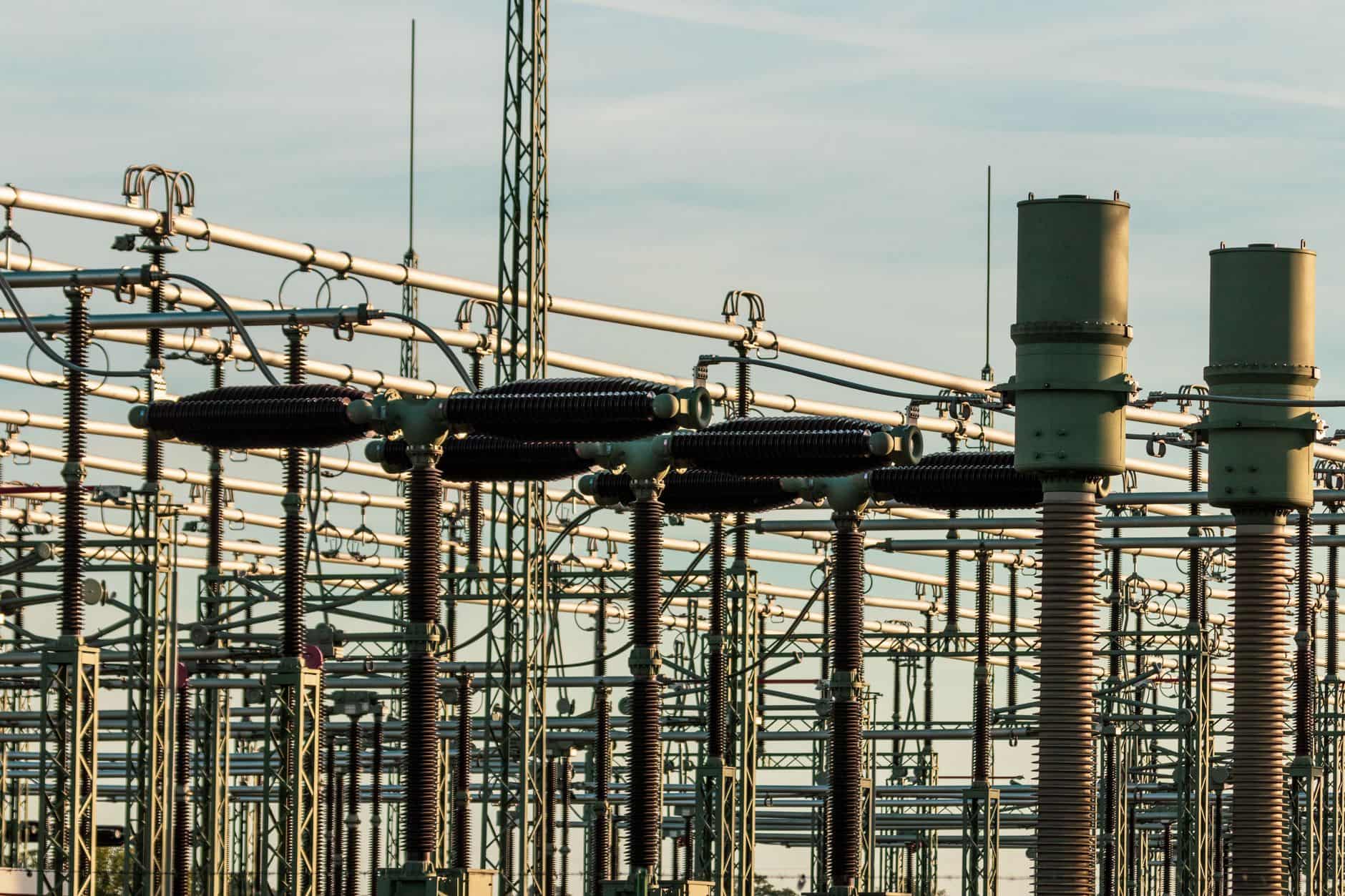
Ingeteam Unveils 4.5 MW BESS Inverter
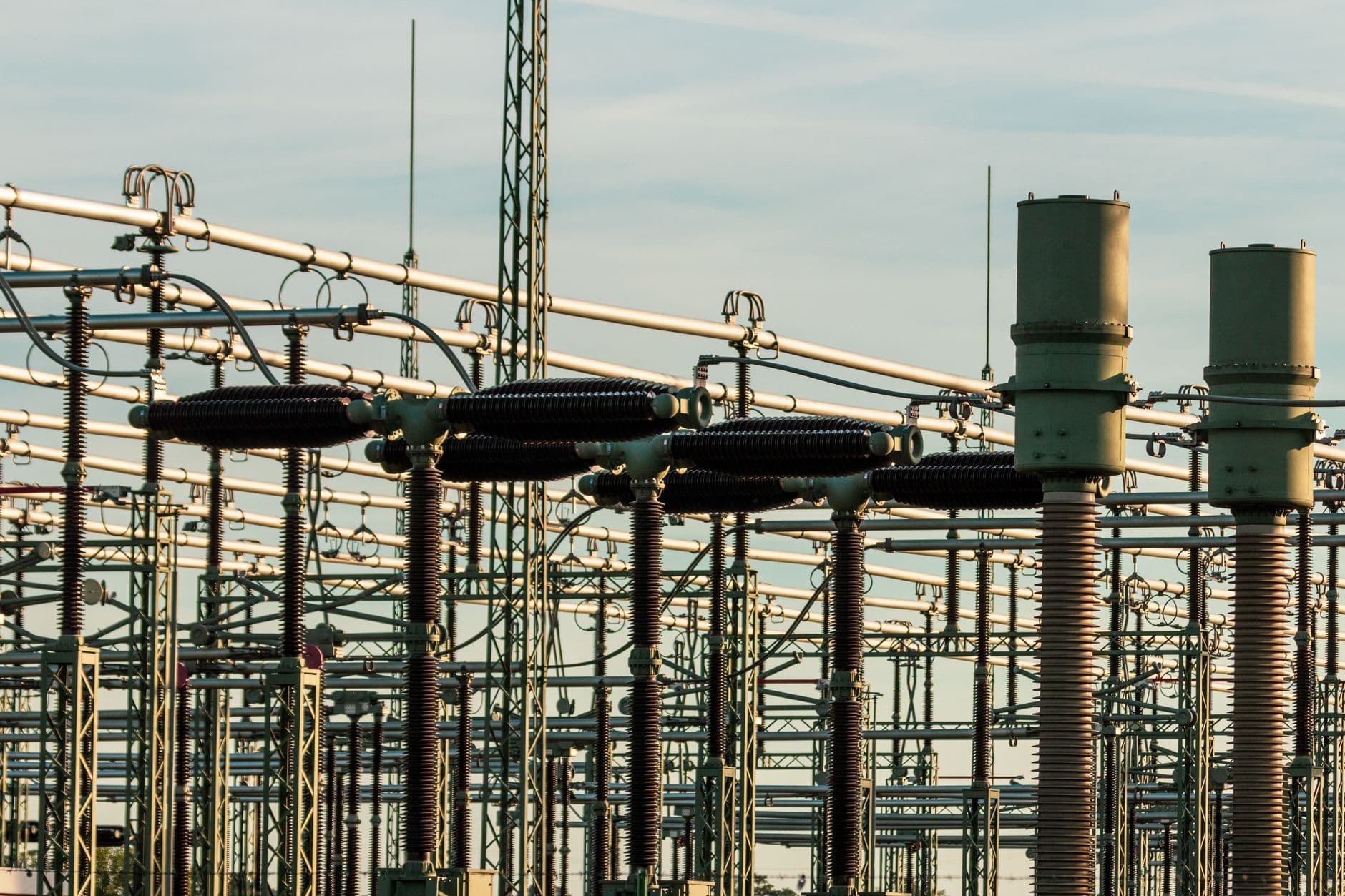
Ingeteam launches a 4.54 MW modular inverter for utility‑scale battery storage
Ingeteam’s new Ingecon Sun Storage M Series can deliver up to 4.54 MVA of power and handle battery voltages of 1,500 Vdc without derating. The company says the platform works in both grid‑following and grid‑forming modes, letting operators provide frequency regulation, synthetic inertia and other ancillary services required by modern grids.
Technical specs that set the series apart
The 3Power line scales from a single 1.14 MVA module to a full 4.54 MVA configuration, achieving a power density of 488 kW / m³. Efficiency peaks at 98.9 % (European efficiency 98.5 %). All electronics sit in a sealed IP65‑rated cabinet with stainless‑steel parts, a secondary water‑air heat exchanger and corrosion protection (C5M). The units operate from ‑20 °C to 60 °C (‑40 °C with an optional heater) and can be installed up to 4,500 m altitude. Dimensions are 5.2 m × 0.9 m × 2.2 m.
Modular design cuts O&M risk and boosts availability
Because the inverter is built from interchangeable modules, operators can replace a single 1.14 MVA block without shutting down the whole plant. Ingeteam claims this reduces downtime, simplifies maintenance and improves overall system availability throughout the plant’s lifecycle. The skid‑mounted PowerStation FSK variant integrates a transformer, switchgear and auxiliary equipment, delivering up to 9.08 MVA of continuous charge‑discharge power in a single enclosure.
Why the market is paying attention
Utility‑scale battery energy storage systems (BESS) are expanding rapidly worldwide. Analysts note that the series’ high efficiency and modularity make it a strong contender for new‑build projects in several markets.
What it means for Israel’s storage ambitions
Israel is targeting 30 % renewable electricity by 2030 (20 % by 2025) and is already piloting several utility‑scale BESS projects to smooth solar‑PV output. Using the typical residential electricity price of ₪0.48 /kWh, a 1 MWh battery paired with Ingeteam’s high‑efficiency inverter would retain most of its stored energy, offering a potentially valuable revenue stream for Israeli BESS installations.
Outlook: modularity as a catalyst for faster deployment
The ability to start with a single 1.14 MVA module and later expand to 4.54 MVA (or 9.08 MVA in the skid‑mounted version) means developers can de‑risk capital expenditure, match storage size to evolving grid needs and avoid over‑building. As Israel’s grid operator considers tighter frequency‑response requirements, inverters that can switch between grid‑following and grid‑forming modes are likely to become increasingly important.
What it means for Israel
- Economic boost: Higher inverter efficiency reduces round‑trip losses, translating into lower operating costs for Israeli BESS projects.
- Regulatory fit: Grid‑forming capability aligns with emerging ancillary‑service expectations, helping local developers meet compliance without extra hardware.
- Scalable rollout: Modular design lets Israeli utilities start small, test performance, then scale up as renewable‑penetration targets tighten.
For a deeper dive into Israeli solar‑ROI calculations, visit our calculator and explore the latest market data on our data page.
FAQ
What power rating does the Ingecon Sun Storage M Series support?
The series can be configured from a single 1.14 MVA module up to a combined 4.54 MVA output.
Can the inverter operate in grid‑forming mode?
Yes, it can run in both grid‑following and grid‑forming modes, allowing it to provide frequency regulation and synthetic inertia.
How efficient is the new inverter?
Ingeteam reports a maximum efficiency of 98.9 % (European efficiency 98.5 %).
Why is modularity important for BESS projects?
Modular design lets operators add or replace power modules without shutting down the whole plant, reducing downtime and O&M costs.
What does this mean for Israeli battery storage economics?
At Israel’s typical residential tariff of ₪0.48/kWh, a 1 MWh battery with 98.9 % inverter efficiency can generate about ₪475 per full discharge, improving overall project payback.
Is the inverter suitable for harsh environments?
Yes, it’s housed in an IP65‑rated, corrosion‑protected enclosure and operates from –20 °C to 60 °C (down to –40 °C with a heater).
Share this post
More from Storage
6
High‑Efficiency 460 kW PCS Boosts EU Solar‑Storage
HIZEnergy’s new PCS‑460K delivers 460 kW with up to 99.2 % efficiency and dual AC outputs, positioning it as a top‑choice for Europe’s fast‑growing C&I solar‑plus‑storage market.
China Set to Outproduce Global Battery Demand by 2030
China will build 5,862‑6,720 GWh of battery capacity by 2030, outstripping the world’s projected demand of 4,000‑5,100 GWh and creating a risk of oversupply.

Canadian Solar's EP Cube Boosts Home Power
Canadian Solar’s new EP Cube storage systems deliver up to 20 kW AC, four MPPTs, and scalable storage up to 200 kWh, cutting Israeli home payback to under 4 years.
AlphaESS 150kW Battery: Low‑Noise C&I Storage
AlphaESS’s new Storion‑LC‑TB150 delivers 150 kW of power, 313 kWh of storage and ultra‑low noise, with up to 12,000 cycles and UL‑9540A‑certified fire protection for commercial‑industrial use.

Argentina Grants 700 MW Battery Storage Boost
Argentina awarded 700.5 MW of battery storage across 20 projects for about US$700 million, marking a major step toward grid flexibility outside Buenos Aires.

Rock Battery Could Power Israeli Factories
Israel’s new "stone battery" stores excess solar heat in crushed rock and releases it as industrial steam, offering factories a low‑cost, multi‑hour backup that can cut fossil‑fuel use and support the nation’s renewable‑energy targets.