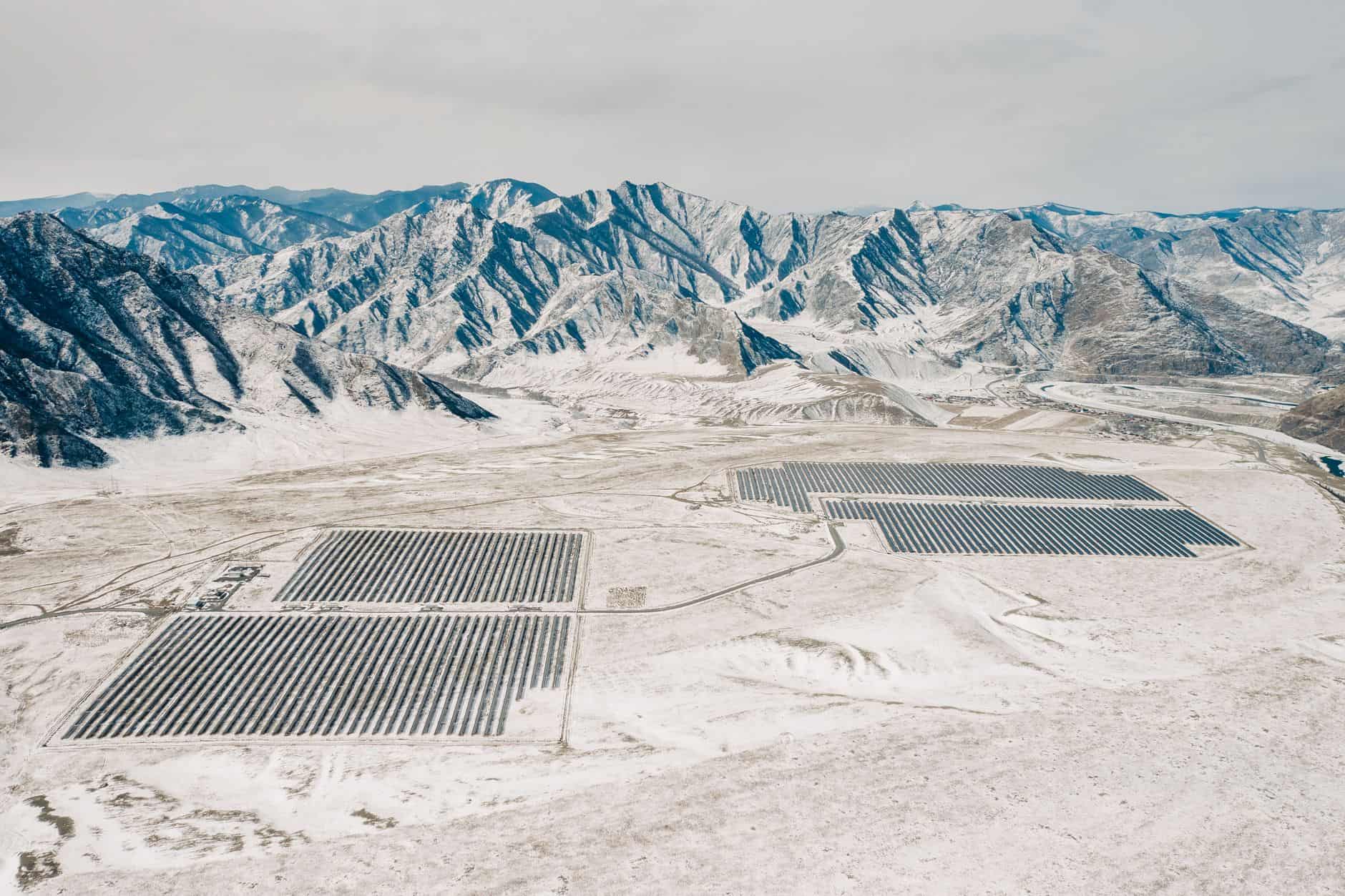
Chile Aims for Up to 58 GW Solar by 2057
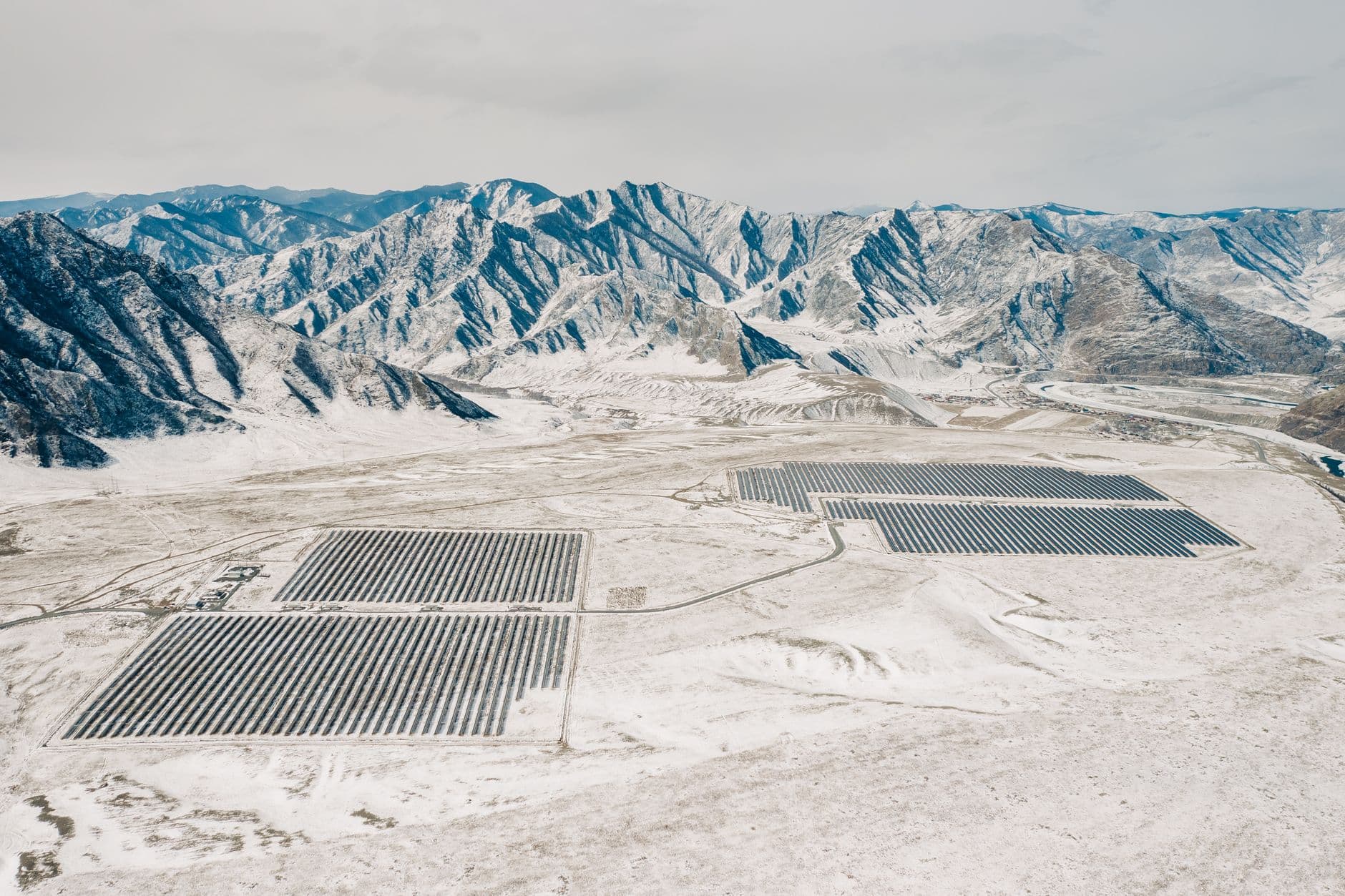
Quick answer: Chile plans to add 27‑58 GW of new photovoltaic capacity by 2057, a figure that is significantly larger than its current solar stock.
Chile’s Ministry of Energy’s preliminary long‑term plan (PELP 2028‑2032) projects between 27 GW and 58 GW of fresh solar capacity over the next three decades, on top of the 12.0 GW already operating. The range reflects five growth scenarios that differ in economic outlook, fuel prices, technology costs and policy choices. PV Magazine | Reuters
How the five scenarios shape the capacity range
All scenarios start from the same baseline – 12,015 MW of existing utility‑scale and distributed PV plus 490 MW of net‑billing installations that are already counted as demand reductions. The low‑growth scenario adds 27 GW of new solar, while the most aggressive pathway reaches 58 GW. The spread is driven by assumptions about GDP growth, the price trajectory of fossil fuels, the speed of battery‑storage cost declines and whether a carbon‑tax is introduced. PV Magazine | Chile Energy Ministry
Batteries are the storage backbone of Chile’s solar future
Every scenario couples the solar build‑out with large‑scale battery energy storage systems (BESS). By the end of 2026 the model assumes 4,078 MW of BESS already installed or under construction, with an average discharge duration of 4.3 hours. More than half of this capacity sits in the desert‑rich north (56 % in Antofagasta, 15 % in Atacama, another 15 % in Tarapacá). As solar penetration climbs, the plan calls for longer‑duration storage – six‑ to eight‑hour batteries – to shift excess midday generation to night‑time demand and to smooth periods of low irradiance. PV Magazine | Bloomberg
Where the new capacity will sit: north for solar, central‑south for wind
The model places most new PV in Chile’s northern desert belt, where solar irradiance is highest and land is abundant. Conversely, the Maule and Biobío regions in central‑southern Chile are earmarked for on‑shore wind farms, which together could add 16‑27 GW of wind capacity across the scenarios. This geographic split balances the grid: solar fuels the north‑south transmission corridors, while wind feeds the central‑south demand centres. PV Magazine | Reuters
Massive transmission upgrades will be required
To move the expected renewable power, Chile must reinforce its high‑voltage grid. The plan calls for at least 1,750 MVA of new capacity on the 500 kV Charrúa‑Ancoa‑Alto Jahuel‑Lo Aguirre corridor, enabling wind power from the south‑central region to reach the north. Additionally, 220 kV lines in the Antofagasta and Maule areas may need to increase capacity up to six‑fold in the most demanding scenarios. These upgrades are a prerequisite for the envisioned 83 % renewable share of electricity by 2057. PV Magazine | Chile Energy Ministry
Renewable share and curtailment outlook
By the end of the 30‑year horizon, the model predicts at least 83 % of annual electricity generation will come from solar PV or wind. Renewable curtailment – the portion of clean energy that cannot be used because of grid limits – is projected to rise to 9‑12 %, up from the current 7 % baseline. This signals both the success of the clean‑energy transition and the urgency of expanding storage and transmission. PV Magazine
What it means for Israel
Israel’s rooftop market is still modest – a typical 10 kWp home system in the central region yields about 17 MWh per year, worth roughly ₪8,160 at the residential tariff of ₪0.48/kWh and costs ₪31,500 to install. That gives a payback of just under 4 years (see the Ministry‑provided illustrative example). While Chile’s plan envisions a very large solar build‑out, the scale highlights the importance of battery storage and grid reinforcement, lessons that align with Israel’s own push to integrate more rooftop PV, utility‑scale storage and a stronger 500 kV backbone. Israeli developers can look to Chile’s scenario‑based approach to gauge how policy levers (carbon pricing, fuel‑cost forecasts, storage incentives) could accelerate the country’s target of 30 % renewable electricity by 2030. For a quick personal estimate, try our solar ROI calculator and compare with national data on the renewable market.
Looking ahead
Chile’s long‑term plan shows that ambitious capacity targets are feasible when they are paired with realistic storage and transmission pathways. The five‑scenario framework gives policymakers a toolbox to adjust assumptions as technology costs fall and climate policies tighten. For Israel, the Chilean experience reinforces two take‑aways: scale matters – large‑capacity solar can dominate the generation mix, and grid flexibility is essential – without batteries and upgraded lines, even abundant sunshine cannot be fully harvested. As both nations chase their renewable goals, the next decade will likely be defined by how quickly they can turn megawatts on paper into megawatts on the grid.
FAQ
How much new solar capacity does Chile plan to add by 2057?
The Ministry of Energy’s long‑term plan forecasts **27 GW to 58 GW** of additional photovoltaic capacity over the next 30 years.
What role will batteries play in Chile’s solar expansion?
All scenarios include large‑scale battery storage; by 2026 the model expects **4,078 MW** of BESS, with future plans for six‑ to eight‑hour batteries to shift solar power to night‑time demand.
Which regions will host most of the new solar and wind projects?
New solar will concentrate in the **northern desert region**, while **on‑shore wind** will be built mainly in the **Maule and Biobío** areas of central‑southern Chile.
How much will Chile need to upgrade its transmission network?
The plan calls for at least **1,750 MVA** of new 500 kV capacity on the Charrúa‑Ancoa corridor and up to six‑fold upgrades of key 220 kV lines.
What share of electricity will come from renewables by 2057?
The study projects **at least 83 %** of annual generation will be from solar PV or wind by the end of the horizon.
What can Israel learn from Chile’s solar roadmap?
Chile shows that massive solar build‑out needs paired storage and grid upgrades – lessons that match Israel’s push for higher renewable shares and faster rooftop adoption.
Share this post
More from Markets
6
China’s Solar Build Slows 66% in H1 2026
China added just 72 GW of solar in H1 2026 – a 66 % YoY drop – while Shenzhen Energy launches its first overseas 50 MW project in Ghana and Dinto Solar secures a 1 GW HJT deal.
Nofar Energy Gets NIS 200 M Boost from Meitav
Nofar Energy secured a NIS 200 million investment from Meitav, gaining an 8.7 % stake and funding up to 90 MW of new solar‑plus‑storage projects in Israel.
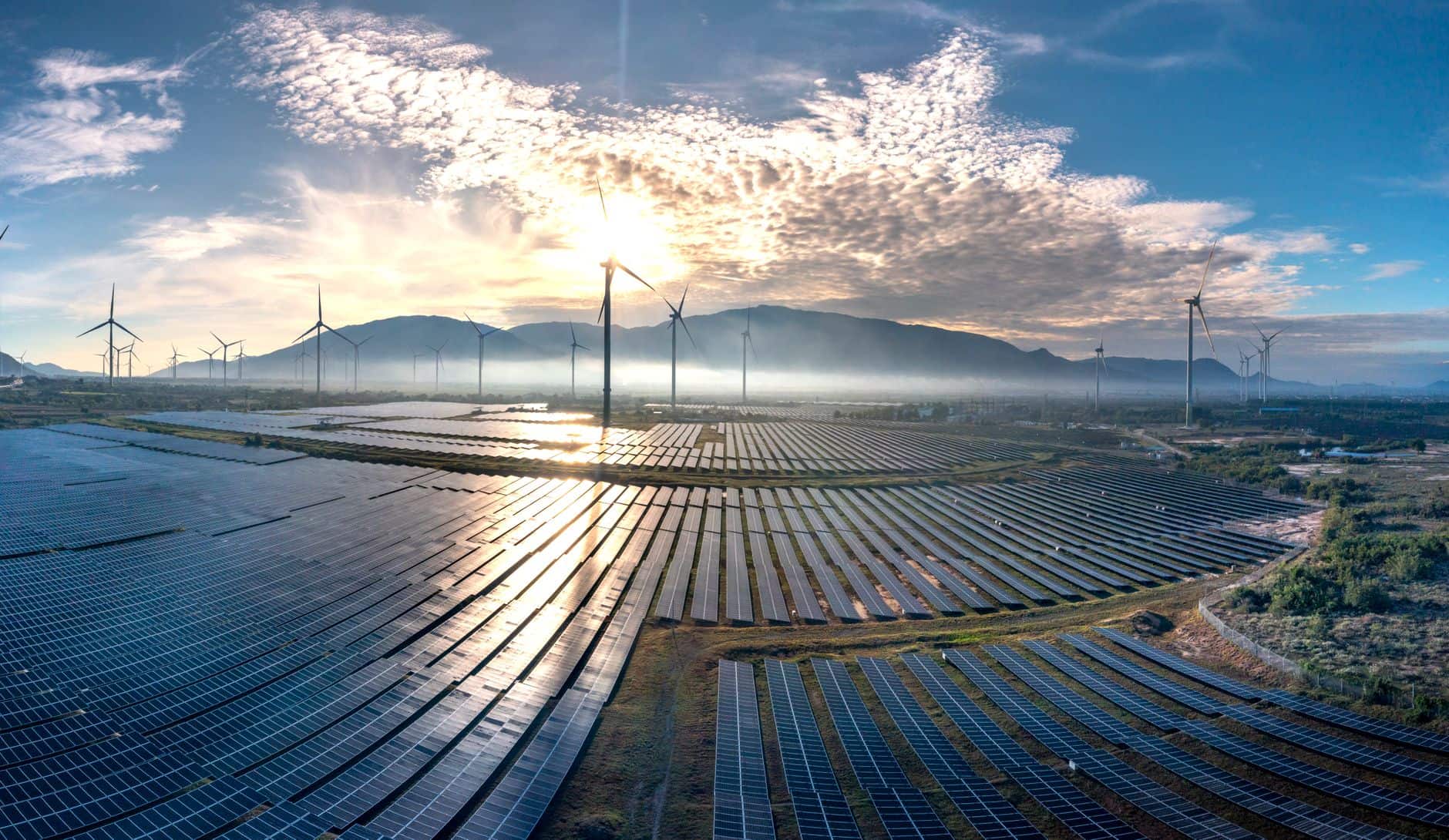
Australia's Renewable Surge Hits Record 9.1 GW
Australia’s NEM recorded a record 9.1 GW of new solar, wind and battery capacity in FY 2025/26, with batteries now making up over half of the pipeline.
Solar, Batteries Defy Global Shock Costs
GenCost shows solar PV and battery costs keep falling despite global crises, driving Australian wholesale prices from a peak of AU$189/MWh down to AU$60‑80/MWh, while gas turbines and wind face rising costs.
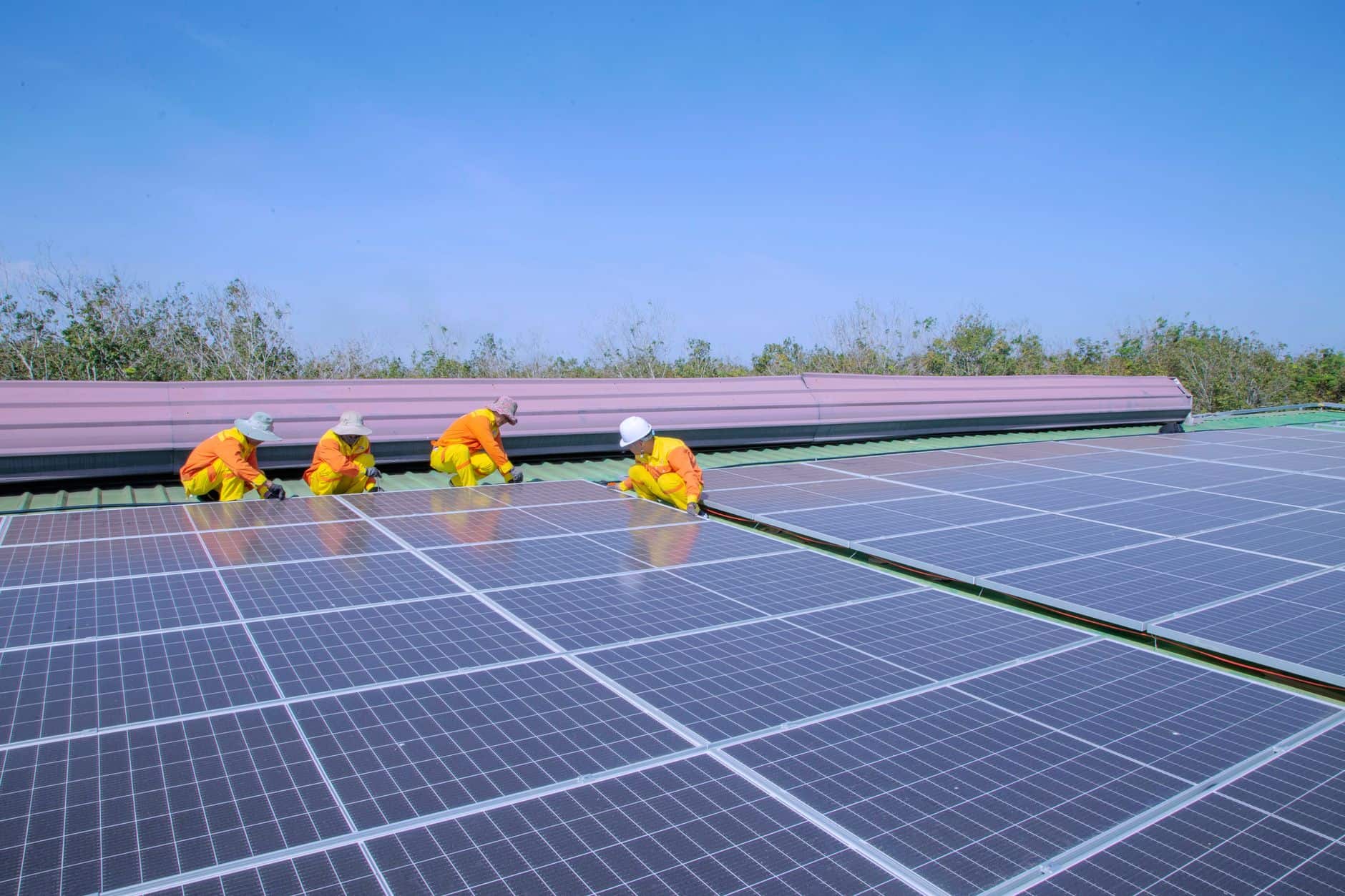
India's Solar Leap: From Imports to Exports
India has transformed from a solar‑component importer to a $2 billion PV‑module exporter, thanks to the Production‑Linked Incentive scheme and strict local‑content rules.
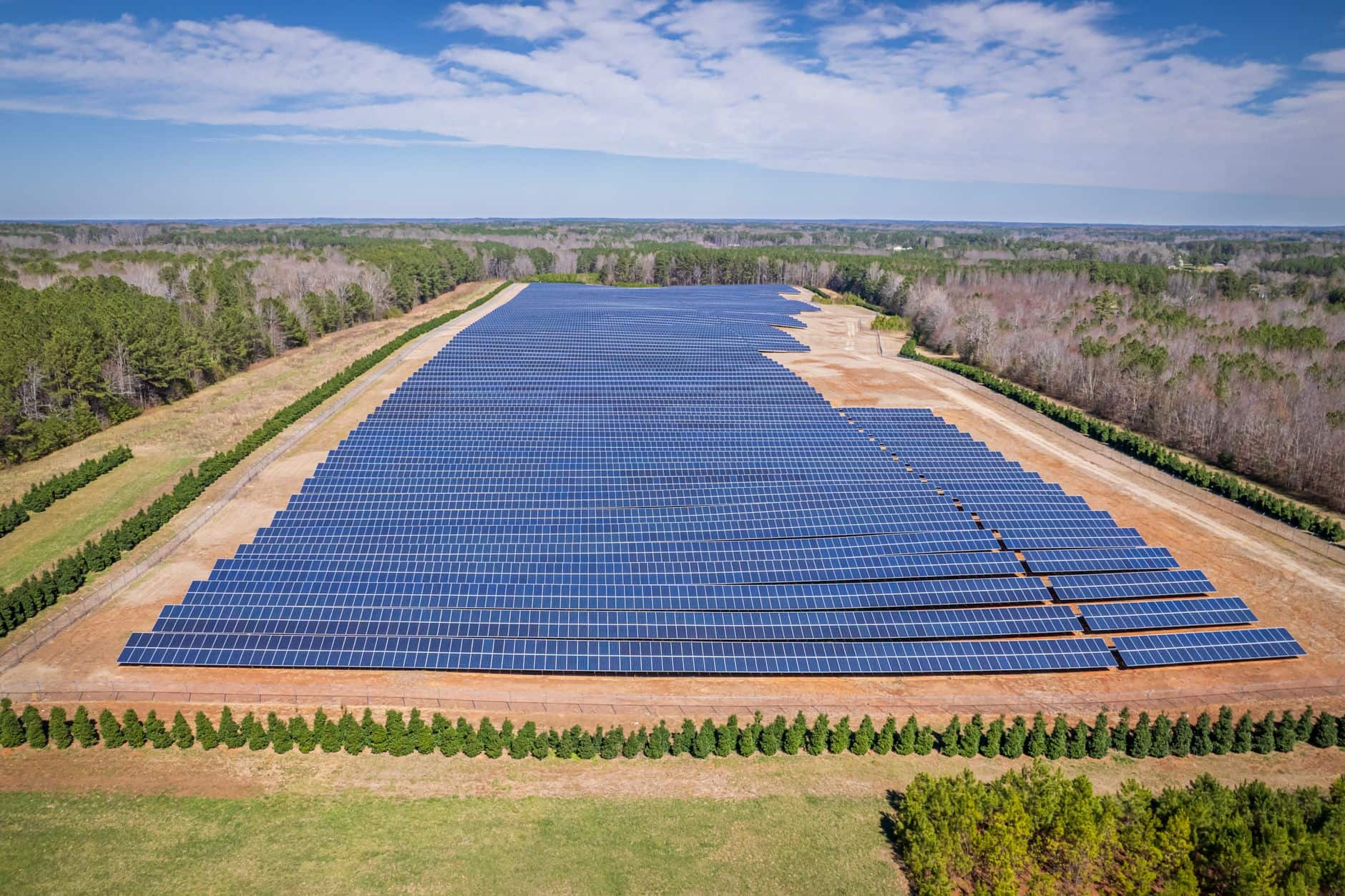
South Korea’s 1 GW Solar Tender Hits Record Low
South Korea’s new 1 GW solar tender caps bids at KRW 147,686/kWh (≈ $99.46 /MWh), a 5 % drop from last year, and adds premiums for low‑carbon modules.