UK Picks Pumped Hydro & Batteries for LDES
Pumped hydro and lithium batteries win the first UK LDES tender
Ofgem’s provisional list shows that pumped‑hydro projects (3.6 GW total) and lithium‑ion battery storage (11 projects) are the clear front‑runners in the inaugural long‑duration energy storage (LDES) cap‑and‑floor scheme. The regulator chose 16 projects out of a shortlist of 77, confirming that high‑capacity, multi‑hour storage is now a top priority for Britain’s clean‑energy roadmap.
Pumped hydro dominates power capacity while batteries lead in project count
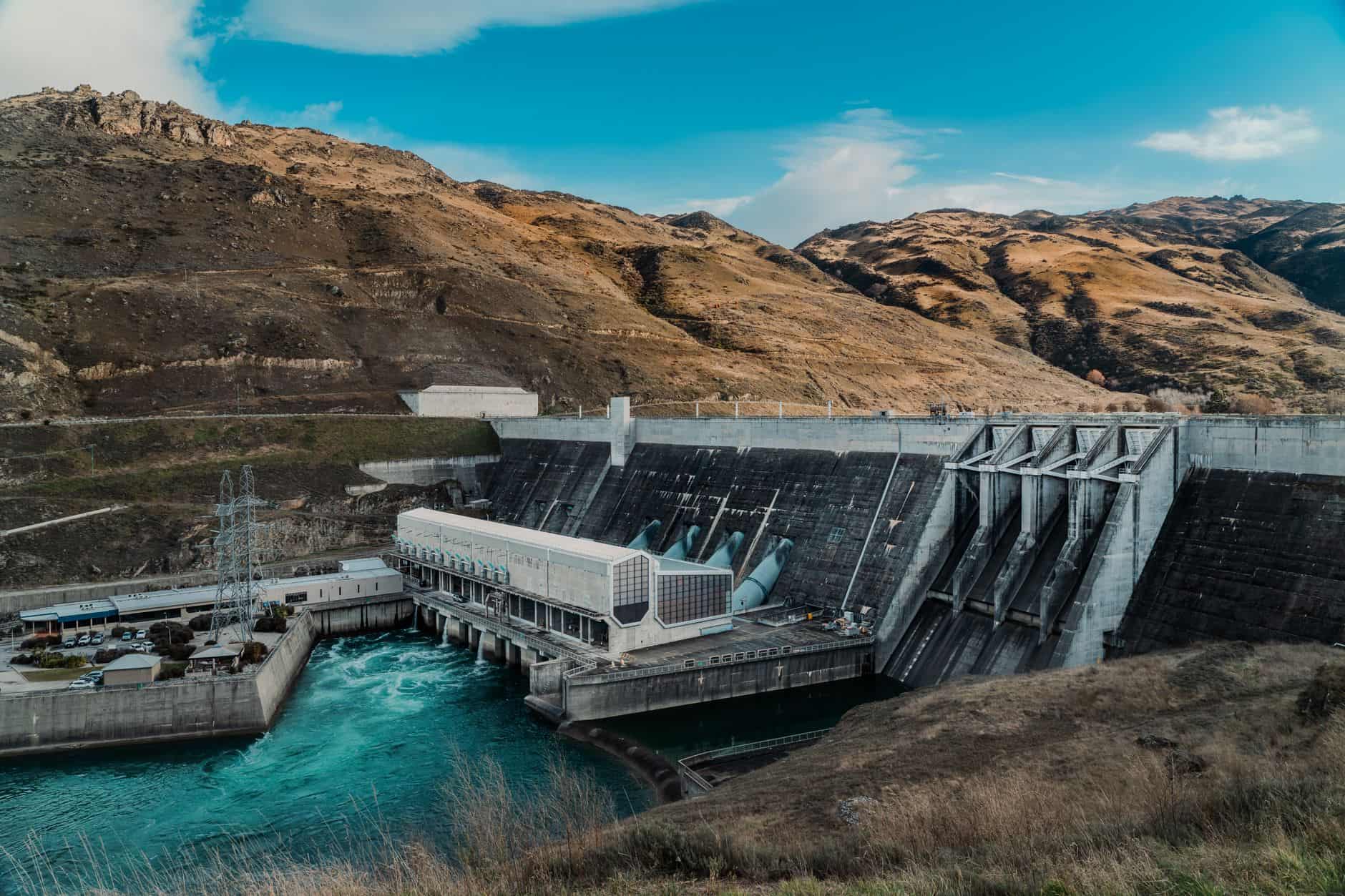
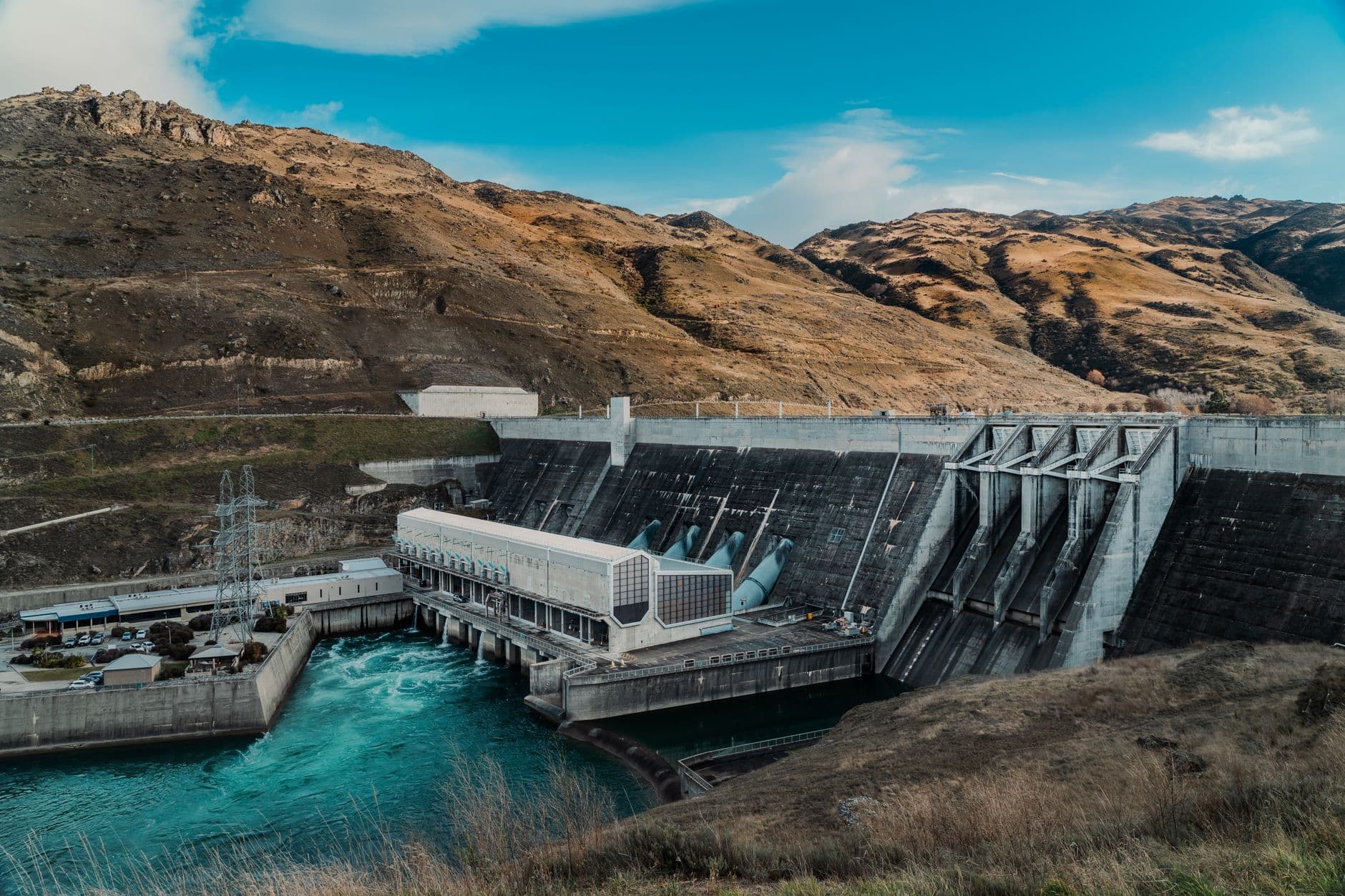
Pumped‑hydro schemes – Loch Hemp (600 MW), Coire Glas (1.4 GW) and Earba (400 MW) – together provide 3.6 GW of power, making hydro the largest single technology by capacity. Lithium‑ion batteries appear in 11 separate bids, giving the technology the highest number of projects and covering a wide range of 8‑ to 32‑hour discharge durations. The top ten projects all exceed 12 hours, underscoring the market’s appetite for true long‑duration flexibility.
Other technologies keep the mix diverse
The cap‑and‑floor round also selected a 50 MW compressed‑air energy storage (CAES) plant at Tees Caes in north England and a 65 MW vanadium‑flow battery (Frontier Legacy). Ofgem’s brief called for “technological diversity” to hedge against future cost or performance shifts, and these two non‑lithium options satisfy that requirement.
Geography matters: Scotland supplies most of the storage power
Projects located in north‑Scotland – a region plagued by wind curtailment – account for 5.1 GW of the total power output and roughly 80 % of the overall energy‑storage capacity. By siting storage where excess wind is most common, the scheme directly tackles the curtailment problem and creates a “virtual transmission line” that can shift power to the south when needed.
How the cap‑and‑floor mechanism de‑risks investors
The LDES cap‑and‑floor scheme, first announced in October 2024, guarantees a minimum revenue floor for successful projects while allowing a market‑driven price ceiling. The financial model (CFFM) will be used to set the initial cap and floor levels in summer 2026, giving developers a clear cash‑flow outlook and encouraging capital‑intensive, long‑lead‑time builds such as pumped hydro.
What this means for the UK’s renewable targets
With the UK’s 2030 clean‑power goals, the country needs storage that can bridge days of low wind or solar output. The selected pumped‑hydro capacity adds substantial power and energy depth, reducing reliance on fossil‑fuel peakers and improving system security during extreme weather.
What it means for Israel
Israel’s 30 % renewable‑electricity target for 2030 also hinges on long‑duration storage, especially as solar PV becomes the dominant source. A typical 10 kWp rooftop system in central Israel generates ~17 000 kWh / yr, worth about ₪8 160 at the residential tariff of ₪0.48 /kWh. If a 1 MWh battery (equivalent to 1 000 kWh) could store the excess solar from such a roof, it would represent roughly ₪480 of value per full discharge – enough to offset a month’s electricity bill for an average household. The UK’s cap‑and‑floor approach offers a template: a guaranteed revenue floor could accelerate financing for pumped‑hydro or large‑scale battery projects that would otherwise struggle to secure cheap capital.
Next steps and consultation timeline
Ofgem’s decision is provisional; a public consultation runs until 7 August 2025, after which the final award round is expected in summer 2026. Developers have until 18 November 2025 to submit detailed cost data, after which the regulator will publish an Initial Decision List in spring 2026. The outcome will set the benchmark for future LDES rounds and signal how much additional capacity the UK expects to bring online by 2030.
For Israeli readers interested in modeling their own ROI, try our solar ROI calculator and explore the latest market data on our energy storage page.
Sources & further reading
- Long Duration Electricity Storage (LDES) window 1 eligibility assessment outcome | Ofgem
- LDES Cap & Floor scheme: The projects in the running and how Ofgem will rank them - Research | Modo Energy
- What is the LDES Cap and Floor Scheme? - Blake Clough Consulting
- Long Duration Electricity Storage: Cap and Floor Application Window Opens
- Hwange Power Station Rehabilitation and Modernization - Facebook
FAQ
How many projects were selected in the first UK LDES cap‑and‑floor tender?
Ofgem provisionally selected 16 projects from an original shortlist of 77.
Which technology has the highest power capacity in the selected projects?
Pumped‑hydro storage, with a combined 3.6 GW from Loch Hemp, Coire Glas and Earba.
How many lithium‑ion battery projects made the list?
Eleven separate lithium‑ion battery energy storage system (BESS) projects were chosen.
What is the purpose of the cap‑and‑floor scheme?
It provides a guaranteed revenue floor for approved projects while allowing a market‑driven price ceiling, reducing investment risk.
Why is Scotland a focus for the new storage projects?
North‑Scotland hosts 5.1 GW of the selected power and about 80 % of the total storage capacity, targeting wind‑curtailment hotspots.
How could long‑duration storage benefit Israel’s solar market?
Storing excess solar could generate roughly ₪480 per MWh of discharge, helping meet the 30 % renewable target and lowering household bills.
Share this post
More from Storage
6
Argentina Battery Auction Hits $7,400/MW‑Month
Argentina’s AlmaSADI battery storage auction received bids as low as $7,397 per MW‑month, about 15% under the $12,500 price cap, with a weighted‑average of $10,568 /MW‑month across 232 qualified proposals.
Sungrow PowerHarbor: All‑In‑One Home Battery Inverter
Sungrow’s PowerHarbor all‑in‑one hybrid inverter delivers 10‑30 kW power, modular LiFePO₄ storage up to 120 kWh, AI‑driven optimisation and built‑in backup, promising sub‑four‑year payback for a typical Israeli rooftop.
Ultra‑Flexible Cable Boosts Battery Storage
Top Cable’s new Powerflex Ultra cable can bend tighter, survive –40 °C to 90 °C, and cut BESS installation labor, speeding up Europe’s battery‑storage rollout.
Denmark’s Battery Storage Fuels Renewable Boom
Denmark’s battery‑energy‑storage market has grown rapidly, outpacing the rest of Europe and reshaping how investors fund renewable projects.
HiTHIUM ARKVOLT: Industrial Home Batteries Debut
HiTHIUM’s ARKVOLT series brings industrial‑grade, 95 % DoD home batteries to Europe, offering up to 30 kWh capacity and 11 000‑cycle life, a move that could reduce Israeli household electricity bills while aiding renewable‑energy targets.
Home Battery Costs Hit $139/kWh in 2026
In 2026 residential battery storage fell to $139/kWh, leading to an 8‑12‑year payback for typical home solar‑plus‑battery systems and a modest extension of the payback period for Israeli households.