
Algeria’s 15 GW Solar Goal Hits Financing Test

Algeria aims for 15 GW of solar, but financing is the bottleneck
Algeria’s government has pledged to install 15 GW of solar PV by 2030, yet the real hurdle now is securing private capital and long‑term power‑purchase agreements. The target was highlighted at a recent MESIA panel, where officials warned that without bankable contracts the announced gigawatts will remain on paper. 99 % of the country’s electricity still comes from natural gas, so each megawatt‑hour of solar directly protects export‑valuable gas.
EPC‑led model jumpstarts build‑out, yet public financing limits scale
The current pipeline – about 3.2 GW under construction in the south and high‑plateau provinces – is being driven by an EPC‑centric approach in which state utility Sonelgaz owns and finances projects before tendering construction. This model jump‑starts early capacity but places the bulk of the financing burden on the public sector, slowing the transition from announced to financed projects. Analysts in the region argue that independent power producers (IPPs) and transparent, competitive tenders are needed to unlock faster private investment, as seen in Morocco’s solar surge.
Grid and storage gaps risk curtailment of new capacity
Large‑scale solar cannot be decoupled from transmission upgrades, substations, and flexible storage. Algeria’s richest solar zones sit far from major load centres, meaning that delayed grid reinforcement could lead to significant curtailment. Panelists at the MESIA discussion stressed that battery storage is no longer an accessory but a core component for shifting generation to peak demand periods, providing voltage and frequency support, and enabling future PV‑plus‑storage projects in desert zones.
Technology and local‑content rules shape long‑term cost
In Algeria’s hot, dusty, and sometimes humid climate, module selection must consider degradation rates, temperature coefficients, bifacial gain, and cleaning strategies—not just headline efficiency. A 35 % local‑content requirement is already in place, pushing Algerian EPCs and suppliers to develop repeatable capabilities. However, true industrial development will only materialise when these local firms can deliver reliable, low‑degradation panels that keep the levelised cost of electricity (LCOE) competitive over 20‑30 year project lifetimes.
What it means for Israel
A typical 10 kWp rooftop system in central Israel yields ~17 000 kWh/year, worth ~₪8 160 at the residential tariff of ₪0.48/kWh, and pays back in ≈ 3.9 years on a ₪31 500 install. If Algerian projects achieve comparable cost levels, Israeli firms with expertise in desert‑ready PV, storage integration, and EPC execution could find joint‑venture opportunities, especially given Algeria’s local‑content requirements.
Outlook: from potential to bankable projects
The next phase for Algeria will be judged not by sunshine but by the discipline of its market structures – transparent tenders, credible off‑take contracts, grid‑ready planning, and a skilled local supply chain. If these pieces fall into place, the 15 GW target could become a cornerstone for North‑African renewable export, possibly feeding green‑hydrogen projects envisioned by the Algerian Gas Exporters’ Committee (GECA). Until then, the country remains at the crossroads between abundant resource potential and the financing reality that will decide whether the sun truly powers its future.
Sources: PV Magazine, Renewables Now, Energy Voice
FAQ
What is Algeria’s solar capacity goal?
Algeria has set a target of 15 GW of solar PV capacity to be installed by 2030.
How much solar is already under construction?
Around 3.2 GW is currently being built in the southern and high‑plateau provinces.
Why is financing a major obstacle?
The EPC‑led model puts most of the investment risk on the state utility Sonelgaz, and without clear long‑term PPAs private investors are reluctant to commit capital.
What role will battery storage play?
Storage is seen as core infrastructure to shift solar output to peak demand, provide grid stability, and enable PV‑plus‑storage projects in remote desert zones.
How does Algeria’s plan compare to Israel’s solar market?
Algeria’s 15 GW could generate about 28 TWh/year – roughly the electricity used by 8 million Israeli homes – while a typical 10 kWp Israeli rooftop system yields ~17 MWh/year and pays back in under 4 years.
What is the local‑content requirement?
Algeria mandates that 35 % of solar project components be sourced locally to foster an indigenous supply chain.
Share this post
More from Markets
6
Chile Aims for Up to 58 GW Solar by 2057
Chile’s Ministry of Energy projects adding 27‑58 GW of new solar capacity by 2057, backed by massive battery storage and transmission upgrades.
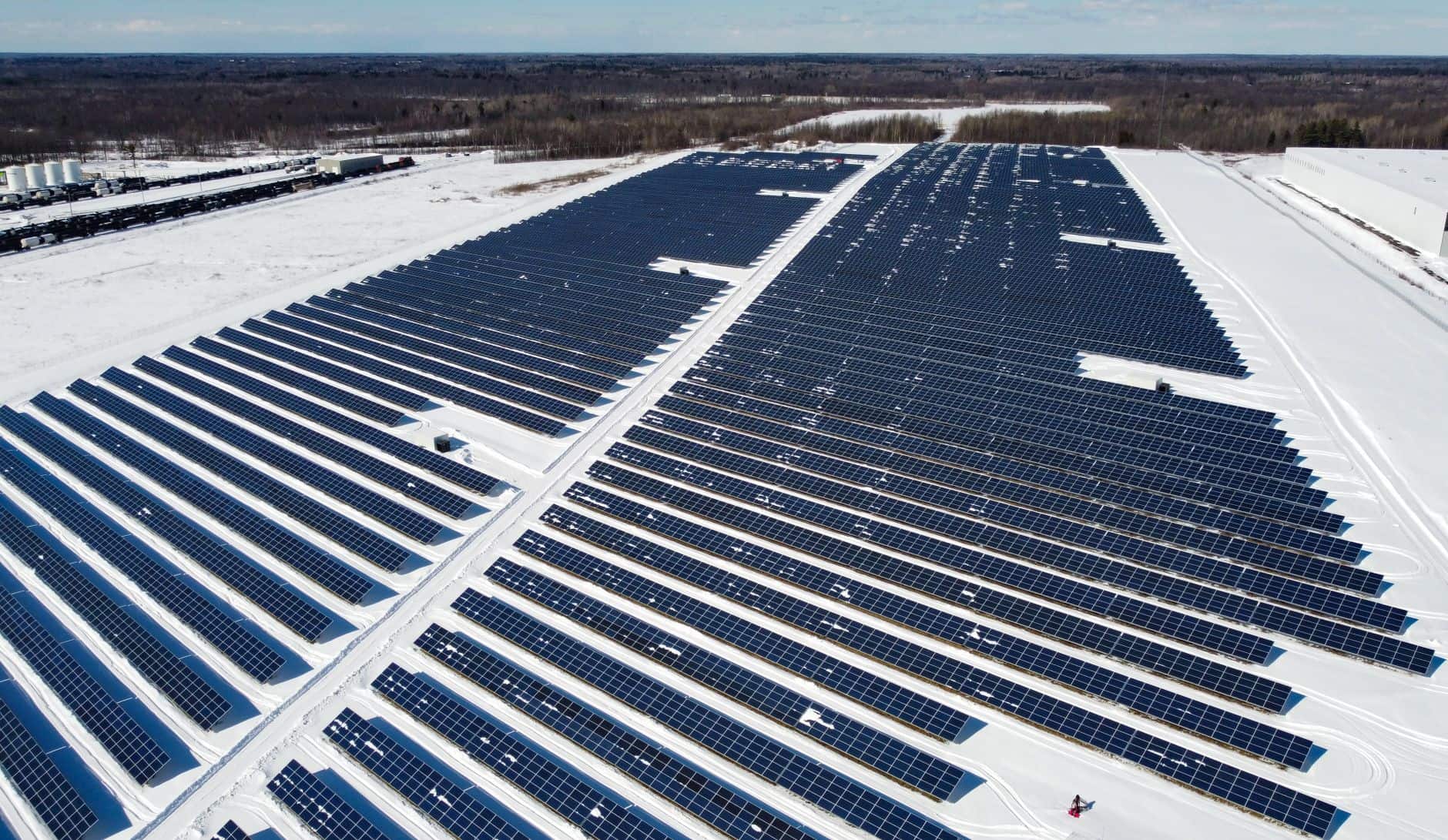
China’s Solar Build Slows 66% in H1 2026
China added just 72 GW of solar in H1 2026 – a 66 % YoY drop – while Shenzhen Energy launches its first overseas 50 MW project in Ghana and Dinto Solar secures a 1 GW HJT deal.
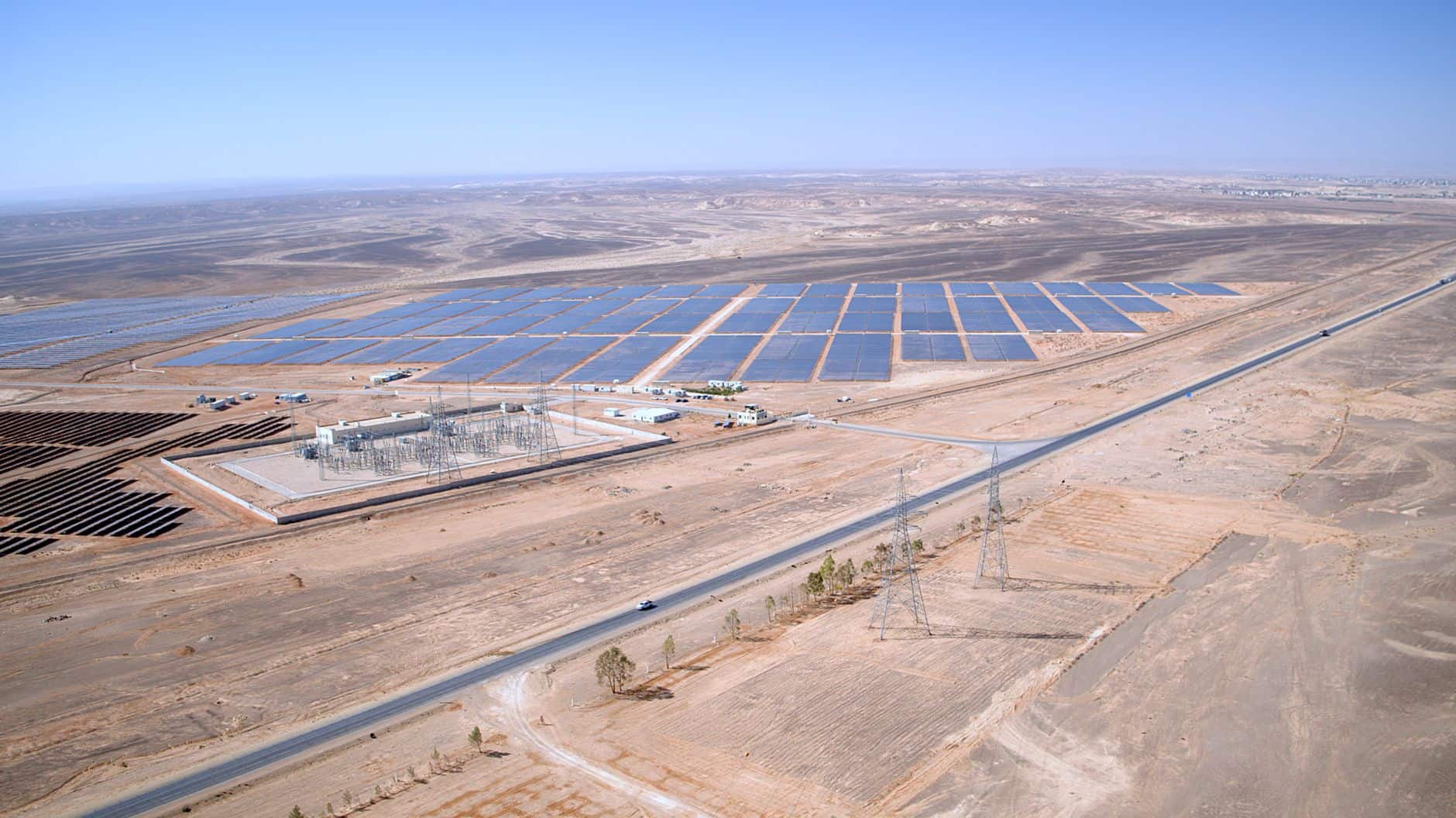
Nofar Energy Gets NIS 200 M Boost from Meitav
Nofar Energy secured a NIS 200 million investment from Meitav, gaining an 8.7 % stake and funding up to 90 MW of new solar‑plus‑storage projects in Israel.
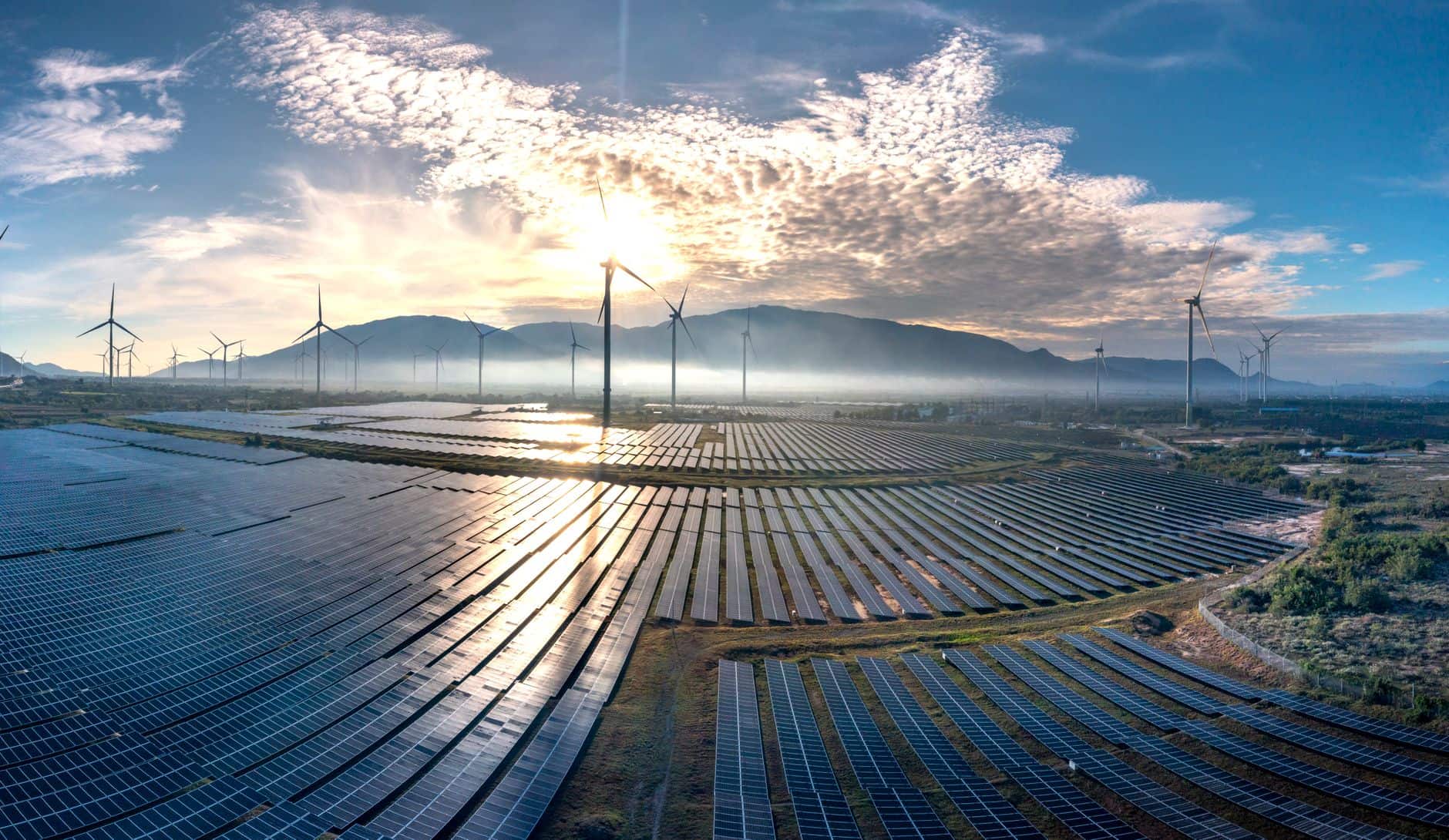
Australia's Renewable Surge Hits Record 9.1 GW
Australia’s NEM recorded a record 9.1 GW of new solar, wind and battery capacity in FY 2025/26, with batteries now making up over half of the pipeline.
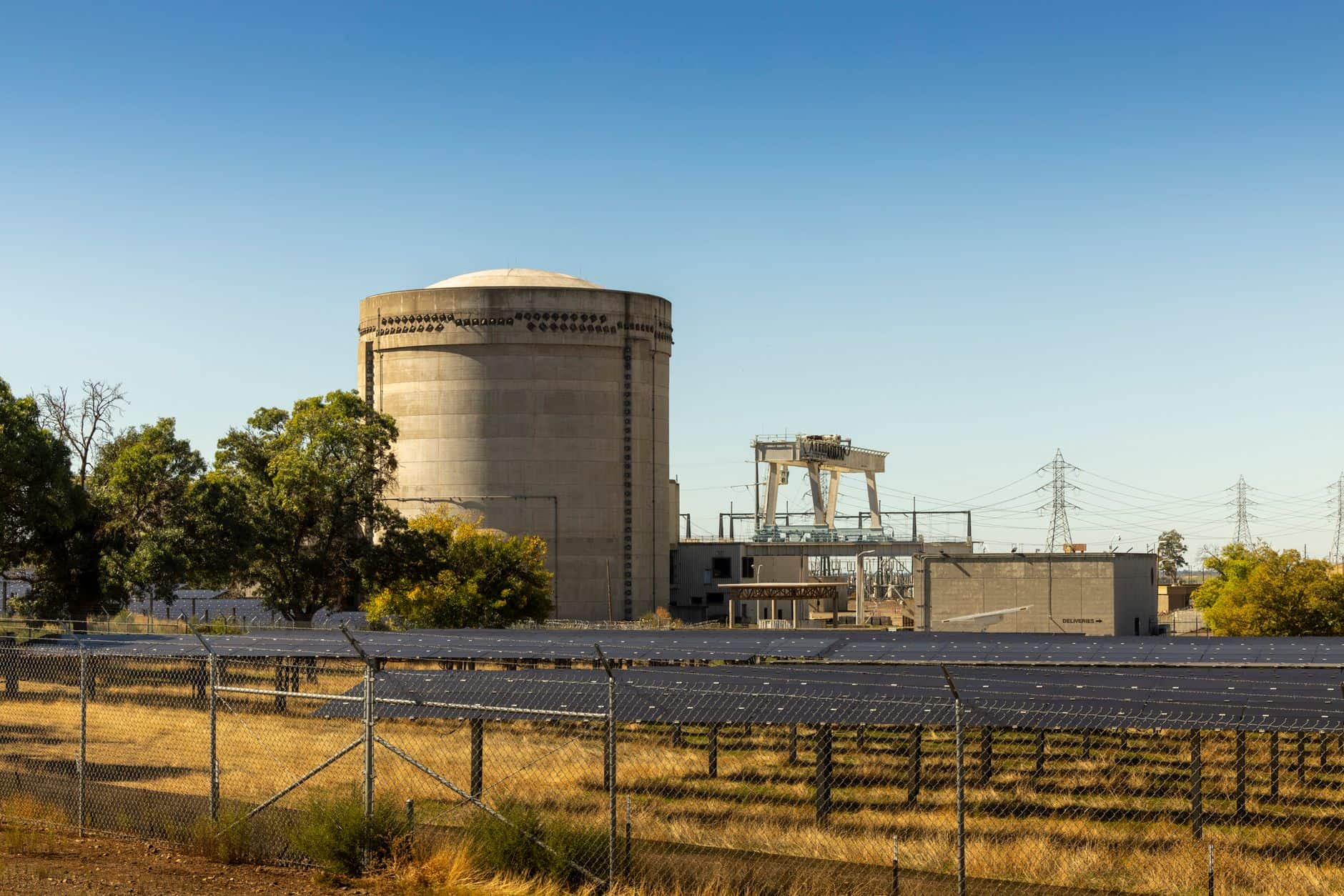
Solar, Batteries Defy Global Shock Costs
GenCost shows solar PV and battery costs keep falling despite global crises, driving Australian wholesale prices from a peak of AU$189/MWh down to AU$60‑80/MWh, while gas turbines and wind face rising costs.
India's Solar Leap: From Imports to Exports
India has transformed from a solar‑component importer to a $2 billion PV‑module exporter, thanks to the Production‑Linked Incentive scheme and strict local‑content rules.