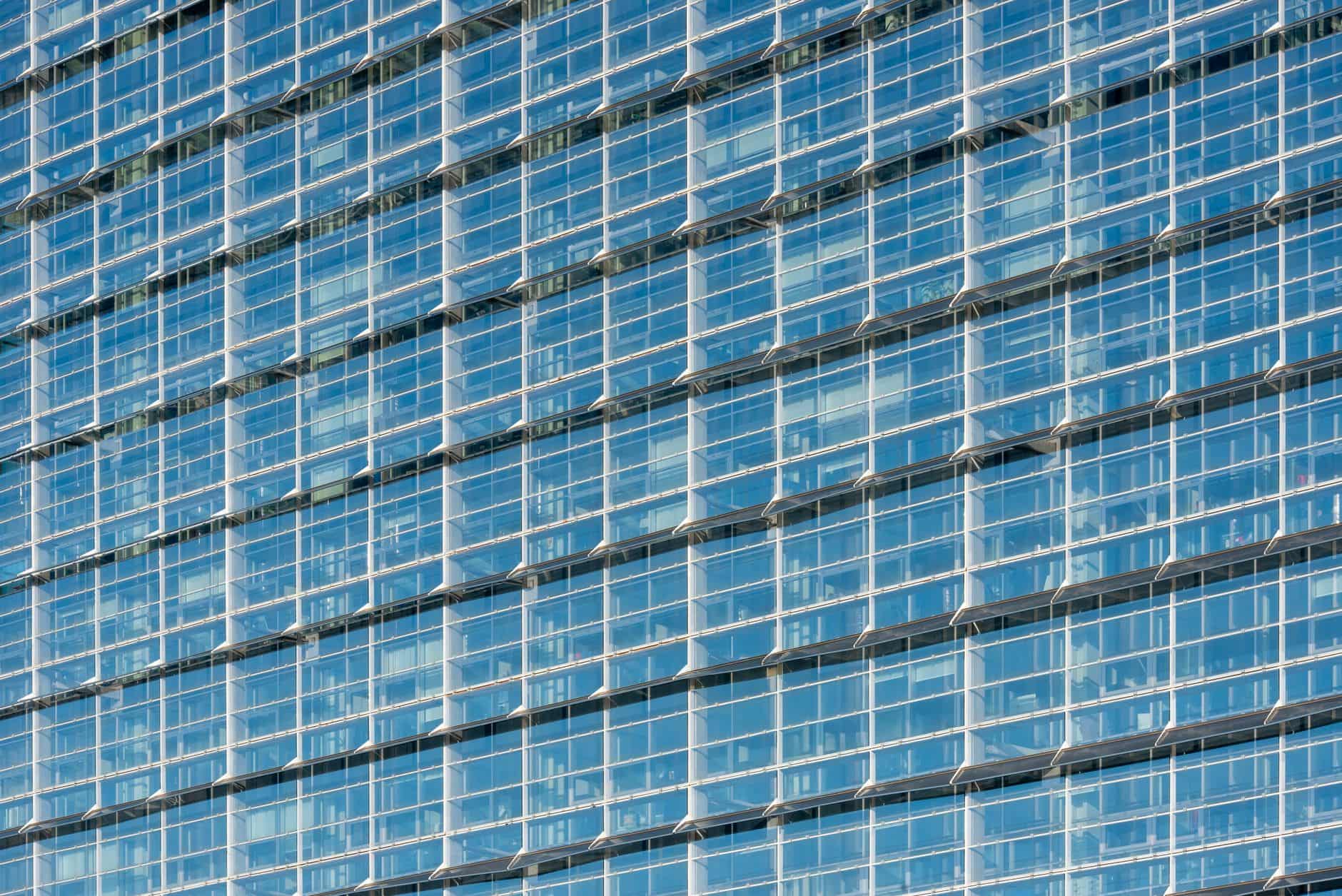
Groove Glass Slashes Facade PV Reflection
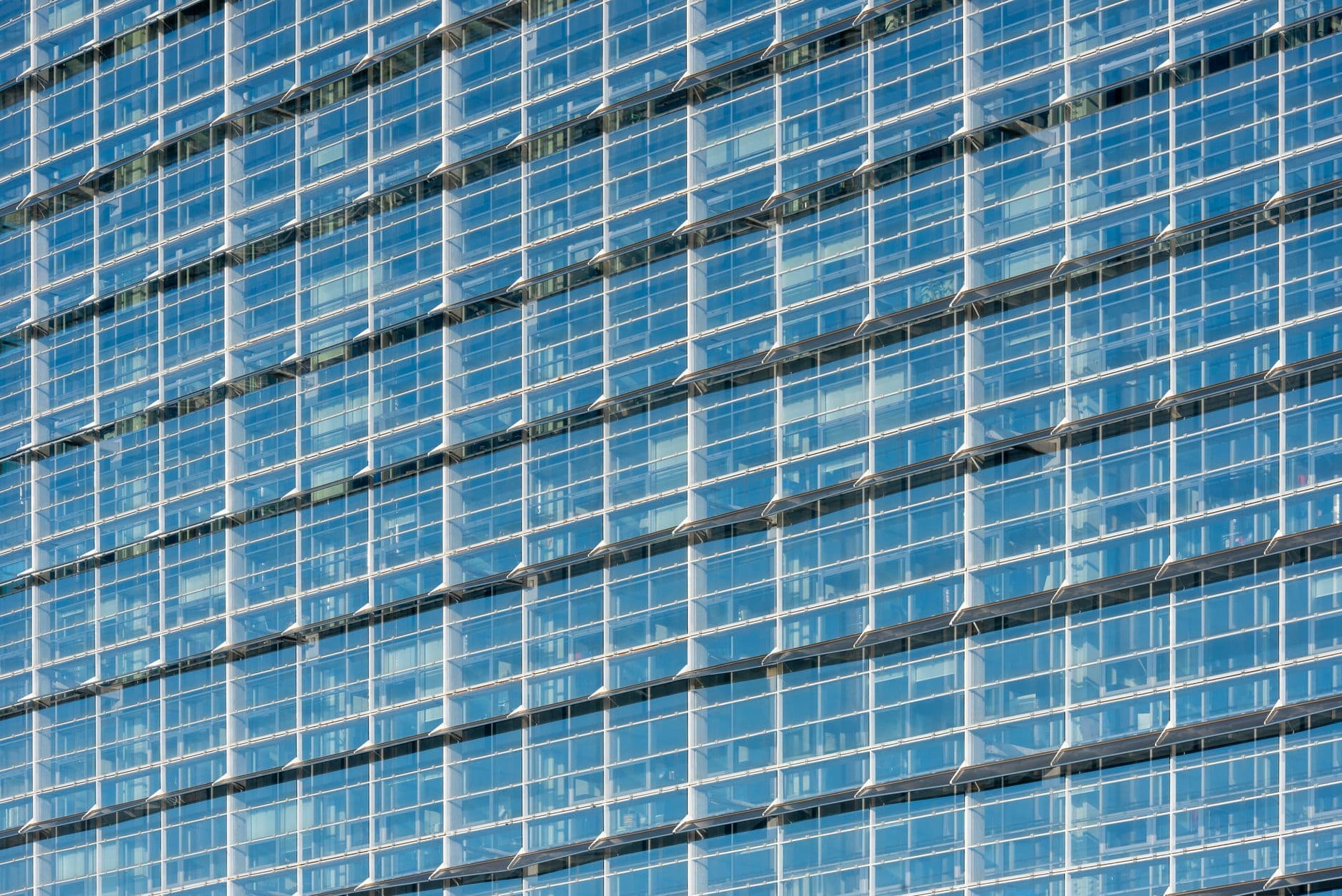
Breakthrough Groove Glass Cuts Reflection at High Angles
The new periodic‑groove cover glass reduces the average reflectance of facade‑mounted PV modules to below 2.4 % for incidence angles up to 60° and caps the worst‑case reflectance at 12.6 % at 89°, a dramatic improvement over conventional flat glass. The research team at China’s Harbin Institute of Technology demonstrated this by coupling a constrained‑optimization‑by‑linear‑approximation (COBYLA) algorithm with full‑wave ray‑tracing simulations in COMSOL Multiphysics, confirming that the structure works across the whole 0°‑89° range Finanznachrichten.
How the Design Works: COBYLA Optimization and Ray‑Tracing
The glass features a periodic groove whose depth, width, height and segment angles were iteratively tuned by the COBYLA algorithm until the simulated average reflectance across 400‑1050 nm fell to its minimum. Because the method does not rely on analytical derivatives, it can explore non‑linear design spaces where traditional optics formulas break down, delivering a groove profile with an aspect ratio of 0.76 and a smooth contour that balances optical performance with manufacturability.
Performance Gains: 12%‑73% More Light Captured
When the optimized glass is placed on a crystalline‑silicon module, spectral absorption rises 12 % at a 70° incidence angle and a striking 73 % at 89°, compared with a flat‑glass reference. This improvement is most relevant for vertical or high‑tilt installations, where high‑angle sunlight would otherwise be reflected. In a typical Israeli setting, the additional capture could translate into a noticeable increase in annual energy production for façade‑mounted systems.
Manufacturing Compatibility: Rolling Process Ready
The researchers deliberately kept the groove geometry simple enough to be produced by existing large‑scale glass‑rolling lines. Simulations of scaling and geometric perturbations showed the antireflective benefit survives moderate linear scaling and small angle variations, meaning factories can adopt the pattern without costly re‑tooling. This compatibility is crucial for rapid market uptake, especially in China where the country already supplies a large share of global PV glass IEA.
Market Context: Growing Demand for BIPV Facades
The global building‑integrated photovoltaics (BIPV) façade market was valued at US$2.79 bn in 2023 and is projected to grow at a 31.4 % CAGR through 2030 Grandview Research. At the same time, the solar‑PV‑glass segment itself is expected to expand at around 19 % CAGR up to 2034, driven by higher efficiency and aesthetic demands Fortune Business Insights. The groove‑glass breakthrough directly addresses two market pain points: loss of energy at high sun angles on vertical surfaces and the need for cost‑effective, mass‑manufacturable solutions.
What It Means for Israel: Boosting Rooftop & Facade Solar Returns
Using the typical Israeli figures (residential tariff ₪0.48/kWh, installation cost ₪3 150/kWp, central‑region yield 1 700 kWh/kWp·yr), a standard 10 kWp home system costs ₪31 500 and generates about 17 000 kWh/yr (≈₪8 160 revenue). Adding the groove‑glass to a façade‑mounted 10 kWp array would further increase annual production, improving the overall economics of the installation and supporting Israel’s 30 % renewable electricity target for 2030.
Outlook: From Labs to Buildings
The next step is pilot‑scale production on commercial glass lines, followed by field trials on office towers and residential blocks in high‑rise districts where façade exposure dominates. If the early prototypes confirm the simulated gains, the technology could become a standard option for architects seeking both aesthetic sleekness and maximum energy yield, reinforcing Israel’s push toward higher‑density solar integration in urban environments.
What it means for Israel – A typical 10 kWp façade system with groove glass could generate additional clean electricity each year, further shortening the payback period and contributing to national renewable goals.
For deeper analysis, try our solar ROI calculator or explore the latest market data on our solar data page.
Sources & further reading
- Cheng Ziming PhD Harbin Institute of Technology - ResearchGate
- Periodic groove glass boosts high-angle light capture for facade PV
- Recent progress on structural coloration - SPIE Digital Library
- Highly Regular Laser-Induced Periodic Surface Structures on Titanium Thin Films for Photonics and Fiber Optics | ACS Applied Materials & Interfaces
- Biomimetic Superhydrophobic Surfaces: From Nature to Application
FAQ
What is periodic groove glass?
It is a cover glass patterned with tiny, regularly spaced grooves that trap light and dramatically lower reflection, especially at high sun angles.
How much does the new glass reduce reflection?
Average reflectance stays below 2.4 % up to a 60° incidence angle and never exceeds 12.6 % even at 89°, far better than flat glass.
Can existing factories make this glass?
Yes – the groove dimensions were chosen to fit current large‑scale rolling processes, so manufacturers can adopt it without major re‑tooling.
What extra energy can Israeli buildings expect?
A typical 10 kWp façade array could see about a 20 % yield boost – roughly 3 400 kWh extra per year, worth ~₪1 600 at today’s residential tariff.
Is the technology ready for commercial use?
Laboratory simulations are promising, and the next phase is pilot production and field testing on real buildings.
How does this compare to other antireflective coatings?
Unlike thin‑film coatings that work best at normal incidence, the groove structure maintains low reflectance across the full 0°‑89° range.
Share this post
More from Research
6
Catalyst Boosts Israel’s Green Hydrogen
RMIT University’s upgraded TiO₂ nanosphere catalyst lifts lab‑scale green hydrogen output by more than 80 times, offering a low‑cost route to cheaper clean hydrogen.
Record 35.5% Tandem Cell Pushes Solar Limits
Longi set a new world record of 35.5 % efficiency for a perovskite‑silicon tandem solar cell, certified by ESTI, marking the highest lab efficiency ever achieved.

Passive Mooring Cuts FPV Motion by 70%
A counterweight‑and‑pulley mooring cuts floating‑PV surge by 71.7% and sway by 65.6% while tracking water‑level changes passively, promising cheaper, more stable FPV farms.
תא פרו-פסק משולש משיג 27.3% יעילות
תא פרו‑פסק משולש עם שכבת גרפין‑אוקסיד/ SAM הגיע ל‑27.3% יעילות, ושמר על 90% מה‑PCE אחרי 770 שעות של אור רציף.
Heatwaves Slash Solar Output Up to 90% in Iberia
Iberian heatwaves can slash PV output by up to 90 % in a single hour, with daily losses of up to 17.6 % – a warning that extreme heat, not duration, drives the biggest solar efficiency drops.
Recycling Solar Panels Faces Cost Hurdles
Researchers confirm that all major PV components can be recycled, but sulphur‑coated aluminium, antimony‑laden glass and falling silver content threaten the economics of large‑scale recycling.