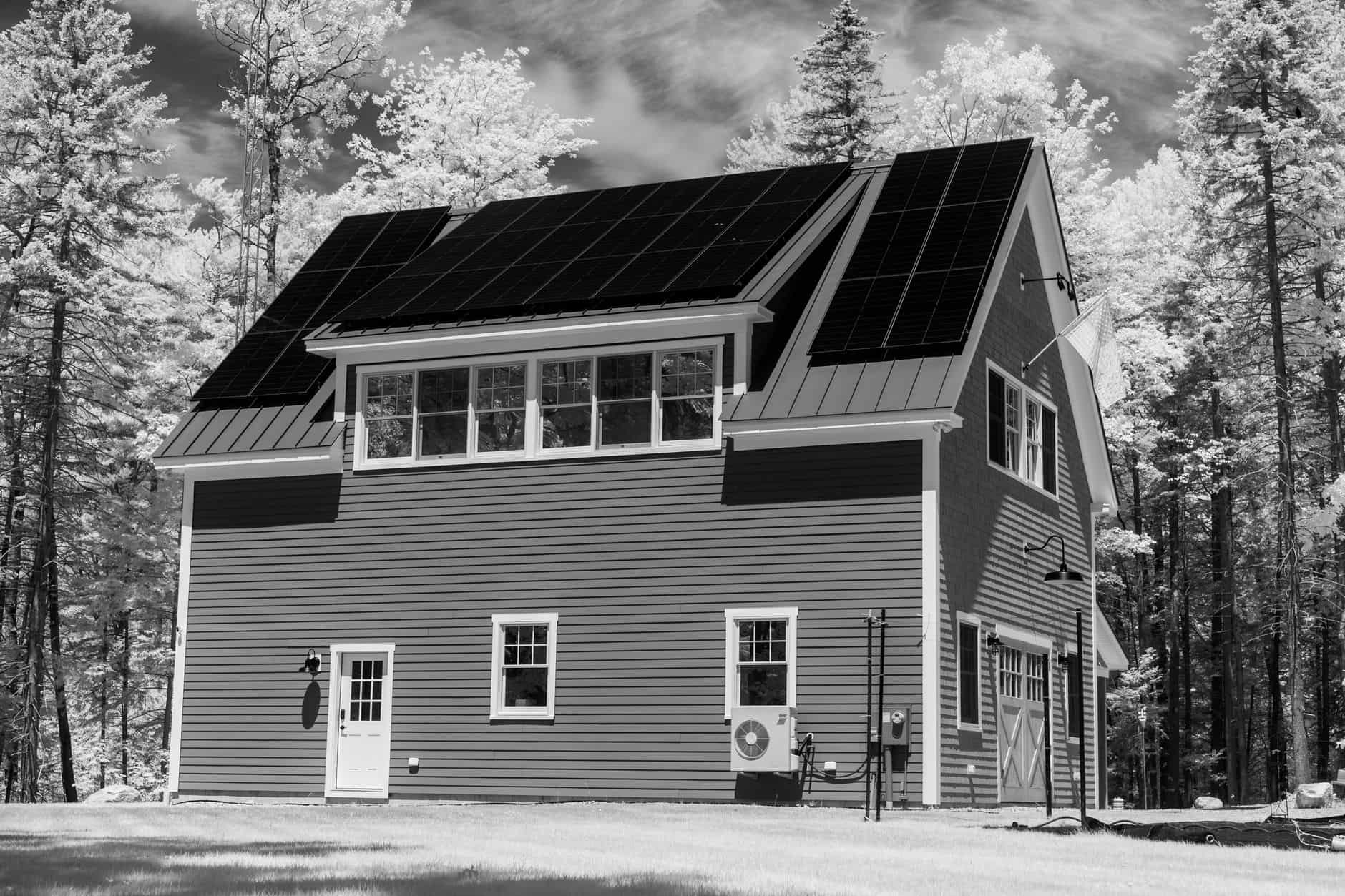
Zero‑Bill Homes Promise Free Power in 10 Years
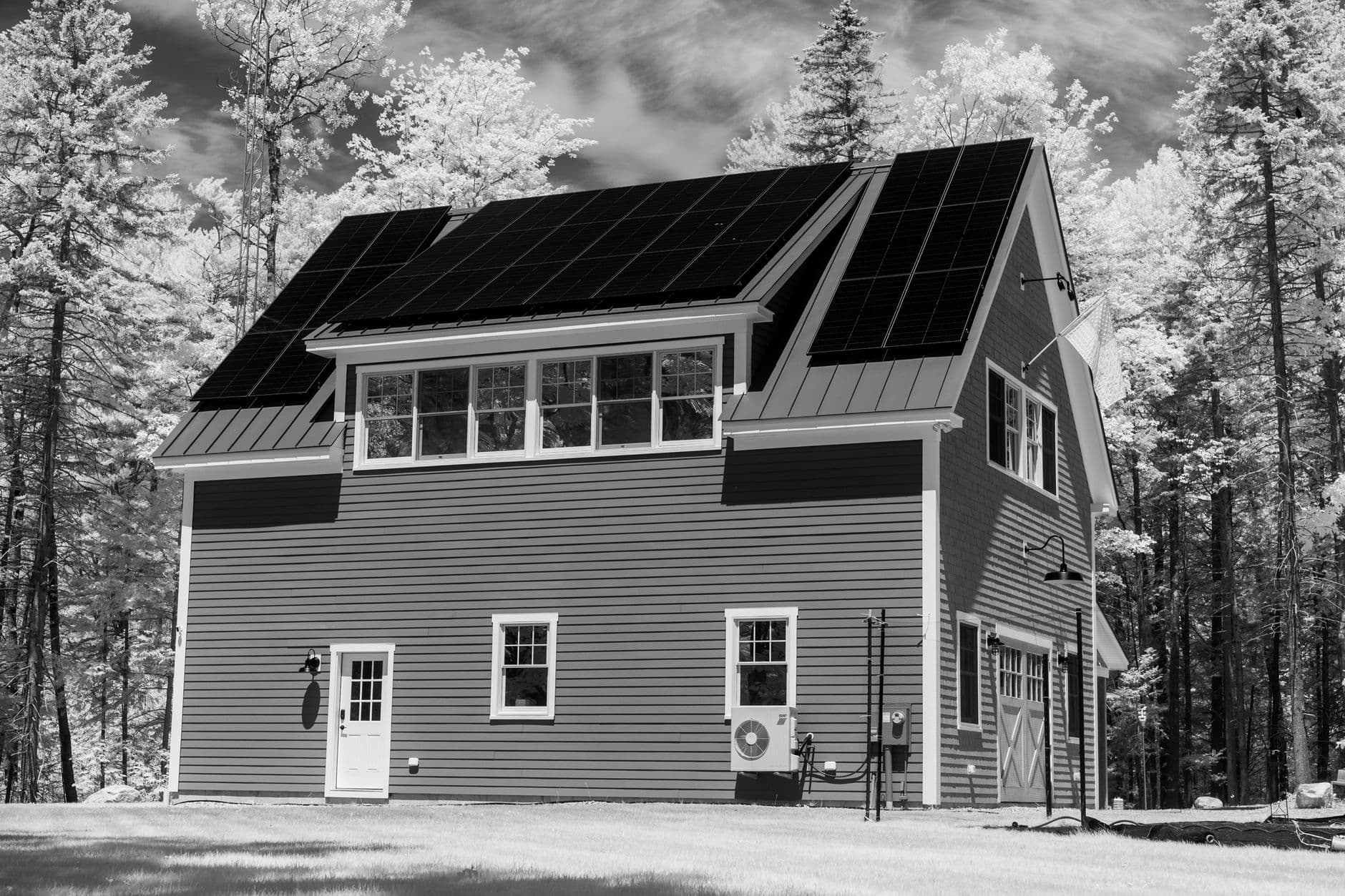
Zero‑Bill Homes aim for zero net electricity cost in ten years
Octopus Energy’s new "Zero Bills Homes" development in Ille‑et‑Vilaine, France, is designed to let 100 households pay nothing for electricity over a decade. The company says the combination of rooftop solar, heat‑pump heating, home batteries and smart energy management will make that possible.
How the technology stack works: solar PV, heat pumps, batteries, smart management
Octopus Energy will equip each of the 100 homes with a rooftop solar PV system sized to generate a significant portion of the household’s annual demand. A heat‑pump provides space‑heating and hot‑water, drawing electricity from the same grid‑connected system. A lithium‑ion battery stores excess solar generation for use when the sun isn’t shining. All three assets are managed by a platform that continuously balances generation, consumption and storage to maximise self‑consumption – the key driver of cost savings.
Aggregation and flexibility services drive savings
The real breakthrough is that Octopus Energy will treat the 100 homes as a single virtual power plant. By aggregating the assets, the company can shift loads across the portfolio, export surplus power when market prices are high, and offer flexibility services to the French grid operator. Those flexibility revenues are fed back to the residents, shaving the net electricity bill toward zero. This model mirrors the demand‑side flexibility concepts described in the European CERRE report, which highlights how dynamic pricing and real‑time grid services can unlock value for residential consumers.
French regulatory landscape for self‑consumption and storage
France’s 2016 energy transition ordinance created a legal framework for self‑consumption, allowing households to install PV and batteries and to sell surplus electricity under a regulated feed‑in tariff. The rules also permit aggregation of multiple sites, which Octopus will exploit. However, compensation rates and eligibility criteria for flexibility markets may vary over time, meaning the zero‑bill promise depends on a stable policy environment.
Market context: European battery and heat‑pump growth
Octopus’s plan rides a wave of rapid expansion in residential storage. The European battery market is projected to accelerate after a modest 2024 slowdown, with residential storage expected to grow at double‑digit rates through 2029. Heat‑pump installations are also rising across Europe, driven by cheaper electricity and climate‑friendly policies. Together, these trends lower equipment costs and improve performance, making the economics of a fully self‑sufficient home more attractive than ever.
What it means for Israel
For Israeli homeowners, the Octopus model illustrates how a fully integrated system can cut electricity bills dramatically. Using typical Israeli figures – a 10 kWp rooftop system in the central region yields about 17 000 kWh per year, valued at roughly ₪8 160 at the residential tariff of ₪0.48/kWh. With a turnkey cost of about ₪31 500 (₪3 150/kWp), the simple payback is just under four years, well before the 25‑year system life ends. Israeli regulators could adopt a similar aggregation approach, letting utilities manage clusters of homes and share flexibility revenues, thereby accelerating the country’s goal of 30 % renewable electricity by 2030.
Outlook: scaling to 15,000 homes by 2030
Octopus Energy says the French pilot is a stepping stone toward 15 000 "Zero Bills" homes across France by 2030. If the first 100 achieve the promised zero‑net cost, the model could be replicated in other EU markets with supportive self‑consumption rules. The key challenges will be maintaining stable feed‑in tariffs, ensuring battery longevity, and coordinating with grid operators to capture flexibility value. Success would demonstrate a viable pathway for mass‑market zero‑bill housing, a concept that could reshape residential energy economics worldwide.
What it means for Israel – A typical Israeli 10 kWp system produces ~17 MWh/year, worth ~₪8 160, and pays back in ~3.9 years at a cost of ₪31 500. Adding storage and heat‑pump integration can further increase self‑consumption, mirroring Octopus’s French ambition and helping Israel meet its 30 % renewable target.
Sources & further reading
FAQ
What is a "Zero Bills Home"?
A Zero Bills Home is a residence equipped with solar panels, a heat‑pump, a battery and smart energy software that together aim to eliminate the net electricity bill over a set period, usually ten years.
How does aggregation lower the bill?
By managing many homes as a single virtual power plant, the operator can shift loads, export surplus when prices are high and earn flexibility payments, which are passed back to the residents.
Will French regulations allow this model?
France’s 2016 self‑consumption ordinance permits rooftop PV, battery storage and the sale of excess power, and it also allows aggregation, though exact feed‑in rates can change yearly.
Can Israeli homeowners copy the model?
Yes – using typical Israeli yields (≈17 MWh/yr for a 10 kWp system) and costs, a fully integrated system can pay back in under four years and dramatically cut the electricity bill.
What role do heat pumps play?
Heat pumps convert electricity into heating and hot water with high efficiency, turning the solar‑generated electricity into useful thermal energy and raising overall self‑consumption.
How fast is the residential battery market growing?
European residential battery capacity is expected to grow at double‑digit rates through 2029, driven by falling lithium‑ion costs and increasing demand for grid flexibility.
Share this post
More from Residential
6
Irish Solar Calculator Shows Real Savings
AirPV’s free calculator shows Irish homeowners how much a solar‑plus‑battery system can save, highlighting the impact of inverter clipping and export tariffs.
Home Solar Becomes Israel’s Energy Lifeline
The Israel‑Iran conflict has highlighted rooftop solar as a security priority, with a typical 10 kWp home system paying for itself in under four years and helping the country meet its renewable targets.
How to Decide if Solar Panels Are Right for Your Roof
Thinking about going solar? Before you call an installer, work through these roof, usage and financial checks to know whether panels are a smart fit for your home.
Is Your Roof Ready for Solar? Quick Checklist
A roof is solar‑ready if it faces south, stays mostly unshaded, can support the panel weight, and has sufficient clear area – then a typical 5 kW system in Israel pays for itself in under four years.
How to Pick the Right Solar Installer
Hire a certified installer with transparent pricing and solid warranties; a typical 10 kWp home system in Israel pays for itself in under four years.

Net Metering in Israel: Cut Your Power Bill
Net metering lets Israeli households offset their electricity bills by earning ₪0.48 per kWh for any surplus solar power they feed back into the grid, typically paying back a 5 kW system in under four years.