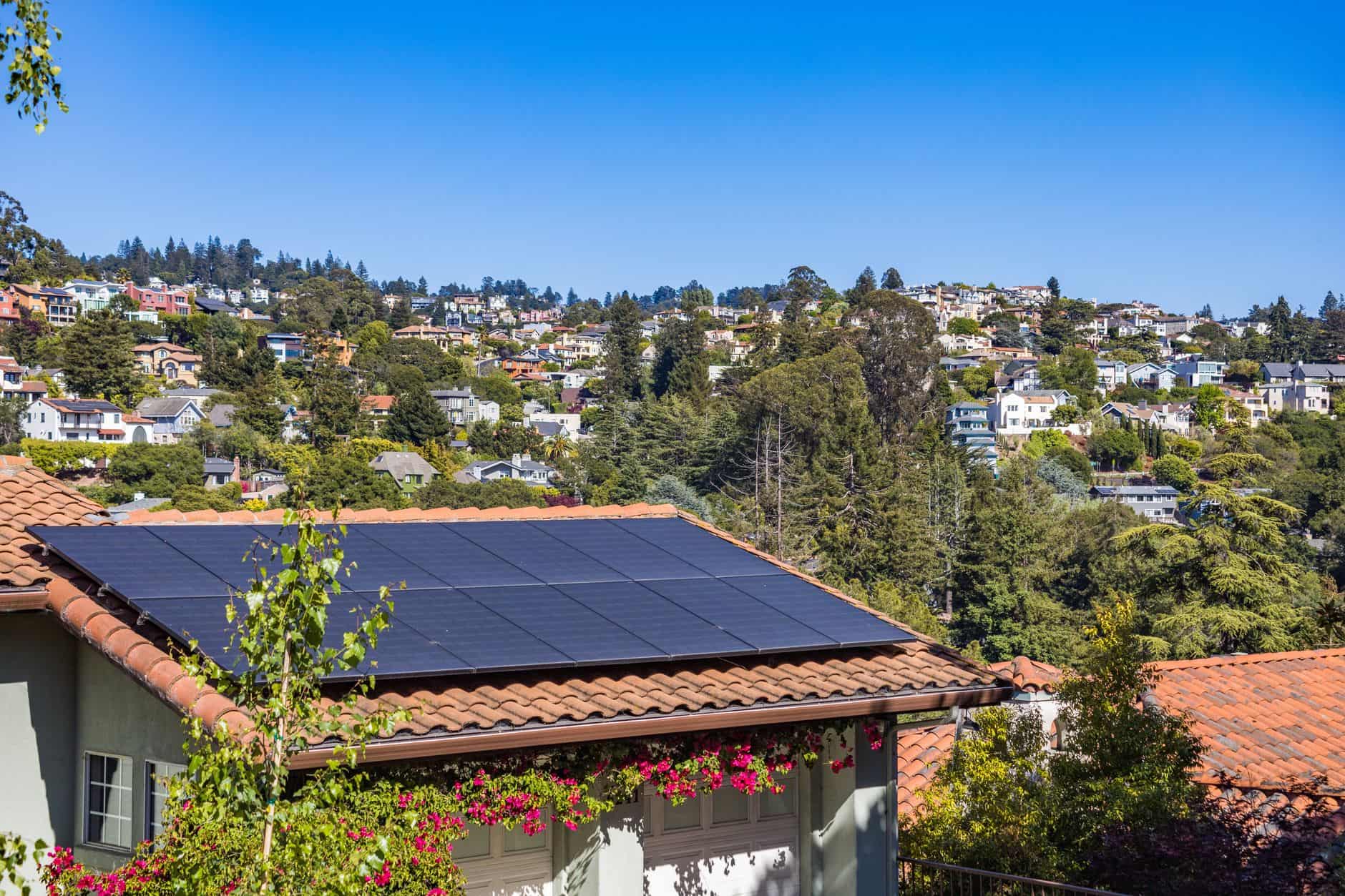
How to Decide if Solar Panels Are Right for Your Roof
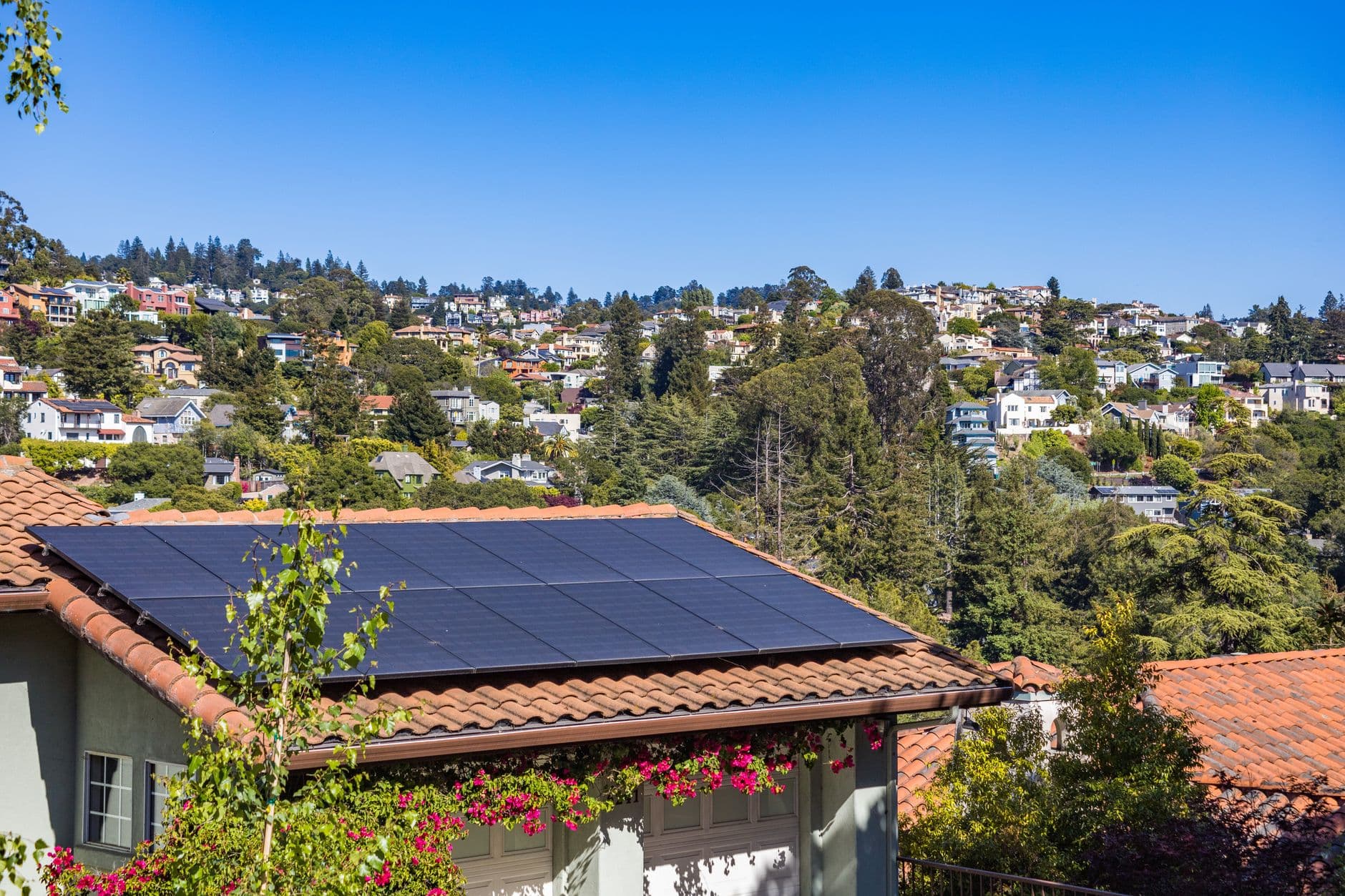
Rooftop solar can cut your electricity bill for decades — but it is not automatically the right move for every home. The good news is that you can tell whether it fits with a short, structured assessment. Here is how to decide, step by step.
Start with your roof
Your roof does most of the work, so look at it first:
- Direction: In Israel — and the rest of the northern hemisphere — a south-facing roof captures the most energy. East and west still work well; a north-facing slope is the weakest.
- Shade: Even partial shade from trees, a water heater, neighbouring buildings or a parapet can disproportionately cut output. Panels want sun for most of the day.
- Space: You need a continuous area of unobstructed roof. A small or cluttered roof limits how much you can install.
- Tilt: A gentle slope is ideal, but flat roofs are fine — panels are simply mounted on angled frames.
- Age and condition: Panels last around 25 years, so the roof under them should be sound. If it needs replacing soon, do that first.
Look at how you use electricity
Solar pays back fastest when it offsets electricity you actually use. Pull out a few recent bills and check:
- How much you spend each month, and whether usage is high in summer (air conditioning) — that often lines up well with peak sun.
- Whether most of your consumption is during the day. The more you use while the sun is shining, the more you save directly.
- Whether your home is electric-heavy (EV charging, electric water heating, A/C) — bigger bills usually mean faster payback.
Israel-specific factors
Israel is one of the sunniest countries in the world, which is why rooftop solar is so attractive here. A few local points to weigh:
- Abundant sun: Most of the country enjoys strong, consistent sunlight for the majority of the year.
- Grid rules: Arrangements for feeding surplus power back to the grid affect your economics, so confirm the current scheme with an accredited installer.
- Dust: Panels need the occasional rinse; dust build-up between rains can shave a little off output.
The financial picture
Think in terms of payback, not just sticker price:
- Upfront vs. financed: You can buy a system outright (best long-term return) or use a loan, lease or PPA arrangement (lower upfront cost, smaller savings).
- Payback period: Most well-placed home systems pay for themselves within several years and then keep producing for two decades or more.
- Quotes: Get two or three quotes and compare equipment quality and warranties, not just price.
A quick way to sanity-check the numbers for your own roof is to run them through our solar savings calculator.
Ownership and structure
- Do you own the roof? For a private house this is straightforward. In an apartment building the roof is usually shared, so you will need the building's consent.
- Structural load: A professional will confirm the roof can carry the panels and mounting — almost all sound roofs can.
- Permits: A licensed installer handles the paperwork and connection approval.
When solar may not be worth it
- Heavy, unavoidable shade for much of the day.
- A roof that needs replacing within a few years.
- Very low electricity bills, which stretch the payback period.
- Plans to move soon, before the system pays back (though solar can raise resale value).
- Renting, where you do not control the roof.
A simple decision checklist
If you can tick most of these, solar is very likely worth a serious quote:
- ✔️ A mostly unshaded roof facing south, east or west
- ✔️ Enough clear space for a meaningful system
- ✔️ A roof in good condition for the next 20+ years
- ✔️ A moderate-to-high electricity bill
- ✔️ Ownership of (or consent for) the roof
The bottom line
For most Israeli homeowners with a sound, sunny roof and a normal electricity bill, rooftop solar is one of the safest long-term investments available — but the details of your specific roof decide how good the deal is. Work through the checks above, get a couple of professional quotes, and let the payback math make the call.
FAQ
Which roof direction is best for solar in Israel?
South-facing roofs are ideal because they get the most sun across the day, but east- and west-facing roofs also perform well. North-facing slopes are the least effective.
Can I install solar if I live in an apartment?
Often yes, but the roof of an apartment building is usually shared, so you will need the consent of the residents or building management before installing.
How long do solar panels last?
Quality panels are generally warranted for about 25 years and keep producing afterwards at a slowly declining rate, so the roof beneath them should be in good shape.
Is my roof too old for solar?
If your roof will need replacing within a few years, it is usually best to replace it first — removing and reinstalling panels later adds cost.
Do I need batteries?
Not necessarily. Batteries let you store daytime production for evening use, but many homes start with a grid-connected system and add storage later.
Share this post
More from Residential
6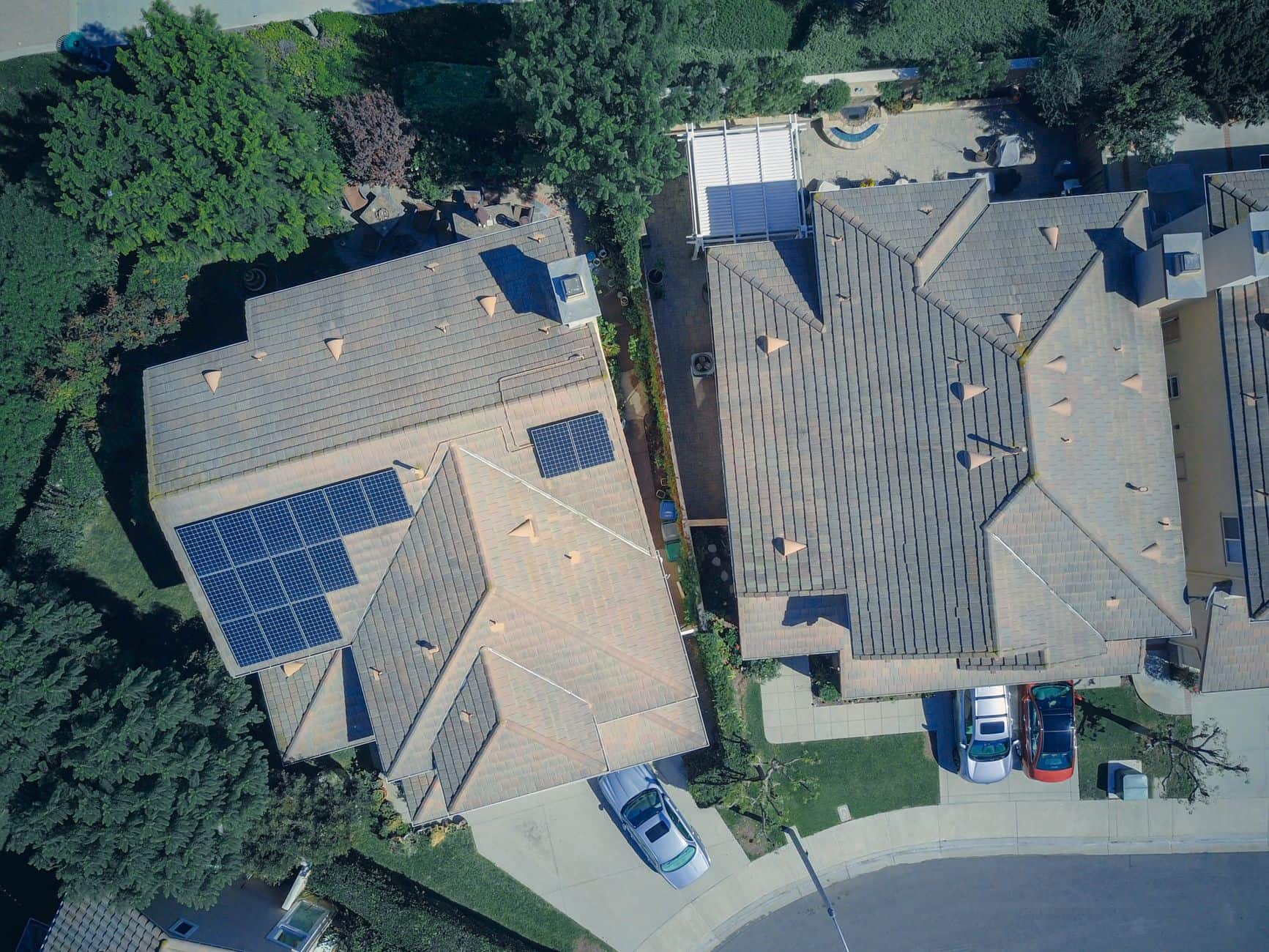
Is Your Roof Ready for Solar? Quick Checklist
A roof is solar‑ready if it faces south, stays mostly unshaded, can support the panel weight, and has sufficient clear area – then a typical 5 kW system in Israel pays for itself in under four years.
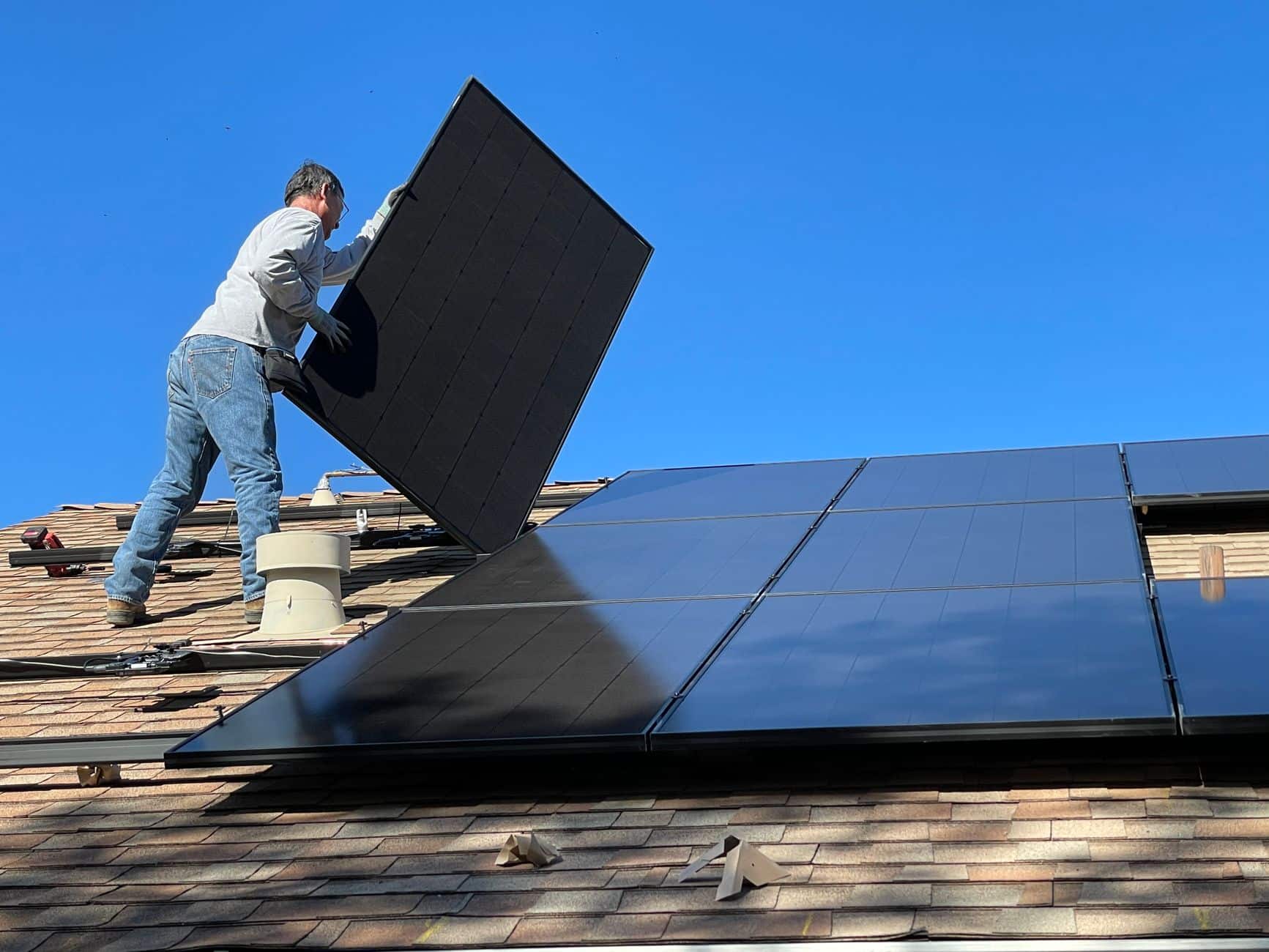
How to Pick the Right Solar Installer
Hire a certified installer with transparent pricing and solid warranties; a typical 10 kWp home system in Israel pays for itself in under four years.

Net Metering in Israel: Cut Your Power Bill
Net metering lets Israeli households offset their electricity bills by earning ₪0.48 per kWh for any surplus solar power they feed back into the grid, typically paying back a 5 kW system in under four years.

Solar Hot Water vs Home PV: Which Saves More?
Solar water heating usually requires a lower initial investment, but a 5 kW rooftop PV system in Israel pays for itself in around four years and delivers greater monetary and CO₂ savings.

Shared Rooftop Solar Cuts Apartment Bills
Shared rooftop solar on a 15 kW system can slash each apartment’s electricity bill by about ₪1,200 a year and pay for itself in under four years.

Keep Your Home Solar Panels at Peak Performance
Regular cleaning and simple safety checks keep Israeli rooftop solar panels performing well, protecting both earnings and the environment.