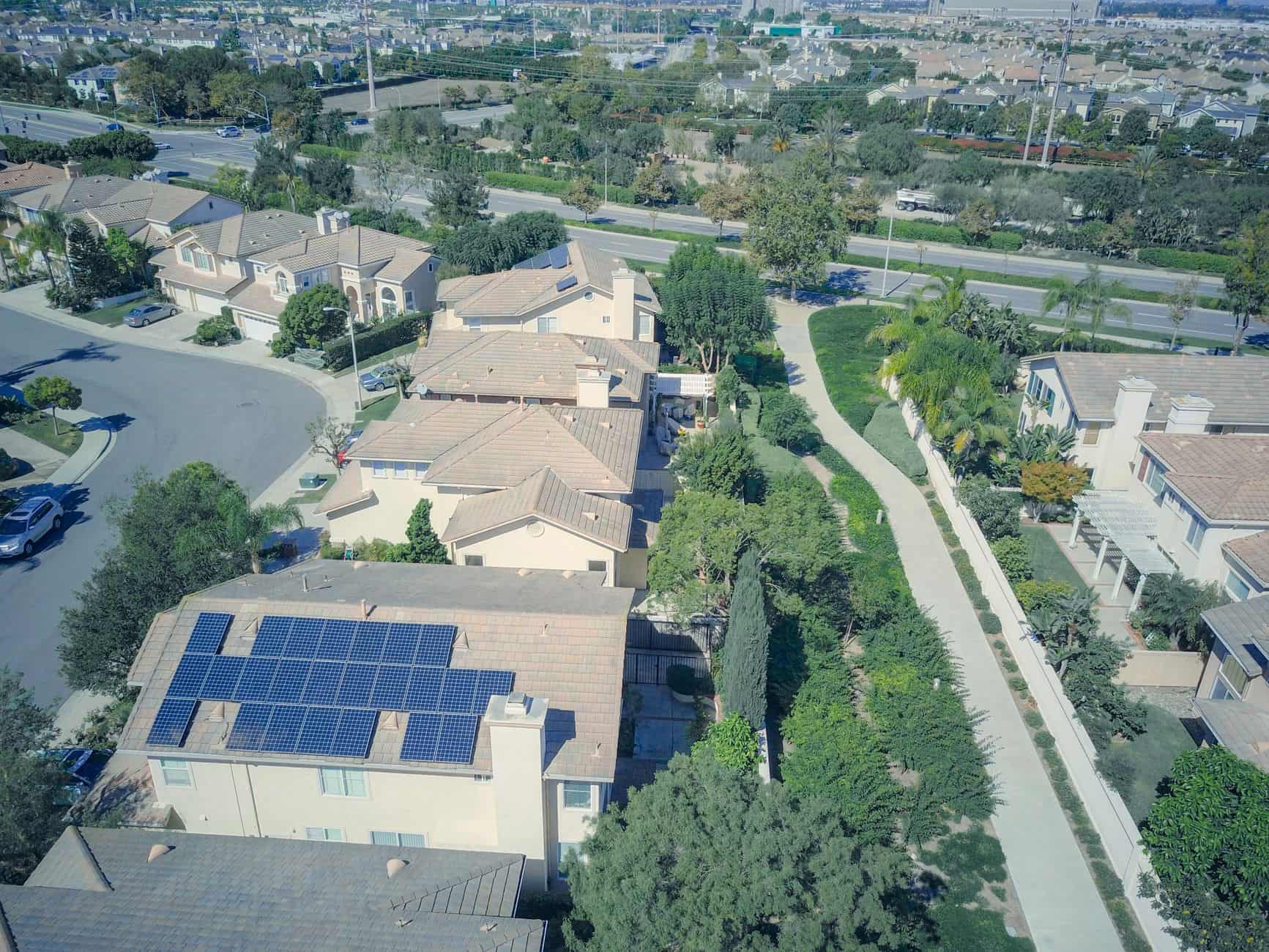
Home Solar Becomes Israel’s Energy Lifeline
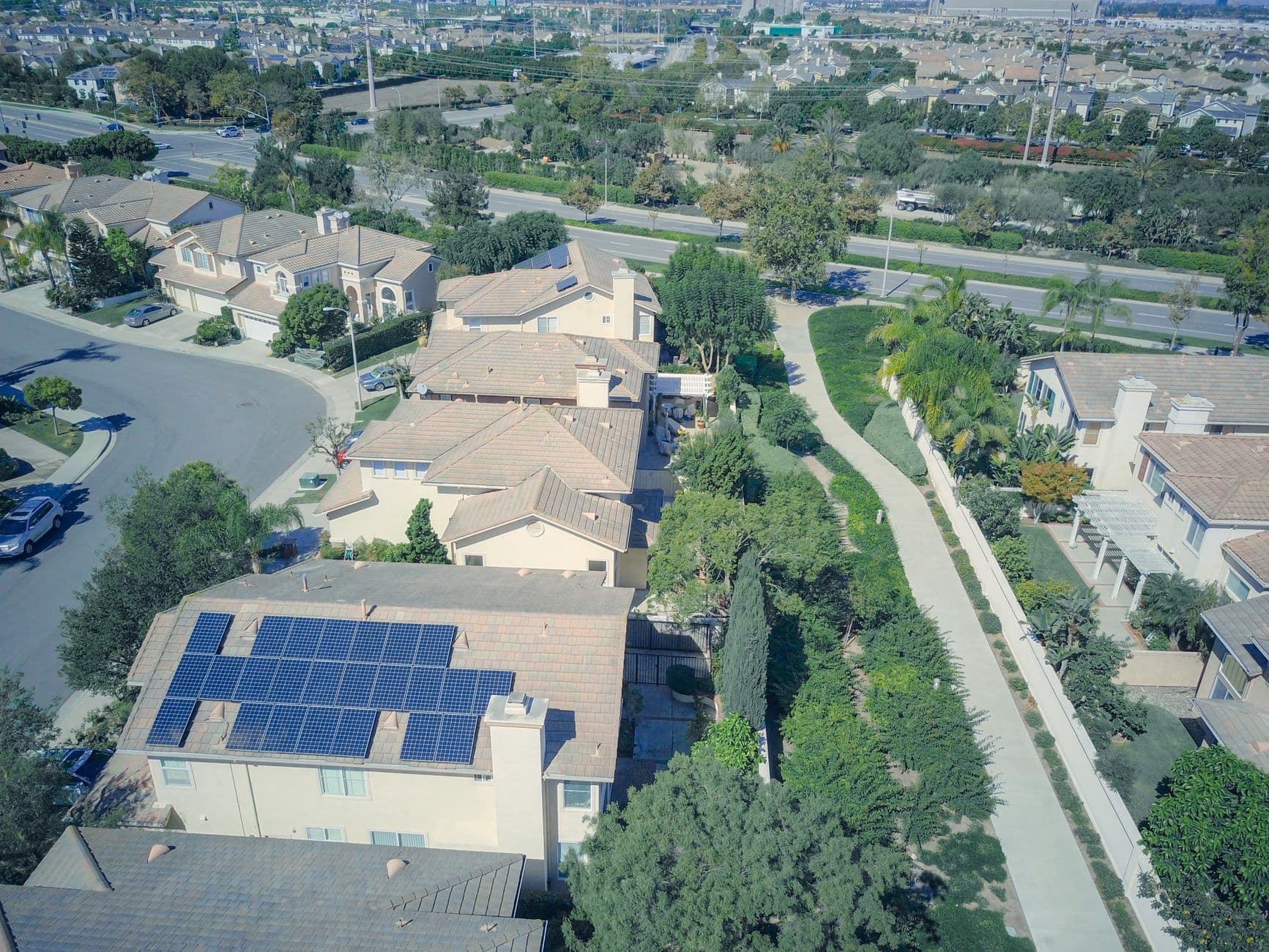
Energy security after the war demands home solar
The ongoing Israel‑Iran conflict has highlighted rooftop solar as a priority for energy security, because households can keep the lights on even if the grid is disrupted. Analysts note that after a war‑time spike in oil and gas prices, governments and citizens alike look to decentralized generation to protect against supply shocks. In Israel, the conflict has intensified public discussion on energy independence, with experts urging broader adoption of residential PV to reduce reliance on imported fuels.
Solar capacity in Israel is booming – numbers
Israel’s solar fleet grew from roughly 2.8 GW in 2019 to 5.6 GW in 2023, more than doubling in just four years. By the end of 2023 the total installed electricity capacity reached 23.7 GW, and the Ministry of Energy estimates that an additional 17.1 GW of solar will be needed to meet the 2030 renewable‑energy target. Solar now supplies about 11 % of Israel’s electricity, and projections indicate the share will continue to rise as large‑scale PV and rooftop systems expand.
Cost of a typical home system and payback
A 10 kWp rooftop system in the central region costs about ₪3,150 per kWp, or roughly ₪31,500 total, and generates ~17,000 kWh per year (≈1,700 kWh/kWp). At the residential feed‑in tariff of ₪0.48 /kWh, that electricity is worth about ₪8,160 annually, giving a simple payback period of just under four years (≈3.9 years) before any subsidies are applied. This demonstrates that residential solar can be financially attractive without additional incentives.
Why rooftop solar boosts resilience
Rooftop PV provides three layers of resilience: (1) it reduces demand on the central grid, easing strain during peak‑load or supply‑shortage events; (2) paired with batteries, it can supply power during blackouts, a capability that proved valuable in past regional conflicts; and (3) distributed generation is harder to target with sabotage compared with centralized power plants. Moreover, the record‑low tender price of $0.019 /kWh for utility‑scale solar projects (≈₪0.07 /kWh) shows that large‑scale solar is now the cheapest new electricity source in Israel, reinforcing the economic case for expanding rooftop installations.
What it means for Israel – a worked example
Using the typical Israeli figures, a 10 kWp home system in the central district would:
- Produce ~17,000 kWh/year (≈1,700 kWh per kWp) → worth ₪8,160 at the residential tariff of ₪0.48/kWh.
- Cost ~₪31,500 to install (₪3,150/kWp).
- Reach simple payback in ~3.9 years, leaving ~21 years of net profit and CO₂ savings (≈8,500 kg CO₂ avoided annually, given 0.5 kg per kWh). Over a 25‑year lifetime the system would generate roughly 425 MWh of clean electricity, enough to power many typical Israeli homes and offset the equivalent of planting a substantial number of trees each year. Homeowners can run the calculation themselves on our solar ROI calculator or compare regional yields on the market data page.
Outlook: policy and market trends
The Israeli government’s 2030 target of 30 % renewable electricity and the interim 2025 goal of 20 % are driving new building codes that require PV on roofs larger than 250 m² for certain non‑residential buildings. Coupled with the steep decline in solar module prices and the proven economic return, the policy environment is now strongly supportive of residential adoption. Experts suggest that a sizable share of households adopting solar could lead to a noticeable reduction in fossil‑fuel generation, bolstering both climate goals and national security.
What it means for you today
If you’re a homeowner in the central region, a 5 kW system (about half the 10 kW example) would cost ~₪15,750, generate ~8,500 kWh/year, and pay for itself in roughly four years. After that, the electricity is essentially free, and you gain a reliable backup during any grid outage—a tangible step toward the energy independence that the war has made urgent.
Sources & further reading
- Energy crisis and government responses to the US-Israel war on Iran
- Q&A: What does the Iran war mean for the energy transition and climate...
- [PDF] Geopolitics of the energy transition: Energy security - IRENA
- Solar energy as national security in the Israeli-Palestinian conflict
- How to respond to the energy crisis | Nesta
FAQ
How quickly can a home solar system pay for itself in Israel?
A typical 10 kWp rooftop system pays back in about 3.9 years thanks to the ₪0.48/kWh residential tariff and current installation costs.
What share of Israel’s electricity comes from solar today?
Solar power accounts for roughly 11 % of Israel’s electricity generation as of 2023.
Will rooftop solar help during a blackout?
Yes—combined with batteries, rooftop PV can supply power when the grid goes down, providing critical resilience in conflict situations.
How much solar capacity does Israel need to hit its 2030 target?
Experts estimate an additional 17 GW of solar capacity is required to reach the 30 % renewable‑energy goal by 2030.
Are there new regulations that force solar on buildings?
New building codes require any new non‑residential roof larger than 250 m² to install a renewable‑energy system.
Share this post
More from Residential
6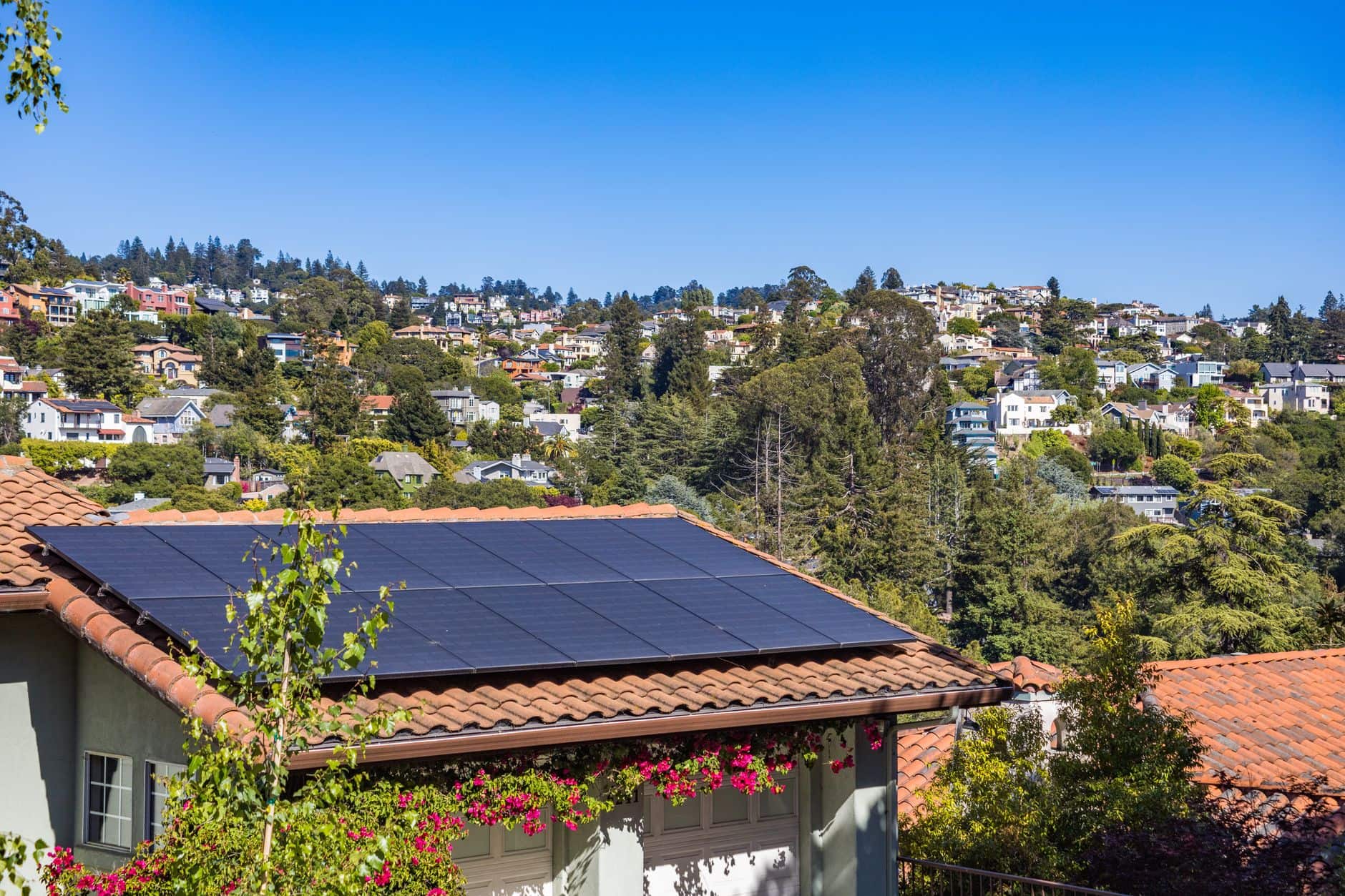
How to Decide if Solar Panels Are Right for Your Roof
Thinking about going solar? Before you call an installer, work through these roof, usage and financial checks to know whether panels are a smart fit for your home.
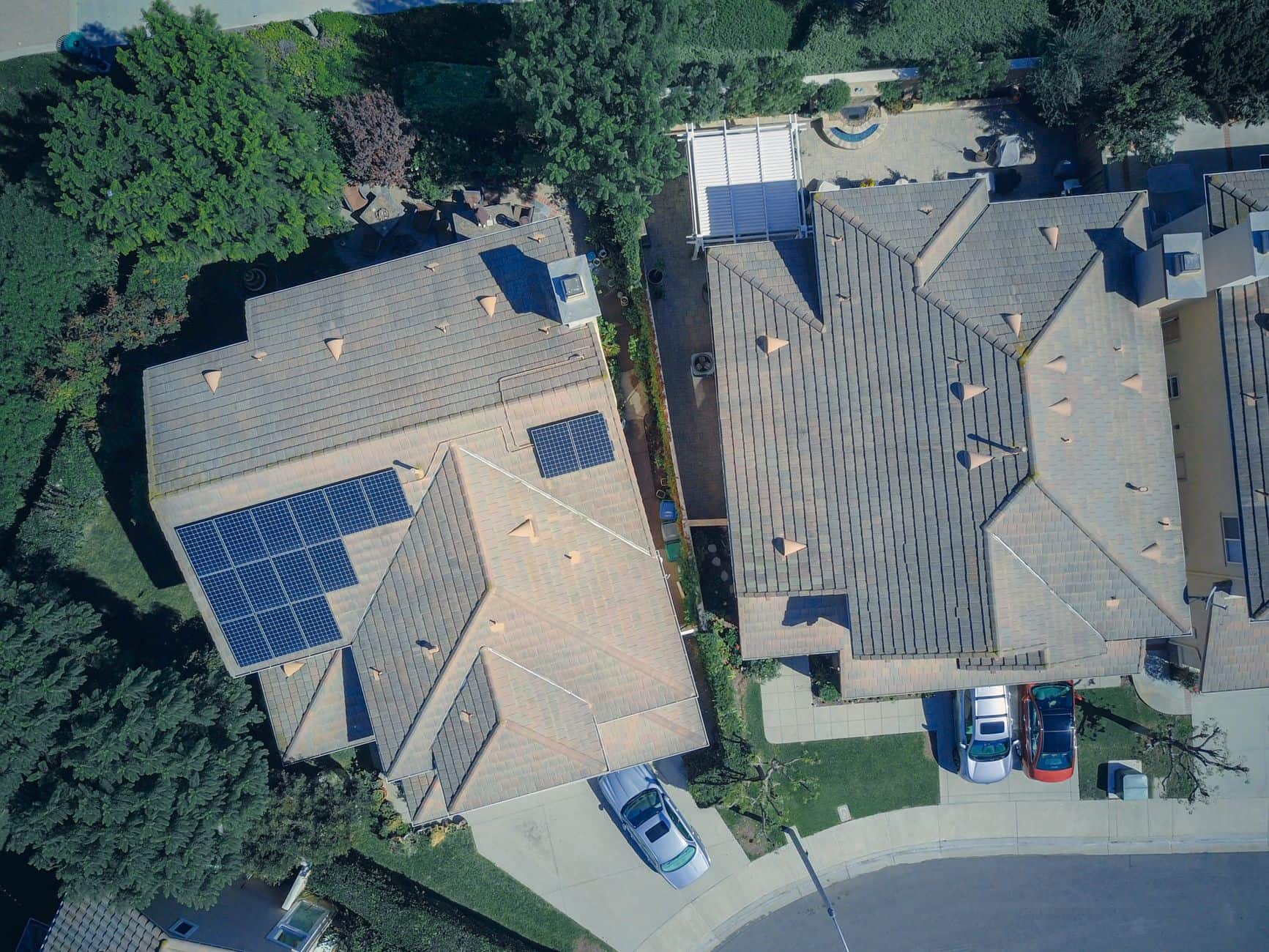
Is Your Roof Ready for Solar? Quick Checklist
A roof is solar‑ready if it faces south, stays mostly unshaded, can support the panel weight, and has sufficient clear area – then a typical 5 kW system in Israel pays for itself in under four years.
How to Pick the Right Solar Installer
Hire a certified installer with transparent pricing and solid warranties; a typical 10 kWp home system in Israel pays for itself in under four years.

Net Metering in Israel: Cut Your Power Bill
Net metering lets Israeli households offset their electricity bills by earning ₪0.48 per kWh for any surplus solar power they feed back into the grid, typically paying back a 5 kW system in under four years.

Solar Hot Water vs Home PV: Which Saves More?
Solar water heating usually requires a lower initial investment, but a 5 kW rooftop PV system in Israel pays for itself in around four years and delivers greater monetary and CO₂ savings.

Shared Rooftop Solar Cuts Apartment Bills
Shared rooftop solar on a 15 kW system can slash each apartment’s electricity bill by about ₪1,200 a year and pay for itself in under four years.