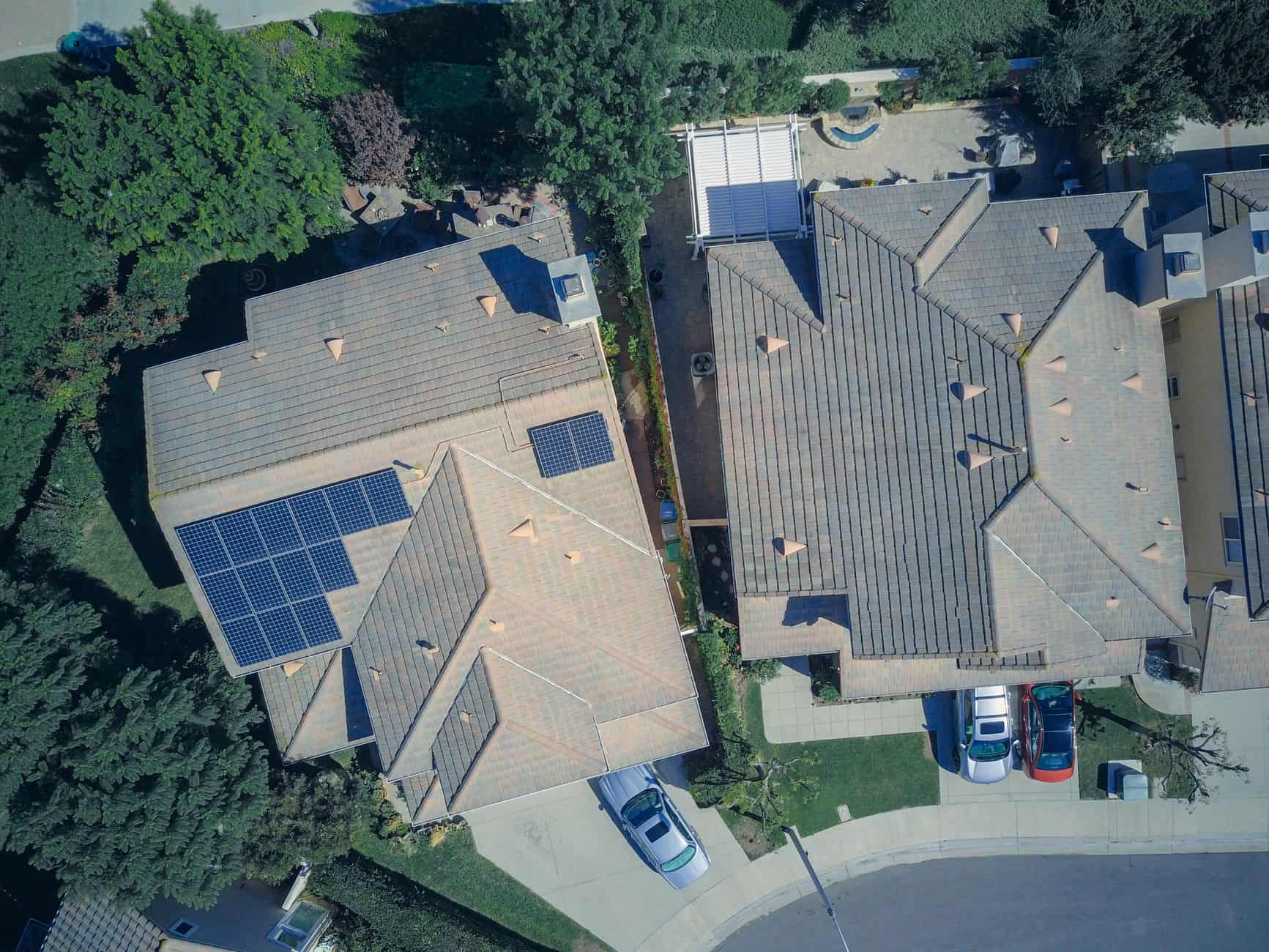
Is Your Roof Ready for Solar? Quick Checklist
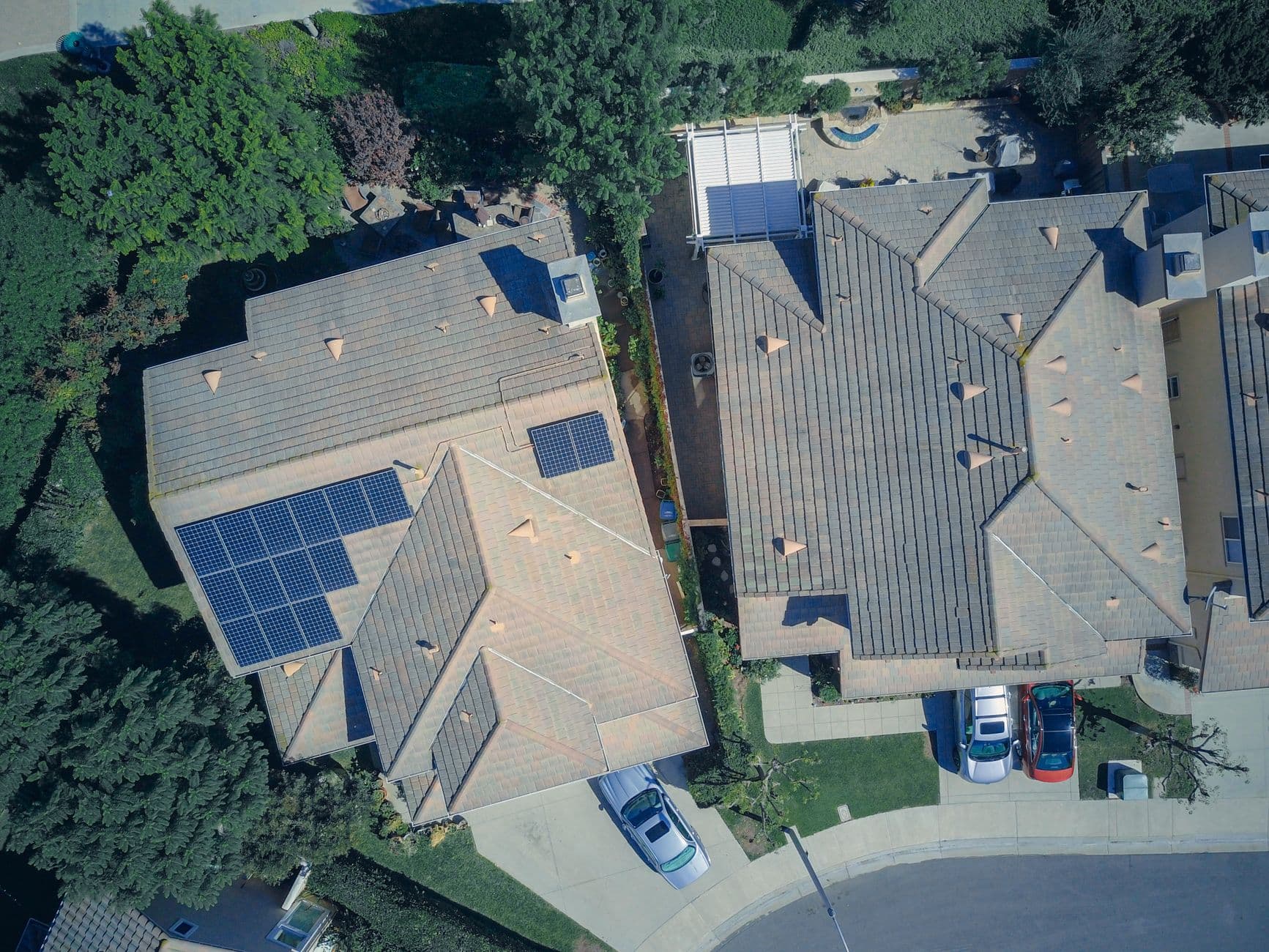
Quick verdict: Most homes can host solar panels if they meet three basic criteria – enough sun‑lit area, structural strength, and minimal shading.
If your roof checks these boxes, a typical 5 kW residential system will generate around 8,500 kWh per year and start paying for itself in under five years in Israel. Below is a step‑by‑step checklist that combines guidance from UK installers and the latest Israeli market data.
Roof orientation and sun exposure – South‑facing roofs produce the most energy.
A roof that faces true south (or south‑west) receives strong midday sun, which generally yields more electricity than roofs with other orientations. Installers use sun‑path diagrams to confirm that the panel tilt is appropriate for the local latitude. A north‑facing roof can still work with a ground‑mount or tilted array, though the yield will be lower. This guidance is echoed by CRG Direct and the Energy Saving Trust, which both stress that orientation outweighs modest shading differences.
Shading – Even a small shadow can significantly reduce output.
Shading is a major performance limiter. Installers therefore perform a thorough shading analysis, checking for trees, chimneys, and nearby buildings throughout the day and across seasons. Sunsave notes that a shaded south‑facing roof can underperform an unshaded east‑facing one, underscoring the need for a clear sky view.
Structural integrity – Your roof must bear the weight.
Standard crystalline panels add weight to the roof, so installers verify the roof’s load‑bearing capacity using structural calculations. If the roof is older, made of lightweight tiles, or has a steep pitch, reinforcement may be required. Ace Energy highlights that structural checks are a common reason permits stall.
Usable roof area – Sufficient clear space is essential.
Each panel occupies a modest amount of area, so a 5 kW system typically requires a few dozen square metres of unobstructed roof space. Roofs with multiple orientations can host split arrays, but each sub‑array needs appropriate wiring and inverter configuration.
Electrical and regulatory considerations – Permissions are part of the process.
In Israel, the Electricity Authority and grid operator NOGA must approve grid‑connection plans. Homeowners usually need a structural engineer’s sign‑off and a shading analysis report before the installer can submit the application.
What it means for Israel – From roof check to real savings.
Using the verified Israeli figures (₪0.48/kWh residential tariff, ₪3,150/kWp install cost, 1,700 kWh/kWp/year yield for the central region), a typical 5 kW home system would:
- Produce ~8,500 kWh annually (5 kW × 1,700 kWh/kWp).
- Save ~₪4,080 per year in avoided electricity purchases (8,500 kWh × ₪0.48).
- Cost ~₪15,750 to install (5 kW × ₪3,150/kWp).
- Reach simple payback in ≈3.9 years (₪15,750 ÷ ₪4,080), well before the 25‑year system life.
That payback is faster than the 6‑10 year range typical in the UK, thanks to Israel’s higher electricity price and strong solar irradiance. Homeowners who meet the checklist can therefore expect a substantial reduction in their electricity bill and avoid roughly 4 t of CO₂ per year (0.5 kg × 8,500 kWh).
Next steps – Get a professional site survey.
- Contact a certified Israeli installer – they will perform a detailed shading simulation and structural assessment.
- Request a written quote that includes the cost per kWp, expected annual yield, and payback estimate.
- Apply for grid‑connection approval through NOGA’s portal.
- Schedule installation – most installers can complete a 5 kW rooftop installation within a few days.
Following this checklist ensures you avoid costly surprises and start harvesting clean, cheap electricity as soon as possible.
Sources & further reading
FAQ
What roof direction is best for solar panels in Israel?
South‑ or south‑west facing roofs receive the most sunlight and generate up to 20 % more electricity than east‑facing roofs.
How much shading is acceptable?
Even a small shadow on one panel can reduce the whole string’s output by 20‑30 %; aim for less than 5 % of the array shaded at any time.
Can an old tile roof hold solar panels?
Older or lightweight tile roofs often need a structural engineer’s assessment and may require reinforcement before installation.
How much space do I need for a 5 kW system?
About 24 m² of unobstructed roof area – roughly 15 standard 330 W panels.
What is the typical payback period in Israel?
Around 3.9 years for a 5 kW system, based on a ₪0.48/kWh tariff and a ₪3,150/kWp install cost.
Do I need a permit to install solar panels?
Yes – you must obtain structural approval and grid‑connection permission from the Electricity Authority and NOGA.
Share this post
More from Residential
6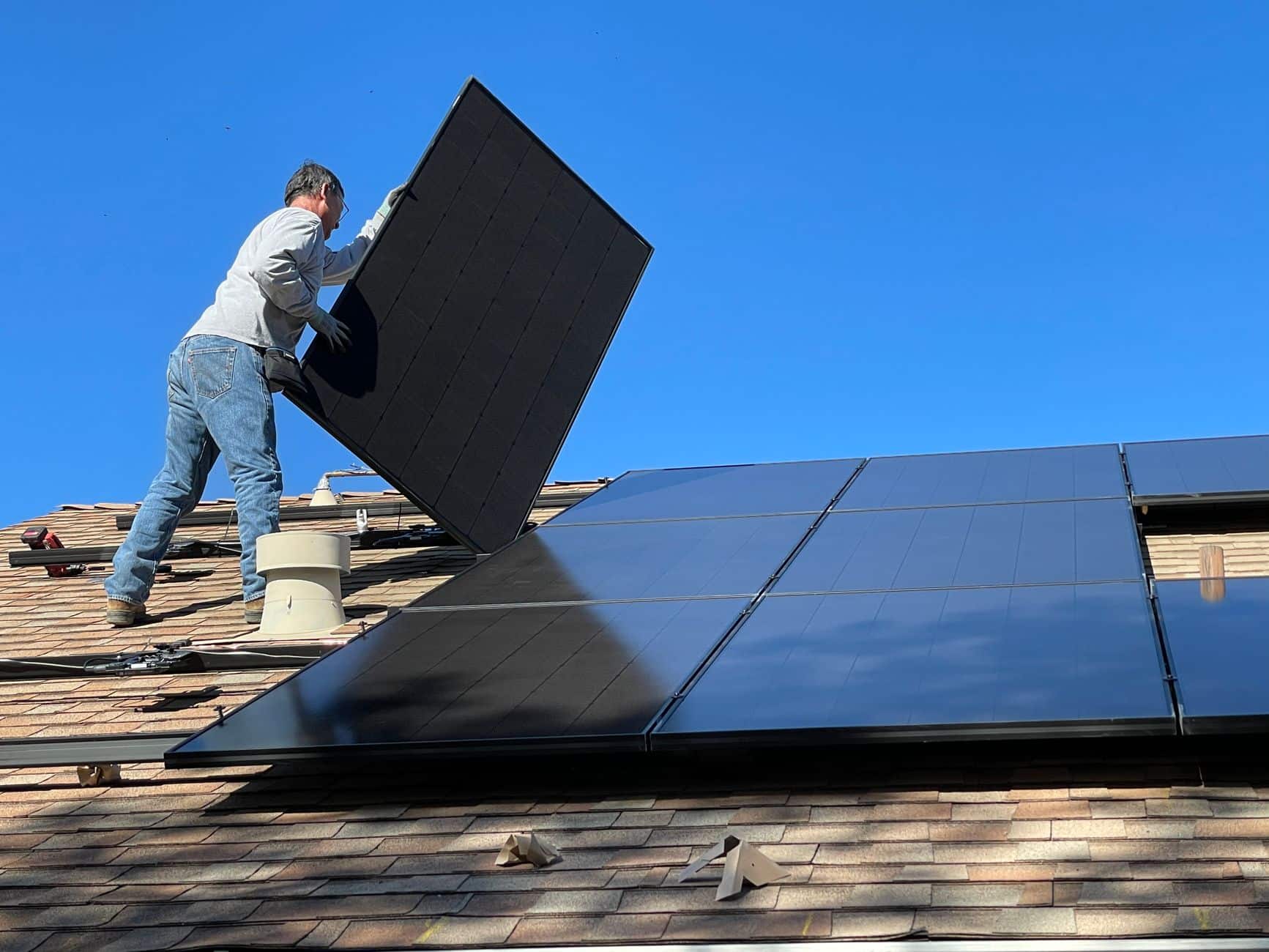
How to Pick the Right Solar Installer
Hire a certified installer with transparent pricing and solid warranties; a typical 10 kWp home system in Israel pays for itself in under four years.

Net Metering in Israel: Cut Your Power Bill
Net metering lets Israeli households offset their electricity bills by earning ₪0.48 per kWh for any surplus solar power they feed back into the grid, typically paying back a 5 kW system in under four years.

Solar Hot Water vs Home PV: Which Saves More?
Solar water heating usually requires a lower initial investment, but a 5 kW rooftop PV system in Israel pays for itself in around four years and delivers greater monetary and CO₂ savings.

Shared Rooftop Solar Cuts Apartment Bills
Shared rooftop solar on a 15 kW system can slash each apartment’s electricity bill by about ₪1,200 a year and pay for itself in under four years.

Keep Your Home Solar Panels at Peak Performance
Regular cleaning and simple safety checks keep Israeli rooftop solar panels performing well, protecting both earnings and the environment.

How to Pick the Right Home Solar Panels in Israel
A 15 kW home solar system in Israel costs about ₪47,000, generates ~25,500 kWh per year and pays for itself in under four years, making it a solid financial and environmental choice.