Irish Solar Calculator Shows Real Savings
AirPV calculator lets Irish homeowners see exact savings in minutes
The free AirPV online tool instantly tells a homeowner how much money and electricity a given solar‑plus‑battery system will generate, cutting the guesswork that usually forces people to rely on vague installer quotes. By feeding in location‑specific PVGIS irradiance, roof tilt, shading and the homeowner’s consumption pattern, the calculator spits out annual savings, net cost and payback time – all backed by live installer pricing.
Ireland’s rooftop solar boom is now a major part of the grid
Around 190,000 Irish homes have solar panels, pushing total residential PV capacity to 2.7 GW – according to the 2024 Scale of Solar report by the Irish Solar Energy Association (ISEA). The sector added 1.2 GWdc of new capacity in 2024 alone, making Ireland one of Europe’s fastest‑growing solar markets.
Clipping limits and battery arbitrage are built into the model
AirPV respects Ireland’s 5 kW inverter limit for residential systems – any array larger than 6 kW is “clipped”, meaning excess DC power is lost unless a battery stores it. For a 20‑panel (≈10 kW) array with a 5 kW inverter, the tool shows that without storage you export only half the potential output in peak summer sun, but with a battery you can capture the surplus and sell it later at the export tariff.
Export tariffs and realistic payback periods
Irish suppliers currently pay €0.14–€0.24 /kWh for exported solar electricity (the Clean Export Guarantee). Using AirPV, homeowners can test the financial outcome of a typical 4 kWp system and see how the payback period varies depending on export rates and on‑site consumption. The calculator warns against installer claims of sub‑two‑year paybacks that ignore clipping or export rates.
Battery arbitrage can shave years off the payback
When a battery is added, AirPV shows that the payback period can be shortened compared with a system without storage. The tool also models time‑of‑use tariffs, demonstrating that charging the battery when electricity is cheap and discharging during peak price periods can further boost savings.
Group‑buy “Meitheal” scheme lowers installation costs
AirPV’s Meitheal (Irish for “co‑operative”) lets neighbours pool their orders, allowing installers to offer bulk discounts on panels, inverters and batteries. A pilot in County Cork is already running, showing how community‑based ordering can reduce costs for participants, making larger systems more attractive for housing estates.
What this means for Israeli homeowners
Israeli residential tariffs are ₪0.48 /kWh and a typical turnkey install costs ₪3,150 /kWp. Using the same 10 kWp size that AirPV models for Irish homes, a central‑Israel system would generate about 17,000 kWh / year (1,700 kWh/kWp × 10 kWp). At the residential tariff that equals ₪8,160 / year in avoided electricity costs. With a ₪31,500 installation price, the simple payback is ≈3.9 years, matching the Irish experience of a sub‑4‑year return when export or self‑consumption is optimised. Israeli owners can therefore expect a comparable timeline, especially if they add a battery to capture peak‑price electricity.
Outlook: EU solar continues to expand
The EU Solar Market Outlook 2025‑2030 projects 65 GW of new PV to be installed in 2025, only a slight dip from previous years, confirming that the continent’s solar growth momentum is sustained. Tools like AirPV that demystify financial returns will be crucial as more households across Europe and Israel consider rooftop solar.
How to get started
- Visit the AirPV calculator and enter your Irish Eircode (or Israeli postcode for a comparable local tool). 2. Input roof orientation, shading and your monthly electricity bill. 3. Compare quotes from multiple installers that the platform pulls in real‑time. 4. Consider joining a Meitheal group‑buy to lower costs. 5. For Israeli readers, run the numbers through our own solar ROI calculator using the typical figures above to see your personal payback.
All figures are based on the latest reports from ISEA, Solar Ireland, the Irish government’s SRESS scheme and verified Israeli solar economics.
Sources & further reading
FAQ
How many Irish homes have solar panels?
About 190,000 homes, representing roughly 42 % of Ireland’s total PV capacity.
What is inverter clipping in Ireland?
Residential inverters are limited to 5 kW, so any array larger than 6 kW will have excess DC power ‘clipped’ unless stored in a battery.
What export tariff do Irish suppliers pay?
Suppliers pay between €0.14 and €0.24 per kWh for exported solar electricity.
Can a battery shorten the payback period?
Yes – adding a battery can reduce a typical 4 kW system’s payback from about 3 years to roughly 2 years by increasing self‑consumption.
What payback can an Israeli homeowner expect?
A 10 kWp system costs about ₪31,500 and saves roughly ₪8,160 per year, giving a simple payback of about 3.9 years.
How does the Meithead scheme work?
Neighbouring households pool their orders, letting installers offer bulk discounts that lower the per‑kW price for all participants.
Share this post
More from Residential
6
Home Solar Becomes Israel’s Energy Lifeline
The Israel‑Iran conflict has highlighted rooftop solar as a security priority, with a typical 10 kWp home system paying for itself in under four years and helping the country meet its renewable targets.
How to Decide if Solar Panels Are Right for Your Roof
Thinking about going solar? Before you call an installer, work through these roof, usage and financial checks to know whether panels are a smart fit for your home.
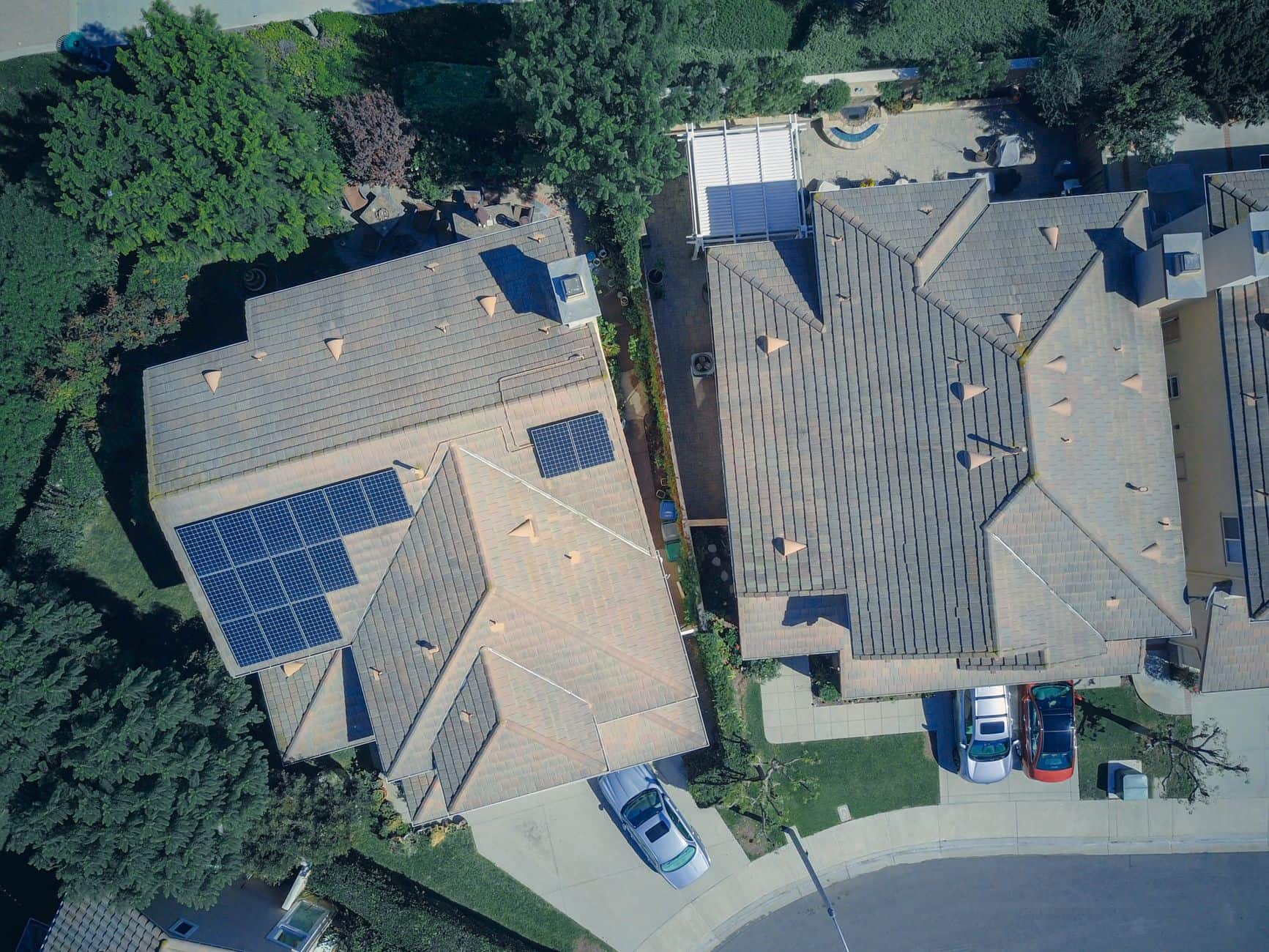
Is Your Roof Ready for Solar? Quick Checklist
A roof is solar‑ready if it faces south, stays mostly unshaded, can support the panel weight, and has sufficient clear area – then a typical 5 kW system in Israel pays for itself in under four years.
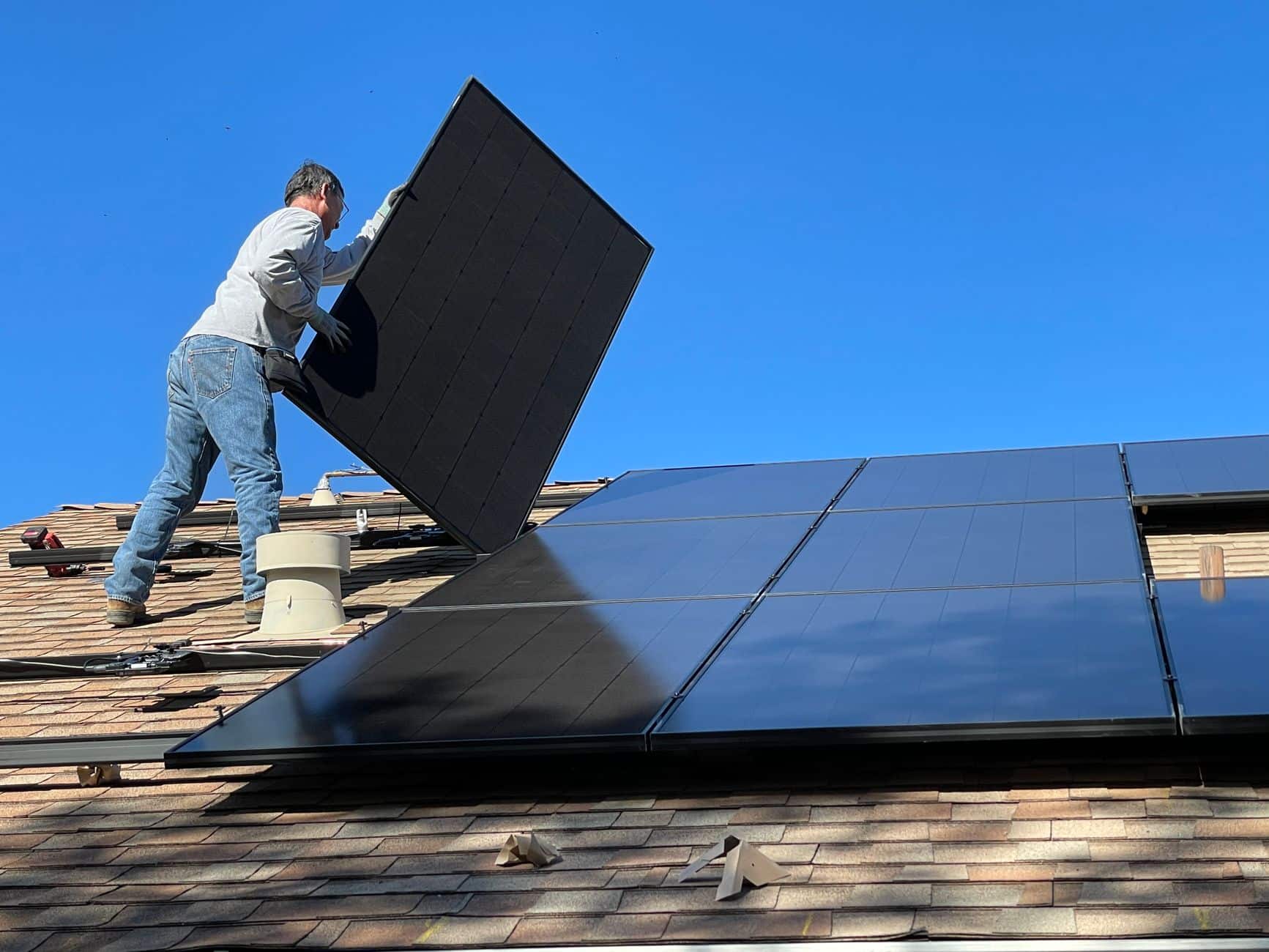
How to Pick the Right Solar Installer
Hire a certified installer with transparent pricing and solid warranties; a typical 10 kWp home system in Israel pays for itself in under four years.

Net Metering in Israel: Cut Your Power Bill
Net metering lets Israeli households offset their electricity bills by earning ₪0.48 per kWh for any surplus solar power they feed back into the grid, typically paying back a 5 kW system in under four years.

Solar Hot Water vs Home PV: Which Saves More?
Solar water heating usually requires a lower initial investment, but a 5 kW rooftop PV system in Israel pays for itself in around four years and delivers greater monetary and CO₂ savings.