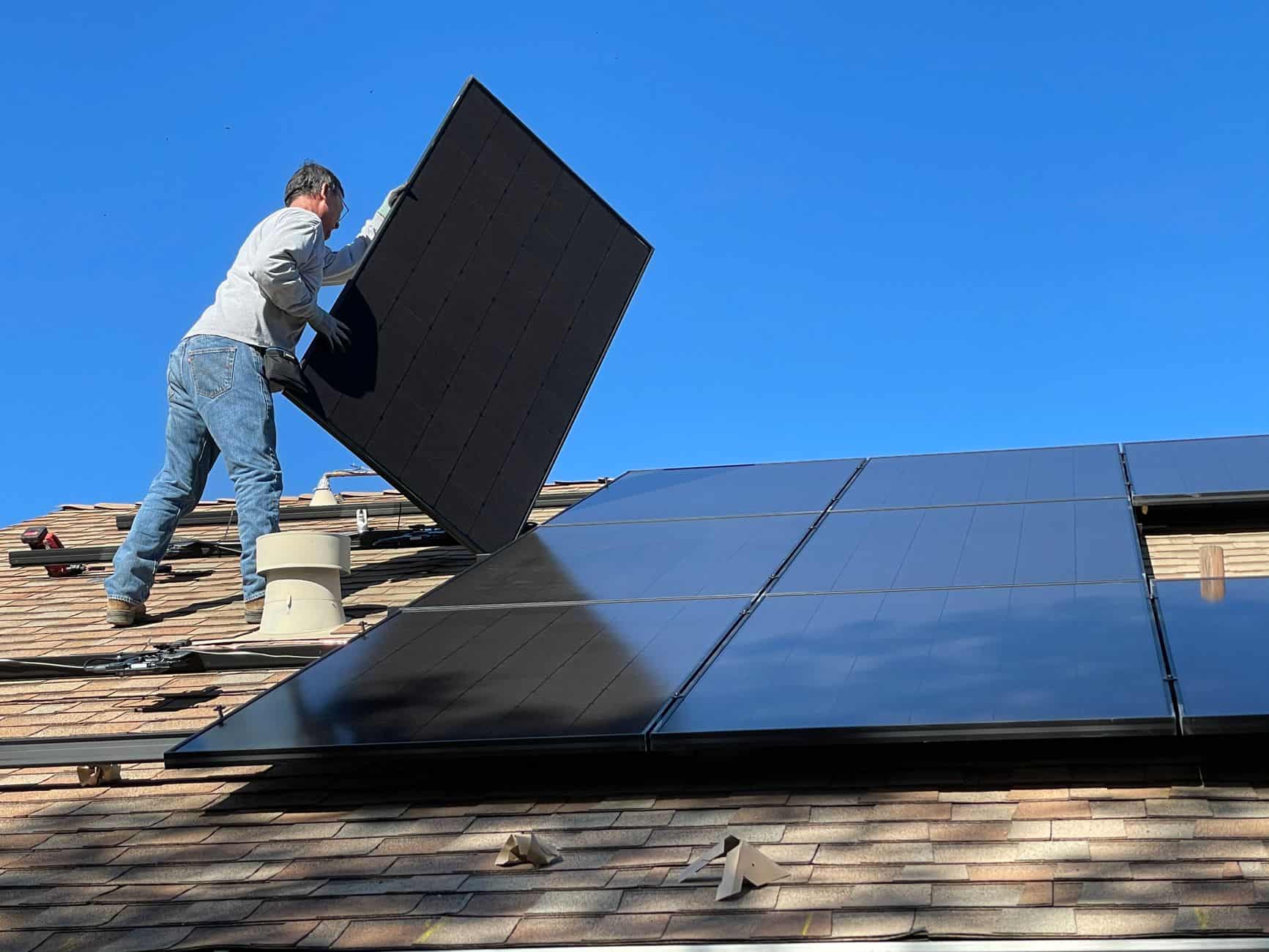
How to Pick the Right Solar Installer
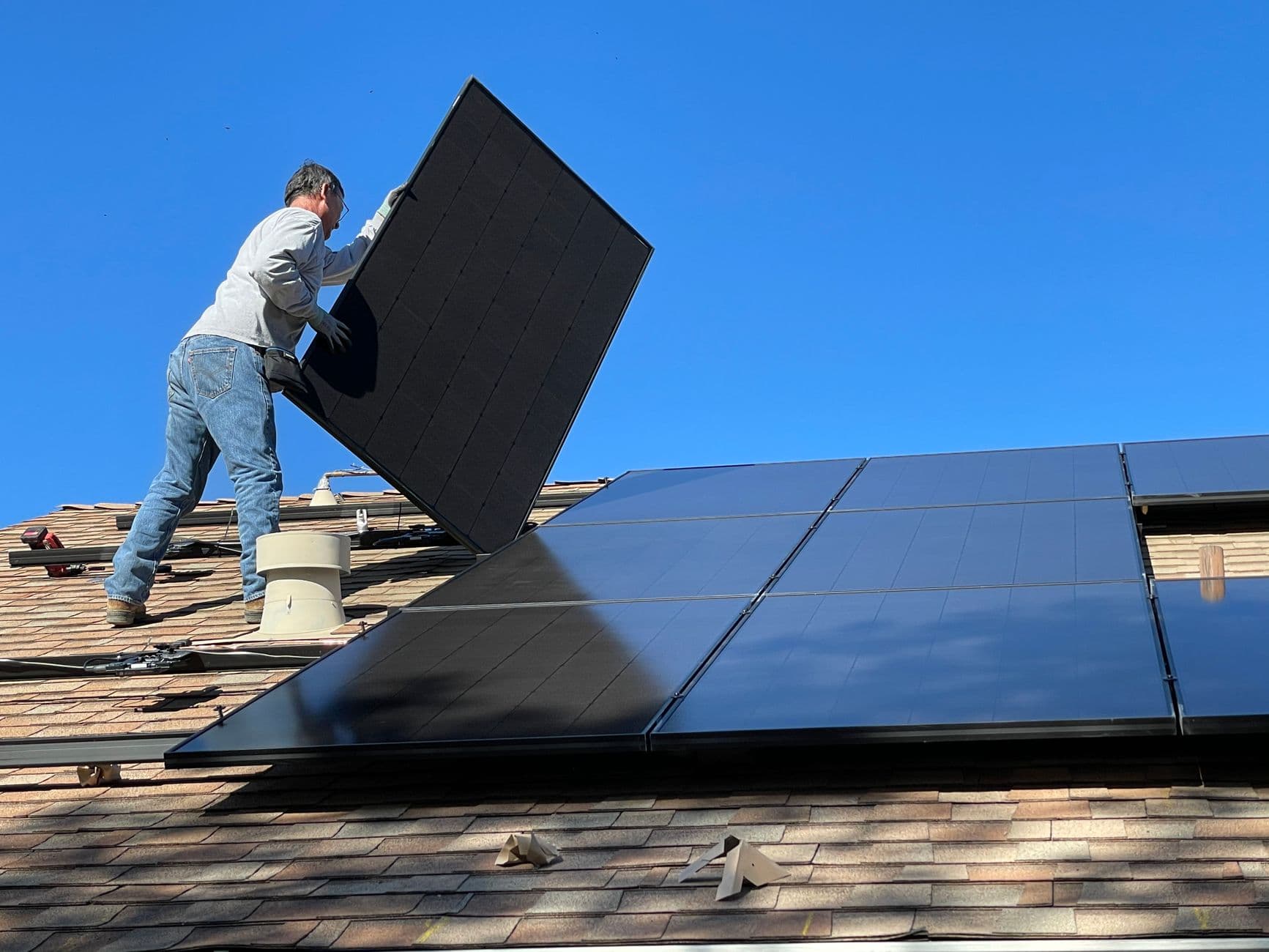
Quick Answer: Choose a certified, experienced installer with transparent pricing and solid warranties
The fastest way to ensure a reliable home solar system is to hire a company that holds recognized certifications (such as NOGA approval) and demonstrates a solid installation track record. This combination cuts risk and maximises return on investment.
Verify Credentials and Certifications
The first step is to confirm that the installer is legally recognised. In Israel, the Electricity Authority and grid operator NOGA require installers to be registered and to follow the National Planning and Building Council’s rules for rooftop PV (https://www.buyitinisrael.com/news/rooftop-solar-panel/). Look for the relevant licences on the company’s website and ask to see copies. A certified installer is also more likely to stay up‑to‑date with the latest module efficiencies and inverter technologies highlighted in the IEA’s 2024 solar market review (https://www.iea.org/energy-system/renewables/solar-pv).
Compare Experience, Portfolio, and Customer Reviews
Experience matters because system design must match roof orientation, shading, and local climate. Installers with a substantial portfolio can better optimise tilt angles and module layout, which can improve overall yield. Browse their online portfolio, request references, and read reviews on independent platforms such as Google, Facebook, or local forums. Consistent positive feedback on after‑sales service is a strong indicator of long‑term reliability.
Evaluate Pricing, Warranty, and Service Packages
Transparent pricing means a breakdown of hardware (modules, inverter, mounting), labour, permits, and any grid‑connection fees. The typical residential turnkey cost in Israel is about ₪3,150 per kWp [Verified Israeli Solar Facts]. A reputable installer will quote close to this range and explain any deviations (e.g., premium micro‑inverters). Look for at least a 10‑year product warranty on panels and a performance guarantee that limits degradation to around 0.4 % per year after the first year [Verified Israeli Solar Facts]. Some installers also offer operation‑and‑maintenance (O&M) contracts that cover cleaning and inverter replacement, which can improve the system’s net‑present‑value.
What It Means for Israel: Cost and Payback Example
Using the representative Israeli figures, a typical 10 kWp home system in the central region yields ~17,000 kWh/year (1,700 kWh/kWp × 10 kWp). At the residential tariff of ₪0.48/kWh, that electricity is worth about ₪8,160 per year. With a typical install cost of ₪31,500 (₪3,150 × 10 kWp), the simple payback period is roughly 3.9 years, after which the homeowner enjoys essentially free electricity for the remaining ~21 years of the system’s life. This calculation assumes no additional subsidies; any tax exemption on tariff earnings (up to ₪27,000) or the 15 % annual return scheme announced by the Energy Ministry (https://www.timesofisrael.com/energy-ministry-invest-in-solar-panels-enjoy-15-annual-return-for-25-years/) would shorten the payback even further.
Tips for Signing the Contract and Avoiding Pitfalls
- Read the fine print – confirm who owns the system, who handles grid connection, and the exact warranty start date.
- Ask about permits – a good installer will manage the building‑authority approval and the NOGA registration for you.
- Check insurance – ensure the installer’s liability coverage includes damage during installation.
- Plan for future expansion – ask if the inverter can handle additional modules later, a common request as households add electric vehicles.
By following these steps, Israeli homeowners can cut through the noise of “hundreds of companies” and select a partner that delivers a high‑quality, cost‑effective solar power system.
What it means for Israel
The illustrative 10 kWp example shows that a modest upfront outlay can be recovered in under four years, well before the system’s 25‑year lifespan. This aligns with Israel’s renewable electricity target of 30 % by 2030 [Verified Israeli Solar Facts] and demonstrates how each household can contribute to national goals while saving on electricity bills.
Sources & further reading
FAQ
What certifications should I look for in an Israeli solar installer?
Look for IEC 61727, ISO 9001, or local NOGA registration, which prove the company meets safety and performance standards.
How many years of experience is enough?
At least 3‑5 years and a portfolio of 50+ residential projects indicate the installer can handle diverse roof conditions.
What is a typical cost for a home solar system in Israel?
Around ₪3,150 per kWp, so a 10 kWp system costs roughly ₪31,500 before any incentives.
How long does it take to break even on a residential solar system?
Using average yields and tariffs, a 10 kWp system pays for itself in about 3.9 years.
Do I need to handle permits myself?
A reputable installer will manage building‑authority and grid‑connection permits for you.
What warranties should I expect?
At least a 10‑year product warranty on panels and a 5‑year performance guarantee limiting degradation.
Share this post
More from Residential
6
Net Metering in Israel: Cut Your Power Bill
Net metering lets Israeli households offset their electricity bills by earning ₪0.48 per kWh for any surplus solar power they feed back into the grid, typically paying back a 5 kW system in under four years.

Solar Hot Water vs Home PV: Which Saves More?
Solar water heating usually requires a lower initial investment, but a 5 kW rooftop PV system in Israel pays for itself in around four years and delivers greater monetary and CO₂ savings.

Shared Rooftop Solar Cuts Apartment Bills
Shared rooftop solar on a 15 kW system can slash each apartment’s electricity bill by about ₪1,200 a year and pay for itself in under four years.

Keep Your Home Solar Panels at Peak Performance
Regular cleaning and simple safety checks keep Israeli rooftop solar panels performing well, protecting both earnings and the environment.

How to Pick the Right Home Solar Panels in Israel
A 15 kW home solar system in Israel costs about ₪47,000, generates ~25,500 kWh per year and pays for itself in under four years, making it a solid financial and environmental choice.

US Solar System Costs vs Israel: What Homeowners Should Know
The U.S. DOE says residential solar costs $2.80/W, while Israel’s average is about a third of that, giving Israeli homeowners a payback of about 4 years on a 15 kW system.