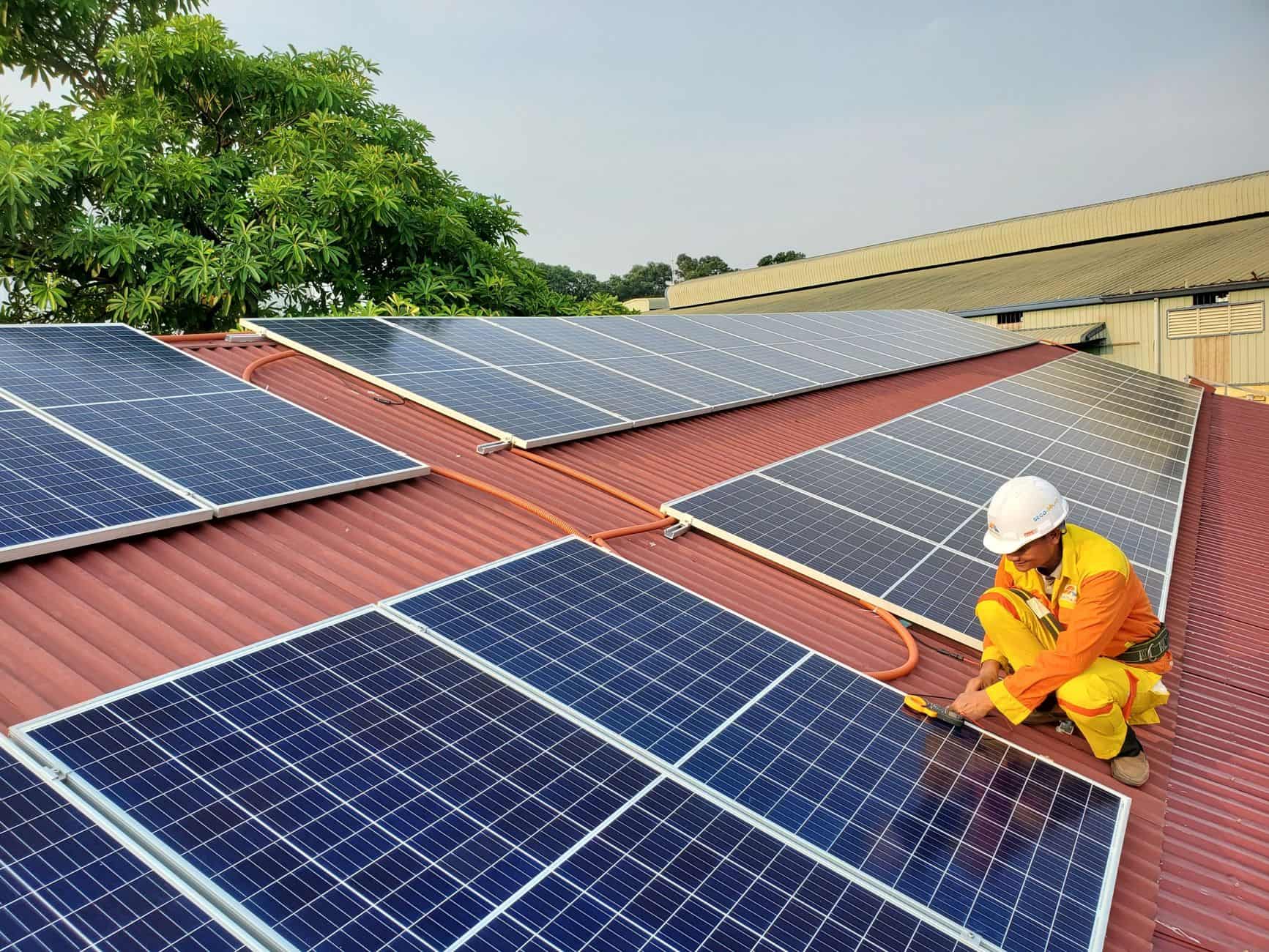
Europe’s Rooftop Solar Is Going Unmaintained
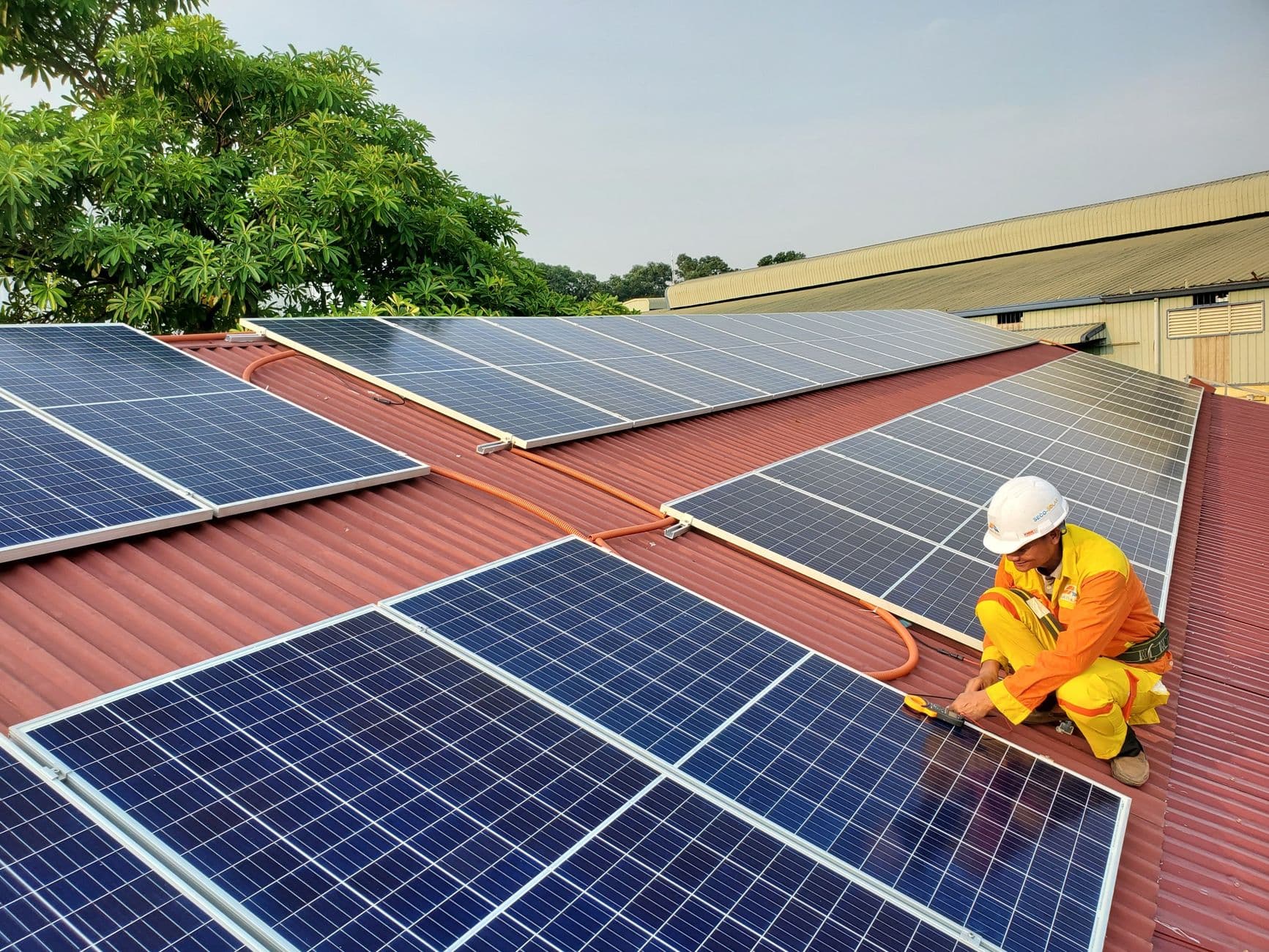
Orphaned rooftop solar: who’s left to care?
The short answer is: no one. After a wave of installer bankruptcies in 2025, millions of residential PV systems across the EU are left without a warranty, a maintenance contract, or even basic monitoring. Homeowners are forced to rely on neighbours, DIY fixes, or simply let the panels sit idle, a situation that threatens the next phase of Europe’s solar boom.
Installer insolvencies are driving the orphanage
SolarPower Europe reports that the EU lost 40,000 solar‑job positions in 2025 – the first workforce contraction in nearly a decade – and that a surge of installer insolvencies is the root cause. When an installer folds, the service agreements it sold disappear, and the owners of the affected rooftops suddenly become “orphaned” systems with no clear path to repairs or performance checks. The trend mirrors similar bankruptcies seen in the U.S., where major residential brands have filed for Chapter 11 in recent years (https://solarpanelexit.com/solar-company-bankruptcy-list/).
The scale of the problem: 65 GW added, millions of systems at risk
Europe added 65.1 GW of new solar capacity in 2025, a slight 0.7 % dip from the previous year and the first year‑on‑year decline since 2016 (https://www.solarpowereurope.org/press-releases/new-report-eu-hits-2025-solar-target-but-market-contraction-puts-2030-goal-at-risk). That amount pushes the EU’s total PV fleet to about 406 GW, comfortably above the 400 GW target. Given the typical size of residential installations, the 65 GW added in 2025 represents millions of new rooftop systems, creating a large pool of assets that could become orphaned if their installers vanish.
O&M market is growing but still focused on utility‑scale
The broader PV operation‑and‑maintenance (O&M) market is expanding fast, projected to reach $45.6 billion by 2035 with a 10.4 % CAGR (https://markwideresearch.com/pv-operation-maintenance-market). Most of that growth is expected to come from utility‑scale farms, while the fragmented residential segment receives comparatively less attention, leaving the orphaned rooftop crowd in a maintenance vacuum.
What it means for Israel
For Israeli homeowners the situation is a cautionary tale. Using typical Israeli figures – a 10 kW rooftop system in the central region yields about 17,000 kWh / year worth ₪8,160 at the residential tariff of ₪0.48/kWh, and costs roughly ₪31,500 to install – the payback period is under four years [Verified Israeli Solar Facts]. If a similar installer collapse occurred locally, owners would lose warranty coverage and professional service, forcing them to either self‑maintain (adding unexpected labor costs) or accept reduced performance. At the national level, with Israel targeting 30 % renewable electricity by 2030, a wave of orphaned systems could slow progress unless a robust residential O&M ecosystem is built now.
Looking ahead: possible solutions
- Community‑run maintenance co‑ops: Neighbourhood groups could pool resources to hire a local technician, spreading costs across dozens of homes.
- Standardized O&M contracts: EU regulators could require that residential installations include a transferable maintenance clause, similar to car insurance.
- Digital monitoring platforms: Cloud‑based services that operate independently of the installer can provide performance data and alert owners to faults.
- Funding incentives: The European Innovation Council’s 2026 work programme includes calls for solar‑related projects, which could be leveraged to address the orphaned‑rooftop challenge (https://eic.ec.europa.eu/system/files/2025-11/EIC-Work-Programme-2026.pdf).
By tackling the orphaned‑system gap now, Europe can safeguard its ambitious 2030 solar targets and give other markets, like Israel, a roadmap for resilient residential solar growth.
Sources & further reading
- New report: EU hits 2025 solar target but market contraction puts 2030 goal at risk - SolarPower Europe
- EU installs 65.1 GW of solar in 2025 – pv magazine International
- EU solar market contracted in 2025 | Article Page - Energy Knowledge
- European photovoltaic market slows in 2025 after a decade
- What's Behind Solar Company Bankruptcies and Closures?
FAQ
What is an orphaned rooftop solar system?
It’s a residential PV installation whose installer has gone out of business, leaving the owner without warranty, maintenance, or monitoring support.
How many solar jobs were lost in the EU in 2025?
SolarPower Europe reports a loss of about 40,000 solar‑sector jobs, the first contraction in nearly a decade.
Did the EU add less solar in 2025 than in 2024?
Yes, new capacity fell 0.7 % to 65.1 GW, the first year‑on‑year decline since 2016.
Why aren’t residential O&M services growing as fast as utility‑scale?
Utility‑scale farms offer economies of scale, while residential sites are fragmented and often lack transferable service contracts after installer failures.
What can Israeli homeowners learn from Europe’s orphaned‑solar issue?
They should ensure any rooftop system includes a transferable maintenance agreement and consider community‑based service models to avoid being left without support.
Share this post
More from Markets
6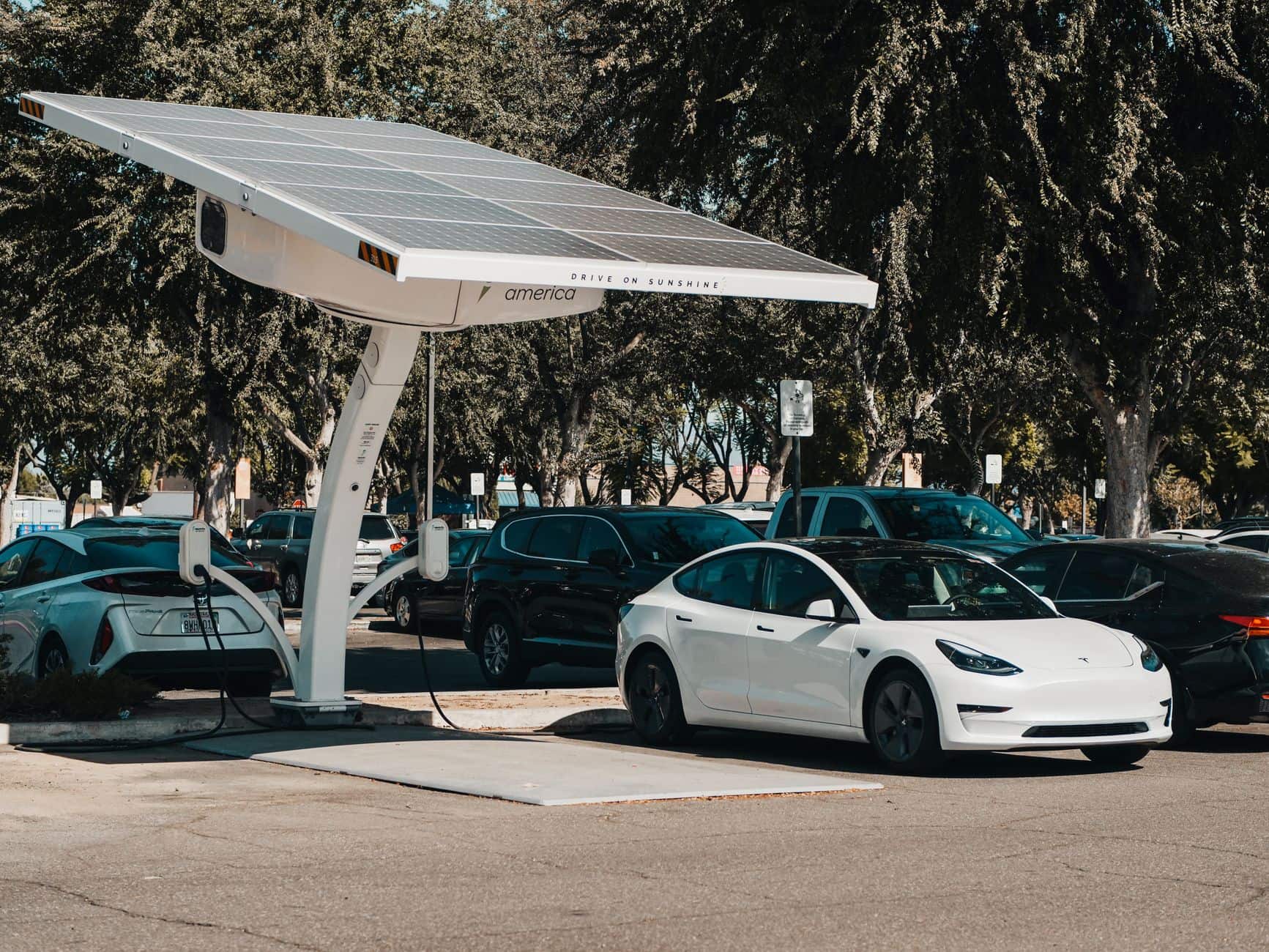
Solar Market Dip Until 2028, Jinko Bets on Storage
התקנות סולאריות גלובליות צפויות לעצור עד 2027, אך JinkoSolar משקיעה באחסון משולב וצופה לעלייה בשוק משנת 2028.
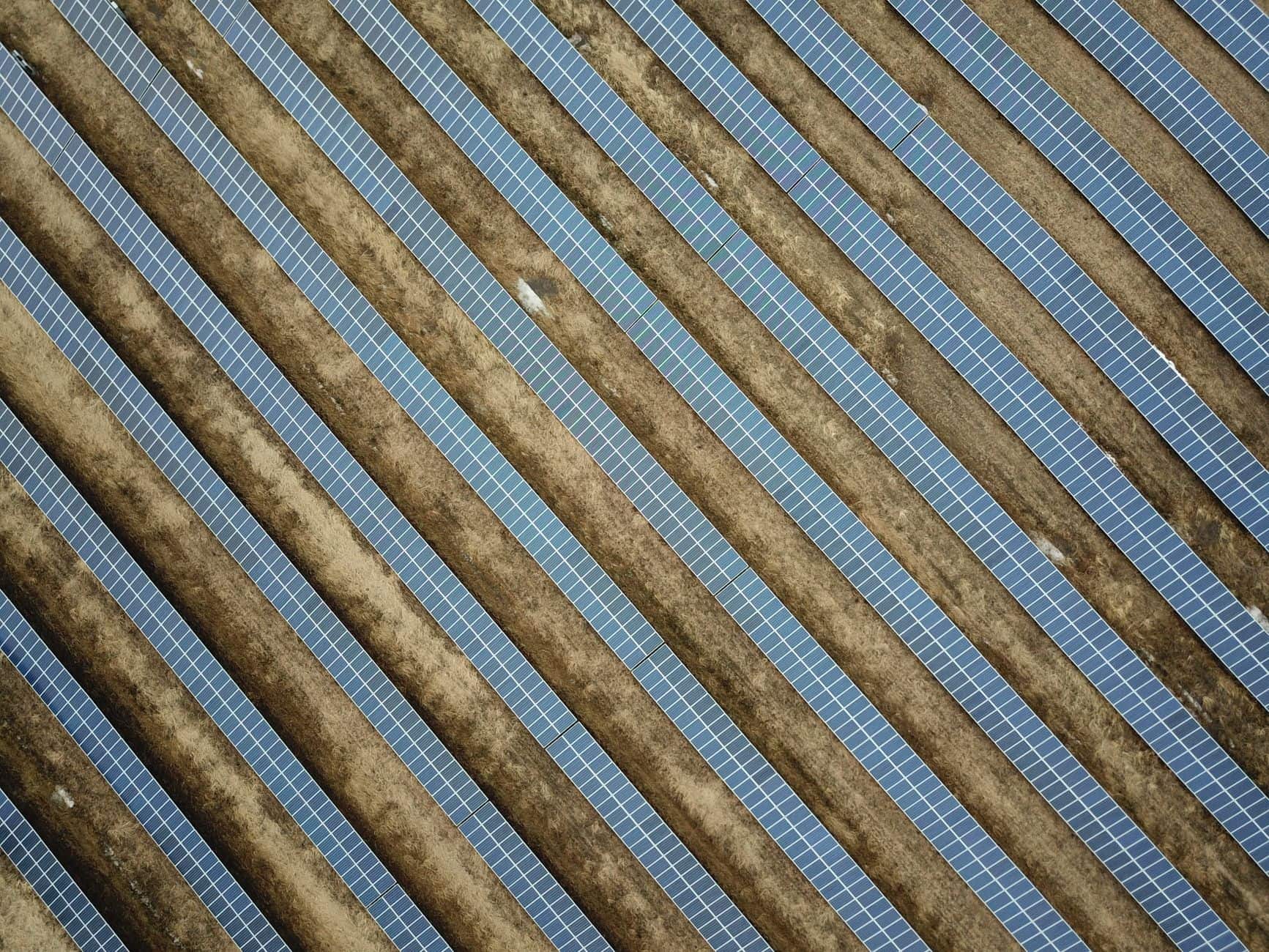
Ivory Coast Turns On 52 MW Solar Plant
Ivory Coast has switched on a 52 MW solar plant that will generate 90 GWh a year – enough to power over 370 000 households and push the country toward its 46.3 % renewable‑energy target by 2035.
Solar Boom in the Negev Sends 15 M NIS to Residents
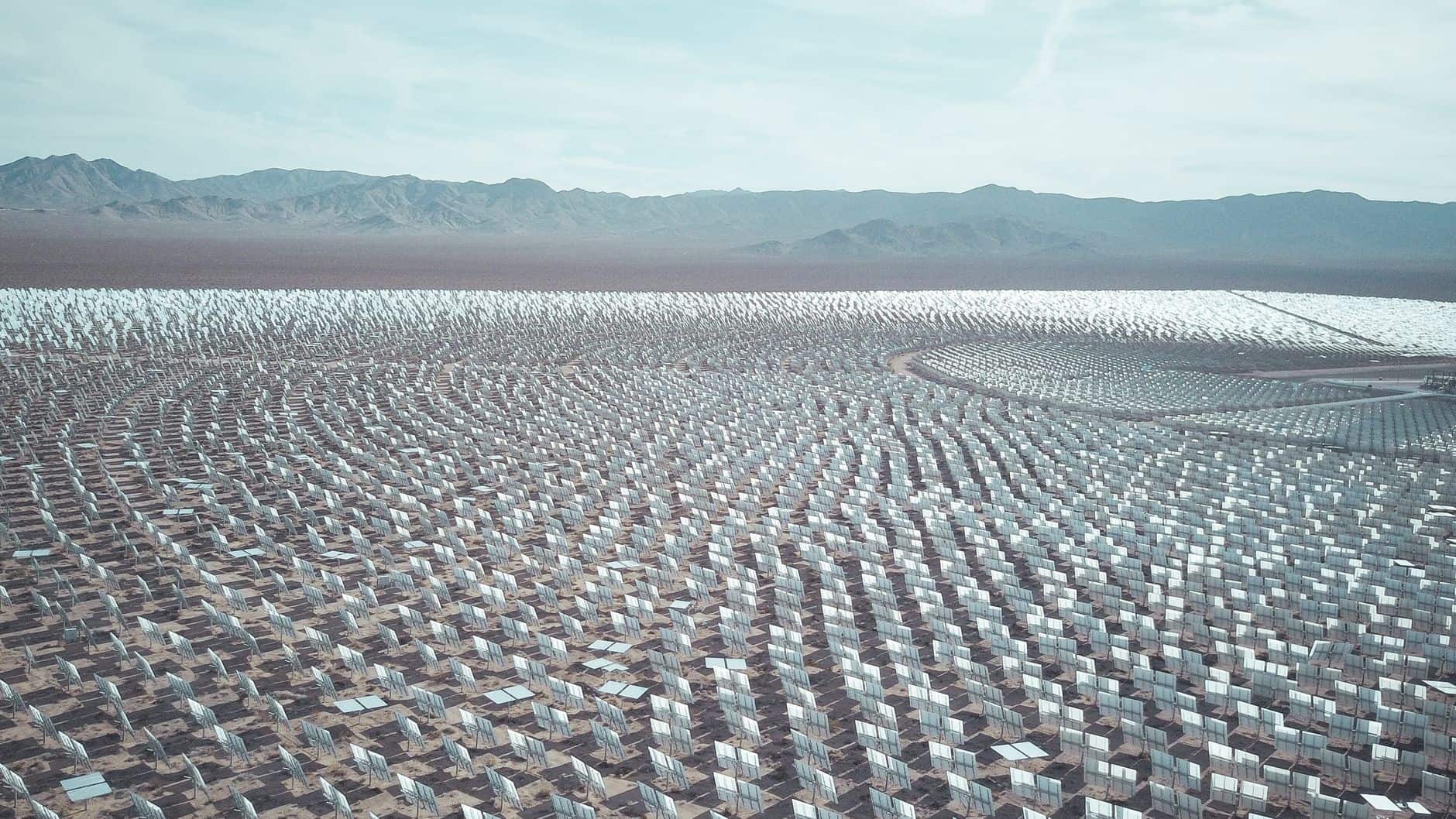
Mitzpe Ramon’s 5 MW solar farm will return roughly 15 million shekels a year to local residents, part of Israel’s fast‑growing desert solar boom.
Europe's Solar Market Has No Clear Leader
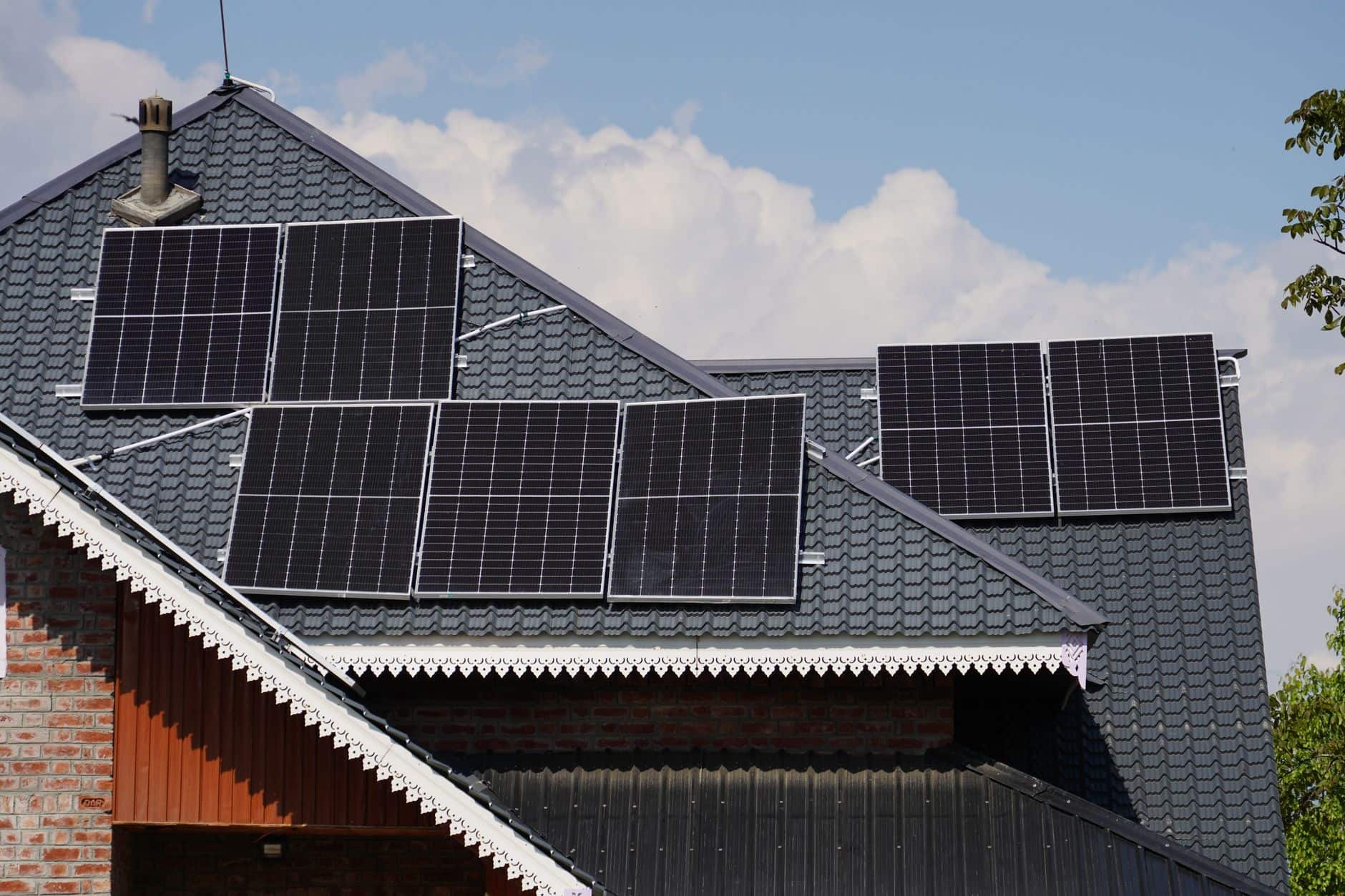
The Solarmonitor study finds no single company dominates Europe’s residential solar market – the top three firms together hold only a modest share of the market.
Israel's AI Agri Drive Aims at Philippines
Israel is showcasing AI‑driven farm tech to the Philippines, with eleven firms seeking deals that could modernise Filipino agriculture and boost Israel’s export market.
Documentation Gaps Threaten Solar Funding
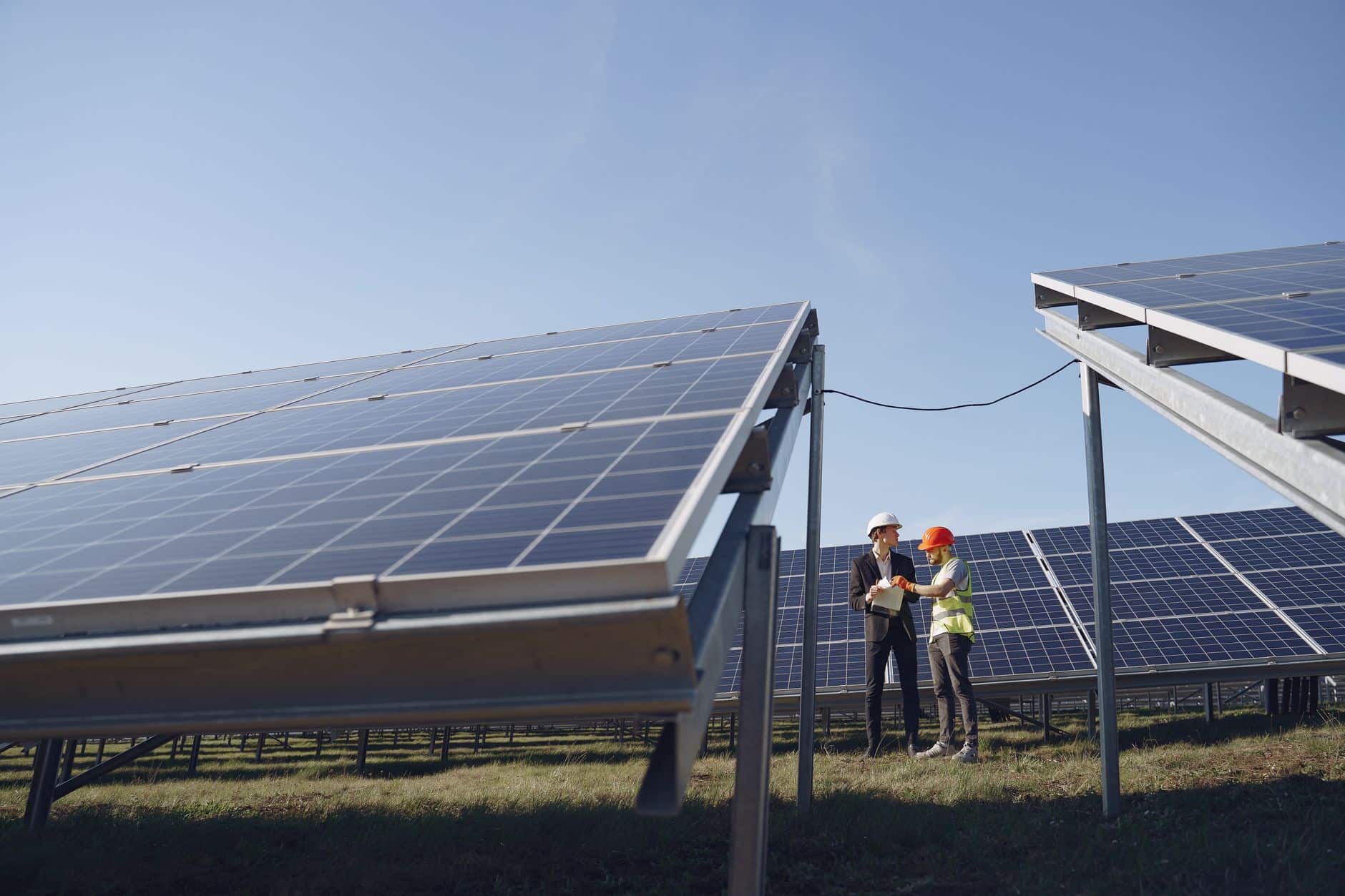
Investors are refusing to fund sound solar projects because developers lack proper quality and end‑of‑life documentation, turning paperwork into the biggest financing risk.