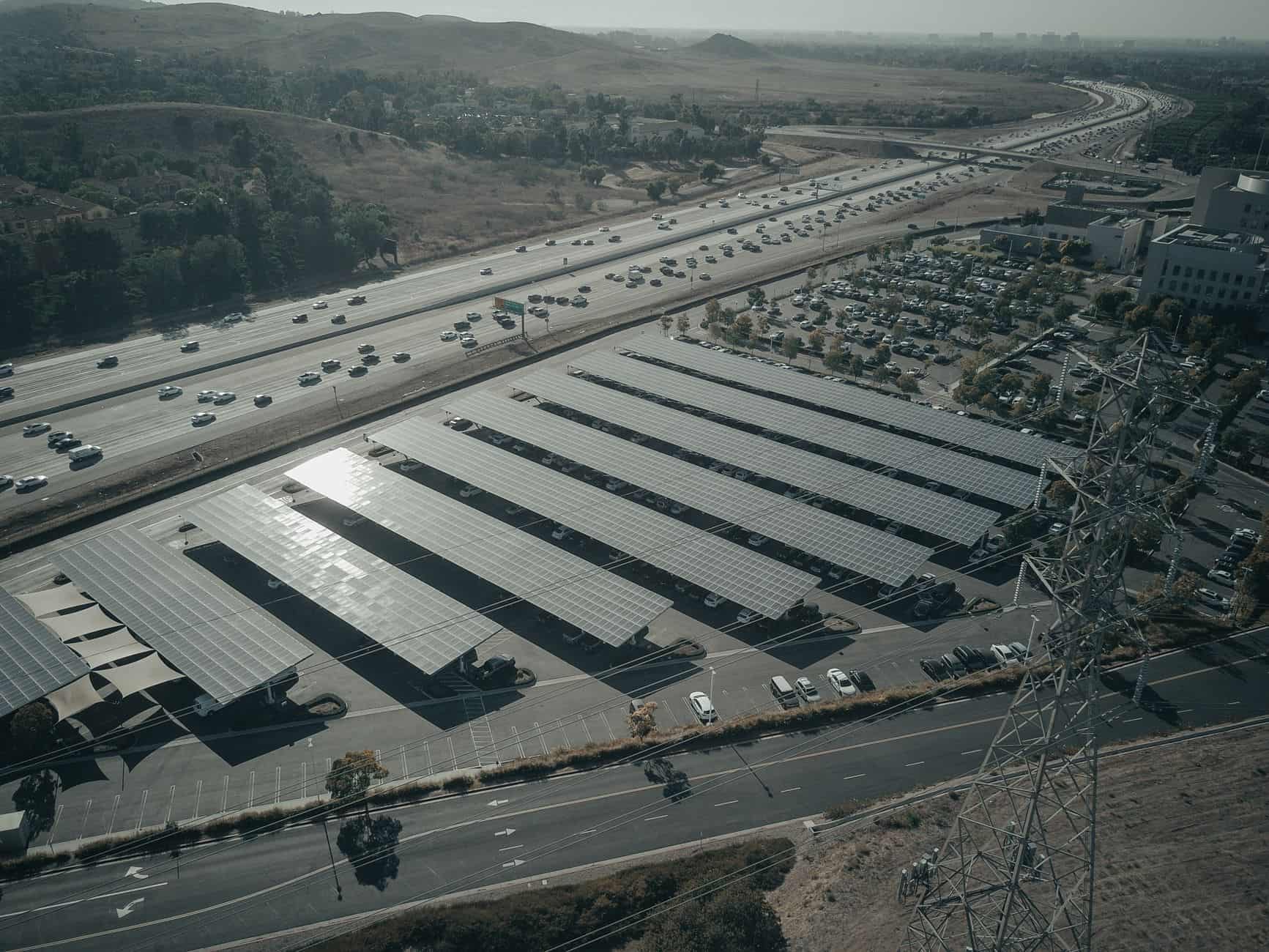
Algeria’s Race to 15 GW Solar by 2035
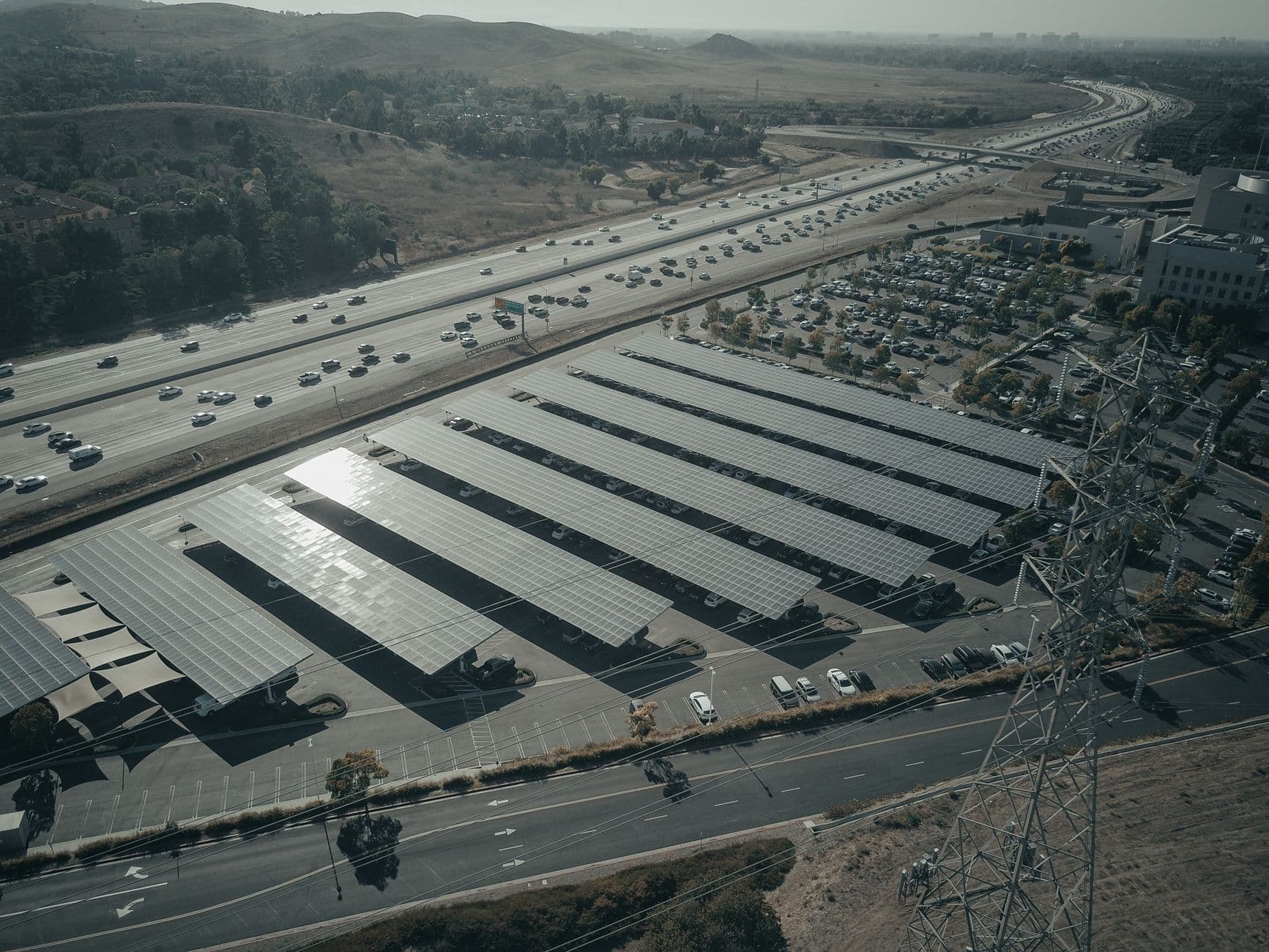
Algeria aims for 15 GW of solar by 2035 – the goal and the timeline
Algeria has officially set a target of installing 15 GW of solar capacity by 2035, a figure announced by the government early this year. The plan is already moving forward with a 3.2 GW development pipeline that will roll out up to 20 utility‑scale projects across twelve provinces, according to the latest industry webinar hosted by Solarabic and the Middle East Solar Industry Association (MESIA)[https://www.pv-magazine.com/2024/03/01/algeria-solar-target].
Why Algeria’s solar push is different from its neighbours
Unlike many North‑African peers that are racing to replace expensive imported fuel, Algeria produces most of its natural gas domestically and exports it for higher margins. As Longi MENA’s Ghazi Koubaa explained, the renewable driver is preserving gas for export, meeting rising domestic demand and hedging future carbon‑tax risks, rather than cutting an import bill. This softer economic pressure means the market moves slower, but the strategic rationale remains strong.
The five pillars holding up large‑scale rollout
Scatec’s Technical Development Manager Yacine Boulfrad identified policy, power‑purchase agreements (PPAs), transparent procurements, fast permitting, and local partnerships as the essential pillars for scaling solar. Developers are looking for stable, bankable frameworks; without them, even low‑cost bids (Scatec reports tariffs below $0.03/kWh in Tunisia) struggle to materialise in Algeria.
Shifting from state‑led EPC to an IPP model
Boulfrad urged a transition from a state‑funded engineering‑procurement‑construction (EPC) model to an independent power producer (IPP) model. Private developers would finance, build, and operate plants, reducing government outlays, lowering electricity prices, and attracting the foreign capital needed to hit the 15 GW goal. The Algeria Green Energy Cluster’s Boukhalfa Yaici echoed this, noting that recent amendments to the financial law are already opening doors for international funds.
Grid expansion and the “electric highway”
Sonelgaz, Algeria’s utility, is mapping future interconnections and plans an 800‑km electric highway to move power between the north and south. Longer‑term ambitions include exporting electricity to neighbouring countries, turning the grid into a regional energy corridor.
How the Algerian ambition stacks up against Israel’s market
Using Israel’s typical figures – ≈₪0.48/kWh residential tariff, ₪3,150/kWp installation cost, and an average yield of 1,700 kWh/kWp·yr in the central region – a hypothetical 1 GW solar farm would generate roughly 1.7 TWh per year (1 GW × 1,700 kWh/kWp·yr). At Israeli residential rates, that output would be worth about ₪816 million annually, and the upfront cost for a comparable Israeli system would be ≈₪3.15 billion. The payback period in Israel is roughly 3.9 years, illustrating the economic attractiveness of large‑scale solar if similar tariffs could be secured in Algeria.
What it means for Israel
For Israeli investors, Algeria’s 15 GW target signals a new frontier for cross‑border renewable projects. If Algeria adopts IPP‑style contracts and offers competitive PPAs, Israeli firms with expertise in EPC, financing, and O&M could enter the market, diversifying revenue streams beyond the domestic 30 % renewable target for 2030. Moreover, the planned electric highway could eventually enable power trade between North Africa and the Middle East, opening opportunities for Israeli grid‑balancing services.
Outlook – the next steps
The next milestone is the formal launch of the 3.2 GW pipeline, followed by clear IPP‑friendly policies and transparent tender processes. International investors are watching for the government’s next announcements on PPAs and financing frameworks. If Algeria can align its five pillars, the 15 GW goal is technically feasible and could be achieved by 2035, potentially positioning the country as a significant solar producer in the region.
For a deeper dive into the economics of a typical Israeli rooftop system, check our solar ROI calculator and browse the latest market data on our solar data page.
FAQ
What is Algeria’s official solar capacity target?
Algeria aims to install 15 GW of solar power by 2035.
How much solar is already planned in Algeria?
A 3.2 GW development plan is underway, covering up to 20 utility‑scale projects across twelve provinces.
What are the main barriers to faster solar deployment in Algeria?
Key hurdles include unclear policies, lack of stable PPAs, opaque procurement processes, slow permitting, and limited private‑sector partnerships.
What model does Scatec suggest Algeria adopt?
Scatec recommends moving from a state‑funded EPC model to an independent power producer (IPP) model to attract private capital.
Could Israeli companies benefit from Algeria’s solar push?
Yes – Israeli EPC, financing and O&M firms could partner on IPP projects, especially if competitive PPAs and clear regulations are introduced.
What is the ‘electric highway’ Sonelgaz is planning?
An 800‑km high‑voltage line to transfer electricity between Algeria’s north and south, with future plans for cross‑border power exports.
Share this post
More from Markets
6
Europe’s Rooftop Solar Is Going Unmaintained
Europe’s 65 GW of new solar in 2025 left millions of rooftop systems without a maintenance provider after installer bankruptcies, creating a growing pool of orphaned PV assets.
Solar Market Dip Until 2028, Jinko Bets on Storage
התקנות סולאריות גלובליות צפויות לעצור עד 2027, אך JinkoSolar משקיעה באחסון משולב וצופה לעלייה בשוק משנת 2028.
Ivory Coast Turns On 52 MW Solar Plant
Ivory Coast has switched on a 52 MW solar plant that will generate 90 GWh a year – enough to power over 370 000 households and push the country toward its 46.3 % renewable‑energy target by 2035.
Solar Boom in the Negev Sends 15 M NIS to Residents
Mitzpe Ramon’s 5 MW solar farm will return roughly 15 million shekels a year to local residents, part of Israel’s fast‑growing desert solar boom.
Europe's Solar Market Has No Clear Leader
The Solarmonitor study finds no single company dominates Europe’s residential solar market – the top three firms together hold only a modest share of the market.
Israel's AI Agri Drive Aims at Philippines
Israel is showcasing AI‑driven farm tech to the Philippines, with eleven firms seeking deals that could modernise Filipino agriculture and boost Israel’s export market.