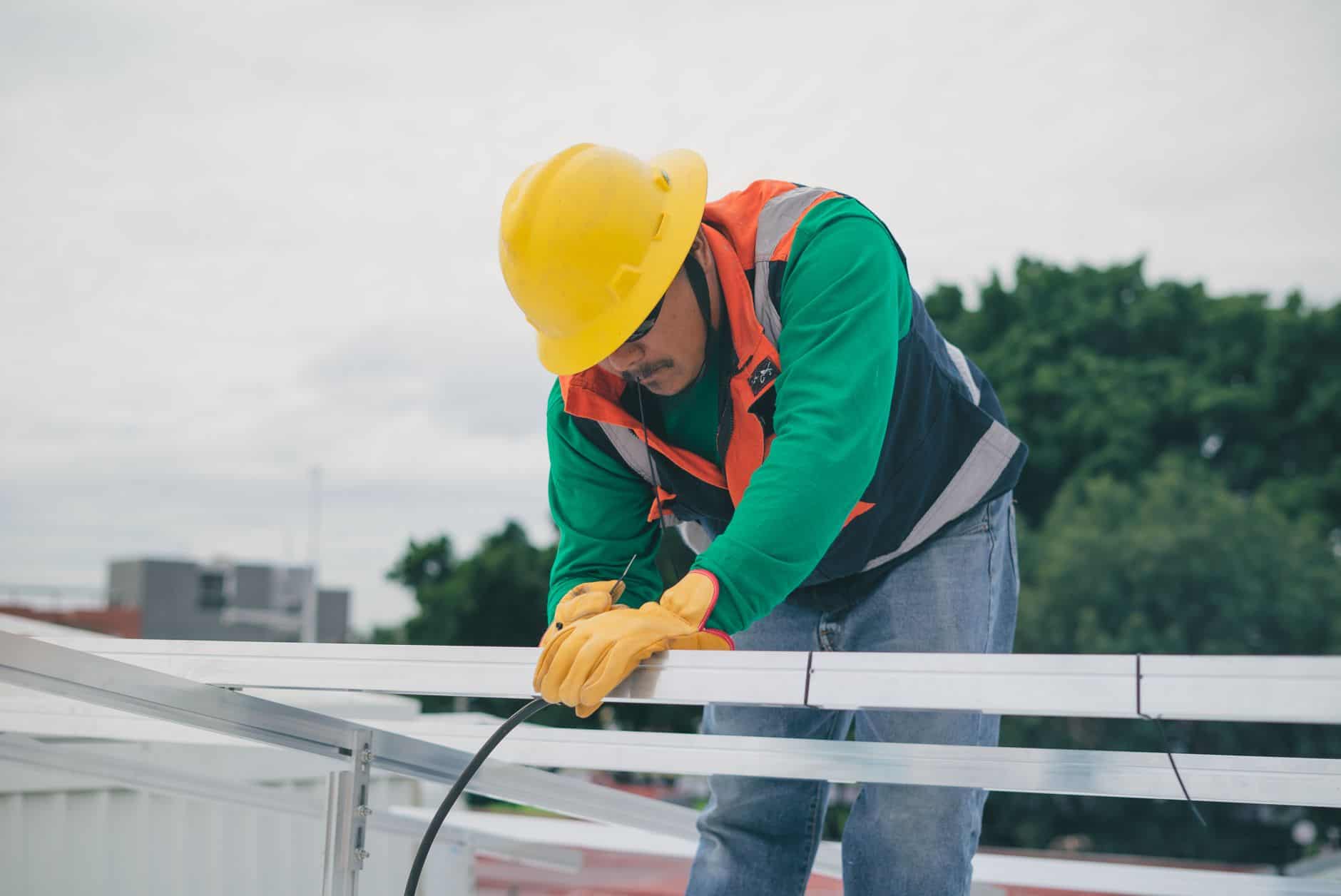
Iraq Launches 200 MW Solar Module Factory
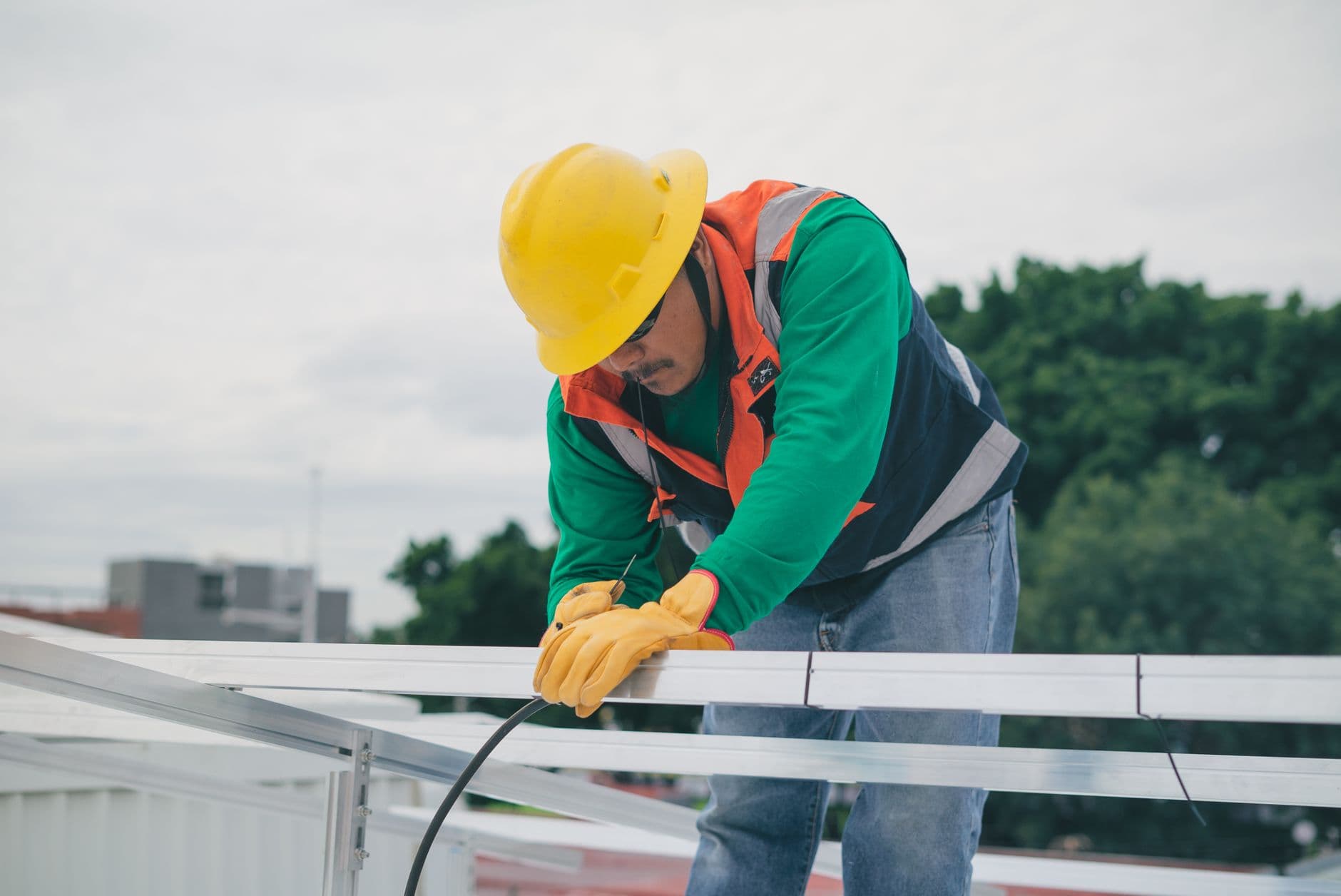
Iraq’s first solar‑module plant can churn out over 200 MW of panels a year
The new turnkey line in Karbala, built by Italy’s Ecoprogetti, is designed to produce about 800 modules per day, giving it an annual capacity of more than 200 MW. At the typical Iraqi solar yield of 1,159 kWh per kW‑peak, that translates to roughly 232 GWh of electricity each year – a substantial amount of power for the region.
What the factory actually is
Ecoprogetti supplied and installed a fully integrated production line for the Al‑Abbas Holy Shrine’s project‑engineering department. The line includes stringers, robots, laminators, automation and testing equipment, and it manufactures M10‑144 TOPCon half‑cut modules. The plant is already delivering ≈800 modules daily and is slated for a second phase that would lift capacity to 600 MW. All panels are earmarked for Iraq’s domestic market – from hospitals and schools to utility‑scale solar parks and projects that will feed electricity into Baghdad.
“Ecoprogetti provided a complete turnkey service, including full installation, commissioning, on‑site training and production ramp‑up support for the local operator,” the company said in a statement to pv magazine.
Why TOPCon matters for efficiency
TOPCon (Tunnel Oxide Passivated Contact) cells are a step up from the older PERC technology. Independent studies show bifacial TOPCon modules can deliver up to 30 % more energy than comparable monofacial panels, and laboratory tests report efficiencies around 24 % for the M10 format. This efficiency boost means the Iraqi line can generate more electricity from the same roof area, a crucial advantage in a country with some of the world’s highest solar irradiation.
Iraq’s solar market in context
Solar power still accounts for a tiny fraction of Iraq’s electricity mix – about 0.059 %. Yet the country is rapidly scaling up: a 300 MW solar park in Karbala (22 MW already online) and a 1 GW project in Basra (61 MW in trial) are under construction. IRENA’s 2024 capacity statistics show significant growth in solar capacity in the Middle East, with Iraq contributing a modest share.
Economic ripple effects
In March 2026 Iraq cut customs duties on solar equipment from 33 % to 5 %, dramatically lowering the cost of imported panels and encouraging local manufacturing. Meanwhile, global TOPCon module prices have been falling – a recent market analysis notes a 6‑7 % price dip in 2024 for high‑efficiency panels. Together, cheaper imports and a domestic line should drive down overall system costs for Iraqi developers.
What it means for Israel
Israel’s own solar economics are well‑documented: a typical 10 kWp rooftop system in the central region yields about 17 MWh per year, worth ≈₪8,160 at the residential tariff of ₪0.48/kWh, and pays back in ≈3.9 years. Scaling that, the Iraqi line’s 232 GWh/year would represent a large monetary value at Israel’s residential tariff, comparable to many thousands of typical Israeli home systems. For Israeli investors, the plant signals a new regional supply chain for high‑efficiency TOPCon modules, potentially lowering import costs for large‑scale projects in the Negev or the Jordan Valley.
Looking ahead
The Karbala factory marks the first step of a broader Iraqi ambition to localise renewable‑energy technology and meet a national target of 7.5 GW of renewable power by 2030. With expansion plans to 600 MW, the line could become a hub for the Middle East’s growing demand for high‑efficiency panels. For Israel, the development offers a chance to partner on training, component supply, and joint‑venture projects that could accelerate the region’s clean‑energy transition.
For a quick estimate of how a solar system pays for itself in Israel, try our solar ROI calculator. For more data on regional solar markets, visit our market data page.
Sources & further reading
- Iraq Solar Panel Manufacturing Report | Market Analysis and Insights
- renewable capacity statistics 2024 statistiques de capacité...
- Energy Landscape in Iraq: Current Status, Research Review, and...
- Executive summary – The Future of Electricity in the Middle East and...
- MESIA Solar Outlook Report 2024 - World Future Energy Summit
FAQ
What is the annual production capacity of Iraq’s new solar module line?
The line can produce more than 200 MW of modules per year, roughly 800 panels each day.
Which technology does the Iraqi factory use?
It manufactures M10‑144 TOPCon half‑cut modules, a high‑efficiency tunnel‑oxide passivated contact technology.
How much electricity could the 200 MW line generate annually?
Using Iraq’s average yield of 1,159 kWh per kW‑peak, the line would generate about 232 GWh each year.
What are Iraq’s current solar‑energy targets?
The government aims for 7.5 GW of renewable power by 2030, with solar a key component.
How does this affect Israeli solar investors?
The plant could supply cheaper, high‑efficiency TOPCon modules for Israeli projects, potentially lowering system costs and speeding up deployment.
Has Iraq reduced import tariffs on solar equipment?
Yes, customs duties on solar gear were cut from 33 % to 5 % in March 2026.
Share this post
More from Technology
6
Taiwanese Firms Target US with 1 GW TOPCon Plant
Taiwanese solar makers Sino‑American Silicon and United Renewable Energy will invest about $40 million to build a 1 GW TOPCon module plant in the United States, with most of the capacity already pre‑booked.

Cooler Solar E‑Bike Chargers Slash Heat
Nano‑enhanced phase‑change materials can lower PV panel temperature by up to 6.8 °C, keeping e‑bike chargers reliable and delivering a sub‑four‑year payback for a 1 kW solar system in Israel.

Kyrgyzstan Eyes 2 GW Solar Cell Plant
Kyrgyzstan is negotiating with Singapore’s Sunvera Solar to build a 2 GW solar‑cell plant, a move that could supply modules for about 200,000 typical Israeli home systems and pressure global panel prices.

Segen Expands Into Home Electrification with New Finance Tools
Segen is adding a residential financing product that bundles solar, storage, heat pumps and EV chargers, aiming to accelerate full‑home electrification in the UK.
Off‑Grid Inverter Boosts Rural Power in Africa
GoodWe’s EO G2 off‑grid inverter series delivers up to 98.6 % efficiency, AI‑driven management and 200 % PV oversizing, offering reliable power for African homes and a clear payback of under 4 years for a typical 6 kW Israeli rooftop system.

Israel Pours $2 Million into Blue‑Tech Energy R&D
Israel is allocating NIS 6 million (≈US $2 million) to a new Blue‑Tech energy R&D fund, targeting offshore wind, wave, tidal and marine bio‑energy projects.