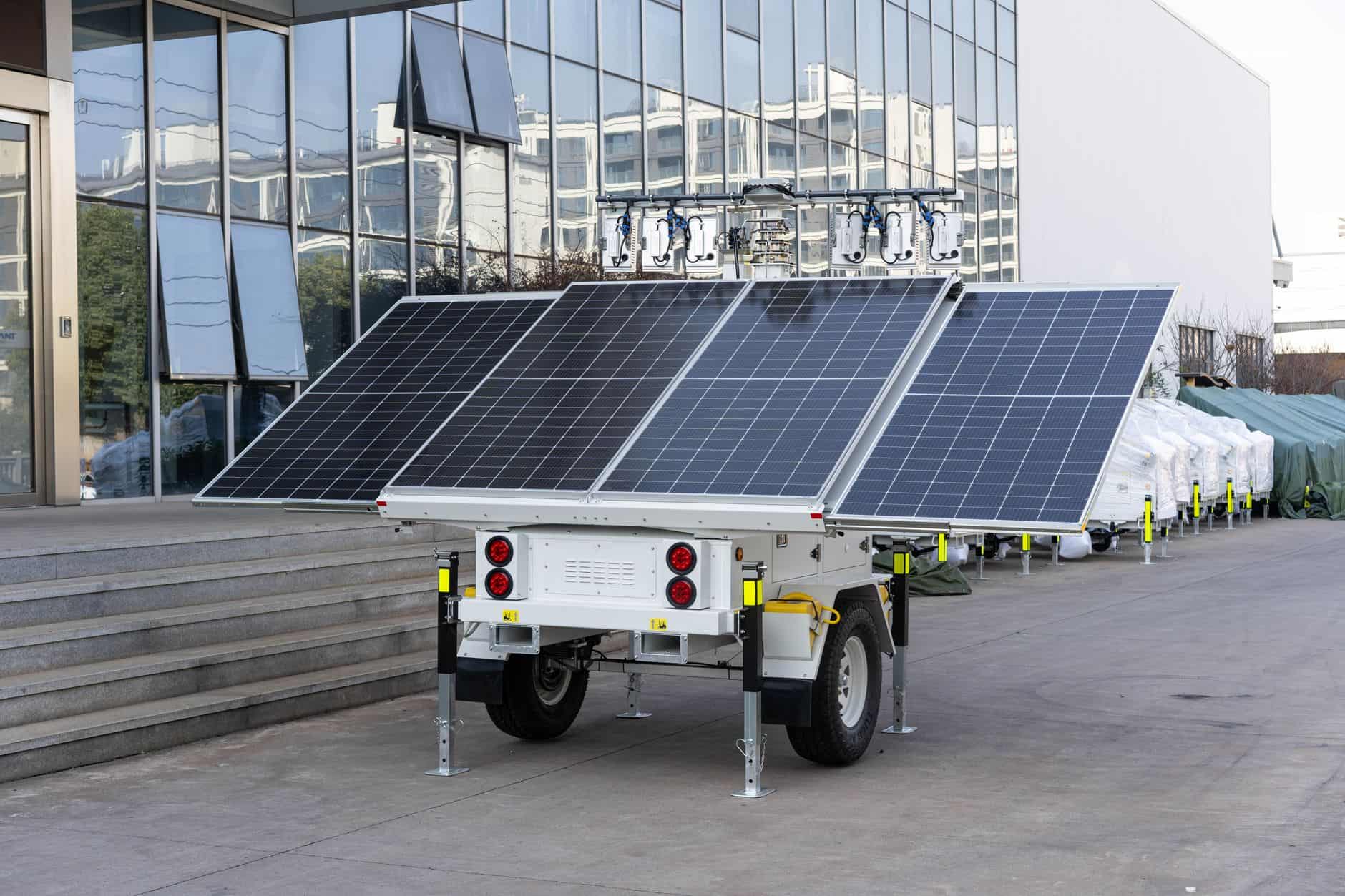
Medieval Festival Showcases Solar Power
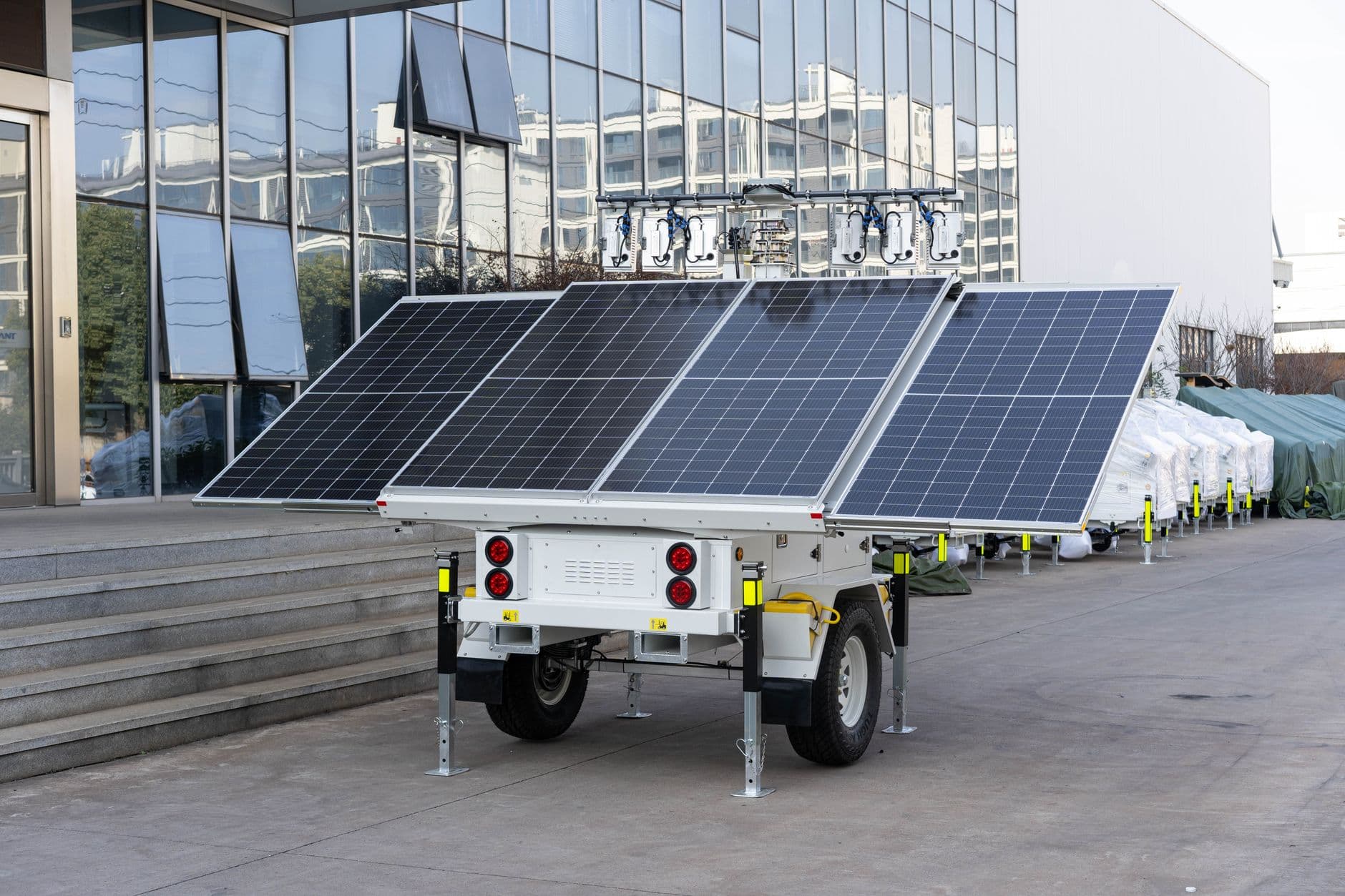
Solar Takes Center Stage at Renningen’s 2013 Medieval Festival
The 2013 Középkori (Medieval) Festival in Renningen featured a fully solar‑powered lighting and exhibition area, proving that renewable energy can blend seamlessly with historic events. Organisers installed photovoltaic panels that fed electricity to stage lights, sound equipment and interactive displays, allowing the entire showcase to run off clean energy without any grid connection.
Germany’s Solar Boom Gives Context to the Festival Display
Germany’s solar market has exploded in the past decade, with total installed capacity reaching over 103 GW in 2023 and a compound annual growth rate of about 17 % projected through the early 2030s (https://www.mordorintelligence.com/industry-reports/germany-solar-energy-market). The country now leads Europe in rooftop and balcony‑solar installations, a trend highlighted by a recent DW report on the surge of plug‑in solar devices that let households generate power directly from their sockets (https://www.dw.com/en/boom-small-solar-devices-plugged-into-household-sockets-german-energy-transition/a-75022163). Fraunhofer ISE’s “Recent Facts about Photovoltaics in Germany” notes that battery storage is increasingly paired with residential PV, improving self‑consumption rates and making events like Renningen’s festival technically feasible (https://www.ise.fraunhofer.de/content/dam/ise/en/documents/publications/studies/recent-facts-about-photovoltaics-in-germany.pdf).
The Tech Behind the Festival’s Solar Setup
The festival’s power hub relied on a portable solar generator roughly the size of a large suitcase (≈ 520 × 400 × 110 mm), a design described in a research‑gate study on low‑cost, mobile PV units (https://www.researchgate.net/publication/358166023_FT-2_CREATING_AWARENESS_REGARDING_SOLAR_ENERGY_and_ITS_USE_WITH_PORTABLE_SOLAR_POWERED_GENERATOR). The unit combined thin‑film solar modules with a compact MPPT charge controller, delivering enough power for the festival’s lighting strings, a sound system, and interactive kiosks.
Why Solar at Cultural Events Matters
Deploying solar at a medieval fair demonstrates that renewable energy is no longer confined to utility‑scale farms; it can power community gatherings, festivals, and heritage sites. The Renningen example shows that even short‑term, off‑grid installations can be reliable, cost‑effective, and educational, encouraging visitors to associate clean energy with everyday life.
What It Means for Israel
Using Israel’s typical residential tariff (≈ ₪0.48 /kWh) and average installation cost (≈ ₪3,150 /kWp), a 5 kW rooftop system in central Israel would generate about 8,500 kWh per year (5 kW × 1,700 kWh/kWp). At the residential feed‑in price, that electricity is worth roughly ₪4,080 annually. With a total install price of about ₪15,750 (5 kW × ₪3,150/kWp), the simple payback period is just under four years (≈ 3.9 years), after which the system produces essentially free power for the remainder of its 25‑year life. This mirrors the economics that made the Renningen festival’s solar showcase financially viable, and it shows Israeli homeowners how quickly a modest rooftop system can start delivering savings.
Outlook: Solar Becomes a Fixture at Public Gatherings
As panel prices continue to fall and portable inverter technology improves, more event organisers across Europe and Israel are likely to adopt solar‑powered solutions. Policy support—such as Israel’s renewable‑energy targets of 20 % by 2025 and 30 % by 2030—will further lower barriers, turning solar‑backed festivals from novelty into norm.
What It Means for Israel
The Renningen case illustrates a clear pathway for Israeli municipalities and cultural venues: a modest investment in rooftop or portable PV can cover a festival’s electricity needs, reduce grid load, and showcase the country’s commitment to its 2030 renewable‑energy goals. By leveraging the typical 25‑year system life and low degradation rates (≈ 0.4 % per year after the first year), Israeli event planners can expect reliable power for decades, while participants experience a clean‑energy‑driven celebration.
FAQ
- Can a small solar setup really power a whole festival? Yes. Portable generators of around 1 kW, like the one used in Renningen, can run lighting, sound and interactive displays for a day‑long event.
- How much does a 5 kW rooftop system cost in Israel? Around ₪15,750, based on the typical ₪3,150/kWp turnkey price.
- What’s the payback time for that system? Roughly 3.9 years, given the residential tariff of ₪0.48/kWh.
- Will Israel adopt similar incentives? Israel’s Energy Ministry is pushing toward 30 % renewable electricity by 2030, and municipal programmes are beginning to support community‑scale solar projects.
- What environmental benefit does a 5 kW system provide? It avoids about 4,250 kg of CO₂ annually (≈ 0.5 kg per kWh), equivalent to planting roughly 212 trees.
Key takeaways
- Renningen’s 2013 medieval festival ran entirely on a portable solar generator.
- Germany’s solar capacity topped 103 GW in 2023, with rapid growth in balcony‑solar devices.
- A 5 kW rooftop system in central Israel pays for itself in under four years.
- Solar‑powered events showcase clean energy while supporting national renewable targets.
Sources & further reading
FAQ
How much electricity did the Renningen festival generate with its solar setup?
The portable generator supplied up to 1 kW of continuous power, enough for the festival’s lighting, sound and interactive displays.
What is the typical cost of installing a home solar system in Israel?
Around ₪3,150 per kilowatt‑peak (kWp) for residential turnkey installations.
How long does it take for a 5 kW Israeli rooftop system to break even?
Approximately 3.9 years, based on a residential tariff of ₪0.48 per kWh.
Are there German policies that helped the Renningen solar showcase?
Yes, Germany’s streamlined permitting for temporary renewable installations and subsidies for small‑scale PV made the project feasible.
What environmental impact does a typical Israeli rooftop system have?
It avoids about 0.5 kg of CO₂ per kWh produced, roughly 4,250 kg of CO₂ per year for a 5 kW system.
Will solar become common at Israeli festivals?
With falling panel prices and national renewable targets, solar‑powered events are expected to grow, mirroring the German experience.
Share this post
More from Technology
6
Why Women Still Face Double Standards in Solar
At Intersolar Europe 2026, Women in Solar+ Europe revealed that women still face double standards in visibility, credit, motherhood, and networking, and called for concrete allyship to change the industry.
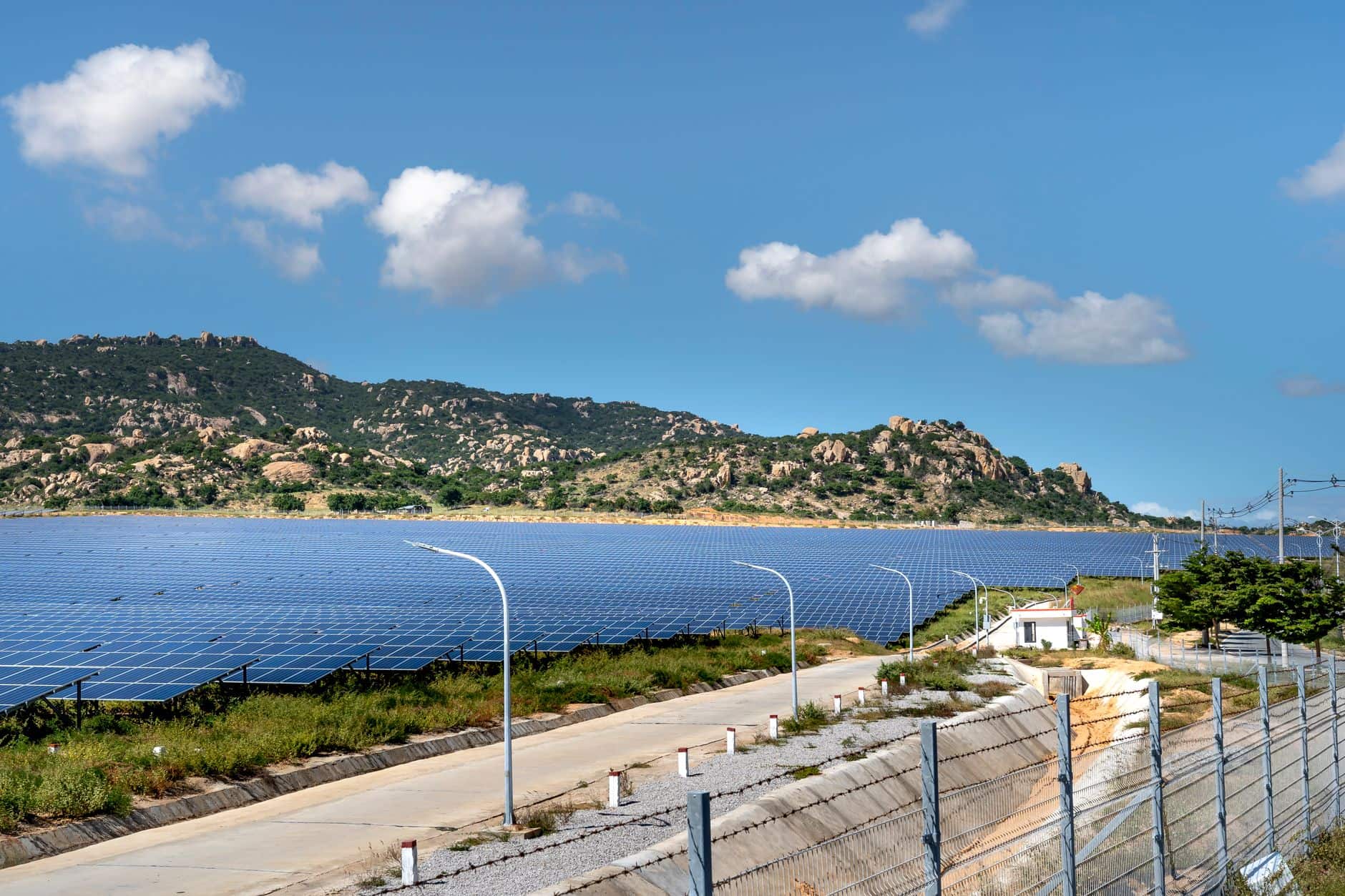
East Asia’s May Sun Boosts Solar Output by 15%
May 2026 saw coastal East Asia bathed in clear skies, pushing solar irradiance up to 15 % above the long‑run average, with Japan’s Tokyo and Osaka recording record‑sunny months.
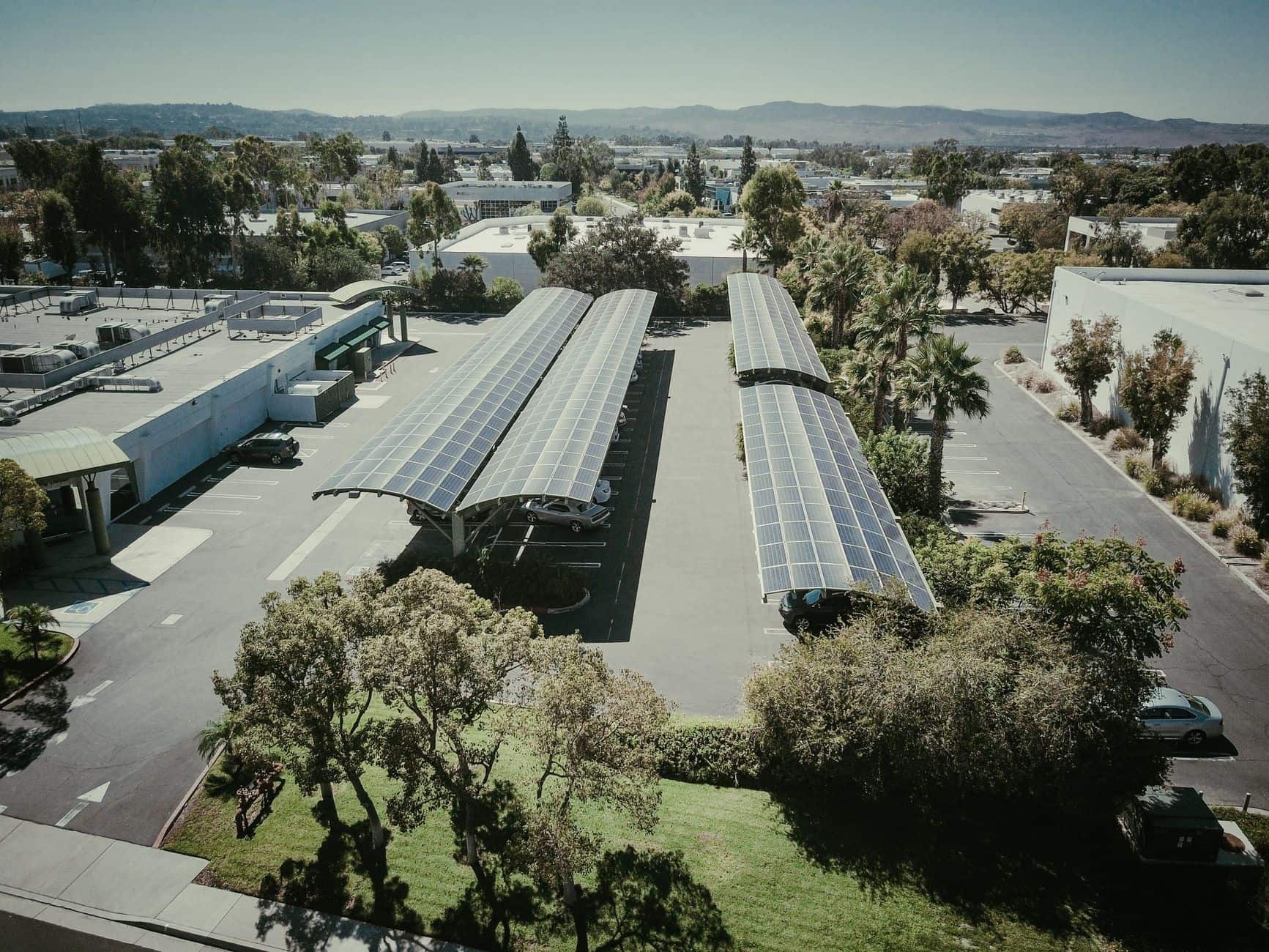
NextPower’s Acquisition Blitz Powers Solar Expansion
NextPower now supplies almost every utility‑scale solar component except PV modules and battery cells, after a rapid acquisition spree that added inverters, storage platforms and mounting systems.
Solar Skills Shortage Hits Europe’s Fast‑Growing Market
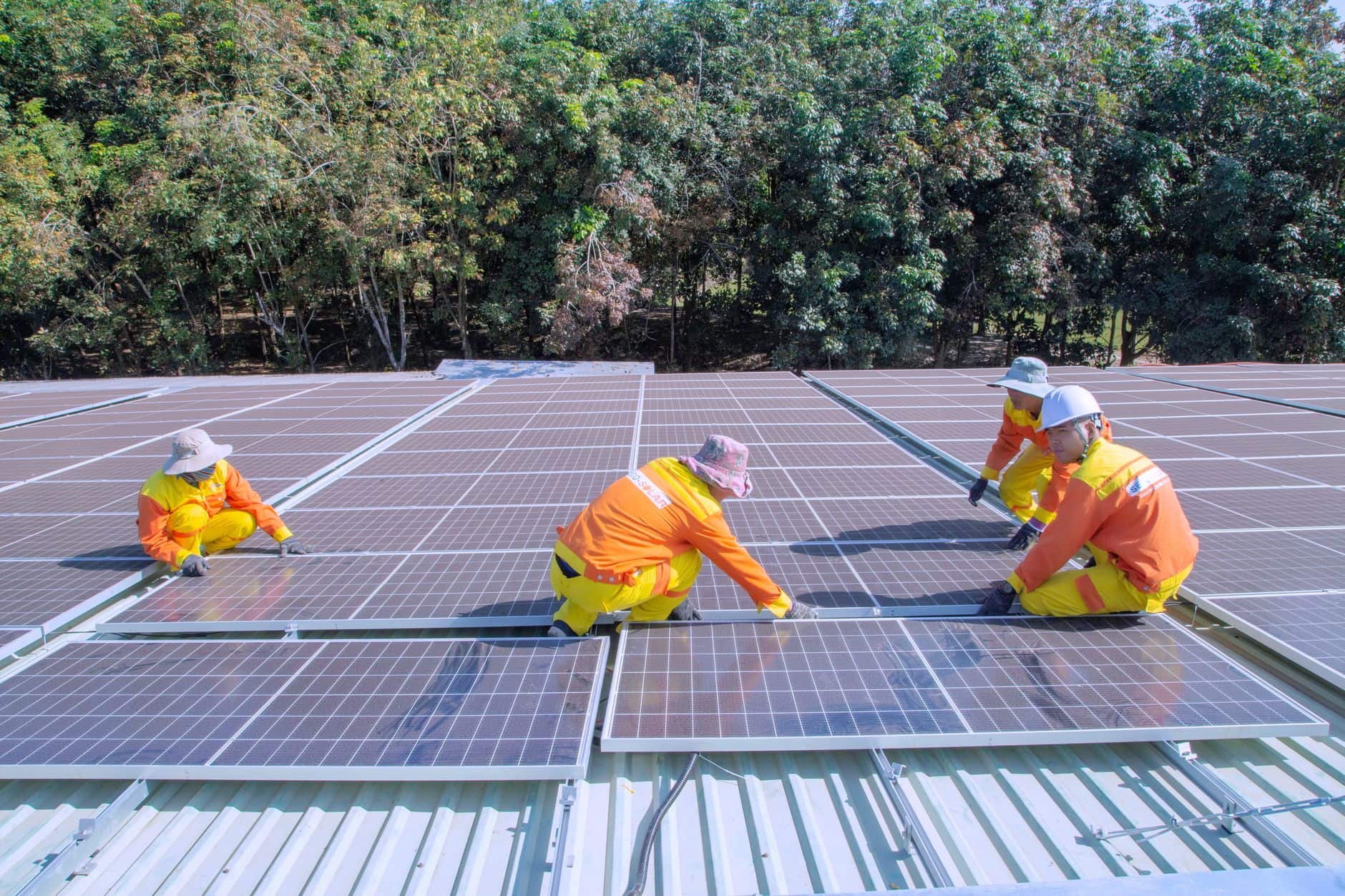
Europe needs 800,000 new solar technicians by 2026, and a shortage of qualified workers is already slowing project roll‑outs, threatening both the continent’s renewable targets and Israel’s solar ambitions.
Record Solar Growth Fuels Renewables 24/7 Vision
The Smarter E 2026 in Munich hosts 2,662 exhibitors in a fully‑booked 206,000 m² hall and showcases the “Renewables 24/7” vision, while global solar installations hit a record 664 GW in 2025.
AI‑Chef Revolutionizes Solar Factories Worldwide
ATW’s AI‑Chef platform lets the company ship fully‑optimized, AI‑run solar factories abroad, fueling a revenue jump from $100 M to $1.2 B and positioning Southeast Asia as its main growth engine.