HiTHIUM ARKVOLT: Industrial Home Batteries Debut
HiTHIUM ARKVOLT launches with three flagship home‑battery lines
HiTHIUM’s ARKVOLT series is a brand‑new residential energy‑storage portfolio that brings industrial‑grade safety, 95 % depth‑of‑discharge and up to 30 kWh of usable capacity to European households. The lineup consists of the F8S mainstream unit (8‑32 kWh), the high‑density R30 (30 kWh in a compact box) and the modular L16 (scalable to large capacities). All three models are IEC, CE and UN‑38.3 certified, with the F8S and L16 rated IP65 for outdoor use and the R30 rated IP20 for indoor installation.
How ARKVOLT outperforms typical residential batteries
ARKVOLT’s F8S series uses a DC‑BOOST architecture that lifts system throughput by roughly 15 % and eliminates the series‑matching headaches of conventional high‑voltage strings. The battery management system can mix old and new cells, supports 6‑15 kW inverters and delivers a lifespan of 11 000 cycles – significantly higher than the cycle counts of many European kits. Moreover, the series operates at a 95 % depth‑of‑discharge, compared with the 80 % DoD most home batteries are limited to, which increases the usable energy per cycle.
European residential storage market is heating up
The residential battery market is already a multi‑billion‑dollar industry. According to a MarketsandMarkets analysis, the global market was valued at USD 2.69 bn in 2024 and is projected to reach USD 4.58 bn by 2030, growing at a 9.3 % CAGR MarketsandMarkets. In Europe alone, 21.9 GWh of battery storage were installed in 2024, and the European Battery Storage Outlook expects continued growth through 2029 European Outlook. This surge is driven by tighter grid constraints, higher self‑consumption targets and generous national incentives.
Safety and regulatory compliance are baked in
ARKVOLT’s hardware complies with the latest EU battery‑storage regulations that came into force in February 2024, which impose stricter safety, performance and labeling rules on systems larger than 20 kWh EU Regulations. The products also meet IEC 62133 and UN‑38.3 transport standards, ensuring they can be shipped and installed across the continent without special permits Safety Standards. The R30’s indoor IP20 rating and the F8S/L16’s IP65 dust‑proof, waterproof enclosures give homeowners flexibility to place the units semi‑outdoors or inside a garage.
What it means for Israel
For an Israeli homeowner with a typical 10 kWp rooftop PV system (producing about 17 000 kWh / year in the central region [Verified Israeli Facts]), self‑consumption without storage is modest, while excess generation is exported at the leasing rate of ₪0.14 /kWh. Adding an ARKVOLT battery can increase the share of locally used solar energy, reducing reliance on grid imports and providing noticeable savings on the electricity bill. A typical turnkey PV‑plus‑battery install costs around ₪3 150/kWp for the PV portion, with the battery price adding to the total investment. Over the 25‑year system lifetime, the additional stored energy can help homeowners achieve a meaningful reduction in annual electricity costs and support Israel’s 30 % renewable‑energy target for 2030.
Outlook and adoption hurdles
ARKVOLT’s industrial pedigree gives it a credibility edge, but market penetration will still hinge on price, financing schemes and the availability of local installers familiar with the DC‑BOOST architecture. If European incentives continue to favor higher storage capacities, the ARKVOLT series could become a reference point for new‑build homes and retrofits alike. In Israel, where the Electricity Authority and NOGA regulate storage deployments, the high DoD and long cycle life may help meet the country’s aggressive self‑consumption goals, provided that tariff structures and subsidy programs keep pace.
FAQ
- What capacities does ARKVOLT offer? The F8S line covers 8‑32 kWh, the R30 delivers a fixed 30 kWh, and the L16 is modular for larger installations.
- How many cycles can the batteries endure? All ARKVOLT models are rated for 11 000 full cycles at 95 % depth‑of‑discharge.
- Are the batteries safe for indoor use? The R30 carries an IP20 indoor rating; the F8S and L16 are IP65 rated for semi‑outdoor placement.
- Do the batteries meet EU standards? Yes – they are IEC, CE and UN‑38.3 certified and comply with the 2024 EU BESS regulation.
- Can I mix old and new cells in the F8S? The independent BMS allows mix‑and‑match of cells, eliminating series‑matching issues.
- How does ARKVOLT compare to a typical home battery? Its 95 % DoD and 11 000‑cycle life give more usable energy per cycle and a longer economic life than many conventional kits.
Key Facts
- ARKVOLT’s F8S series boosts throughput by ~15 % thanks to DC‑BOOST technology.
- All three ARKVOLT models support a 95 % depth‑of‑discharge, far above the 80 % norm.
- The line is rated for 11 000 cycles – about double the life of many residential kits.
- Europe installed 21.9 GWh of battery storage in 2024, and the market is set to grow to USD 4.58 bn by 2030.
- In Israel, adding an ARKVOLT battery can help homeowners achieve a noticeable reduction in annual electricity costs while supporting the 30 % renewable‑energy target.
Sources & further reading
FAQ
What is the capacity range of ARKVOLT batteries?
ARKVOLT offers 8‑32 kWh with the F8S, a fixed 30 kWh R30, and a modular L16 that can be scaled up to 32 kWh.
How many cycles can ARKVOLT batteries handle?
All ARKVOLT models are rated for **11 000 full cycles** at 95 % depth‑of‑discharge.
Are ARKVOLT batteries certified for EU markets?
Yes – they meet IEC, CE and UN‑38.3 standards and comply with the 2024 EU BESS regulation.
What is the expected market size for residential storage?
The global market was USD 2.69 bn in 2024 and is projected to reach USD 4.58 bn by 2030.
How much could an Israeli homeowner save with a 10 kWh ARKVOLT battery?
Roughly **₪2 400 per year** by shifting about 5 000 kWh of solar surplus from export to self‑consumption.
What safety ratings do the ARKVOLT models have?
The R30 is IP20 for indoor use; the F8S and L16 are IP65 dust‑proof and waterproof.
Share this post
More from Storage
6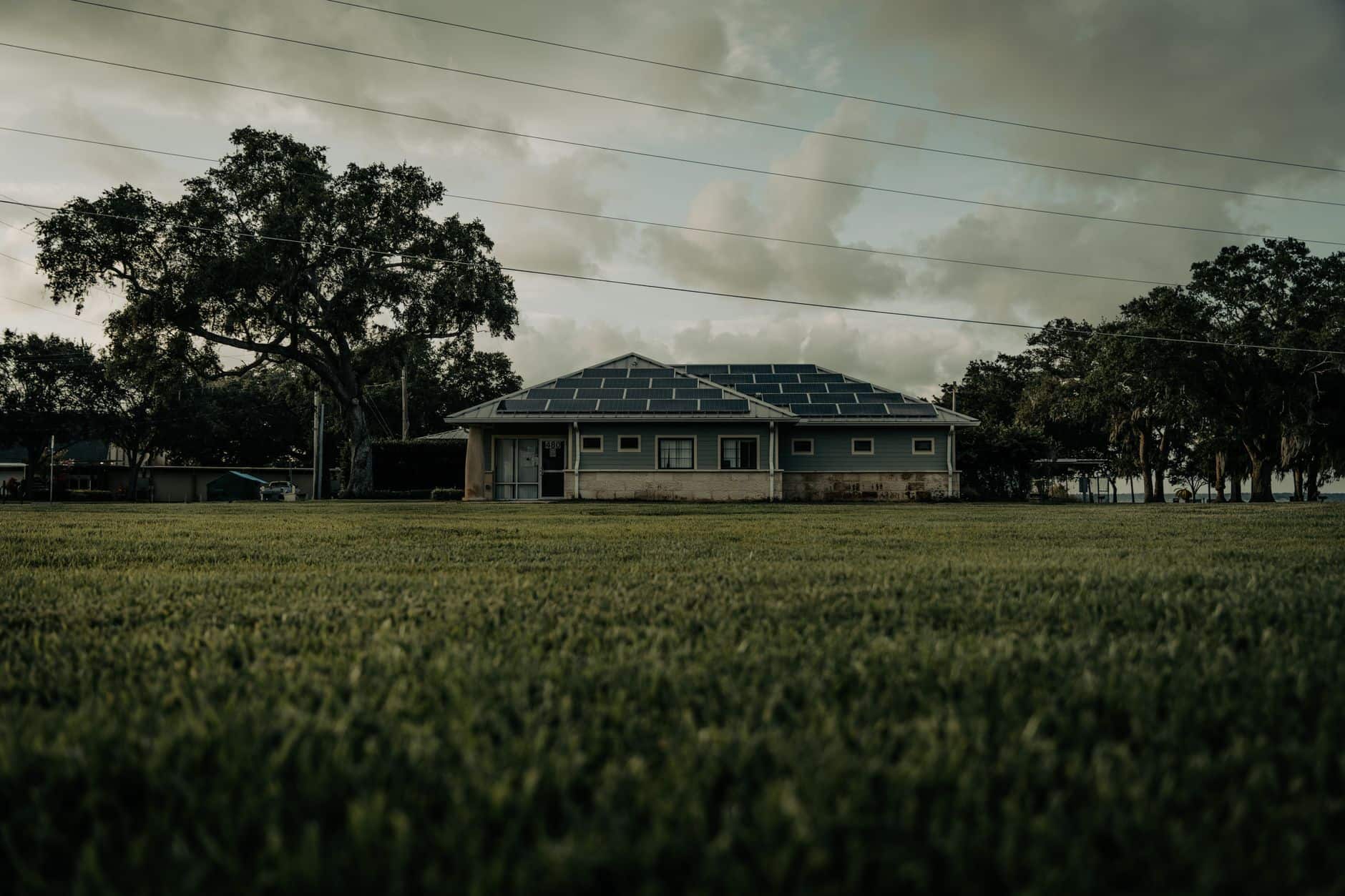
Home Battery Costs Hit $139/kWh in 2026
In 2026 residential battery storage fell to $139/kWh, leading to an 8‑12‑year payback for typical home solar‑plus‑battery systems and a modest extension of the payback period for Israeli households.
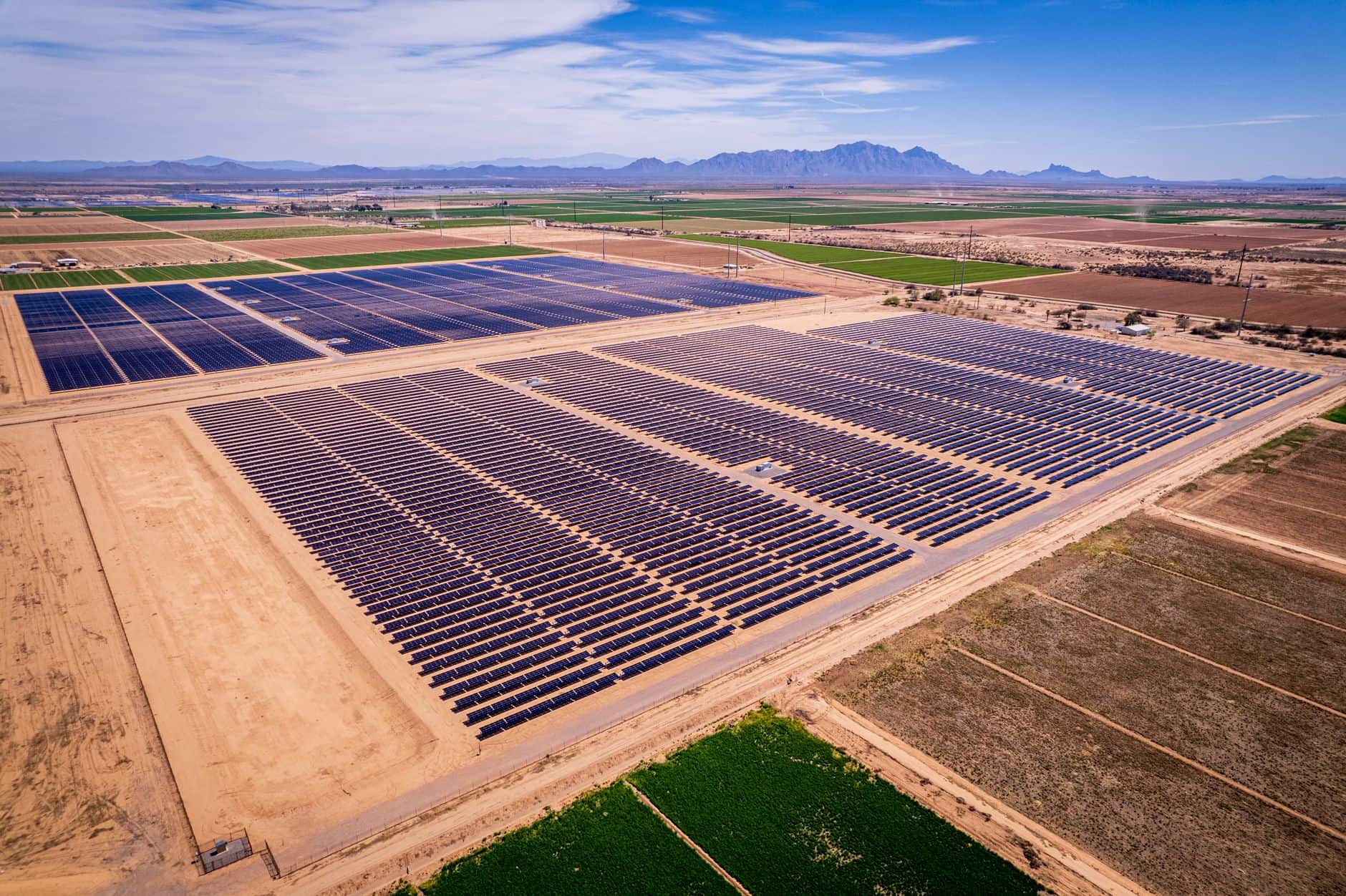
Moonwatt Sodium‑Ion BESS Boosts Solar Efficiency
Moonwatt’s modular sodium‑ion battery can deliver up to 94% solar‑to‑grid efficiency while cutting balance‑of‑plant costs by roughly 50%, offering a scalable, passive‑cooled alternative to lithium‑ion for utility‑scale PV in Israel and beyond.

Hybrid Solar‑Battery Projects Lead Global Energy Shift
Australia’s NEM will pair 100 % of new utility‑scale solar (2027‑28) with battery storage, and the 98 MW Quorn Park hybrid is now the global blueprint for reliable, dispatchable renewable power.

Solar Beats Gas in California via Batteries
California’s solar farms beat natural‑gas plants on most days last year, thanks to a surge in battery storage that lets excess sun be saved for peak‑hour use.

FRV Secures 2.3 GW Germany, Pushes Solar‑Battery
FRV secured 2.3 GW of grid access in Germany and will pair the new solar farms with battery storage, a move that could drive down solar panel prices worldwide.

TECO Boosts Aussie Solar & Storage Portfolio
TECO is adding a significant amount of solar capacity and substantial battery storage to its Australian portfolio, a move that showcases the growing value of solar‑plus‑storage projects worldwide.