Argentina Battery Auction Hits $7,400/MW‑Month
Quick Take: Argentina’s first large‑scale battery storage tender saw bids as low as $7,397 per MW‑month, roughly 15% under the $12,500 price cap.
The AlmaSADI auction, launched by Argentina’s Energy Secretariat and run by market operator CAMMESA, attracted 232 qualified proposals for a 700 MW target. The weighted‑average bid was $10,568 /MW‑month, well below the ceiling, signalling strong cost pressure in Latin‑American storage markets.
How Low Were the Bids?
The lowest financial offer recorded was $7,397 /MW‑month. By comparison, the auction’s maximum price was $12,500 /MW‑month.
Regional Price Spread
Bids varied by node: the Central San Luis region posted the most competitive average at $9,916 /MW‑month, while the northeast (Chaco & Formosa) was the priciest at $11,194 /MW‑month. The spread reflects differing grid congestion, local generation mixes, and the number of competing developers in each zone.
Scale of Interest
Although the procurement goal is 700 MW, the 232 qualified proposals together total 8,230 MW – more than eleven times the target. This oversubscription underscores the appetite of both domestic and foreign players to enter Argentina’s fast‑growing storage market. CAMMESA estimates the 700 MW could mobilise roughly $700 million in investment, a figure echoed by the Energy Secretariat’s own briefing.
What the Tender Means for Argentina’s Grid
AlmaSADI requires each system to deliver at least four consecutive hours of discharge, a duration that can provide both capacity reserves and operating‑reserve services in the wholesale market. By placing storage at critical nodes across the northwest, northeast, central, littoral, Cuyo, Pampas and Buenos Aires regions (excluding the Greater Buenos Aires metro area), the government aims to smooth intermittent generation, defer costly transmission upgrades, and improve overall system reliability.
What It Means for Israel
Israel’s residential electricity tariff sits at ₪0.48/kWh (≈ $0.13/kWh). Even after converting the Argentine storage price to a very low cost per kWh, the expense of stored electricity is a small fraction of what Israeli households pay for grid power. For Israeli investors, the Argentine price signal suggests that large‑scale BESS can become cost‑effective well before the technology reaches full maturity at home. It also reinforces the case for policy makers to consider longer‑duration storage incentives, as the economics are already favorable in a market with higher electricity prices.
Outlook and Next Steps
CAMMESA will now evaluate the qualified bids against regional capacity caps and the allocation methodology before awarding contracts. Given the depth of interest and the low price points, the final award list is expected to be highly competitive, which could influence pricing in future rounds.
The success of AlmaSADI could also inspire similar initiatives in neighboring countries, accelerating the regional rollout of utility‑scale batteries.
What It Means for Israel
- Cost comparison: Argentine storage prices are a fraction of Israel’s residential tariff, highlighting a substantial cost advantage.
- Investment insight: The $700 million investment estimate for the 700 MW tender provides a benchmark for Israeli developers evaluating large‑scale storage projects.
- Policy implication: The strong market response suggests that clear, transparent procurement frameworks can unlock rapid storage deployment – a lesson for Israel’s Electricity Authority as it refines its own storage incentives.
Sources: the bid data and price caps are from the original PV Magazine report; the investment estimate and oversubscription figures are corroborated by a separate PV Magazine article on the tender’s volume (source); and the regional price spread is detailed in the same PV Magazine coverage.
Sources & further reading
FAQ
What is the AlmaSADI tender?
AlmaSADI is Argentina’s national call for battery energy storage systems that can discharge for at least four hours, aimed at critical grid nodes outside Greater Buenos Aires.
How many bids were submitted and how many were qualified?
A total of 235 proposals were received; 232 met the qualification criteria and were evaluated for the 700 MW award.
What was the lowest bid price?
The cheapest financial offer was $7,397 per MW‑month, equivalent to about $0.010 per kWh.
How does the Argentine price compare to Israeli electricity tariffs?
At $0.010 /kWh, the Argentine storage cost is roughly 8 % of Israel’s residential tariff of ₪0.48 /kWh (≈ $0.13 /kWh).
What investment size is expected for the 700 MW target?
The Energy Secretariat estimates the procurement could mobilise around $700 million in investment.
When will the contracts be awarded?
CAMMESA will assess the qualified bids against regional caps and allocation rules before announcing the final award list later this year.
Share this post
More from Storage
6
Sungrow PowerHarbor: All‑In‑One Home Battery Inverter
Sungrow’s PowerHarbor all‑in‑one hybrid inverter delivers 10‑30 kW power, modular LiFePO₄ storage up to 120 kWh, AI‑driven optimisation and built‑in backup, promising sub‑four‑year payback for a typical Israeli rooftop.
Ultra‑Flexible Cable Boosts Battery Storage
Top Cable’s new Powerflex Ultra cable can bend tighter, survive –40 °C to 90 °C, and cut BESS installation labor, speeding up Europe’s battery‑storage rollout.
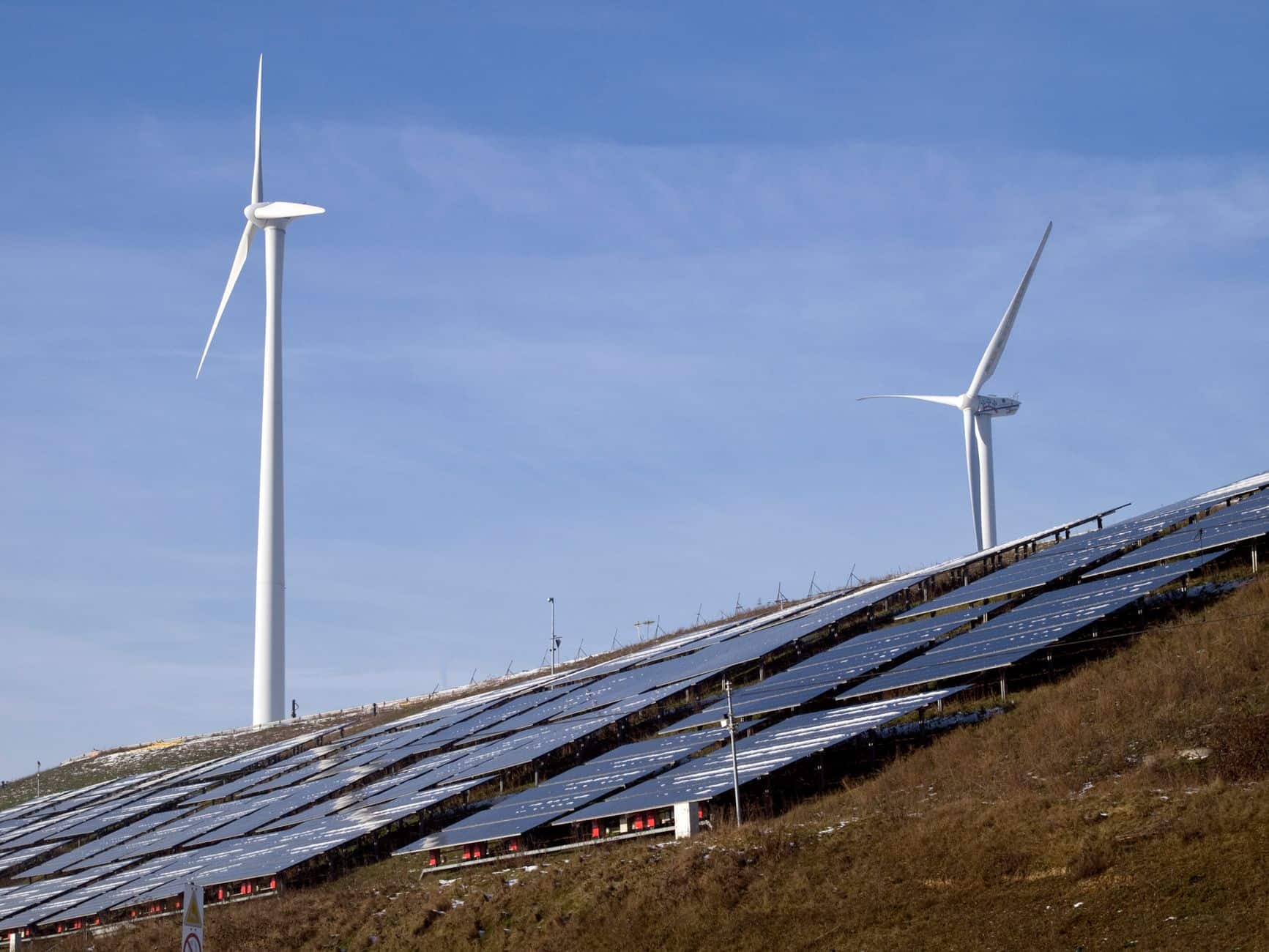
Denmark’s Battery Storage Fuels Renewable Boom
Denmark’s battery‑energy‑storage market has grown rapidly, outpacing the rest of Europe and reshaping how investors fund renewable projects.
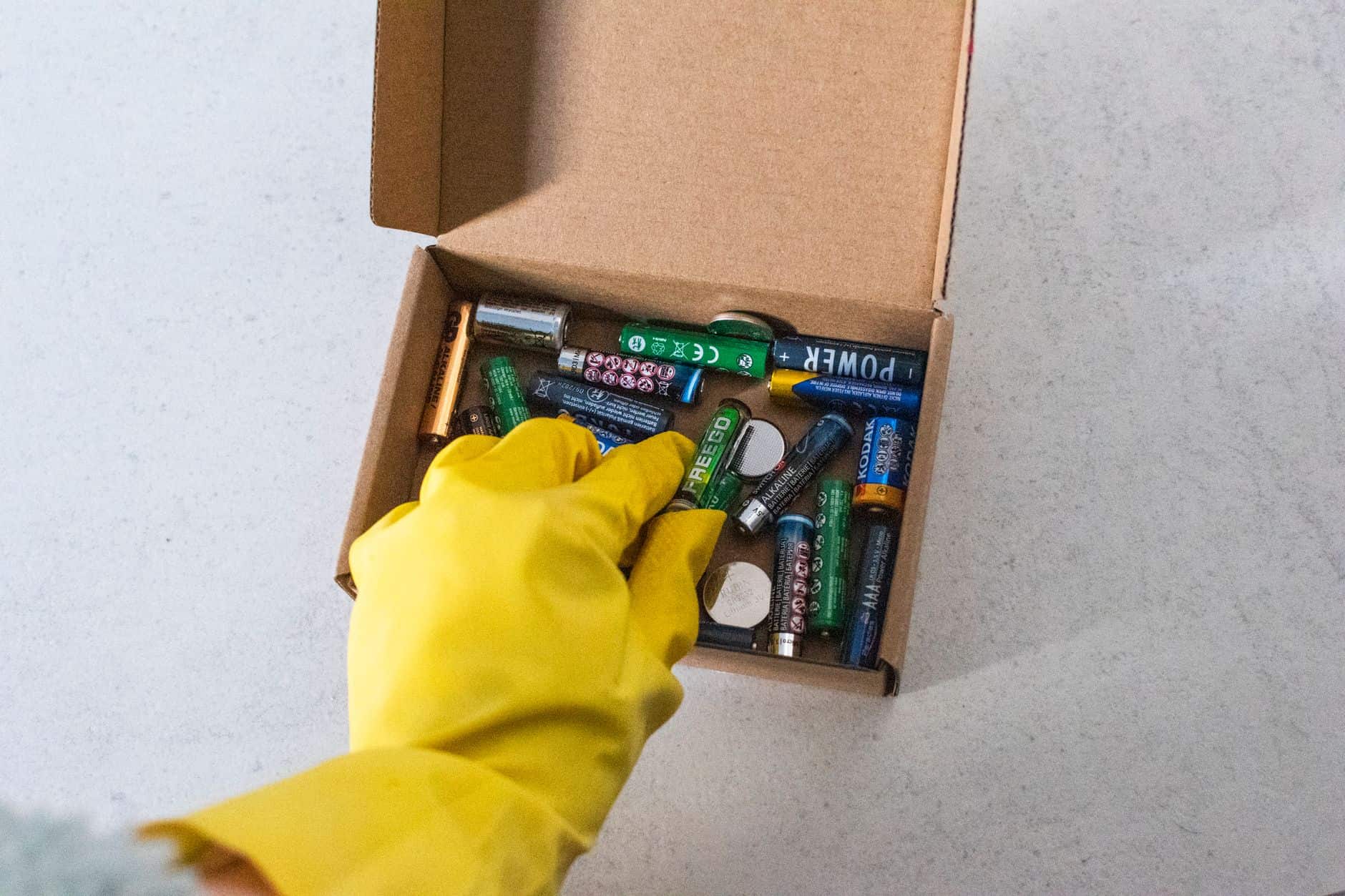
HiTHIUM ARKVOLT: Industrial Home Batteries Debut
HiTHIUM’s ARKVOLT series brings industrial‑grade, 95 % DoD home batteries to Europe, offering up to 30 kWh capacity and 11 000‑cycle life, a move that could reduce Israeli household electricity bills while aiding renewable‑energy targets.
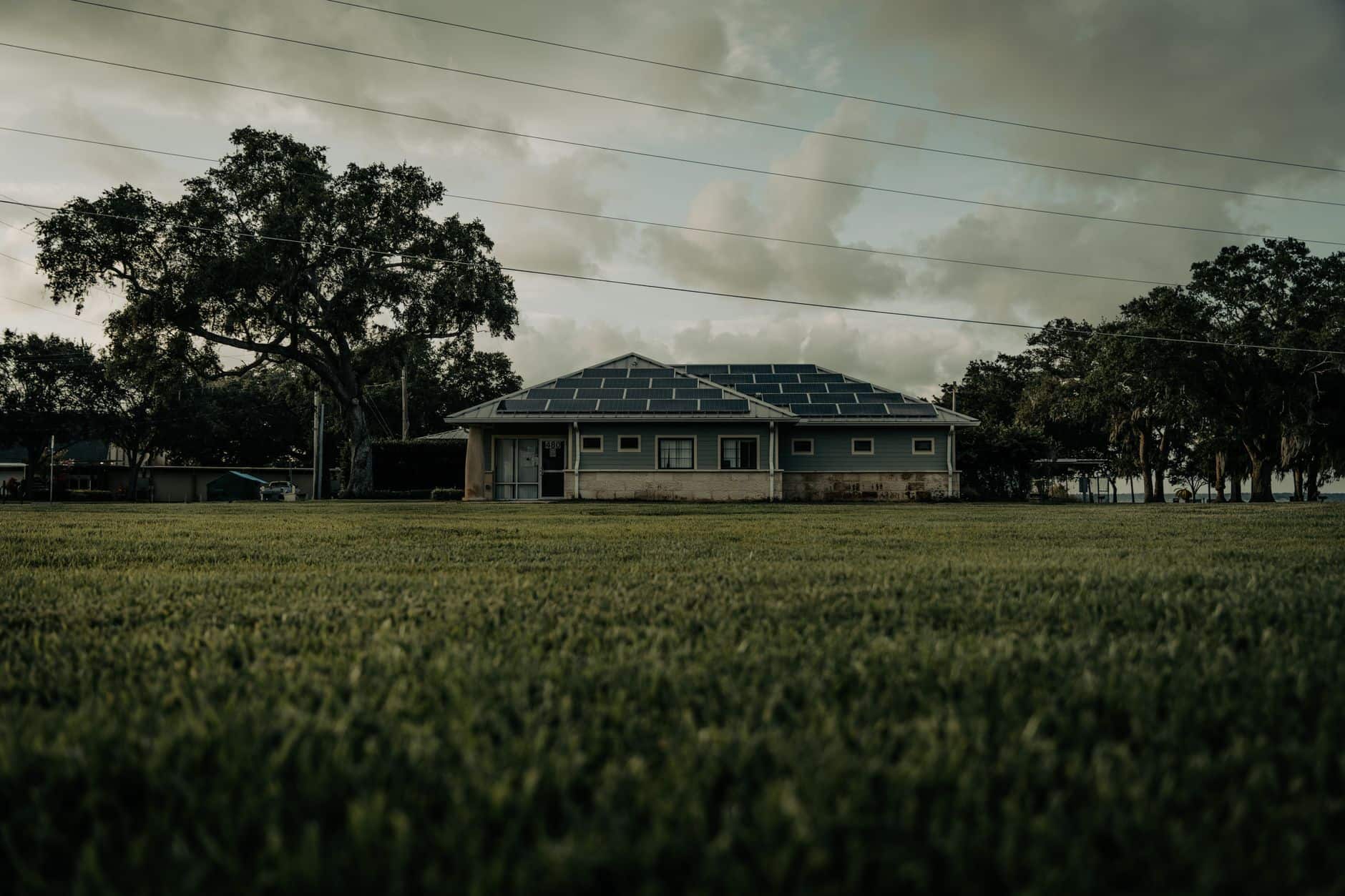
Home Battery Costs Hit $139/kWh in 2026
In 2026 residential battery storage fell to $139/kWh, leading to an 8‑12‑year payback for typical home solar‑plus‑battery systems and a modest extension of the payback period for Israeli households.
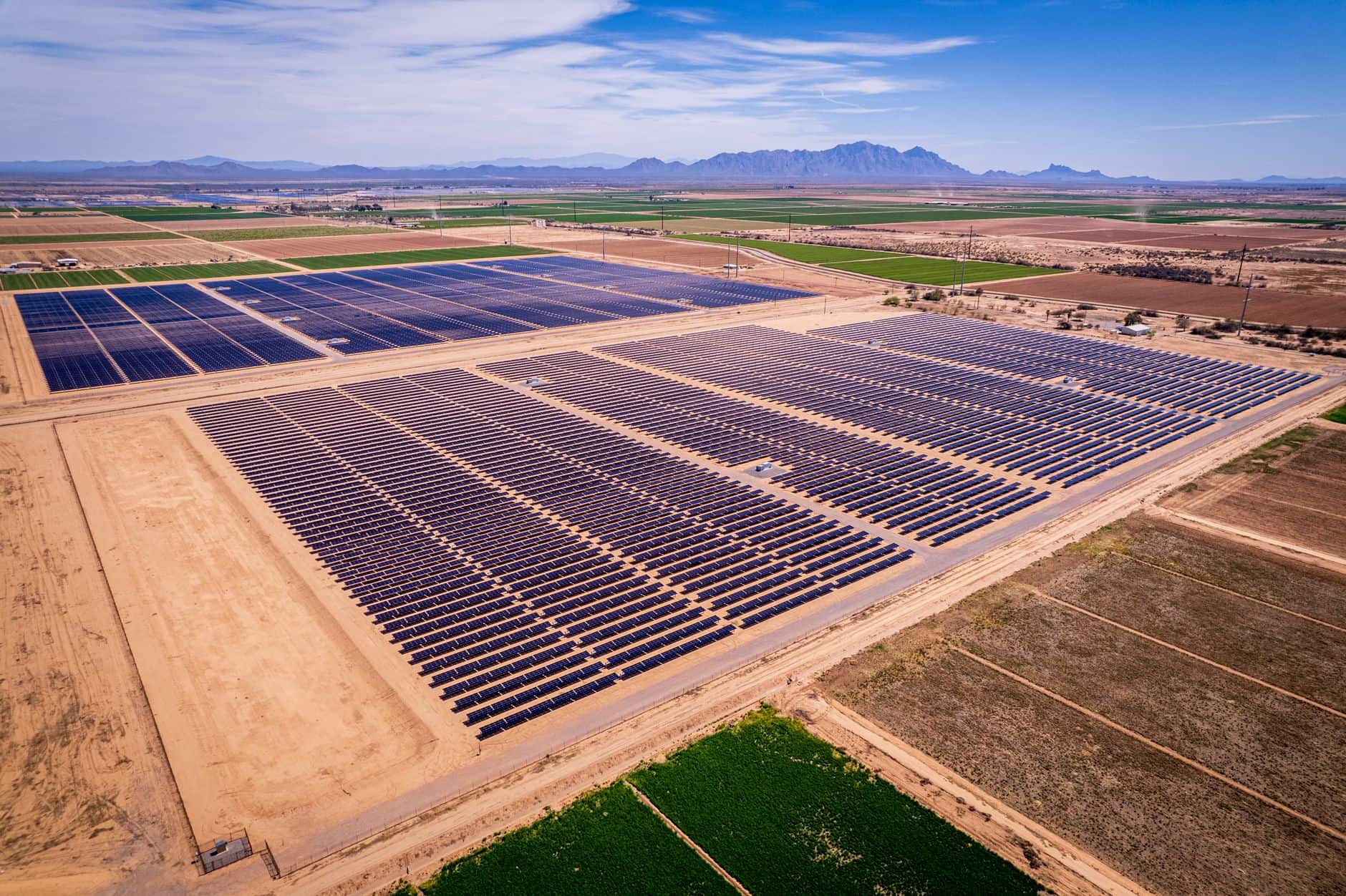
Moonwatt Sodium‑Ion BESS Boosts Solar Efficiency
Moonwatt’s modular sodium‑ion battery can deliver up to 94% solar‑to‑grid efficiency while cutting balance‑of‑plant costs by roughly 50%, offering a scalable, passive‑cooled alternative to lithium‑ion for utility‑scale PV in Israel and beyond.