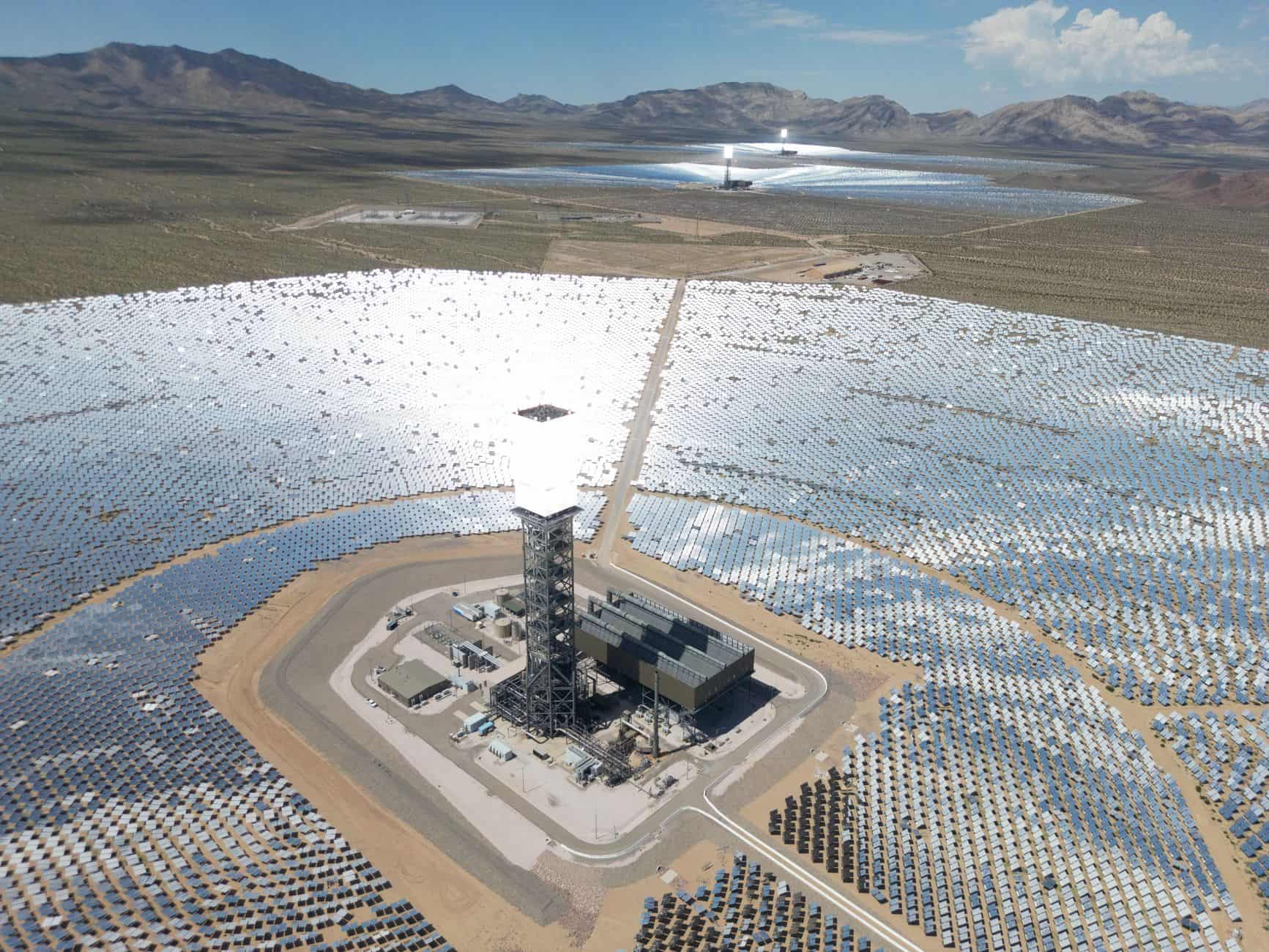
Spectral‑Selective Solar Panels Boost Agrivoltaic Yield
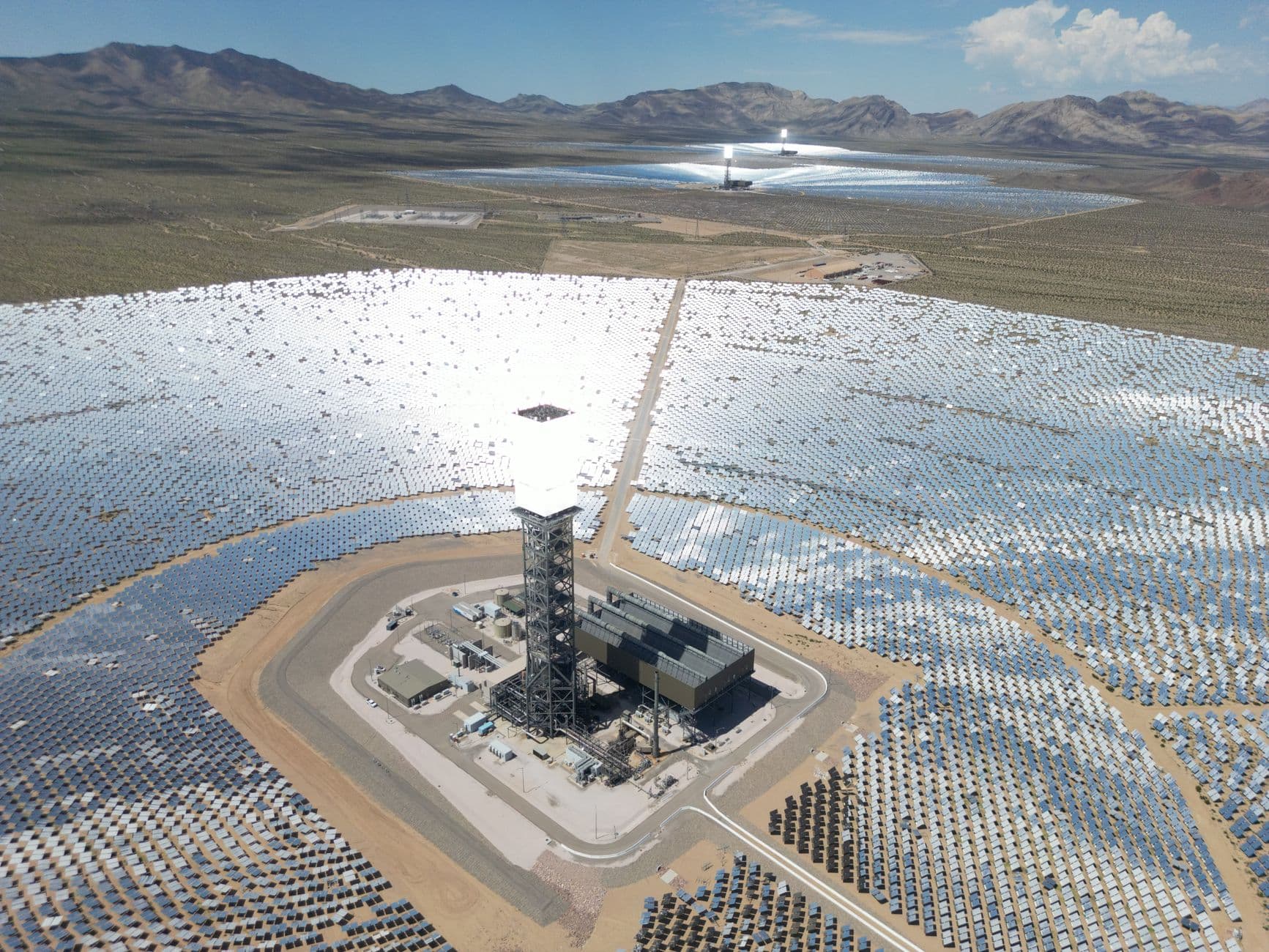
New semi‑transparent panels can raise farm power output by up to 34%
Researchers at the University of New South Wales have unveiled a spectrally selective, semi‑transparent crystalline‑silicon (c‑Si) module that redirects near‑infrared (NIR) light to solar cells while letting more than 90% of photosynthetically active radiation (PAR) reach crops. The design delivers up to a 34% higher electrical output than today’s conventional semi‑transparent PV panels, according to the team’s simulations.
How the module works: selective optics and v‑groove concentrators
The UNSW module embeds distributed Bragg reflectors (DBRs) and v‑groove flat‑plate concentrators between the cells in a dual‑glass architecture. DBRs are multilayer mirrors that reflect a targeted wavelength band with >99.9% efficiency, sending NIR (800‑1100 nm) back into the glass where total internal reflection (TIR) traps it for the TOPCon c‑Si cells. The angled v‑groove surfaces steer this reflected NIR toward the cell area, while the visible 400‑700 nm band passes straight through to the crops. Multilayer polymeric DBR films proved most effective, offering higher NIR reflection and negligible absorption — a finding reflected in a recent RSC review of semi‑transparent PV technologies for agrivoltaics.
Performance gains confirmed in Australian test sites
Using a MATLAB‑based optical model, the researchers compared three module configurations against a conventional opaque PV and a standard semi‑transparent PV with the same cell coverage. Across three Australian locations, the spectrally selective design achieved 23‑27% higher short‑circuit current for a 50% cell‑coverage layout and 34‑40% gains for a 38% coverage design. In every case, PAR transmission stayed above 90%, ensuring crops receive sufficient light. The boost depends on solar incidence angle; efficiency stays stable along the v‑groove direction but drops when the sun shines across the grooves.
How it stacks up against other semi‑transparent solutions
Current market offerings—glass‑based bifacial modules, thin‑film transparent cells, and polymer‑based photovoltaics—typically sacrifice either electricity or light transmission. The RSC review notes that many commercial semi‑transparent PVs transmit a broad spectrum, including NIR, which is less useful for crops but valuable for silicon cells. By contrast, the UNSW approach filters out ~80% of NIR, converting it to electricity while preserving the visible spectrum for plants, a balance not achieved by existing products.
Global agrivoltaic market poised for rapid growth
Analysts project the worldwide agrivoltaics market to expand at a CAGR of 38‑45% through 2030, driven by rising demand for dual‑use land and renewable‑energy targets. The new module’s higher power density could make agrivoltaic installations more financially attractive, especially in regions with high solar irradiance where land‑use efficiency is critical.
What it means for Israel
Israel’s sunny climate—particularly the southern Negev with an average yield of 1,950 kWh per kWp per year—makes agrivoltaics a promising land‑use strategy. Applying the UNSW module’s 34% boost to a 1 MWp farm in the south would raise annual generation from 1.95 GWh to ≈2.62 GWh, an extra ≈0.67 GWh. At the typical commercial feed‑in tariff of ₪0.41 /kWh, that translates to roughly ₪275,000 per year of additional revenue. Over a multi‑year horizon, the extra income could help offset the higher upfront cost of the selective optics as the technology matures and economies of scale lower prices. Israeli growers could therefore see shorter payback periods and higher overall farm profitability while still delivering ample light for crops.
Outlook: from prototype to commercial farms
The team has built first‑stage prototypes roughly half the size of an A4 sheet and confirmed the optical performance in the lab. Scaling up will require integration with existing agrivoltaic mounting systems and validation under diverse crop‑specific light responses. If commercialized, these modules could become a key component of Israel’s renewable‑energy roadmap, helping the country meet its 30% renewable electricity target by 2030 while preserving agricultural productivity.
Key takeaways:
- Spectrally selective optics boost semi‑transparent PV output by up to 34% while keeping >90% PAR for crops.
- Multilayer polymeric DBRs and v‑groove concentrators are the core technologies enabling this gain.
- In Israel’s high‑irradiance zones, a 1 MWp agrivoltaic farm could earn an extra ₪275k per year thanks to the higher yield.
- The technology aligns with the fast‑growing global agrivoltaic market and could accelerate Israel’s renewable‑energy goals.
Sources & further reading
- Spectrally selective modules for agrivoltaics - RSC Publishing
- Photovoltaics literature survey (No. 191) - Hameiri - Wiley Online Library
- UNSW unveils spectrally selective solar modules for agrivoltaics
- [PDF] eu pvsec 2024 - Conference Programme
- Thin-film solar photovoltaics: Trends and future directions - ScienceDirect
FAQ
What is a spectrally selective agrivoltaic module?
It’s a semi‑transparent solar panel that uses special mirrors to bounce near‑infrared light back into the solar cells while allowing most visible light (400‑700 nm) to pass through to crops.
How much more electricity can these modules generate?
Simulations show up to a 34% increase in electrical output compared with conventional semi‑transparent PV panels.
Do the panels reduce the light crops need?
No – they preserve more than 90% of photosynthetically active radiation, so crops receive essentially the same light as with standard transparent covers.
Can Israeli farms benefit from this technology?
Yes. In the southern Negev, a 1 MWp system could produce about 0.67 GWh extra per year, worth roughly ₪275,000 at the commercial tariff.
What are the main components that make the module work?
Distributed Bragg reflectors (multilayer mirrors) and v‑groove flat‑plate concentrators that steer NIR light into the TOPCon silicon cells.
When might these panels be available commercially?
Prototypes are at A4‑size scale; commercial rollout will depend on scaling the optics and reducing costs, likely within the next few years.
Share this post
More from Research
6
Europe Can Fit 614 GW Solar Within Demand
A new hour‑by‑hour analysis shows Europe can safely integrate 614 GW of solar PV – about 678 TWh a year – without any hour of over‑production, highlighting the need for grid flexibility and storage.

Heat Pumps Run Better in Cold, Boosting Savings
Real‑world UK data shows heat pumps can become significantly more efficient in colder weather when properly commissioned, boosting SPF and reducing energy bills.
Lithium‑Nitrogen Batteries: Roadmap to Reality
Researchers from Belgium and China have mapped the technical hurdles of lithium‑nitrogen batteries and proposed a suite of solutions—from stable electrolytes to a flow‑type cell—bringing the technology closer to commercial reality.

El Niño Shifts Solar Irradiance Worldwide
A strengthening El Ñiño through 2026 will boost solar irradiance by up to +15 % in India while cutting it by about ‑10 % in western South America and East Asia, according to Solcast’s AI‑driven analysis.

Solar Power Could Transform Greater Cairo by 2050
LUT University finds that by 2050 solar PV could meet almost all of Greater Cairo’s electricity demand, cut costs by half and double energy‑sector jobs.

Cable‑Supported PV Mounts Boost Wind Stability
Chinese researchers have created a two‑parallel cable‑truss mounting system that lifts the critical wind speed for 40 m PV spans to 36.8 m/s, offering higher torsional stiffness with only modest steel increase.