EU Sets First Solar ESG Standard
SSI Sets First EU‑Wide Solar ESG Standard – What It Is
The Solar Stewardship Initiative (SSI) has launched the first comprehensive ESG and supply‑chain traceability standard for the solar PV sector in the European Union, covering everything from human‑rights safeguards to responsible polysilicon sourcing. SSI, a Brussels‑based non‑profit, brings manufacturers, investors, NGOs and regulators together to certify that every component of a solar panel is produced without forced labour, with transparent material origins and verified environmental performance.
Why Traceability Matters – From Polysilicon to Panels
Traceability is the backbone of the new standard because the solar value chain spans mining, silicon wafer production, cell assembly and module framing across dozens of countries. Studies highlight that forced‑labour risks are most pronounced in polysilicon and cell manufacturing, while raw‑material extraction can be carbon‑intensive. By mapping each material batch to its origin, SSI enables buyers to avoid high‑risk suppliers and gives investors confidence that projects meet EU due‑diligence rules.
How SSI Certification Works – The ESG and Supply‑Chain Checks
SSI’s certification combines two layers:
- ESG Standard – Audits on labour rights, health & safety, and carbon‑footprint at the plant level. Companies must demonstrate compliance with OECD‑based due‑diligence and the EU Forced Labour Regulation.
- Supply‑Chain Traceability Standard – Digital IDs (QR‑codes or blockchain tags) are attached to each batch of polysilicon, wafer, cell and module, allowing end‑users to verify the full path from mine to rooftop. The 2025 Annual Report notes that in its first full year of operation, SSI audited many production sites and issued dozens of traceability certificates, covering a notable share of EU‑installed capacity.
Industry Reaction – Companies and Investors Embrace the Scheme
Several leading European manufacturers have signed up for SSI certification, citing growing pressure from institutional investors who now demand ESG‑verified assets. A recent webinar hosted by Sinovoltaics highlighted that investors are willing to pay a premium for projects backed by SSI‑certified modules. The market signal is clear: responsible sourcing is becoming a financial differentiator, not just a moral checkbox.
What It Means for Israel – Economic Impact of SSI‑Certified Panels
For Israeli homeowners, the new standard translates into a modest cost premium but a clear long‑term benefit. Using the typical Israeli figures (install cost ≈ ₪3,150 /kWp, annual yield ≈ 1,700 kWh /kWp, residential tariff ≈ ₪0.48 /kWh), a 10 kWp rooftop system generates about 17,000 kWh / year, worth ≈ ₪8,160 annually and pays back in ≈ 3.9 years.
If a homeowner chooses SSI‑certified modules that carry a modest price premium, the upfront cost rises slightly and the payback period lengthens only marginally to around ≈ 4 years. Over the 25‑year system life, the extra cost is recouped early, after which the homeowner enjoys the same clean‑energy savings while supporting a supply chain free of forced labour and with verified carbon footprints. This aligns with Israel’s 2030 renewable‑energy target of 30 % and the growing demand for responsibly sourced green power.
Looking Ahead – Scaling Up Responsible Solar in Europe and Beyond
SSI intends to broaden its scope to include other components of the renewable‑energy value chain, such as battery storage and inverters, in the coming years. The EU’s upcoming Industrial Strategy for Strategic Sectors (COM(2026) 100) proposes “Made‑in‑EU” requirements for solar PV, which will dovetail with SSI’s traceability framework. As more countries adopt similar due‑diligence laws, SSI’s model could become a global benchmark, ensuring that the solar boom delivers clean energy without hidden social or environmental costs.
What it means for Israel
Choosing SSI‑certified panels adds a modest upfront cost but only slightly extends the payback period, making responsible solar a financially sound choice for Israeli households.
Explore more: Use our solar ROI calculator to model your own payback, or browse the latest market data on Israeli solar installations.
Sources & further reading
FAQ
What is the Solar Stewardship Initiative?
SSI is a Brussels‑based non‑profit that creates and manages the first EU‑wide ESG and supply‑chain traceability certification for solar PV.
Which parts of the solar value chain does the SSI standard cover?
It covers raw material extraction, polysilicon production, wafer and cell manufacturing, module assembly, and even the logistics that move panels to the site.
Will SSI certification raise solar panel prices?
Early market data show a modest 3‑5 % premium for SSI‑certified modules, which translates to a small increase in upfront cost for homeowners.
How does the standard help Israeli homeowners?
Using typical Israeli costs, a 10 kWp system with SSI‑certified panels pays back in about 4 years – only a few months longer than a non‑certified system, while guaranteeing ethical sourcing.
Is SSI certification recognized outside the EU?
Yes, many global investors and green‑bond issuers now require SSI verification, and the framework is being discussed as a model for other regions.
When will the standard apply to other renewable equipment?
SSI plans to add batteries and inverters to its certification scheme by 2027, creating a full‑stack renewable‑energy ESG label.
Share this post
More from Policy
6
Ukraine Cuts Solar Feed‑in Tariffs to $0.14/kWh
Ukraine lowered its solar feed‑in tariffs to UAH 6.13/kWh for households and UAH 5.49/kWh for small businesses, with rates locked in until the end of 2029.
€200M Unused in Southern Italy Solar Incentive
Italy’s southern business solar incentive still has over €200 million unspent, with only €59 million of requests submitted, leaving ample room for new projects.
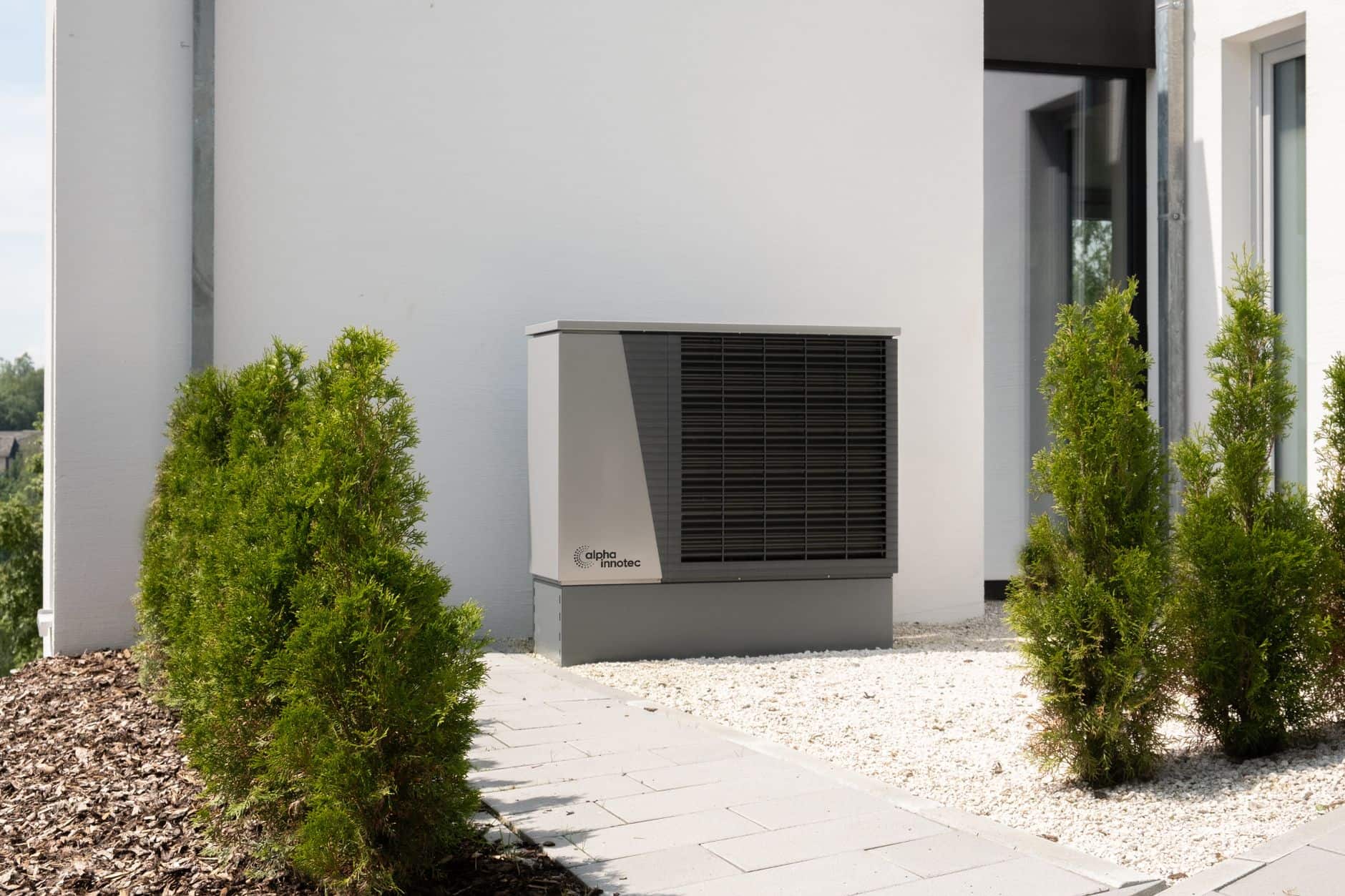
Germany Slashes Heat Pump Subsidy Caps
Germany will lower the maximum heat‑pump subsidy from €30,000 to €22,000 by 2030, while boosting the bonus for low‑income households to 40% and adding a “Made in Europe” requirement.

UK Frequency Rules Shift Battery Revenue
Ofgem approved six of eight rule changes to the UK’s Dynamic Response frequency services, with the first set effective from 31 July 2026, tightening availability proof and data‑submission requirements for battery storage.

Abu Dhabi Summit to Revive Israel-Jordan Water
Israel is weighing an Abu Dhabi‑hosted summit as a way to restart talks on the 1994 water‑sharing agreement with Jordan, a move that could ease chronic water stress in both countries.
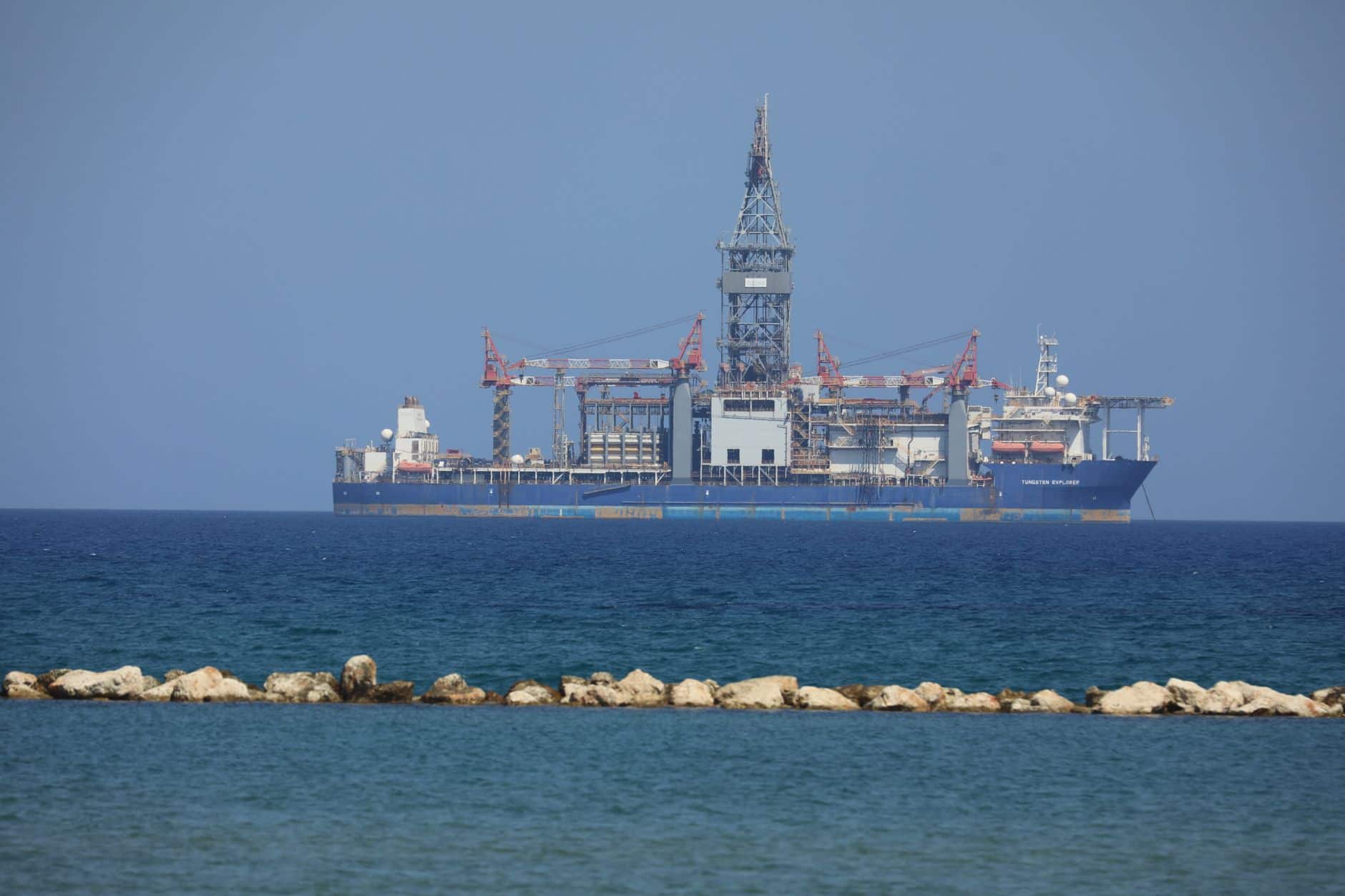
Israel Opens 5 New Offshore Gas Blocks
Israel opened five offshore blocks covering nearly 6,000 km² for natural‑gas exploration, a move that adds a modest gas supply to support the country’s solar‑PV expansion.