
Ukraine Cuts Solar Feed‑in Tariffs to $0.14/kWh
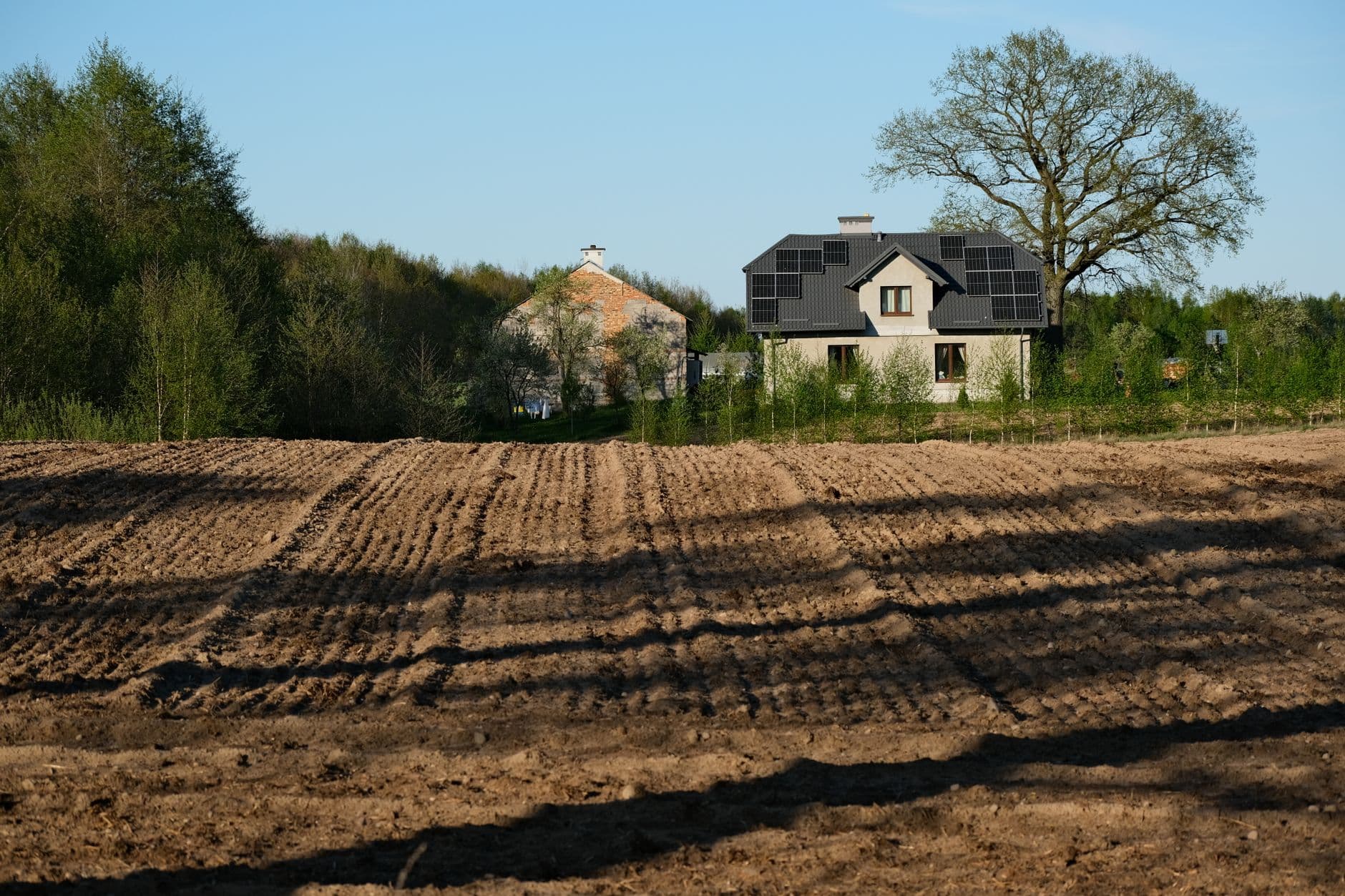
New Ukrainian Solar Feed‑in Tariffs Take Effect
Ukraine’s National Commission for State Regulation of Energy and Public Utilities (NEURC) has lowered the guaranteed green‑tariff rates for new solar projects. Residential installations up to 30 kW now receive UAH 6.13 per kWh (≈ $0.14/kWh), while small businesses and energy cooperatives with systems up to 150 kW get UAH 5.49 per kWh. Both rates are locked in until 31 December 2029 and apply to new projects commissioned after the change pv magazine.
How the Rates Compare to Previous Levels
The residential tariff fell from UAH 6.79/kWh to UAH 6.13/kWh. For businesses and cooperatives the rate dropped from UAH 6.32/kWh to UAH 5.49/kWh. Existing installations keep their original rates, so the market now has a clear split between legacy and new‑entry projects.
Eligibility Rules Remain Distinct
Households can still install panels on roofs, facades or on the ground, giving them flexibility in rural areas. By contrast, small‑business and cooperative systems must be mounted on roofs or building facades – a rule that aims to preserve land for agriculture and reconstruction efforts pv magazine.
Ukraine’s Solar Market Momentum – 1.5 GW Added in 2025
Even with the tariff cut, Ukraine’s solar sector is booming. In 2025 the country installed about 1.5 GW of new capacity, pushing cumulative solar capacity past 8.5 GW pv magazine. The surge follows roughly 800 MW added in 2024, underscoring a rapid build‑out despite ongoing conflict.
Policy Context: Solar‑plus‑Storage Auctions and Grid Resilience
Earlier in 2024 Ukraine introduced a dedicated solar‑plus‑storage auction category, guaranteeing at least 10 % of the annual support volume for hybrid projects Megaproject. This move complements the green‑tariff by encouraging batteries that can smooth intermittent generation, a critical need given the grid’s vulnerability to attacks.
What It Means for Israel
For Israeli readers the new Ukrainian tariff translates to roughly $0.14/kWh, which is comparable to Israel’s residential feed‑in price of ₪0.48/kWh. Using Israel’s typical residential yield of 1,700 kWh/kWp / year and a turnkey cost of ₪3,150/kWp, a 10 kWp home system would generate around 17,000 kWh per year. The comparison highlights how stable, long‑term tariffs combined with storage incentives can accelerate deployment when the price signal aligns with the market value of electricity.
Outlook
Ukraine’s tariff reduction reflects a maturing market that can sustain lower support levels while still attracting investment. The parallel push for solar‑plus‑storage suggests a future where distributed generation not only feeds the grid but also buffers it against outages. For Israel, the Ukrainian example reinforces the value of predictable, long‑term tariffs and the strategic role of storage in achieving the nation’s 30 % renewable target by 2030.
Sources & further reading
FAQ
What are the new residential solar feed‑in tariffs in Ukraine?
The new residential tariff is UAH 6.13 per kWh (about $0.14/kWh) for systems up to 30 kW.
How much did the tariff for small businesses decrease?
It fell from UAH 6.32/kWh to UAH 5.49/kWh, a 13 % reduction.
Until when will the new tariffs apply?
Both rates are fixed until 31 December 2029.
Can households install ground‑mounted solar under the new rules?
Yes, households may still use ground‑mounted installations; only businesses must stay on roofs or facades.
How does Ukraine’s solar growth look after the tariff change?
In 2025 Ukraine added about 1.5 GW of solar, bringing total capacity above 8.5 GW.
What does this mean for Israeli solar investors?
The Ukrainian tariff (~$0.14/kWh) is similar to Israel’s residential price, showing that stable, market‑aligned tariffs can sustain rapid solar expansion.
Share this post
More from Policy
6
€200M Unused in Southern Italy Solar Incentive
Italy’s southern business solar incentive still has over €200 million unspent, with only €59 million of requests submitted, leaving ample room for new projects.
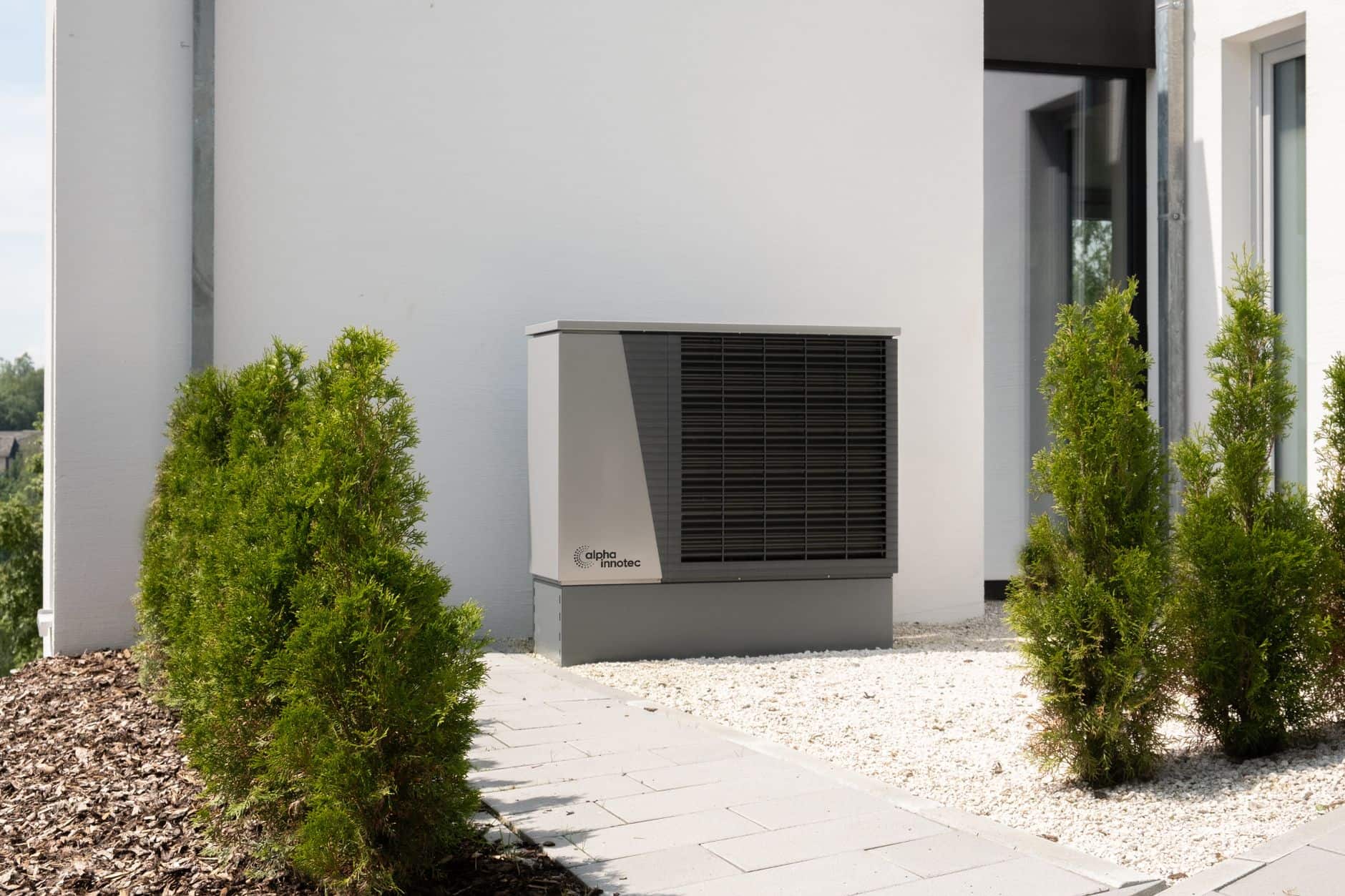
Germany Slashes Heat Pump Subsidy Caps
Germany will lower the maximum heat‑pump subsidy from €30,000 to €22,000 by 2030, while boosting the bonus for low‑income households to 40% and adding a “Made in Europe” requirement.

UK Frequency Rules Shift Battery Revenue
Ofgem approved six of eight rule changes to the UK’s Dynamic Response frequency services, with the first set effective from 31 July 2026, tightening availability proof and data‑submission requirements for battery storage.

Abu Dhabi Summit to Revive Israel-Jordan Water
Israel is weighing an Abu Dhabi‑hosted summit as a way to restart talks on the 1994 water‑sharing agreement with Jordan, a move that could ease chronic water stress in both countries.
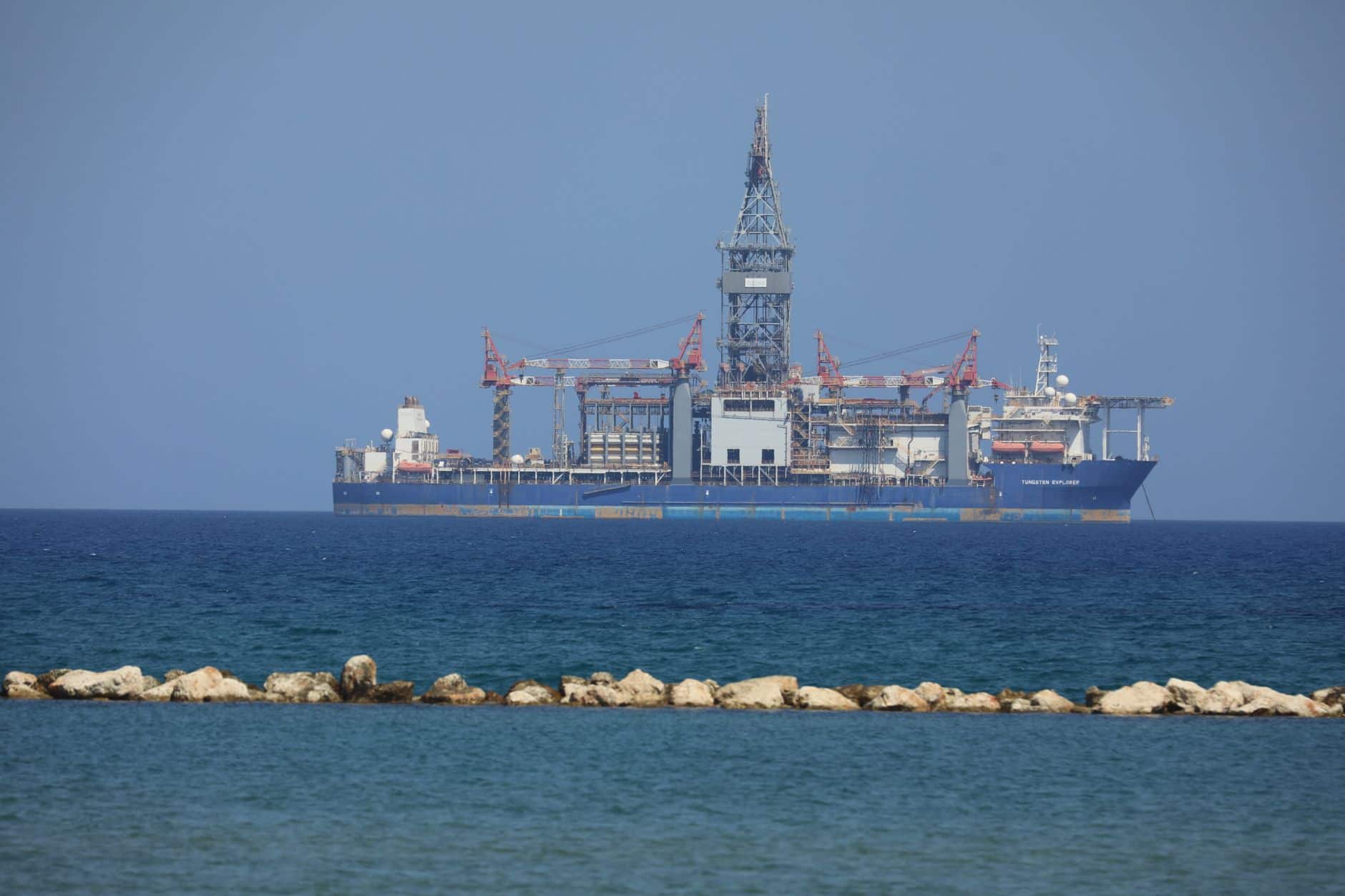
Israel Opens 5 New Offshore Gas Blocks
Israel opened five offshore blocks covering nearly 6,000 km² for natural‑gas exploration, a move that adds a modest gas supply to support the country’s solar‑PV expansion.
NJ Approves Plug‑In Solar Up to 1.2 kW
New Jersey became the tenth state to allow plug‑in solar panels up to 1.2 kW without permits, opening the door for instant rooftop power.