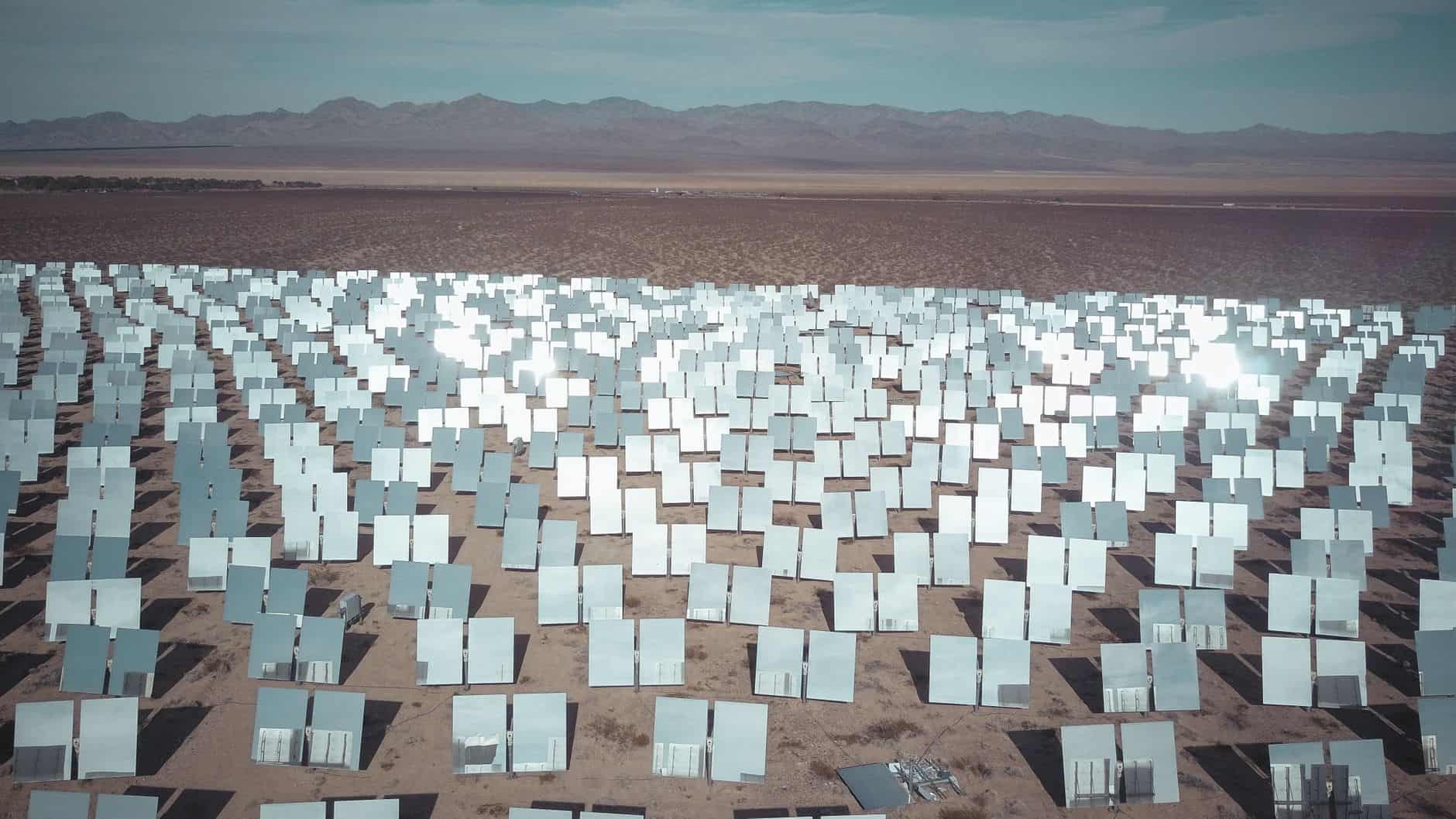
Enlight Raises $2.6B for Arizona Solar‑Storage
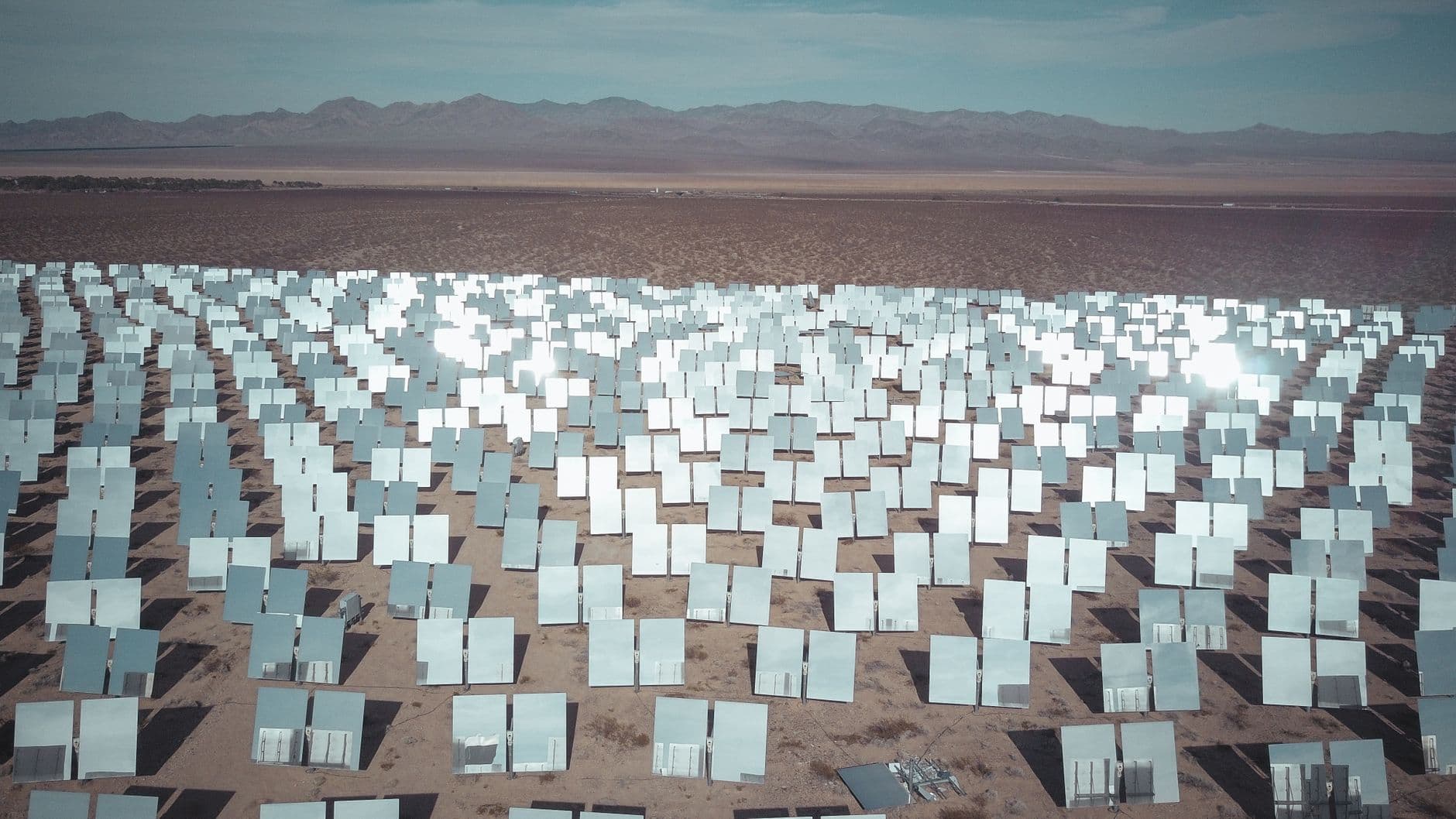
Enlight clinches $2.6 billion financing – the deal is sealed
Enlight Renewable Energy has secured a $2.6 billion financing package to build a 1.2 GW solar‑plus‑storage complex in Arizona. The agreement was announced in early February 2026 and represents one of the largest single debt raises for the Israeli IPP to date. The money comes from a consortium of seven international banks and tax‑equity partners, allowing construction to start this year.
Project scope: 1.2 GW of solar and 4 GWh of storage in five phases
The Arizona complex, dubbed the CO Bar project, will be rolled out in five phases, together delivering about 1.2 GW of photovoltaic capacity and 4 GWh of battery storage. When fully operational, the plant will provide a substantial amount of clean electricity and grid‑stabilising services through its lithium‑ion batteries, a model increasingly favoured in sun‑rich states like Arizona.
Financing details: seven global lenders and tax‑equity partners
According to the press release on GlobeNewswire, the debt tranche was arranged by a group of seven global lenders, complemented by tax‑equity partners. A separate tax‑equity partnership adds further equity to the financing structure. This approach mirrors the financing model used for Enlight’s earlier Snowflake A project in Arizona, which raised $1.44 billion in 2025.
Economic impact: $255 million first‑year revenue
Enlight projects $255 million of revenue in the first full year of operation, based on power purchase agreements with Arizona utilities. The project is expected to generate significant economic activity during construction and will contribute meaningfully to Arizona’s renewable‑energy goals.
How the Arizona megaproject compares to Israeli utility‑scale solar
Israeli utility‑scale solar farms are generally smaller in capacity than the Arizona venture, and most domestic projects are only beginning to incorporate storage. The Arizona deal illustrates how Israeli developers can leverage international capital markets to pursue much larger, storage‑enabled projects.
What it means for Israel: a benchmark for financing and ROI
For Israeli investors and homeowners, the $2.6 billion deal illustrates two take‑aways. First, large‑scale debt financing is now accessible to Israeli IPPs that can demonstrate stable cash flows from long‑term PPAs. Second, the economics of utility‑scale solar can be mirrored at the residential level using our typical Israeli figures: a 10 kWp rooftop system in the central region yields ~17,000 kWh/year, valued at ₪8,160 at the residential tariff of ₪0.48/kWh. With a turnkey cost of ₪3,150/kWp (≈₪31,500 total), the simple payback is about 3.9 years, well before the 25‑year system life ends. If Israeli developers can replicate the financing structure used by Enlight—mixing senior debt, tax equity, and PPAs—their projects could achieve similar payback periods while supporting the national goal of 30 % renewable electricity by 2030.
Outlook: scaling solar‑plus‑storage across borders
Enlight plans to commission the first phases of CO Bar in the coming years, with full capacity expected later in the decade. The success of this financing package could encourage other Israeli renewable firms to pursue comparable U.S. projects, especially in states with strong solar resources and supportive storage policies. For Israel, the lesson is clear: leveraging international capital markets and storage‑enabled solar can accelerate the transition to clean power while delivering attractive returns for investors and consumers alike.
Sources & further reading
FAQ
How large is the Arizona project that Enlight is building?
The CO Bar complex will total 1.2 GW of solar capacity and 4 GWh of battery storage, rolled out in five phases.
What is the total amount of financing Enlight received?
Enlight secured about **$2.6 billion** in debt financing, plus roughly $1 billion in tax‑equity partnerships.
When will the Arizona plant start generating power?
The first two phases are slated for commercial operation by late 2027, with the full 1.2 GW online by 2029.
How does this project affect Israeli solar investors?
It demonstrates that Israeli IPPs can tap global capital markets for large‑scale solar‑plus‑storage deals, which could translate into lower financing costs and faster payback for domestic projects.
What revenue does Enlight expect in the first year?
Enlight projects **$255 million** of revenue from PPAs in the first full year of operation.
Can Israeli homeowners benefit from this development?
Yes – using typical Israeli numbers, a 10 kWp rooftop system pays back in about 3.9 years, a timeline comparable to the returns expected from utility‑scale projects financed like Enlight’s.
Share this post
More from Markets
6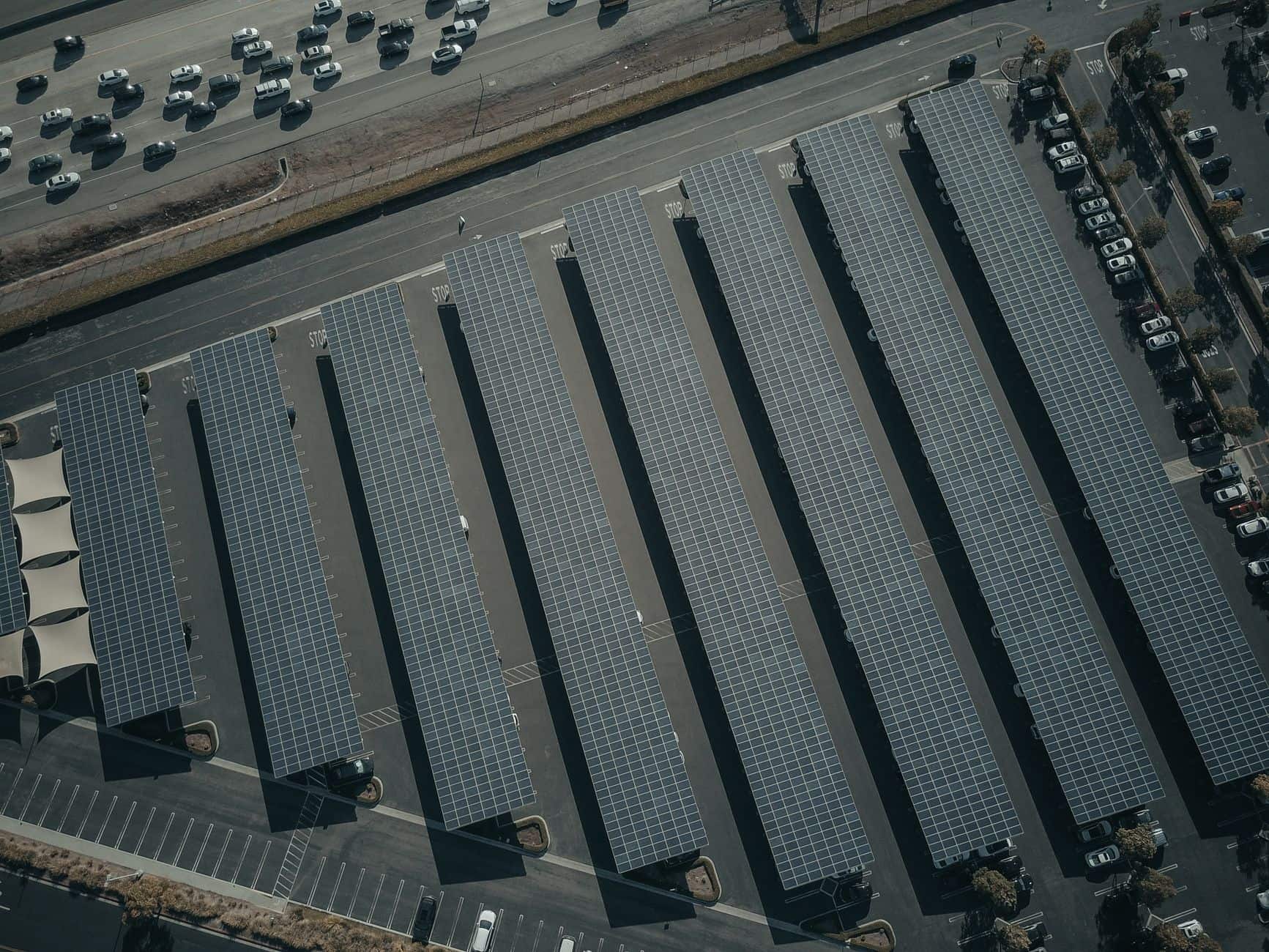
Corporate Solar PPAs Slip 10% as GHG Rules Loom
Corporate solar PPAs fell 10% in 2025 as the GHG Protocol’s draft scope‑2 revision pushes the industry toward hourly matching and battery storage, reshaping procurement and developer strategies.
Silver Prices Slip to $57/oz Amid Fed Hawkishness
Silver fell to about $57 per ounce, breaking the $70 support level as the Fed’s hawkish outlook lifted real yields and the dollar, while PV‑sector demand for silver is set to drop 19 % in 2026.
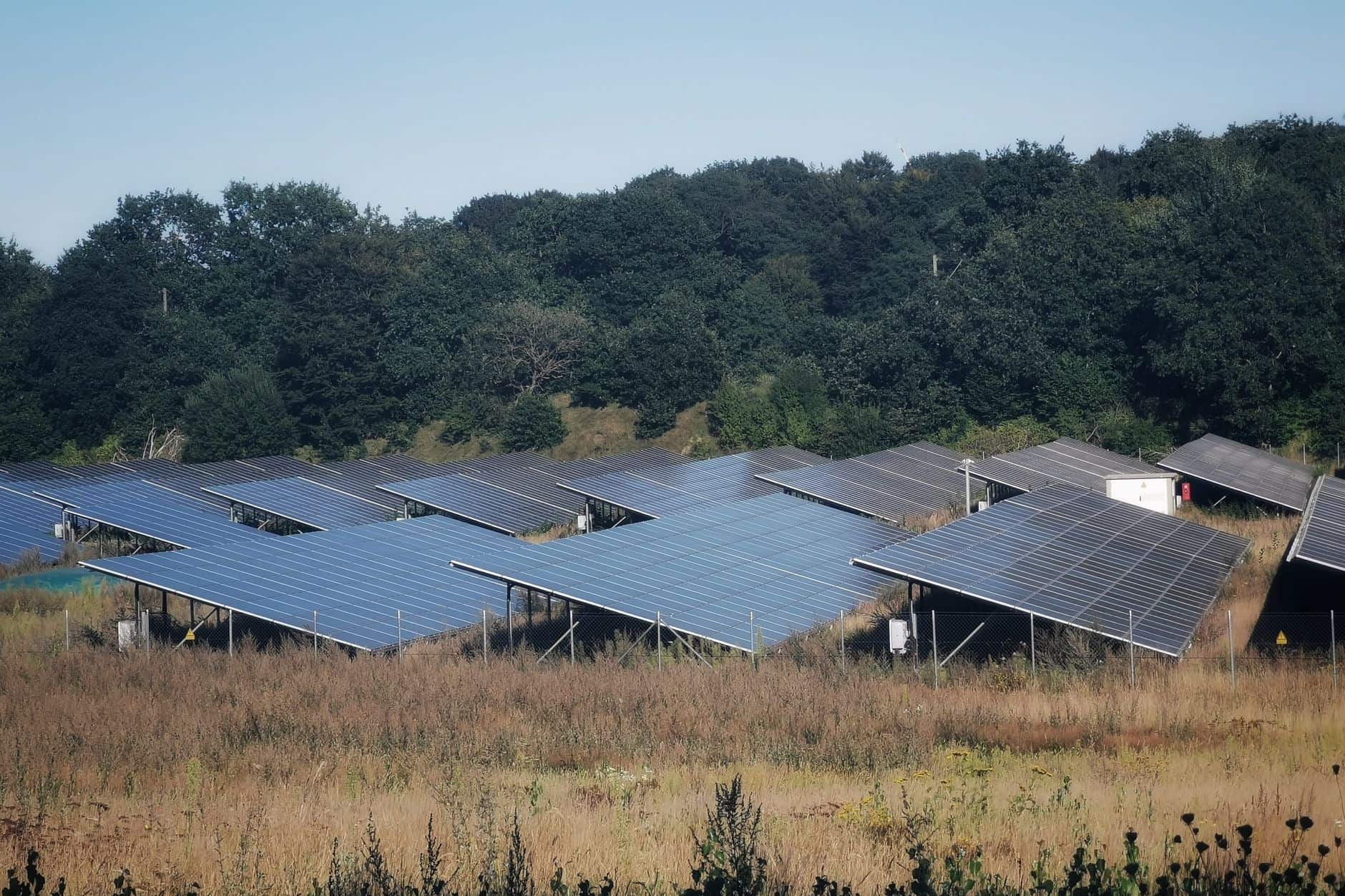
Romania Sets New Solar Record in 2026
Romania is set to install about 1.5 GW of solar power in the first five months of 2026, breaking its previous record and paving the way for Europe’s largest hybrid solar‑battery park.
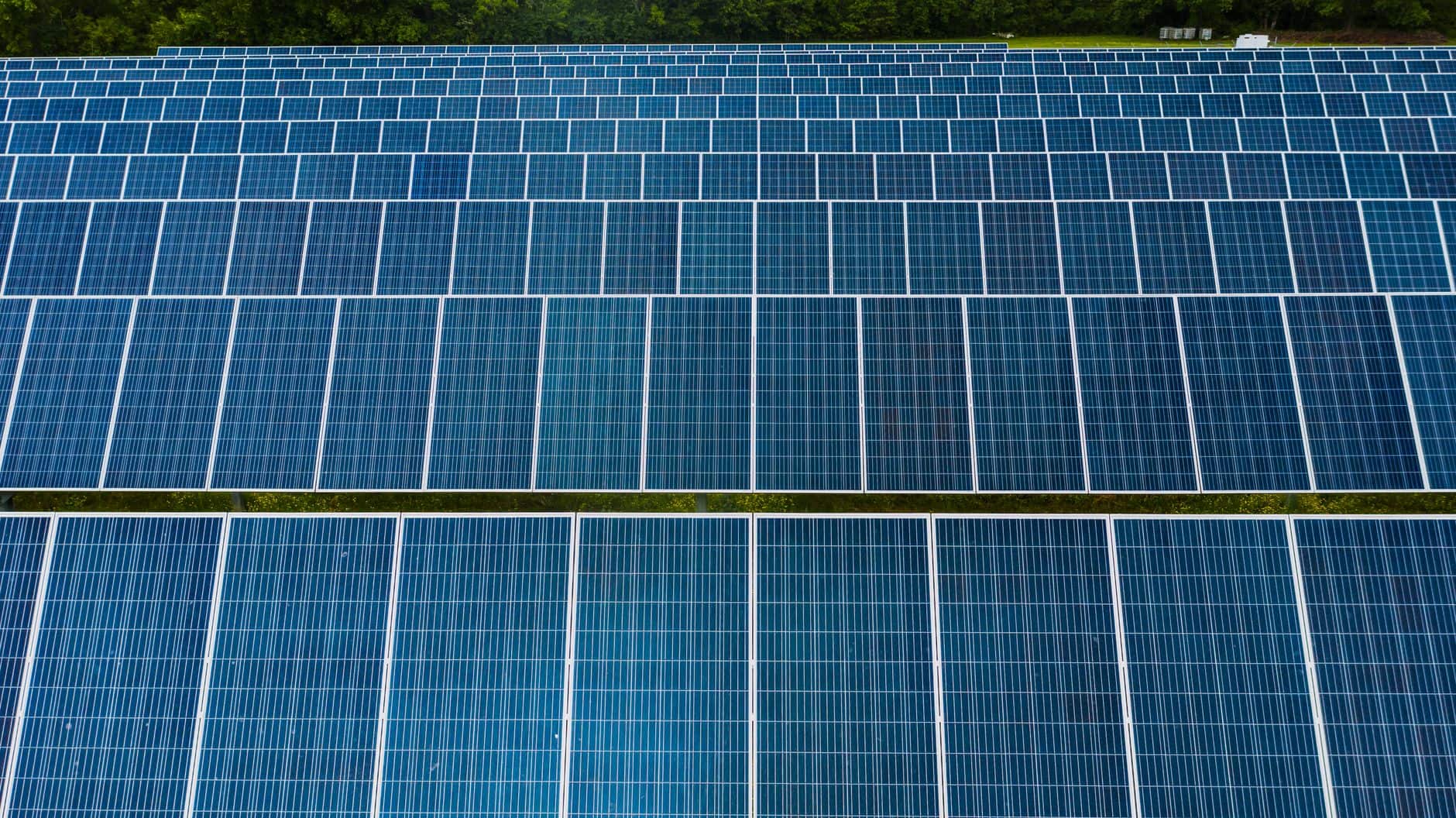
Global Solar Shipments Hold at 706 GW in 2025
Global PV module shipments held steady at 706 GW in 2025, with spot prices rebounding 9 % and silver use per watt dropping to about 10 mg.
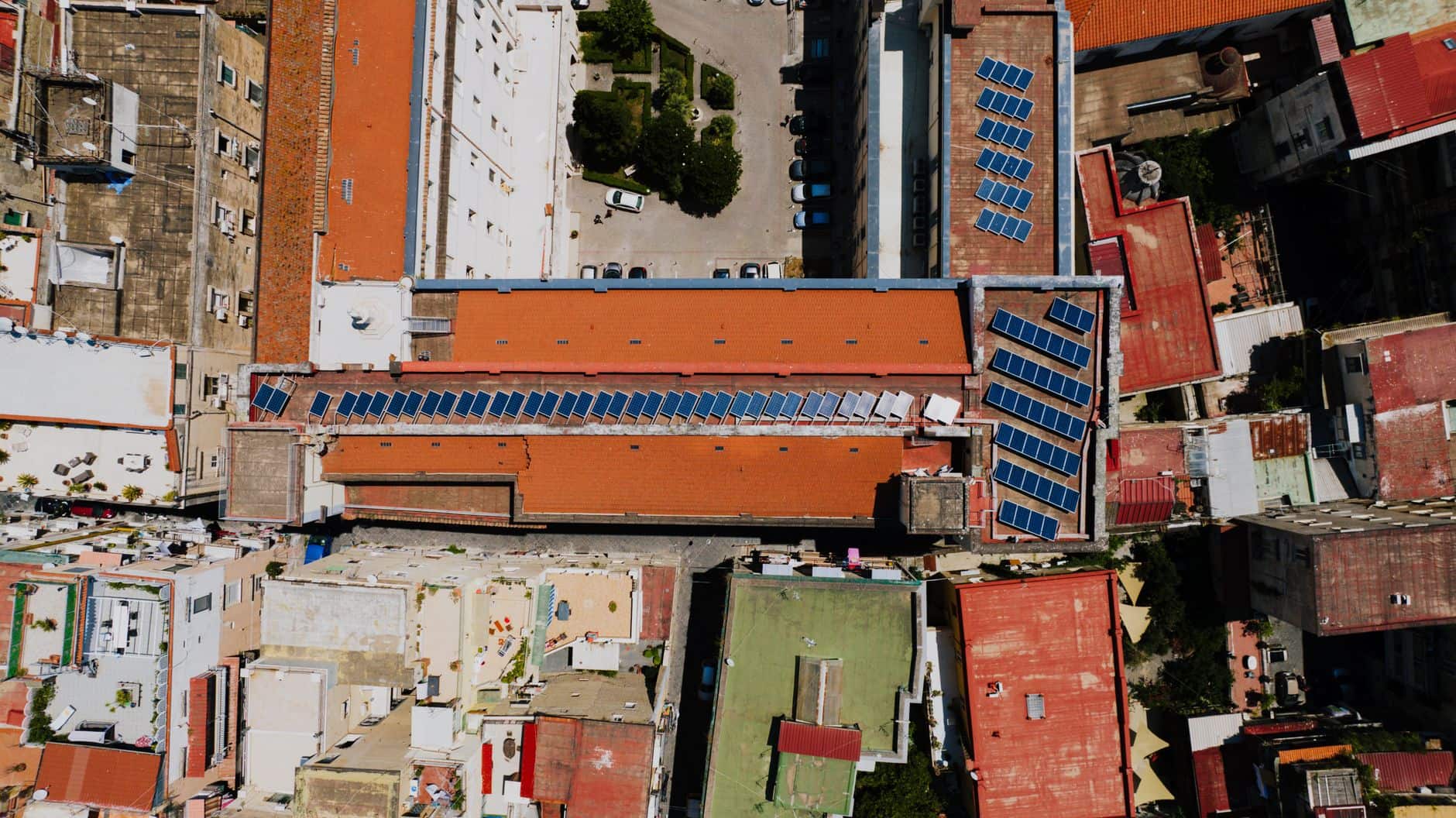
US Rooftop Solar Faces Tough Years Ahead
U.S. rooftop solar installations are expected to flatten or dip as incentives fade and net‑metering rules tighten, while Israel’s higher tariffs keep residential solar financially attractive.

Enlight launches solar data farms Israel, Canada
Enlight will build solar‑powered data farms on income‑producing real estate in Israel and Canada, merging rooftop PV with colocation space to meet the exploding demand for green computing.