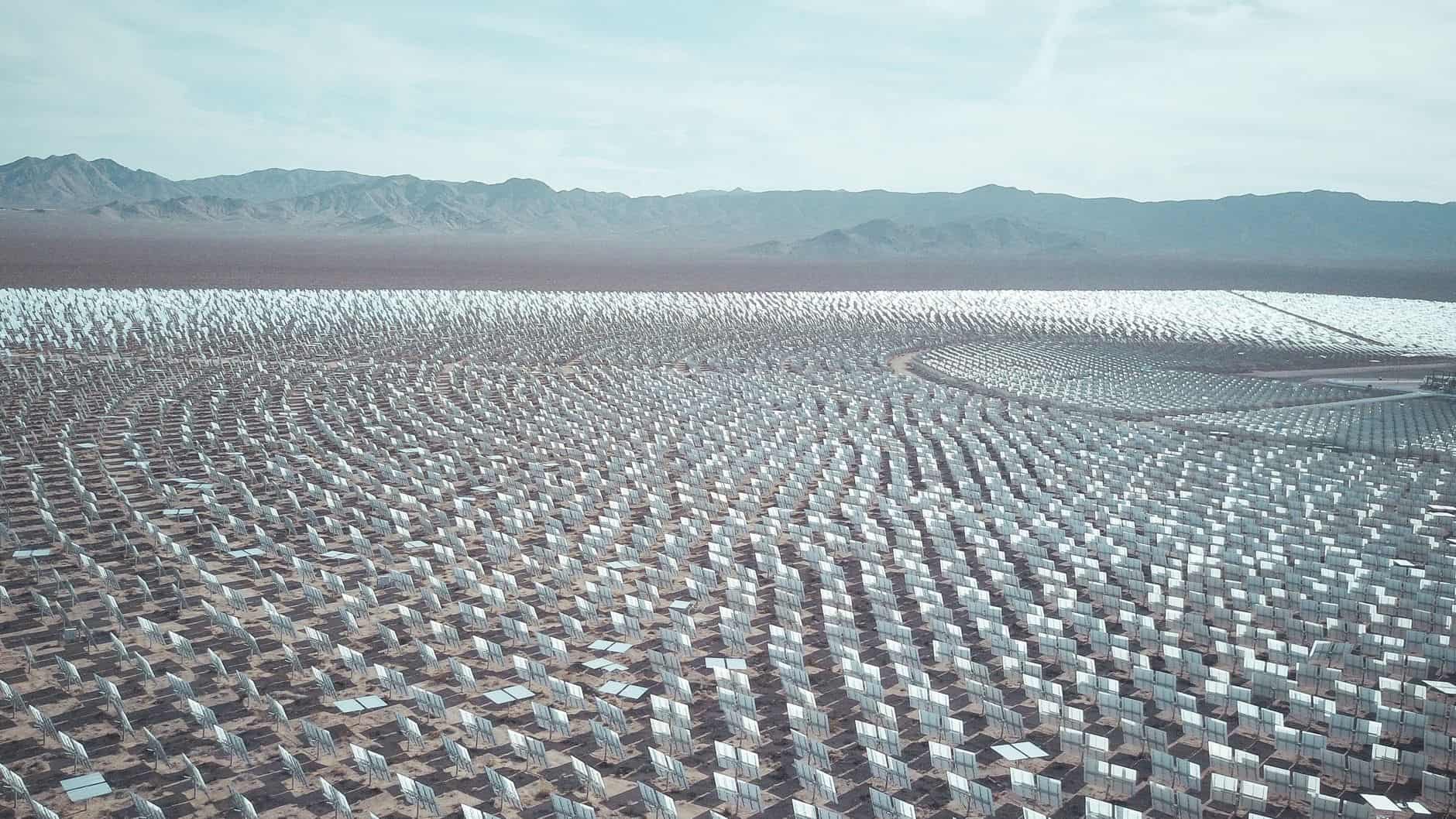
Solar Boom in the Negev Sends 15 M NIS to Residents
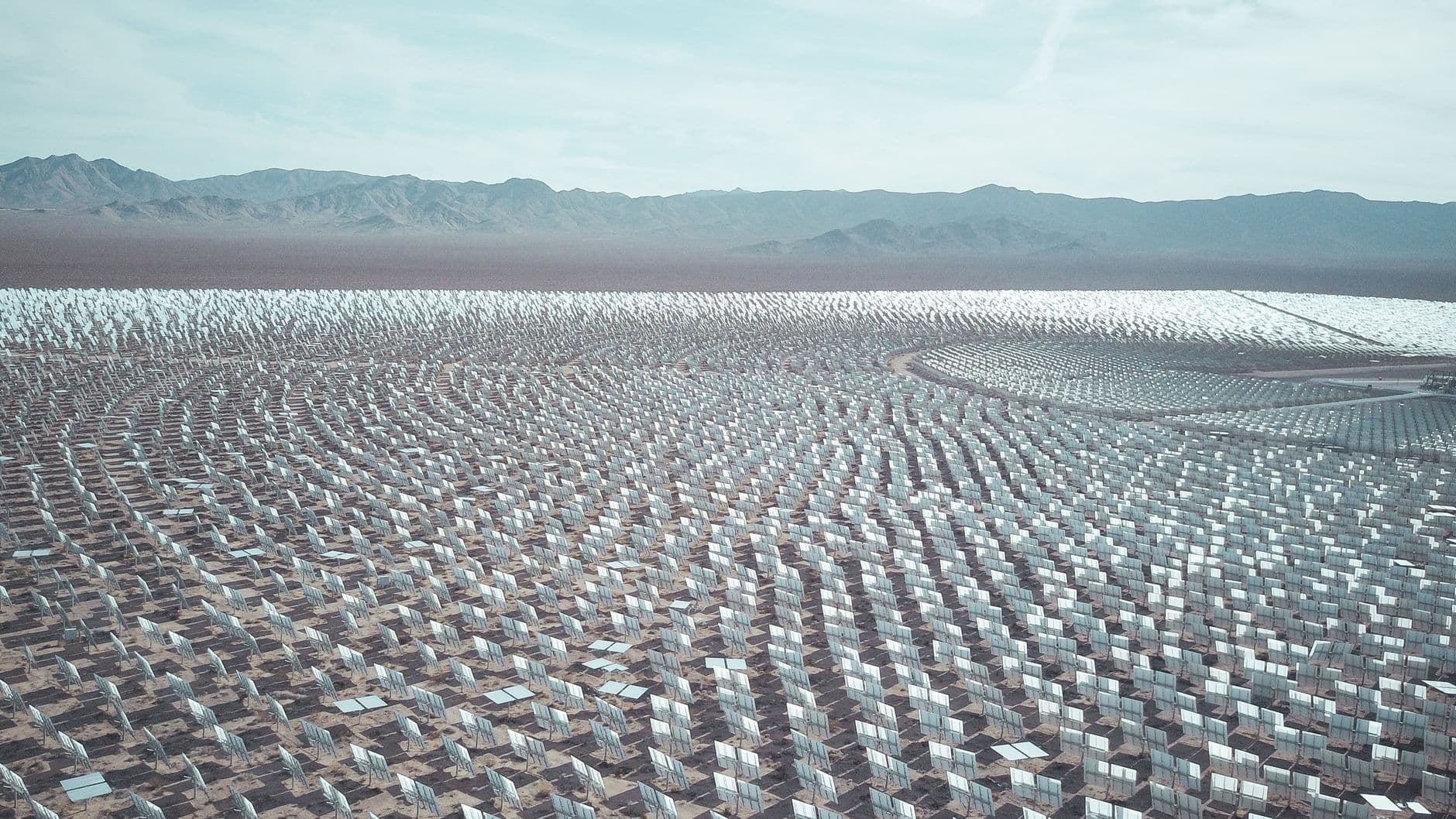
15 M NIS per year will flow back to Mitzpe Ramon residents
The head of the Mitzpe Ramon council announced that the solar farms surrounding the town will return about 15 million shekels each year to local households and businesses. The figure appears in a recent interview on Radio South and is presented as a community‑benefit payment linked to the farms’ electricity sales.
Mitzpe Ramon solar farm delivers ~5 MWp of clean power
Mitzpe Ramon’s flagship solar park is a ~5 MWp photovoltaic installation that has been online since 2014. The plant sits on desert ground in the Southern District and feeds electricity into the national grid, contributing to Israel’s renewable‑energy target. Details on capacity and commissioning are listed in the RenewAtlas database.
Financing and revenue: 70 M NIS invested, >90 M NIS annual revenue
In 2019 the Israeli investment group Clal signed financing agreements with the developer Enlight for NIS 70 million covering four solar projects, one of which is the Mitzpe Ramon farm. The same source reports that the combined farms generate over NIS 90 million in annual revenue. The council’s community‑return claim is presented as a share of that overall revenue.
Israel’s solar expansion accelerates: 900 MW added in 2024
Nationally, Israel added 900 MW of new PV capacity in 2024, most of it under merchant power‑purchase agreements. This surge pushes the country toward its 30 % renewable‑energy goal for 2030 and underscores the growing role of desert‑based farms like Mitzpe Ramon.
What it means for Israel: a typical 10 kW home can pay back in ~4 years
Using the representative Israeli figures (residential tariff ≈ ₪0.48 /kWh, install cost ≈ ₪3 150 /kWp, central‑region yield ≈ 1 700 kWh/kWp yr), a 10 kW rooftop system would produce about 17 000 kWh per year, worth ≈ ₪8 160 in avoided electricity purchases. At a ₪31 500 installation price, the simple payback period is ≈ 3.9 years, after which the homeowner enjoys essentially free power for the remainder of the 25‑year system life.
Outlook: more periphery projects and policy support
The Israeli Electricity Authority is reviewing tariff structures to keep large‑scale solar financially viable, while the Ministry of Energy continues to award tenders for desert‑scale farms (e.g., the recent 300 MW EDF award in the Negev). If the current growth trend holds, the Negev could host several gigawatts of PV by 2030, multiplying the fiscal returns to peripheral communities and helping Israel meet its 30 % renewable target.
What it means for Israel
Even a modest rooftop system can pay for itself in under four years, while a 5 MW desert farm can generate NIS 15 million annually for the surrounding town. The dual pathway—small‑scale self‑consumption and large‑scale community‑benefit payments—creates a powerful economic incentive for residents across the country to embrace solar.
Sources & further reading
FAQ
How much money will Mitzpe Ramon residents receive from the solar farms?
The council says the farms will return roughly 15 million shekels per year to households and businesses in the town.
What is the capacity of the Mitzpe Ramon solar park?
The park is a 5 MW‑peak photovoltaic installation that has been operating since 2014.
How much was invested in the solar projects that include Mitzpe Ramon?
Clal provided about 70 million NIS in financing for four solar farms, one of which is Mitzpe Ramon.
What is the typical payback time for a residential solar system in Israel?
A 10 kW rooftop system usually pays back in about 3.9 years based on a ₪0.48/kWh tariff and a ₪3 150/kWp install cost.
How much new solar capacity did Israel add in 2024?
Israel installed roughly 900 MW of new photovoltaic capacity in 2024.
Will more desert solar farms be built in the future?
Yes, government tenders and policy reviews aim to bring several gigawatts of desert solar online by 2030.
Share this post
More from Markets
6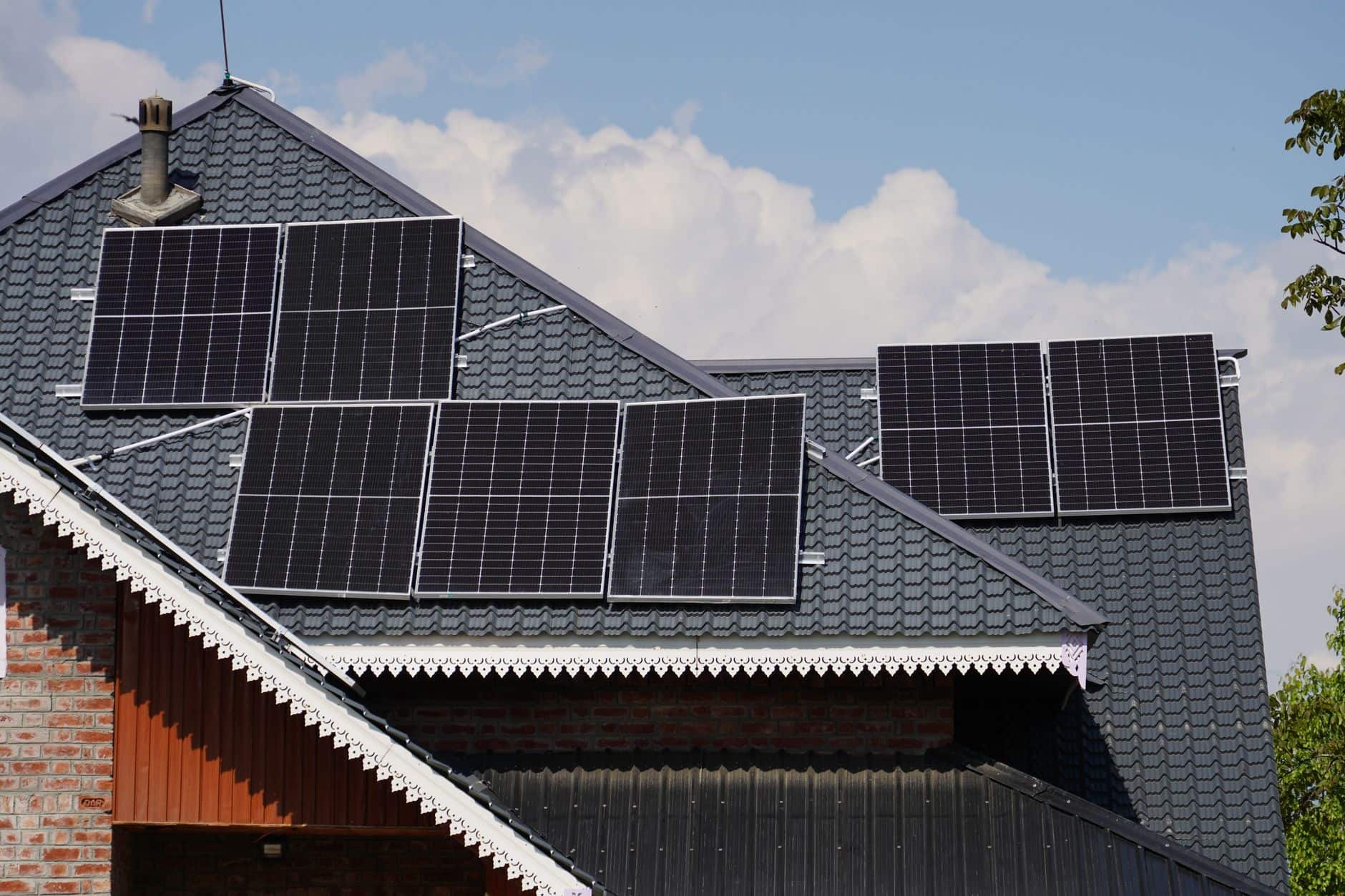
Europe's Solar Market Has No Clear Leader
The Solarmonitor study finds no single company dominates Europe’s residential solar market – the top three firms together hold only a modest share of the market.
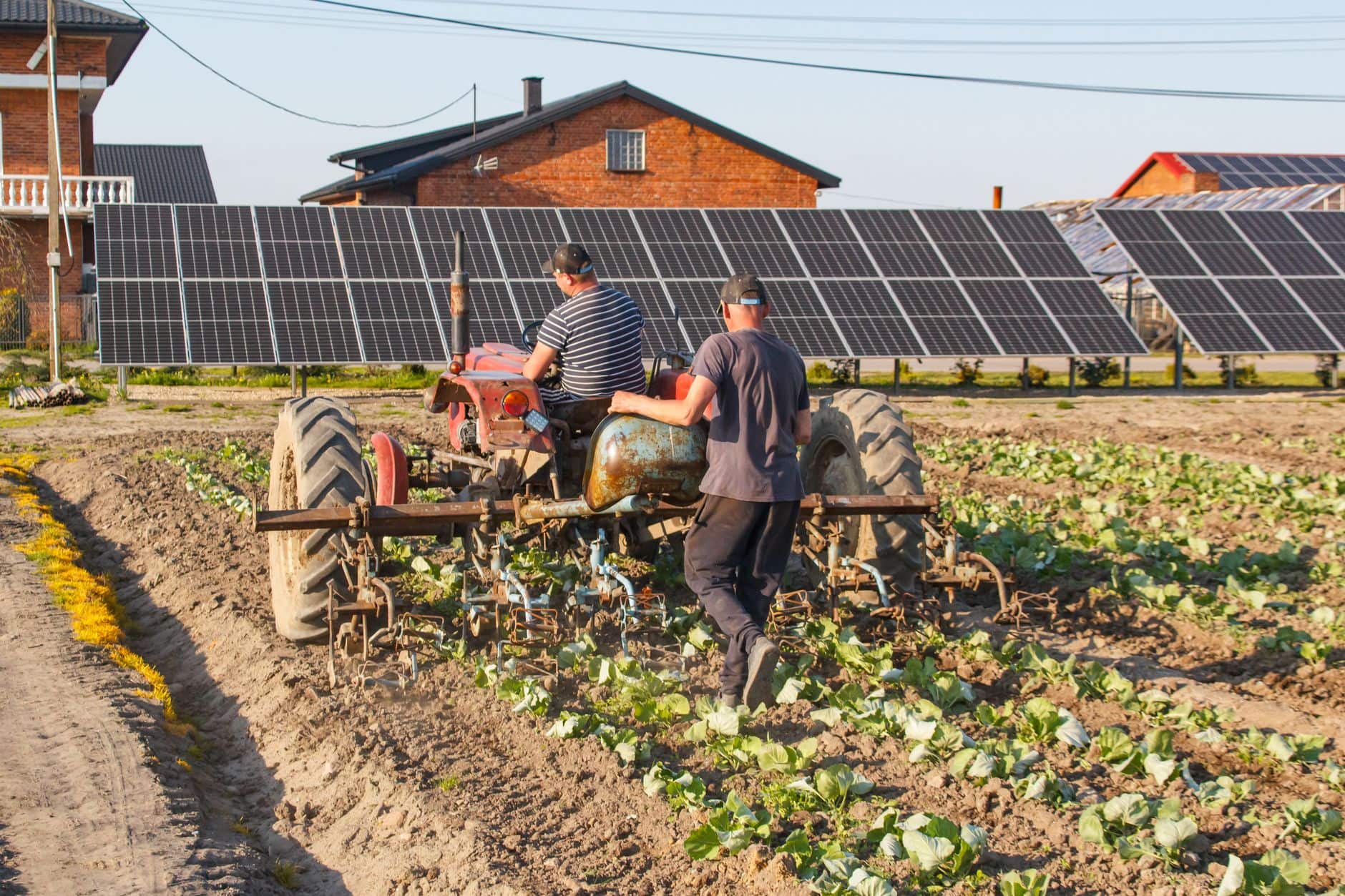
Israel's AI Agri Drive Aims at Philippines
Israel is showcasing AI‑driven farm tech to the Philippines, with eleven firms seeking deals that could modernise Filipino agriculture and boost Israel’s export market.
Documentation Gaps Threaten Solar Funding
Investors are refusing to fund sound solar projects because developers lack proper quality and end‑of‑life documentation, turning paperwork into the biggest financing risk.

Chile's Solar Boom Hits 12 GW
Chile’s solar PV capacity hit 12.2 GW in May 2026, making up about 61 % of its renewable fleet and supplying roughly a quarter of the nation’s electricity.

Diversity Powers Solar’s Global Surge
Diverse, locally‑savvy teams are accelerating solar’s global boom, with 511 GW added in 2025, while Israel can cut payback to under four years by embracing inclusion and regional expertise.
TCL Zhonghuan Adds 70 GW After Das Solar Deal
TCL Zhonghuan’s July acquisition of Das Solar adds 20 GW of TOPCon cells and 50 GW of modules, and the company will invest CNY 2.6 bn to convert 20 GW of cells and 25 GW of modules to back‑contact technology, while polysilicon and wafer prices keep falling.