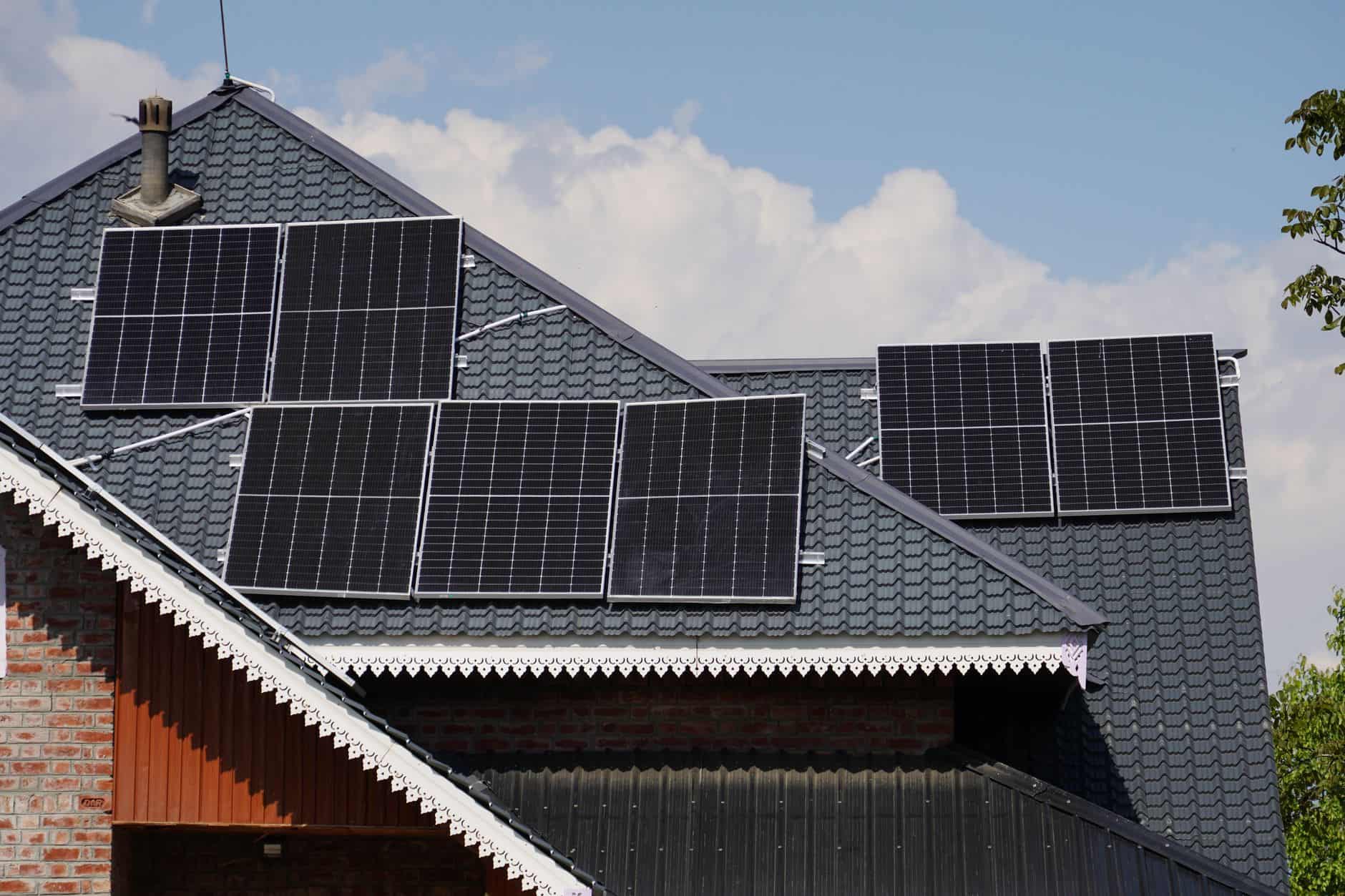
Europe's Solar Market Has No Clear Leader
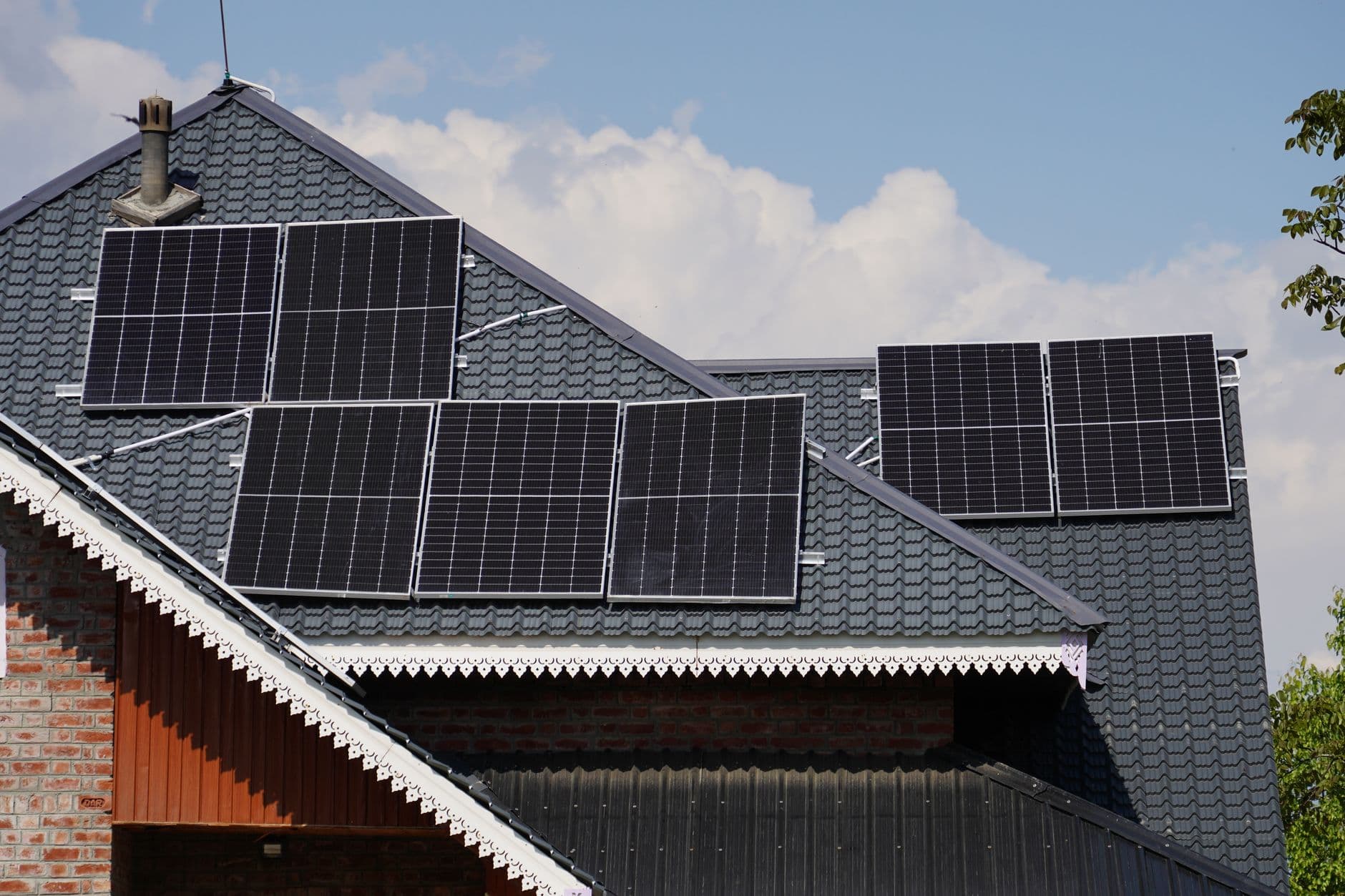
European B2C Solar Market Lacks a Dominant Player
The latest Solarmonitor study shows that no single company controls a decisive share of Europe’s residential photovoltaic (B2C) market – the top three players together hold only a modest share, and the leader, Enpal, caps at about 4%. This overturns the common perception that a handful of giants dominate rooftop solar across the continent.
Market Share Fragmentation Across the Continent
The report ranks Enpal, E.ON and 1Komma5° as the three biggest B2C providers, each holding only a modest share of the European market. EDF Solutions Solaires is the only non‑German firm breaking into the top four, also with a modest share. In Germany alone, the ten largest installers together account for only 14‑17% of residential installations in 2024, confirming a highly dispersed market structure.
Data Gaps and the Need for Estimates
A major obstacle to precise market sizing is the reluctance of companies to disclose segment‑specific sales. Many respondents either omitted data or outright declined to answer, forcing the researchers to rely on press releases, media reports and educated guesses. This lack of transparent reporting means the figures are best‑case approximations rather than exact counts.
Consolidation Moves and Strategic Partnerships
Even with a shrinking residential market – which has contracted significantly since the 2023 boom – firms are seeking growth through acquisitions and strategic investors. For example, Pemberton’s €150 million stake in German installer EKD in March 2025 illustrates how capital is being funneled into smaller players to boost scale. Enpal, meanwhile, has accelerated cooperation with local installers since 2025, a tactic that helps it reach customers without expanding its own sales force.
Why Local Presence Still Matters
Installation, planning and after‑sales service are inherently local‑intensive activities. Customers trust nearby installers, and regulations often require on‑site permits and grid connections. This locality advantage keeps many regional brands viable, preventing any single multinational from sweeping the market.
What It Means for Israel
Israel’s rooftop solar market mirrors Europe’s fragmentation: a handful of local installers dominate city‑by‑city, but no national champion holds a large share. Using the typical Israeli figures (₪0.48/kWh residential tariff, ₪3 150/kWp installation cost, 1 700 kWh/kWp annual yield in the central region), a 10 kWp home system would generate about 17 000 kWh per year, worth roughly ₪8 160 annually. At a total cost of ₪31 500, the simple payback is just under 4 years, after which the system continues to produce clean energy for the remainder of its 25‑year life. This ROI calculation shows that, even without a dominant supplier, homeowners can achieve fast payback and long‑term savings – a compelling argument for expanding residential solar adoption in Israel. For more detailed modelling, visit our solar ROI calculator and explore the latest market data [/data].
Frequently Asked Questions
- Q: Which company is the biggest residential solar installer in Europe? A: Enpal leads the European B2C market but holds no more than a 4% share.
- Q: How much of the German B2C market do the top ten installers control? A: Around 14‑17% combined, based on 2024 data.
- Q: Why is it hard to get exact market numbers? A: Many firms do not disclose segment‑specific sales, forcing analysts to rely on estimates and secondary sources.
- Q: Are there any consolidation trends? A: Yes, investors are buying smaller installers (e.g., Pemberton’s stake in EKD) and larger players are partnering with local installers to broaden reach.
- Q: Does the fragmented market affect pricing for consumers? A: Competition among many small players can keep prices competitive, but limited scale may also restrict bulk‑discount opportunities.
- Q: How does this European trend relate to Israel? A: Israel also has a fragmented installer landscape, yet the economics of a typical 10 kWp home system still deliver a sub‑4‑year payback, making rooftop solar attractive despite the lack of a dominant national player.
Key Facts
- Enpal holds up to about 4% of Europe’s residential solar market, while other leading providers hold modest shares.
- The ten biggest German installers together cover only 14‑17% of the B2C market.
- Data gaps forced the Solarmonitor study to rely on estimates for many companies.
- Pemberton invested €150 million in German installer EKD in March 2025.
- A typical 10 kWp home system in central Israel pays back in about 3.9 years.
FAQ
Which company leads the European residential solar market?
Enpal is the market leader but its share is no more than about 4%.
What share do the top ten German installers hold?
Together they account for roughly 14‑17% of Germany’s B2C solar installations.
Why are market figures uncertain?
Many providers refuse to share segment‑specific data, so analysts must use estimates and secondary sources.
Is there consolidation in the sector?
Yes, investors like Pemberton are buying smaller installers and larger firms are teaming up with local installers.
How does this affect Israeli homeowners?
Even with a fragmented installer market, a typical 10 kWp system in Israel pays back in about 3.9 years and yields long‑term savings.
Share this post
More from Markets
6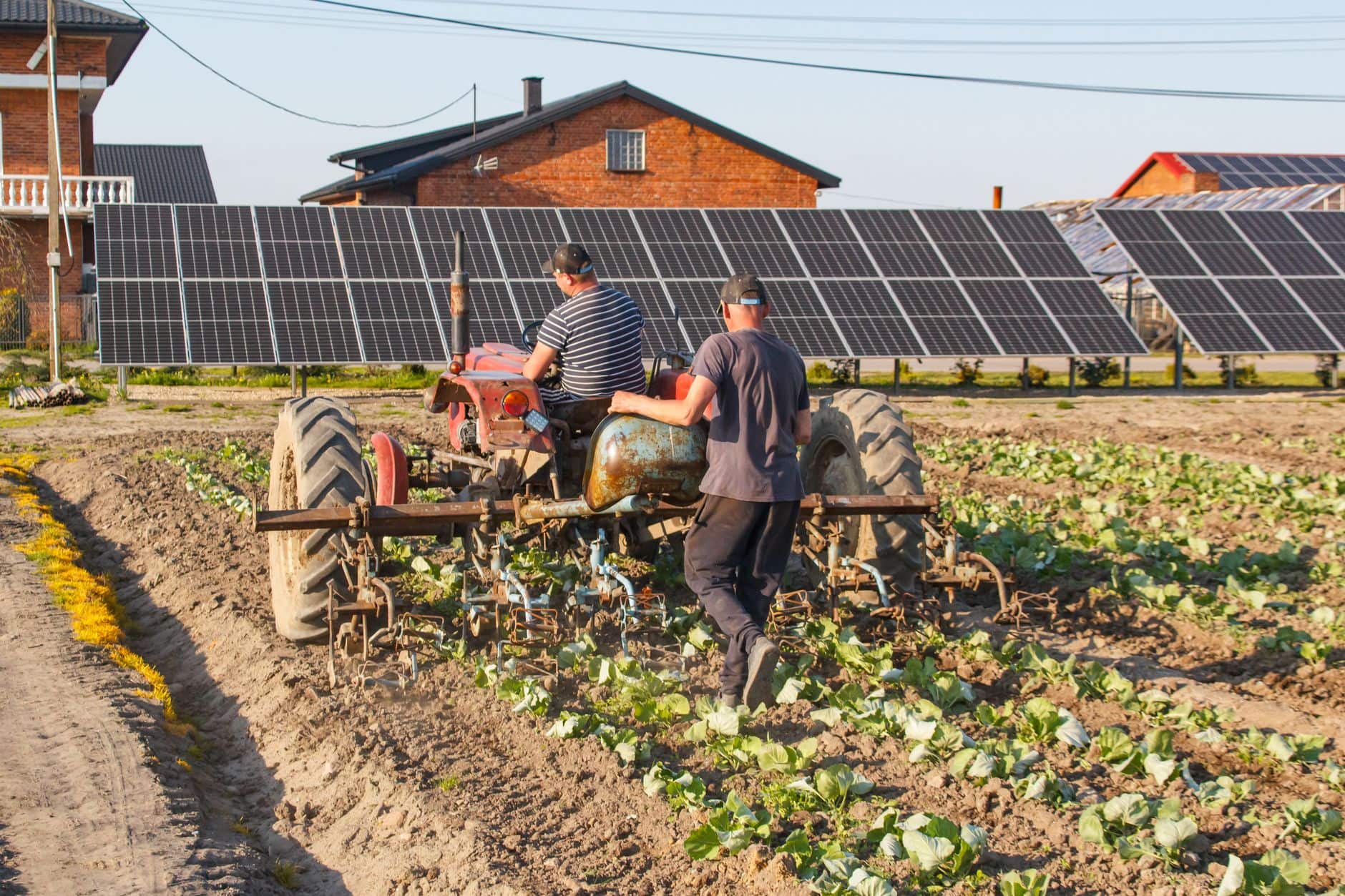
Israel's AI Agri Drive Aims at Philippines
Israel is showcasing AI‑driven farm tech to the Philippines, with eleven firms seeking deals that could modernise Filipino agriculture and boost Israel’s export market.
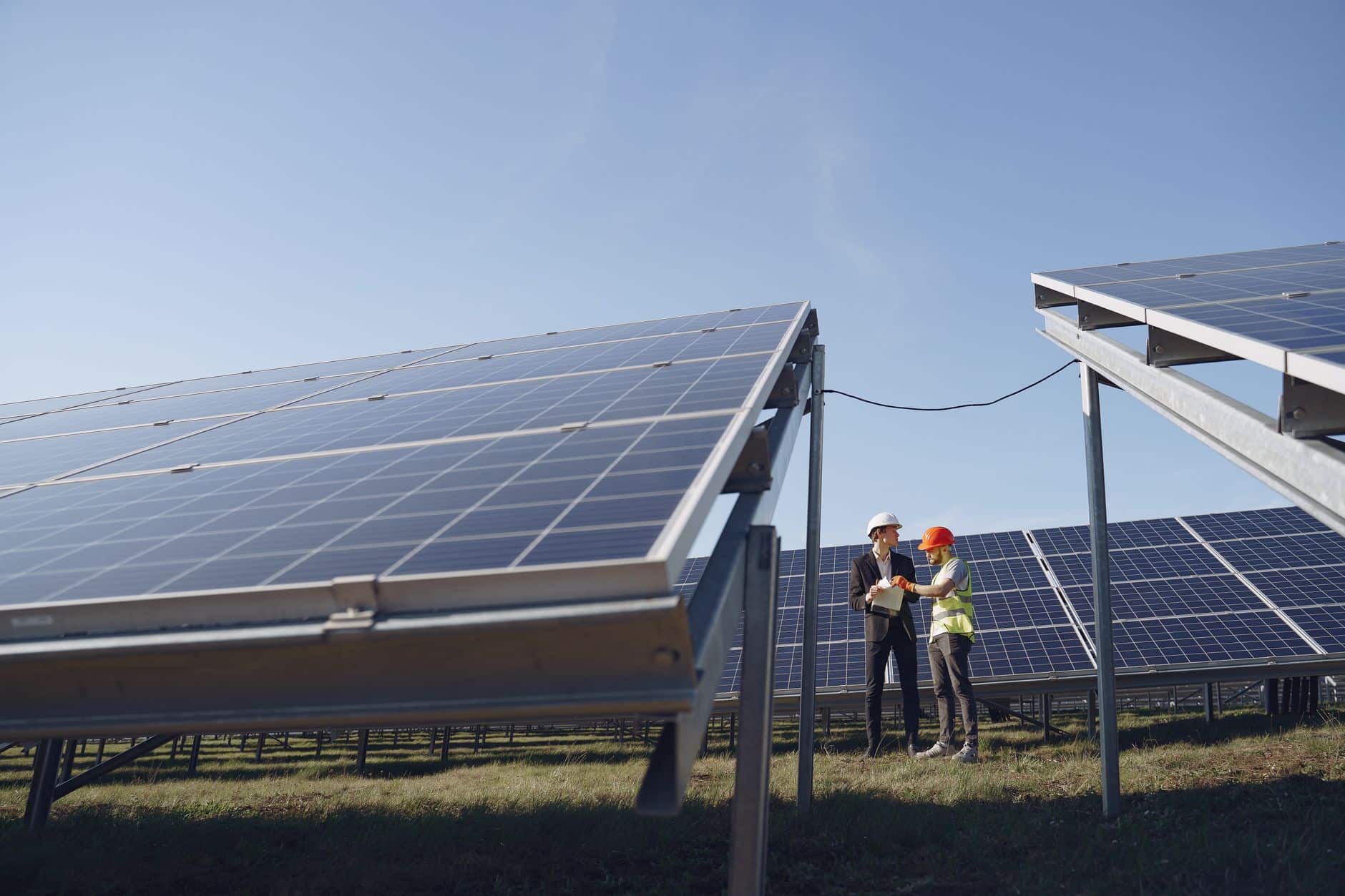
Documentation Gaps Threaten Solar Funding
Investors are refusing to fund sound solar projects because developers lack proper quality and end‑of‑life documentation, turning paperwork into the biggest financing risk.

Chile's Solar Boom Hits 12 GW
Chile’s solar PV capacity hit 12.2 GW in May 2026, making up about 61 % of its renewable fleet and supplying roughly a quarter of the nation’s electricity.

Diversity Powers Solar’s Global Surge
Diverse, locally‑savvy teams are accelerating solar’s global boom, with 511 GW added in 2025, while Israel can cut payback to under four years by embracing inclusion and regional expertise.
TCL Zhonghuan Adds 70 GW After Das Solar Deal
TCL Zhonghuan’s July acquisition of Das Solar adds 20 GW of TOPCon cells and 50 GW of modules, and the company will invest CNY 2.6 bn to convert 20 GW of cells and 25 GW of modules to back‑contact technology, while polysilicon and wafer prices keep falling.
China Solar Module Prices Drop on Weak Europe
Chinese TOPCon module prices held at $0.113/W while forward contracts slipped modestly, as weaker European demand and the end of export‑tax rebates curb buying urgency.