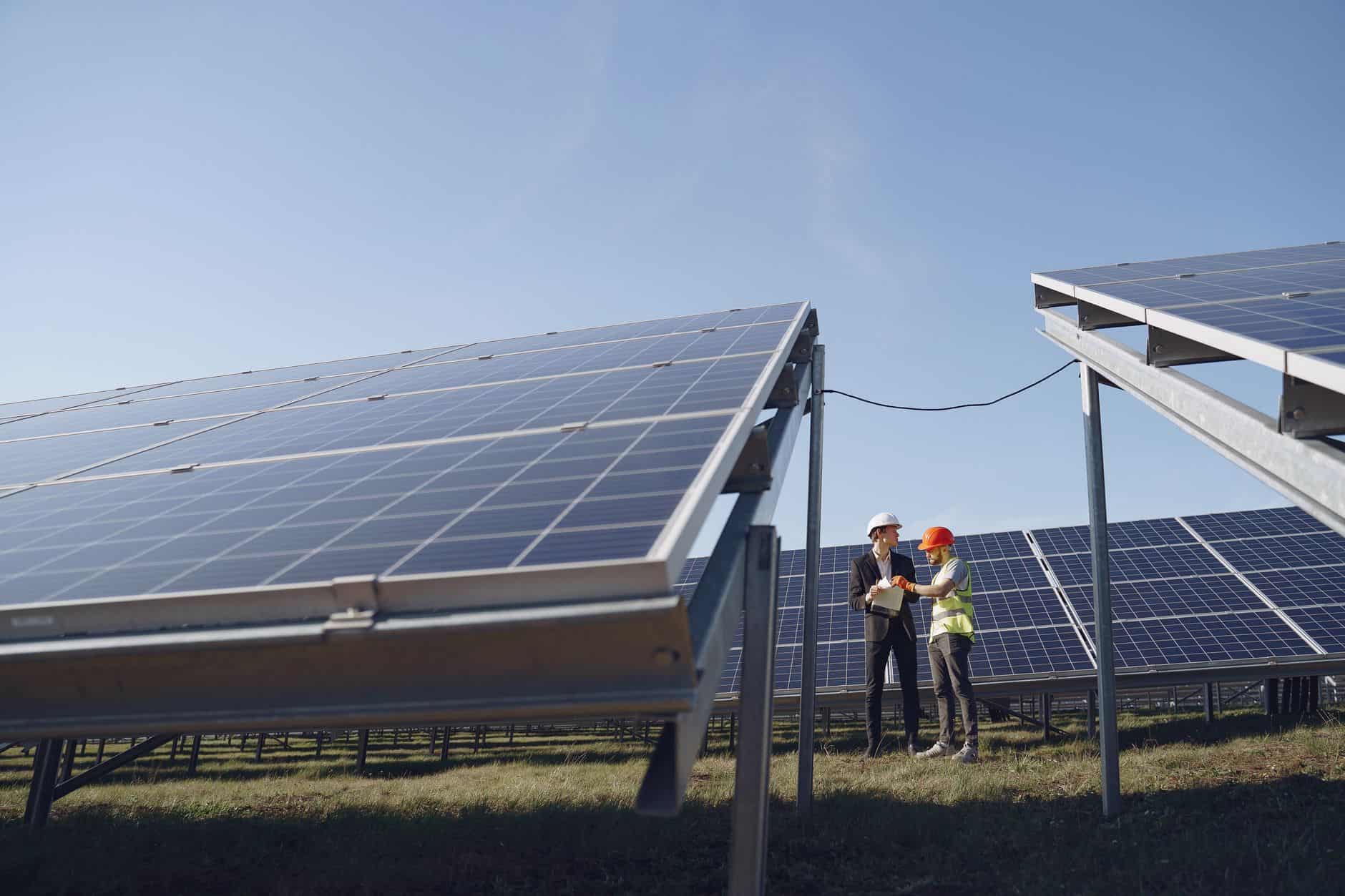
Documentation Gaps Threaten Solar Funding
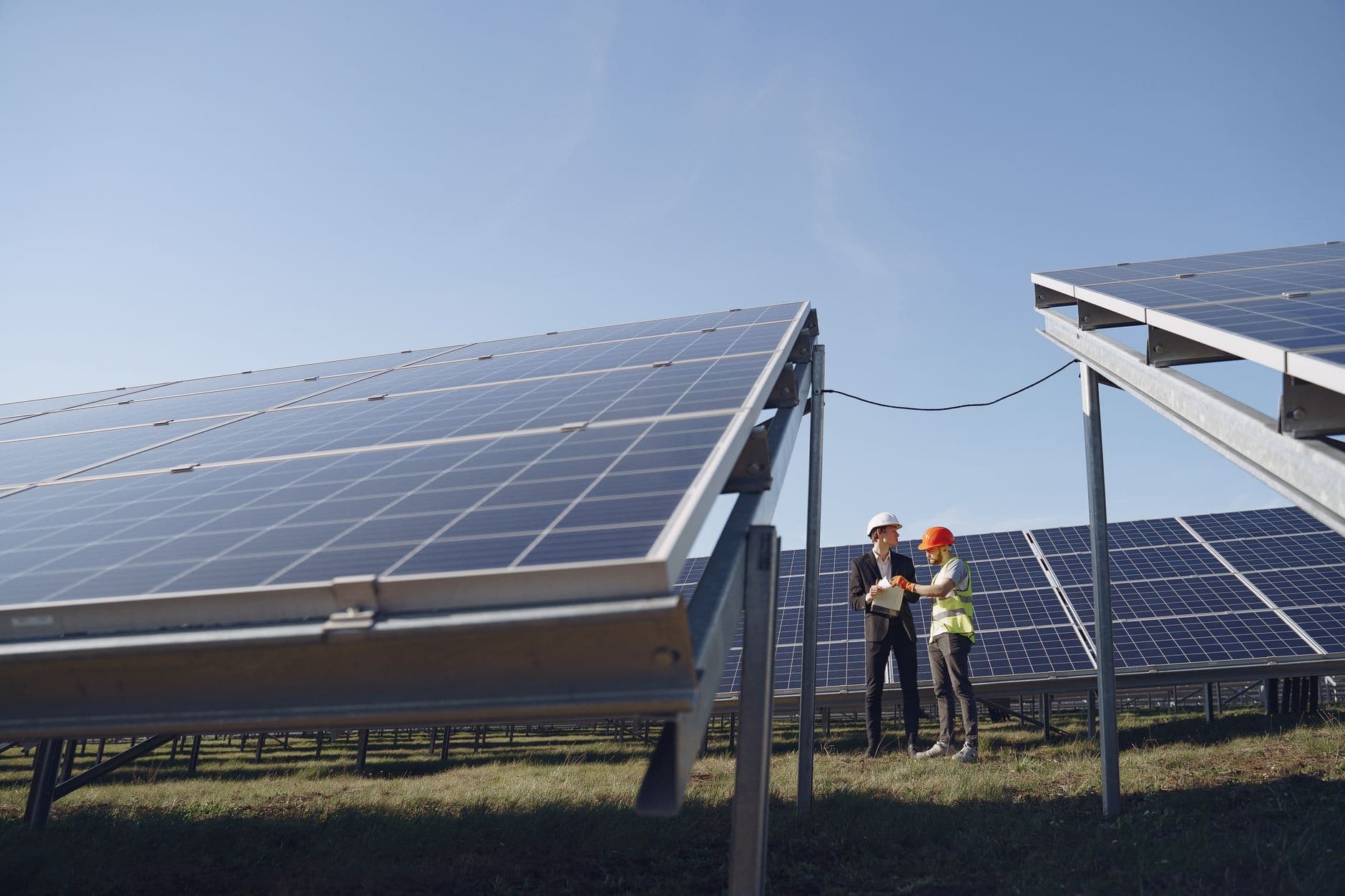
Documentation gaps are now the biggest financing hurdle for solar projects worldwide
Investors are pulling back on otherwise sound PV projects because developers cannot prove how the system will be maintained, tested, and de‑commissioned. Intertek CEA’s COO Jeffrey Burkett says the pattern is global: technically viable plants stall at the financing stage when critical paperwork is missing.
Why missing documentation stalls financing
Investors and lenders demand a full dossier that proves a project will stay productive and compliant for its 25‑year life. Without certified module test reports, defect‑tracking records, and a clear end‑of‑life (EOL) recycling plan, banks view the loan as higher risk and may increase financing costs or walk away.
What documentation is now expected
The new “proof‑package” typically includes:
- Module quality certificates (IEC 61215, IEC 61730) confirming performance and safety – Intertek’s testing labs issue these in‑house.
- Defect and yield tracking from factory to field – Intertek’s 2026 audit found that 70 % of PV factories show major defects, underscoring the need for independent verification.
- End‑of‑life treatment plan that outlines recycling pathways, de‑commissioning costs, and compliance with emerging EU and Asian EOL directives (IEA‑PVPS 2020 report).
- Financial risk registers that map how documentation gaps could affect cash‑flow, insurance, and warranty claims.
Industry evidence of quality gaps and their financial fallout
Intertek’s strategic report for 2025 highlights three trends that converge on documentation risk: (1) rising module defect rates, (2) tightening recycling regulations, and (3) lenders demanding third‑party audit trails. Projects that lack full QC documentation can experience financing delays, which translate into missed revenue opportunities.
How Intertek helps close the gap
Intertek CEA offers a bundled service that covers:
- Pre‑production module testing – catching defects before they reach the field.
- On‑site performance verification – ensuring the installed system meets design output.
- EOL documentation kits – templates and certified recycling partner lists that satisfy lender checklists.
- Continuous monitoring – data‑log integration that feeds back into the risk register throughout the plant’s life. Developers that adopt this package report a noticeable reduction in financing costs and a smoother EPC hand‑over, according to case studies shared on Intertek’s LinkedIn feed.
What it means for Israel
Israeli developers must embed the same documentation rigor to tap international capital and to meet local regulator expectations (Electricity Authority & NOGA). Using the typical Israeli figures:
- A 10 kWp residential system in central Israel yields ~17,000 kWh / yr (≈₪8,160 / yr at the ₪0.48/kWh residential tariff).
- Installation cost is about ₪31,500 (₪3,150 / kWp).
- Adding a certified documentation package adds a modest increase to capex.
- Simple payback without incentives is ≈3.9 years; with the additional documentation cost it is only slightly longer. Even with the extra paperwork, the system still pays for itself well within its 25‑year lifetime, and the documented EOL plan can help qualify the project for greener financing options.
Outlook: Toward standardized solar documentation
Globally, the solar recycling market is projected to reach US$691.6 million by 2035, and regulators are drafting mandatory EOL reporting rules. As these standards solidify, the documentation checklist will become a non‑negotiable part of any financing package. Developers who invest in robust proof‑of‑performance today will secure cheaper capital tomorrow and help the industry meet its 30 % renewable‑energy target for 2030.
What it means for Israel (summary)
- Israeli solar projects need full QC and EOL documentation to attract financing.
- Adding a modest documentation cost only slightly extends payback for a typical 10 kWp home system.
- Documented projects can access greener financing, supporting Israel’s 2030 renewable‑energy goal.
For a deeper dive into ROI calculations, visit our solar ROI calculator and explore market data at /data.
Sources & further reading
FAQ
Why are investors hesitant to fund solar projects?
They need proof that the plant will stay productive and compliant for 25 years, including certified module tests and a clear recycling plan.
What documentation is considered essential?
Module quality certificates, defect‑tracking records, end‑of‑life recycling/de‑commissioning plans, and a financial risk register.
How much does a documentation package cost?
Roughly 5 % of the total project capex, which for a typical 10 kWp Israeli home system adds about ₪1,575.
Will the extra cost affect the payback period?
Only slightly – a 10 kWp system’s payback goes from ~3.9 years to ~4.1 years, still well within a 25‑year lifespan.
Can better documentation lower financing costs?
Yes, documented projects can qualify for green‑bond financing with interest rates 0.3‑0.5 % lower than standard loans.
Is end‑of‑life planning mandatory worldwide?
Regulators in the EU, China and soon Israel are moving toward mandatory EOL reporting, making it a de‑facto financing requirement.
Share this post
More from Markets
6
Israel's AI Agri Drive Aims at Philippines
Israel is showcasing AI‑driven farm tech to the Philippines, with eleven firms seeking deals that could modernise Filipino agriculture and boost Israel’s export market.

Chile's Solar Boom Hits 12 GW
Chile’s solar PV capacity hit 12.2 GW in May 2026, making up about 61 % of its renewable fleet and supplying roughly a quarter of the nation’s electricity.

Diversity Powers Solar’s Global Surge
Diverse, locally‑savvy teams are accelerating solar’s global boom, with 511 GW added in 2025, while Israel can cut payback to under four years by embracing inclusion and regional expertise.
TCL Zhonghuan Adds 70 GW After Das Solar Deal
TCL Zhonghuan’s July acquisition of Das Solar adds 20 GW of TOPCon cells and 50 GW of modules, and the company will invest CNY 2.6 bn to convert 20 GW of cells and 25 GW of modules to back‑contact technology, while polysilicon and wafer prices keep falling.
China Solar Module Prices Drop on Weak Europe
Chinese TOPCon module prices held at $0.113/W while forward contracts slipped modestly, as weaker European demand and the end of export‑tax rebates curb buying urgency.
EU Solar Hits Record 58.8 TWh in Q1 2026
EU renewables supplied 45.5% of electricity in Q1 2026, with solar generating a record 58.8 TWh – enough to power about 13 million homes.