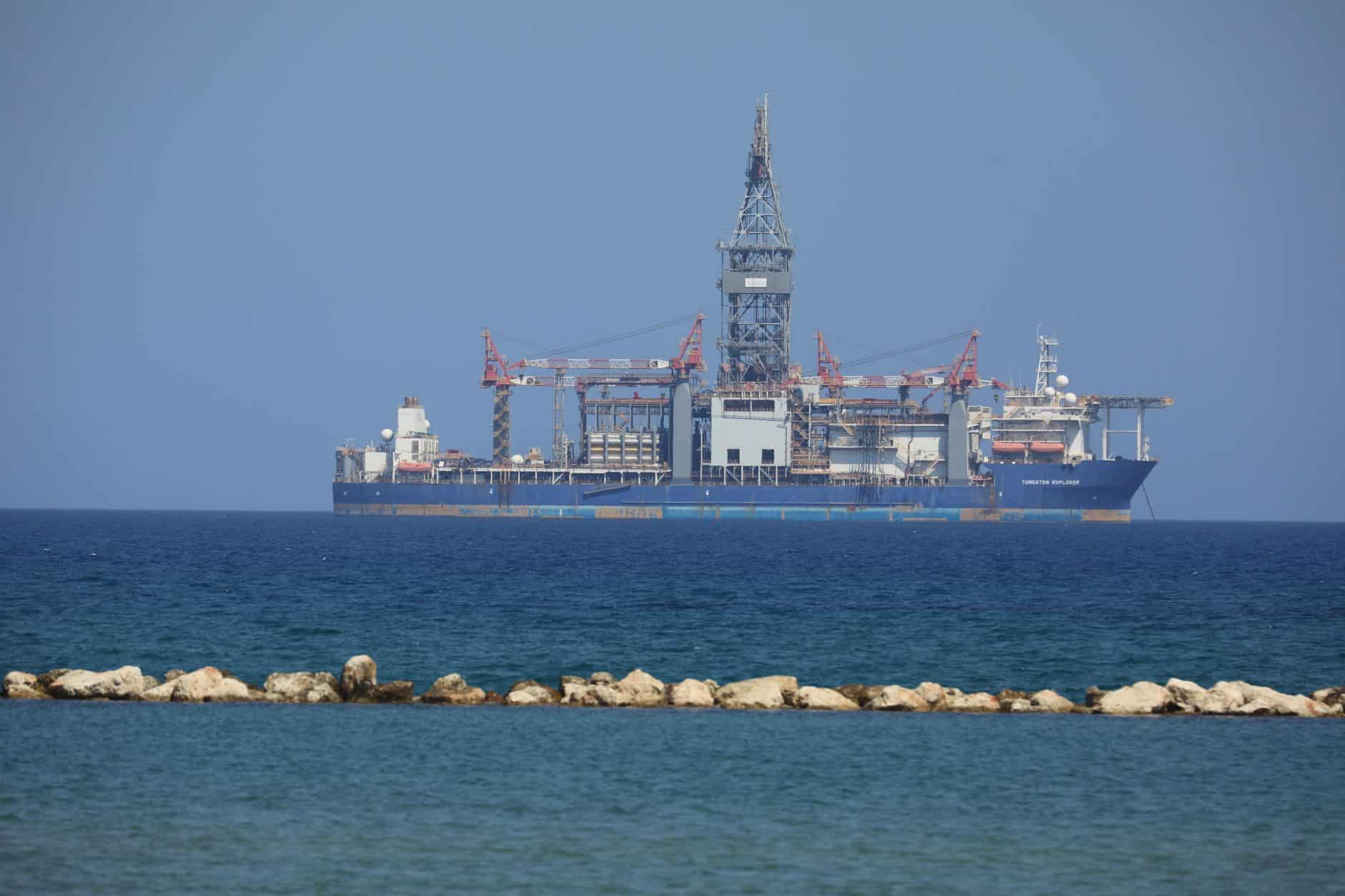
Israel Opens 5 New Offshore Gas Blocks
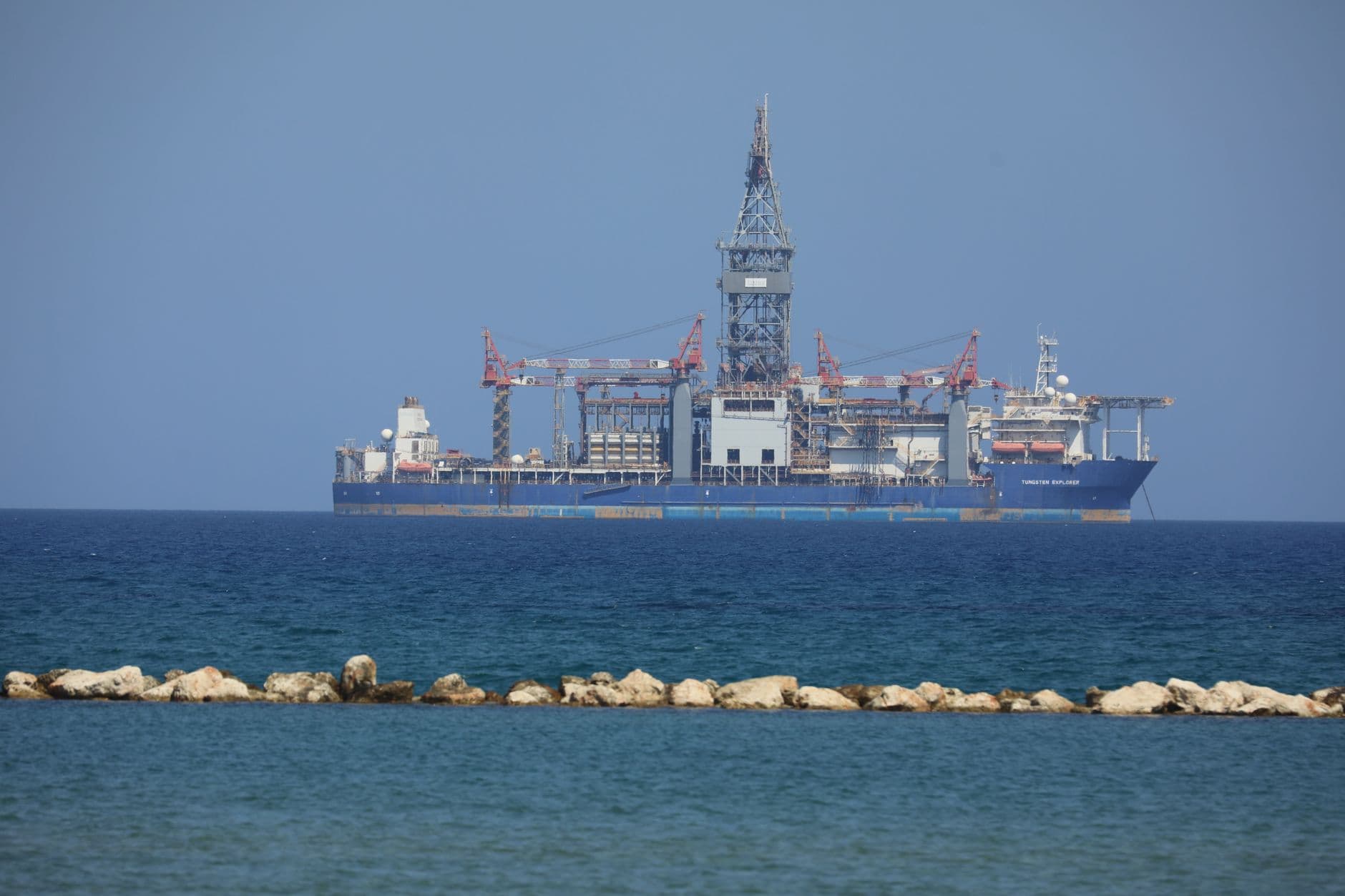
Israel Opens Five New Offshore Gas Blocks – Key Fact
Israel’s Energy Ministry announced that five offshore blocks in the Mediterranean have been opened for natural‑gas exploration, marking the latest step in the country’s push to expand domestic hydrocarbon production.
The Blocks Cover Nearly 6,000 km² of the Mediterranean Sea
The five licences together span about 5,888 km² of offshore area, roughly the size of Israel’s land area, and are located along the central and northern coast where previous fields such as Leviathan and Karish have been developed.
Who Is Competing for the Licences?
Four consortia have submitted bids, including major players BP, Azerbaijan’s SOCAR, and Israeli‑based NewMed Energy. In 2023 the Ministry awarded exploration licences to BP, SOCAR and NewMed for two of the blocks, while the remaining three are still in the tender phase.
Expected Gas Volumes and Strategic Value
While the exact reserves are still unknown, the Ministry expects the new blocks to hold a substantial amount of gas, which would further strengthen Israel’s energy security and provide additional leverage in regional gas markets.
Development Timeline – From Seismic Survey to Production
The offshore‑gas development process in Israel typically takes several years, moving from seismic surveys to exploratory drilling, appraisal, field‑development planning and finally construction of production facilities. If the exploratory wells prove commercial, production could commence in the coming years, following the usual industry timeline.
What It Means for Israel’s Energy Mix and Solar Future
The new gas supply will act as a baseload complement to Israel’s growing solar‑PV fleet. Because natural‑gas‑fired plants can ramp up quickly, they help balance the intermittency of rooftop solar, allowing the grid to absorb more solar generation without curtailment. In practice, a typical 10 kWp home solar system in central Israel produces about 17,000 kWh per year, worth roughly ₪8,160 at the residential tariff of ₪0.48 /kWh.
Why Solar Still Needs Policy Support
Even with more gas, Israel’s renewable‑energy target of 30 % by 2030 (20 % by 2025) requires continued solar deployment. Gas can keep wholesale electricity prices stable, which preserves the economic case for rooftop solar that relies on the feed‑in tariff of ₪0.48 /kWh. Without a stable baseload, solar’s intermittency would force higher backup costs, eroding its return on investment.
What It Means for Israel – Bottom‑Line Takeaway
The five new offshore blocks promise a modest boost to domestic gas production, reinforcing energy security and providing a flexible partner for the nation’s expanding solar‑PV sector. In the short term, the licences generate bidding activity and potential royalties; in the medium term, they create a reliable baseload that can smooth the integration of more rooftop solar, helping Israel stay on track for its 2030 renewable‑energy goals.
Key Takeaways
- Five offshore blocks covering ~5,888 km² were opened for gas exploration in 2023.
- BP, SOCAR and NewMed are the main bidders; two licences were already awarded.
- Expected reserves could add a notable amount of gas to Israel’s offshore portfolio.
- A typical 10 kWp home system yields ~₪8,200 per year at the residential tariff.
- Gas provides a flexible baseload, enabling higher solar‑PV penetration while keeping electricity prices stable.
Sources & further reading
FAQ
Which companies are bidding for the new offshore gas blocks?
The main bidders are BP, Azerbaijan’s SOCAR and Israeli firm NewMed Energy, with licences already awarded to BP, SOCAR and NewMed for two of the five blocks.
How large is the area covered by the new blocks?
Together the five licences cover about 5,888 km² of the Mediterranean Sea, roughly the same area as Israel’s land territory.
When could gas from these blocks start flowing?
If exploratory wells prove commercial, production could begin as early as 2028, following the typical 5‑7‑year development cycle for offshore fields in Israel.
Will the new gas affect solar‑panel prices in Israel?
The additional gas provides a flexible baseload that helps keep wholesale electricity prices stable, which in turn preserves the economic case for rooftop solar that relies on the current residential tariff of ₪0.48/kWh.
How many homes could a typical solar system power?
A 10 kWp home system in central Israel produces about 17,000 kWh per year – enough to cover roughly 30 % of an average Israeli household’s electricity use.
What is Israel’s renewable‑energy target?
Israel aims for 20 % renewable electricity by 2025 and 30 % by 2030, according to the Energy Ministry.
Share this post
More from Policy
6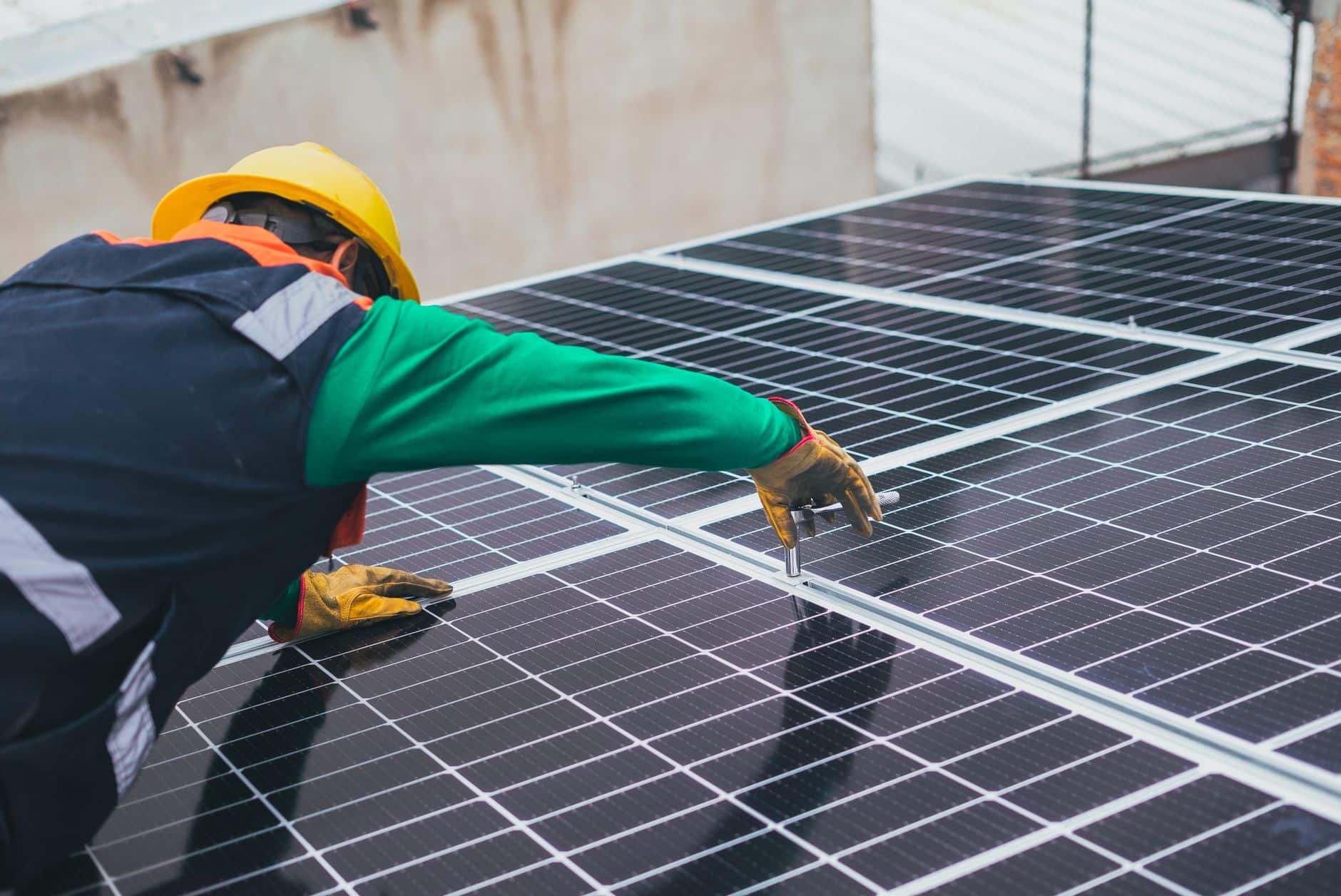
NJ Approves Plug‑In Solar Up to 1.2 kW
New Jersey became the tenth state to allow plug‑in solar panels up to 1.2 kW without permits, opening the door for instant rooftop power.
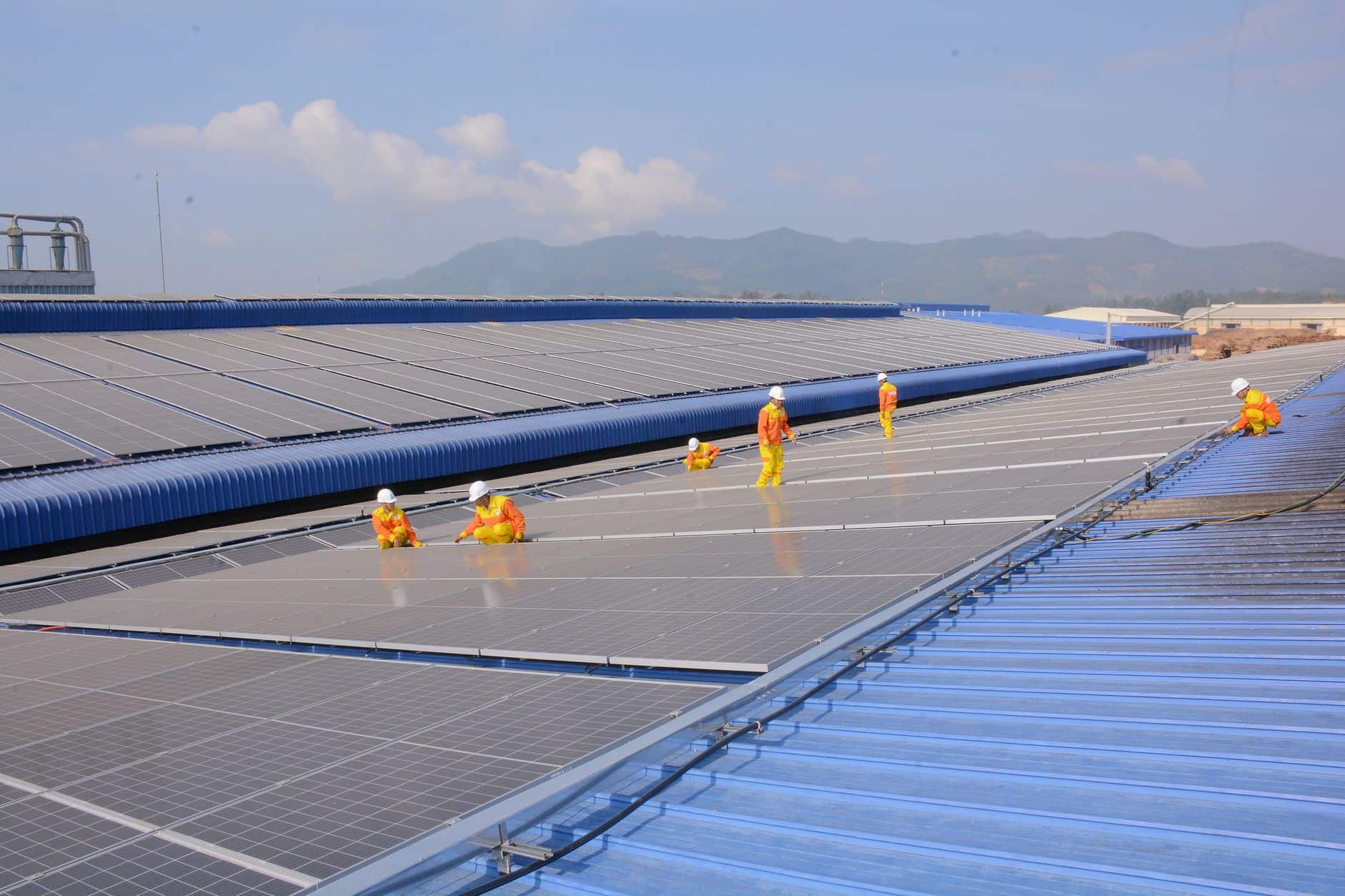
China's PV Standards Target Overcapacity
China’s new mandatory PV standards, effective Jan 1 2027, set energy‑use caps and minimum efficiency grades for polysilicon, silicon wafers, modules and inverters, aiming to curb overcapacity and push the industry toward higher‑efficiency products.
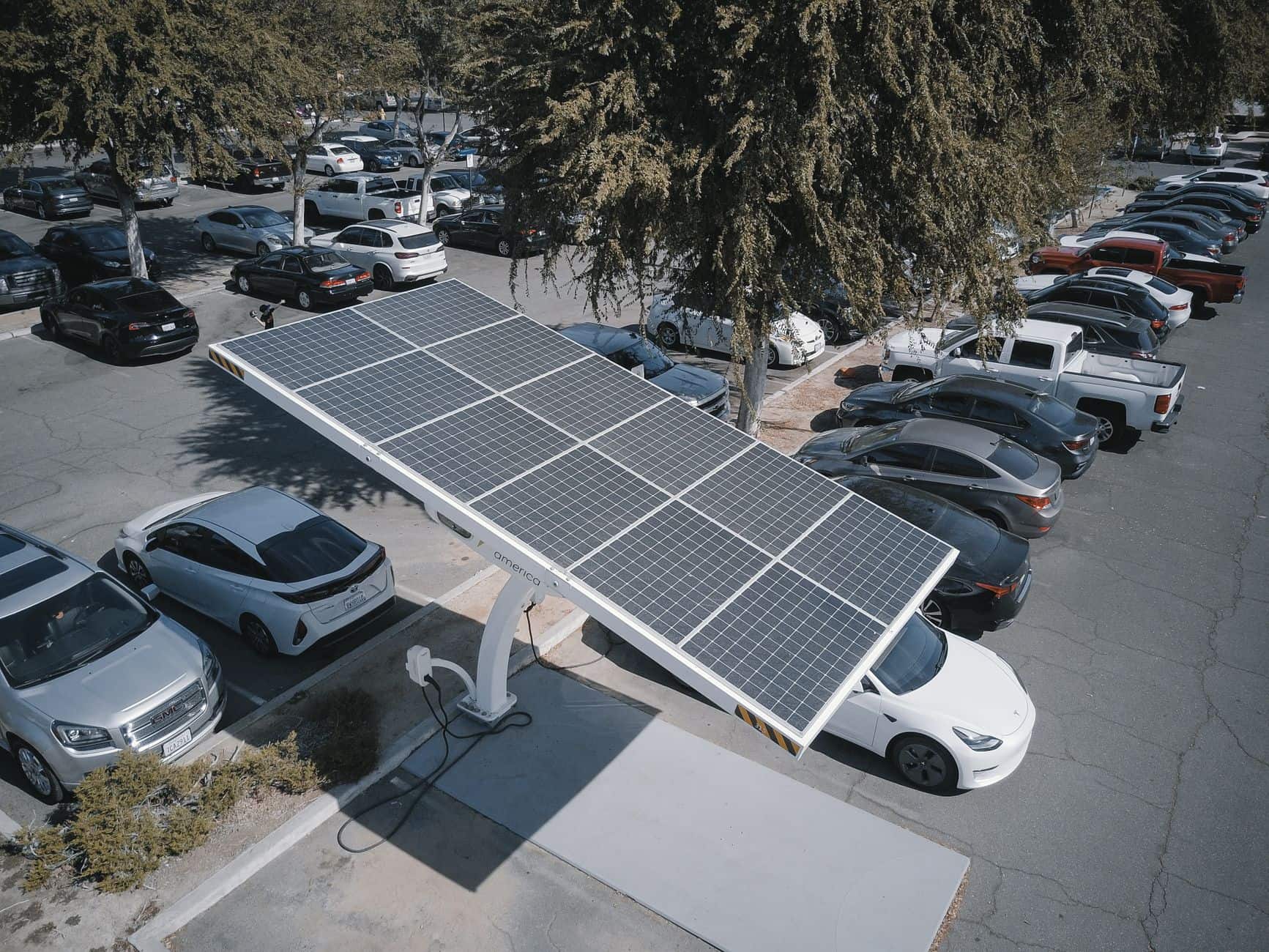
Israel Aims 70% Renewable Transport by 2050
Israel has set a 70 % renewable‑energy target for its transport sector by 2050, backed by rapid EV growth, expanding fast‑charging networks, and a push for rooftop solar to power home‑charging.
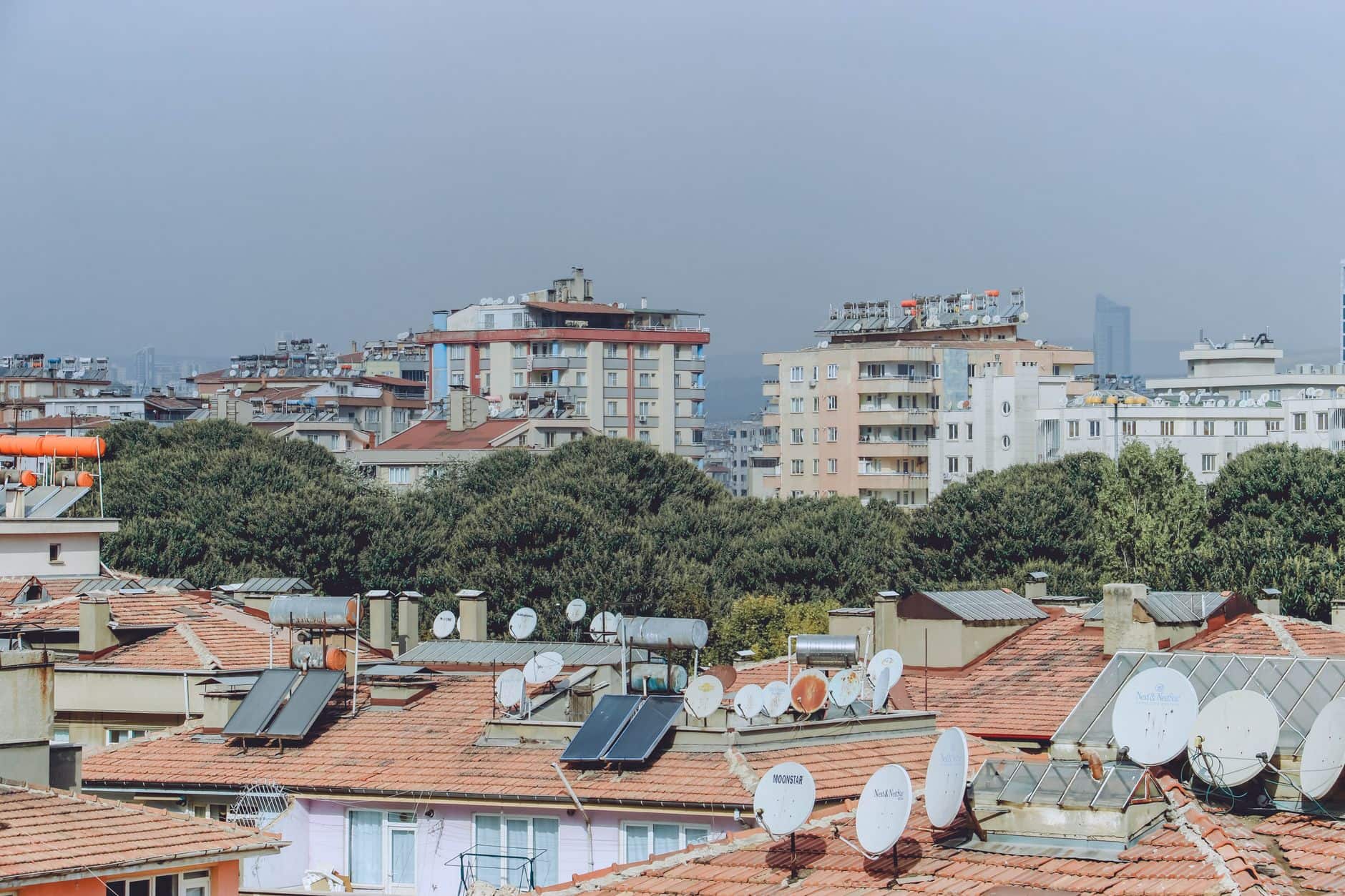
Israel's New Plan to Fast‑Track Rooftop Solar
Israel’s Energy Ministry plans to cut permitting delays and mandate solar‑ready roofs on all new buildings, targeting roughly 3.5 GW of rooftop PV by 2030 and shortening payback periods for homeowners.
US Drafts Ban on Chinese Solar Inverters
The Trump administration is drafting a rule that could ban Chinese‑made solar inverters from U.S. projects, citing cybersecurity risks and echoing recent EU restrictions.
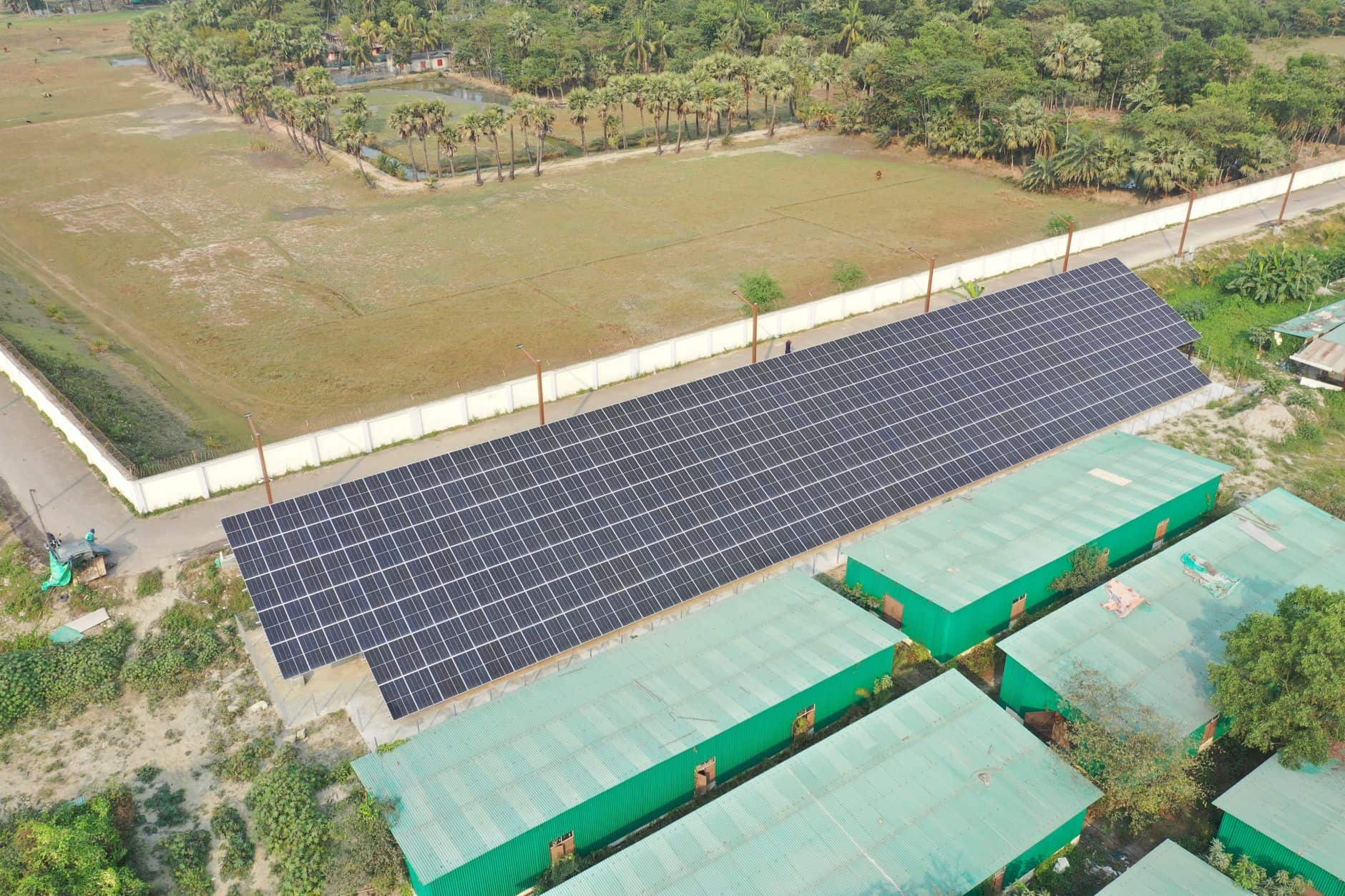
Bangladesh Opens 95 MW Solar Tender Amid Investor Doubts
Bangladesh’s Power Development Board has opened a 95 MW solar tender, but investors are hesitant because the government offers no land, financing or payment guarantees.