Software Could Unlock 300 GW on US Grid
Hidden Capacity Could Add 300 GW to the U.S. Grid
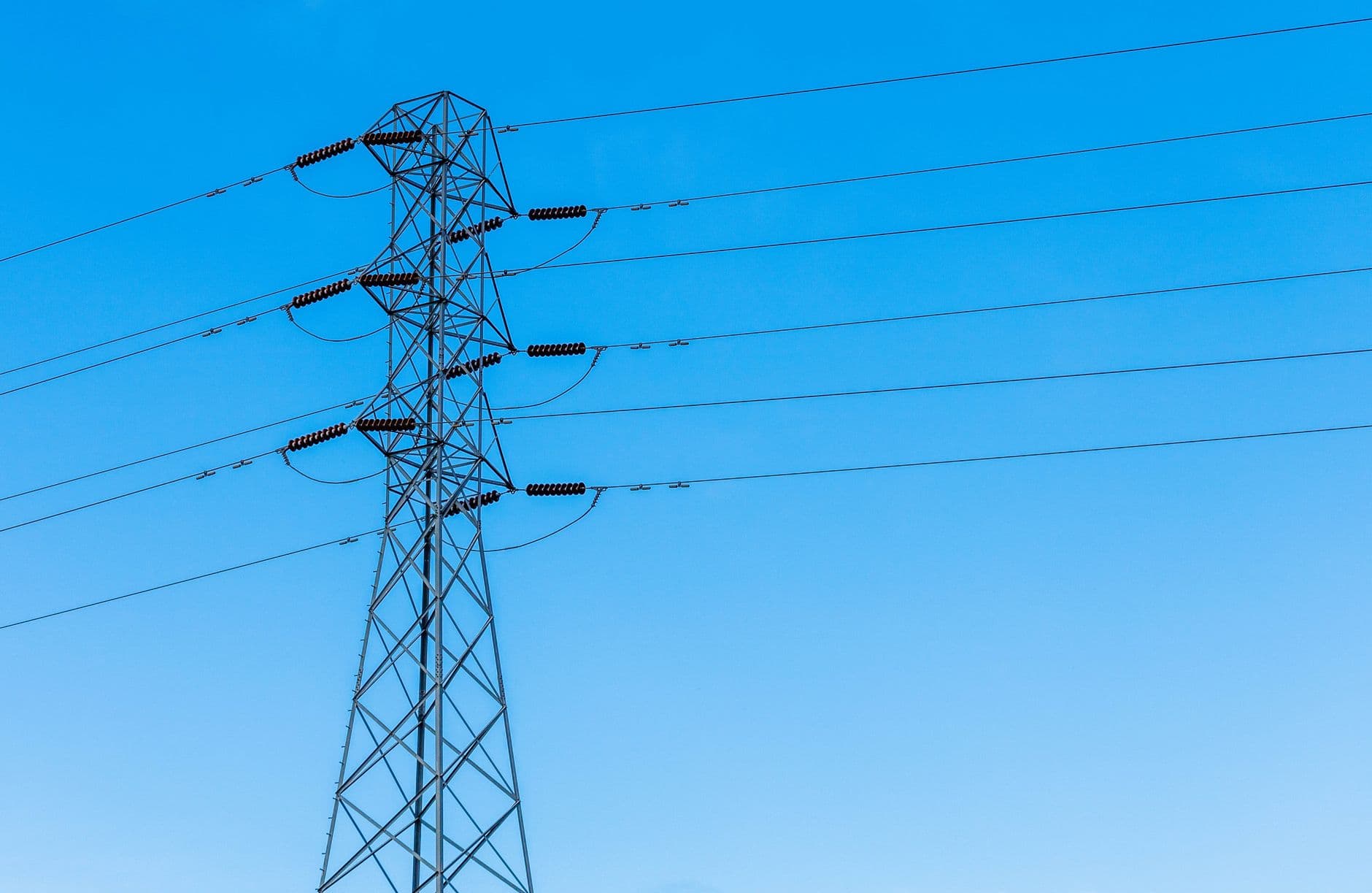
Software‑driven grid‑scanning can free up about 300 GW of transmission capacity on existing U.S. lines within three to five years, without building a single new power plant, according to GridCARE founder Amit Narayan on the Energy Empire podcast. The figure comes from a shift away from the ultra‑conservative “N‑2” planning model that treats every possible double‑failure scenario as likely, leaving most of the network idle.
How the Software Finds Unused Space
GridCARE runs quadrillions of power‑flow scenarios in minutes, pinpointing the rare hours when the grid would actually be constrained. By matching those windows with flexible resources—batteries, demand‑response, or interruptible tariffs—the tool shows utilities exactly when and where they can squeeze new generation through the wires. Duke University research led by Tyler Norris backs the claim: if large loads accept curtailment for just 0.25 % of the year (roughly two hours at peak stress), the current system could accommodate nearly 100 GW of additional demand.
Real‑World Wins: NY, Oregon, PJM
- National Grid (New York): GridCARE identified more than 650 MW of hidden capacity, instantly opening the door for new projects.
- Portland General Electric (Oregon): The software unlocked over 400 MW in Hillsboro, letting six data‑center developers connect years ahead of schedule.
- PJM Interconnection: An AI‑based review of 811 generation applications—representing 220 GW of capacity—was completed in under an hour, a task that normally takes weeks.
These pilots prove the concept works at utility scale and can shave months off interconnection queues that often stall multi‑million‑dollar solar and storage projects.
Why This Matters for Solar and Storage Developers
Utility‑scale solar farms and battery storage need a firm transmission path to market. Traditional planning forces developers into multi‑year queues and costly network upgrades, sometimes killing projects before they break ground. By surfacing “latent” capacity, GridCARE gives developers a near‑term lifeline: they can secure interconnection slots now, pair with flexible tariffs, and defer or avoid expensive new substations. Using existing wires more efficiently can help lower overall system costs, which can translate into lower electricity bills for end‑users.
What It Means for Israel
If the U.S. can unlock 300 GW, that equates to 30 million typical 10 kW home systems (300 GW ÷ 10 kW). In Israel, a 10 kW rooftop system in the central region yields about 17 MWh per year, worth roughly ₪8,160 at the residential tariff of ₪0.48/kWh. With a typical install cost of ₪3,150/kW, the payback period is just under 4 years. Multiply that by even a fraction of the 30 million potential U.S. systems, and the economic case for aggressive rooftop deployment becomes clear for Israeli households and investors alike. Moreover, software‑driven approaches could potentially help Israel’s grid operator NOGA identify hidden capacity and address interconnection challenges, supporting the nation’s 30 % renewable electricity target for 2030.
For a deeper dive, listen to the full discussion on the Energy Empire Grid Capacity episode.
FAQ
How does GridCARE identify hidden transmission capacity?
It runs billions of power‑flow scenarios in minutes, matching rare low‑stress hours with flexible resources like batteries and demand‑response to show exactly where extra generation can flow.
What amount of new capacity could be added to the U.S. grid?
Up to 300 GW of transmission capacity could be unlocked within three to five years without building new lines.
Can this software reduce solar project costs?
Yes, by avoiding costly network upgrades and shortening interconnection queues, developers can bring projects to market faster and cheaper.
What does 300 GW mean for Israeli rooftop solar?
It’s equivalent to about 30 million typical 10 kW home systems; a 10 kW system in central Israel earns ~₪8,160 per year and pays back in under four years.
Is this approach applicable outside the United States?
The same modeling can be used by any grid operator, including Israel’s NOGA, to locate latent capacity and speed up renewable integration.
Share this post
More from Technology
6
GIZ Seeks Five Agrivoltaic Pilot Models
GIZ is seeking multiple agrivoltaic pilot models in Vietnam to merge solar power with farming, a concept that could inspire similar dual‑use projects in Israel.
$1B Plan to Guard Earth from Solar Storms
A new study proposes a large‑scale programme of surge‑protectors, battery buffers and insurance to harden solar farms and grids against catastrophic solar super‑storms.

Hidden Bypass Diode Faults Threaten Solar Safety
Lost bypass diodes stay invisible in standard tests but can cause severe overheating and fire when shading occurs, prompting a shift to EL imaging and shaded thermography for detection.

Solar Irradiance Surges in 2026: Global Trends & What It Means for Israel
Solar irradiance was 5‑10 % above average across Europe, the U.S., Southeast Asia and Central Africa in the first half of 2026, driven by a shift from early‑year blocking to a developing El Niño.
Bhutan Gets $160 M Boost for 310 MW Solar
Bhutan secured a US$160 million ADB loan to build three solar farms totaling 310 MW, its first private‑majority PPP in the energy sector, aiming to cut imports and create green jobs.