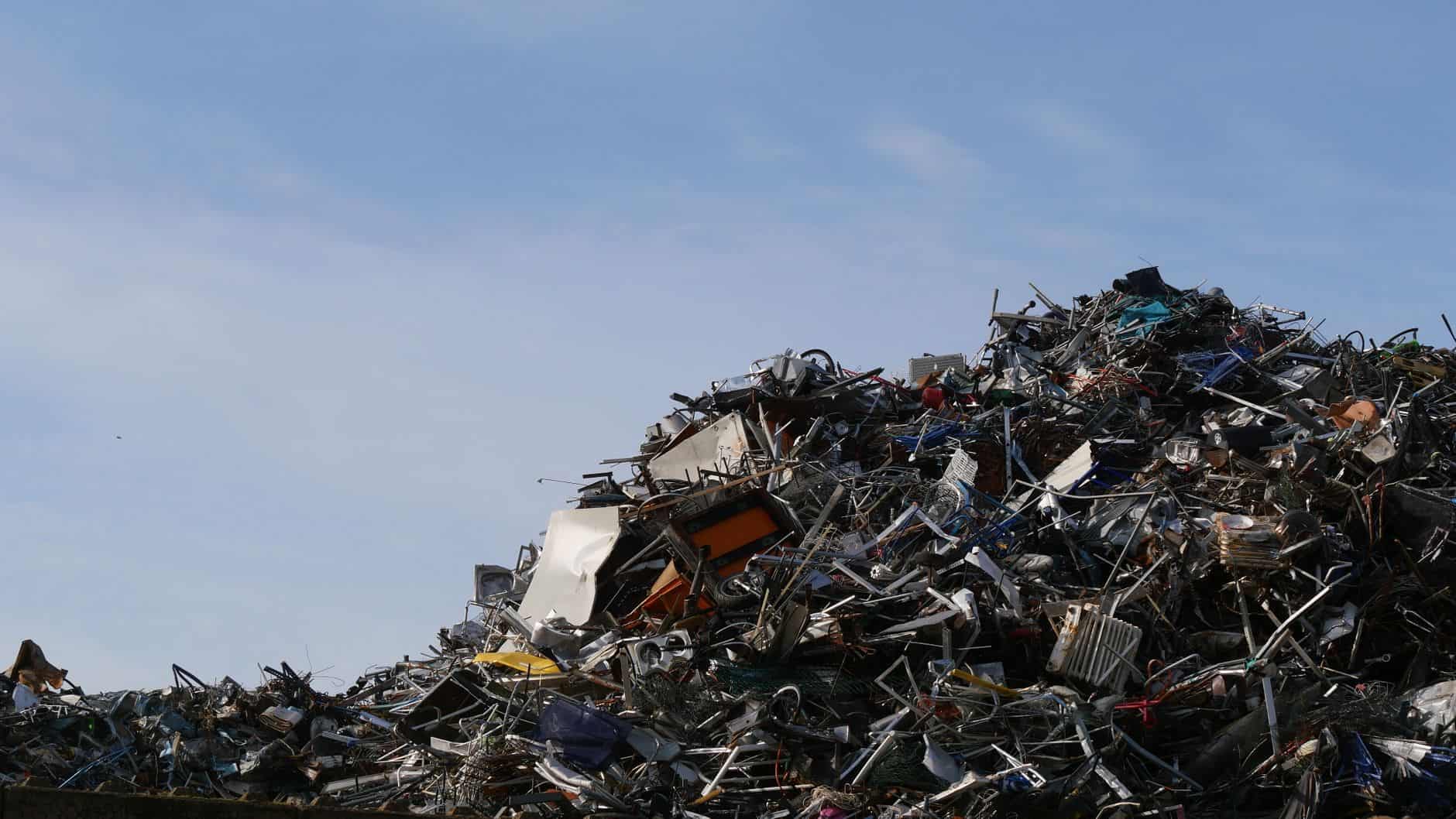
Recycling Solar Panels Faces Cost Hurdles
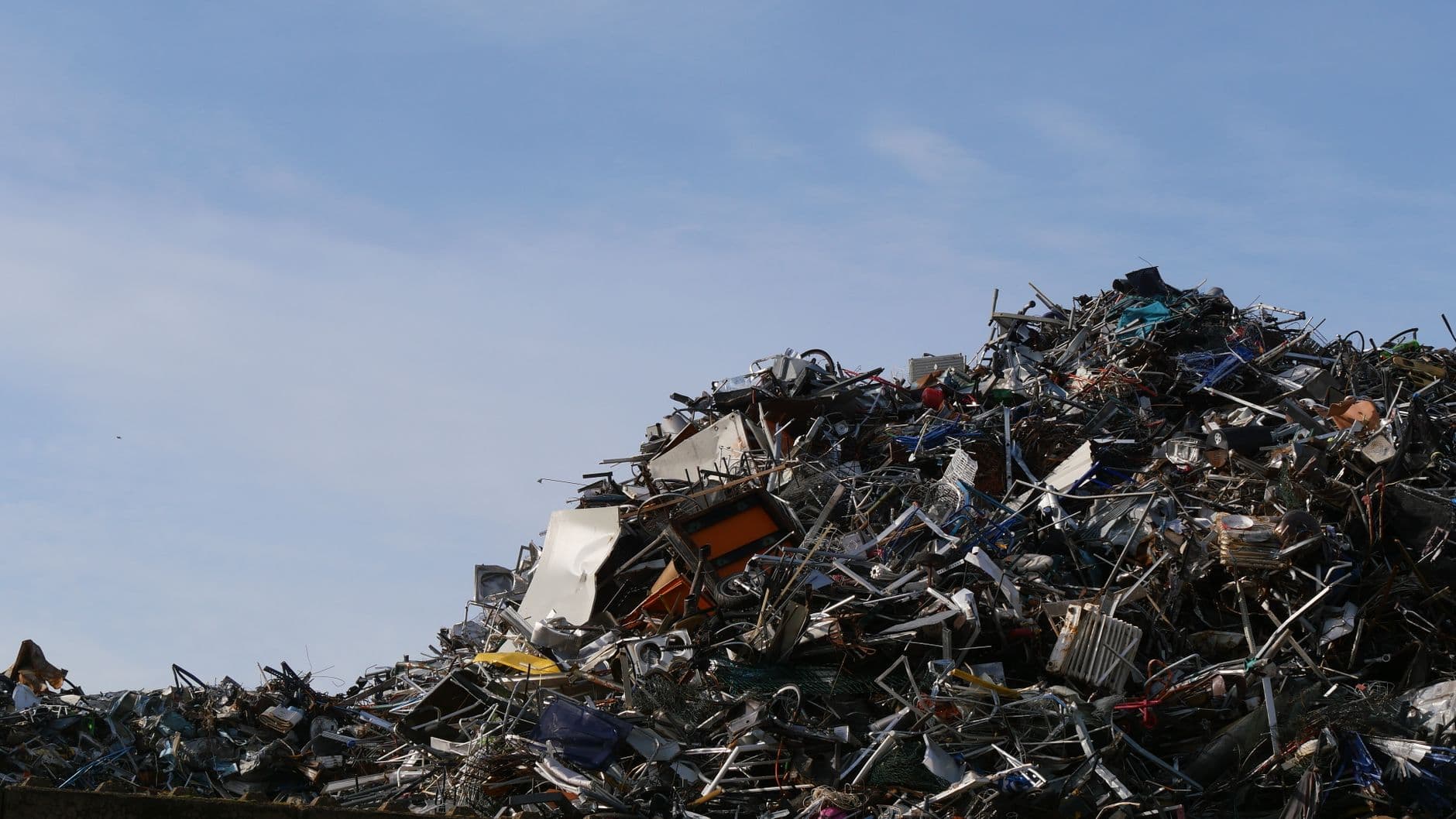
Recycling is technically possible, but economics hinge on material purity
Researchers from UNSW, Gdańsk University of Technology and the Polish Academy of Sciences dismantled twelve end‑of‑life PV modules from German, Chinese, South‑Korean and US makers and proved that aluminium frames, glass and the cell stack can all be recovered. However, surface coatings rich in sulphur on aluminium, antimony‑laden glass and the declining silver content in newer cells all erode the economic value of the recovered streams. The authors warn that without accounting for this material diversity, commercial recycling will remain unviable.
Aluminium frames can be recycled, yet sulphur coatings lower value
The study found that aluminium is fully recyclable and offers a sizeable primary‑energy saving. Yet many frames carry sulphur‑rich surface treatments that contaminate the metal during re‑melting, forcing recyclers to spend extra energy to purify it. As a result, the net revenue from aluminium drops when such coatings are present.
Glass is a major feedstock, but antimony pushes it into hazardous‑waste territory
Glass meets the criteria for reuse in new glass production. The researchers detected trace antimony (Sb) – added to improve light transmission – at levels that can exceed regulatory limits. Handling antimony‑containing glass may therefore require special licensing and monitoring, adding compliance costs to the recycling chain.
EVA laminate remains cross‑linked, influencing delocation strategies
Cross‑linked ethylene‑vinyl acetate (EVA) was still present in all samples, with crystallinity below 17 %. This means the encapsulant retains protective properties even after years of service, but its low crystallinity also makes mechanical delamination harder. The authors suggest analysing EVA before choosing a delamination method to avoid unnecessary energy consumption.
Cell composition is shifting – silver is disappearing, copper varies
Silver, which can represent up to 47 % of a panel’s recoverable value, was found in varying amounts, with newer cells showing a clear downward trend. Copper content also varied depending on the cell technology. This shift signals a future where recyclers earn less from precious‑metal recovery and must rely more on bulk materials like aluminium and glass.
Market context: global recycling revenue is set to more than double by 2035
The global solar‑panel‑recycling market was valued at US$ 348.9 million in 2025 and is projected to reach US$ 691.6 million by 2035. This growth underscores rapid commercial interest despite the technical hurdles.
What it means for Israel
Israel’s residential feed‑in tariff sits at about ₪0.48 /kWh, and a typical 10 kWp rooftop system in the central region yields roughly 17 000 kWh / year. That translates to an annual revenue of ≈ ₪8 160. With a turnkey install cost of ≈ ₪31 500, the simple payback period is just under 4 years. Because the economic return from operating a system is so attractive, Israeli owners are likely to keep panels online for their full 25‑year design life, delaying the waste stream that recycling firms will eventually face.
When panels do retire, the material‑diversity challenges highlighted by the Australian‑Polish study will apply locally. The value of recovered aluminium and glass will depend on their purity, and the decreasing silver content in newer Israeli‑installed panels will further reduce the economic incentive for recycling.
Outlook: policy and process innovation are essential
The authors call for “simple mechanical removal” of frames, glass and cells as a first step to keep bulk waste out of landfills, even if the cell laminate is left behind. They also stress the need for clear regulatory frameworks – Australia currently lacks a federal recycling mandate, and Israel’s Electricity Authority could play a similar role by setting standards for antimony‑containing glass and sulphur‑coated aluminium.
If policy incentives align with the technical findings – for example, by subsidising pre‑sorting or by crediting recovered aluminium and glass – the projected market growth could translate into a viable domestic recycling industry for Israel, turning what is now a looming waste problem into a new revenue stream.
What it means for Israel (expanded)
- Economic incentive to stay online – At the current residential tariff, a 10 kWp system pays for itself in under four years, so most owners will operate panels for the full 25‑year lifespan, postponing recycling needs.
- Potential material recovery value – Recycling the aluminium frame of a typical system could return a modest portion of the upfront cost, depending on market prices and material purity.
- Silver revenue is shrinking – As newer panels contain less silver, the high‑value component that once justified recycling will become less lucrative, mirroring the global trend noted in the study.
- Regulatory gap – Israel currently has no specific EoL PV recycling law; introducing standards for antimony‑glass handling and sulphur‑coated aluminium could unlock the market.
For a deeper dive into your own rooftop’s economics, try our solar ROI calculator and explore the latest market data on our data page.
Sources & further reading
- Solar Panel Recycling Market Size | Forecast Report 2035
- Solar photovoltaic waste and resource potential projections in...
- Solar Components Recycling Market Size, Share | Growth [2034]
- AUS02 PV Circularity - Policy Recommendations Report - EEAS
- Solar Panel Recycling Market Size, Share & Trends Analysis 2034
FAQ
Can solar panels be fully recycled?
Yes, aluminium frames, glass and the cell stack can all be recovered, but impurities like sulphur and antimony lower the economic return.
Why is silver important for PV recycling?
Silver can account for up to 47 % of a panel’s recoverable value, so its decline in newer modules reduces potential recycling revenue.
How fast is the global solar‑panel‑recycling market growing?
From US$ 348.9 M in 2025 to US$ 691.6 M in 2035, implying a compound annual growth rate of about 6.5 %.
What challenges does antimony in glass pose?
Antimony levels can exceed hazardous‑waste limits, meaning recyclers may need special licences and monitoring, adding cost.
What does this mean for Israeli rooftop owners?
High feed‑in tariffs keep panels in service for 25 years, but when they retire the aluminium frame could recover roughly ₪4 500, while falling silver content will limit extra revenue.
Share this post
More from Research
6
Heatwaves Slash Solar Output Up to 90% in Iberia
Iberian heatwaves can slash PV output by up to 90 % in a single hour, with daily losses of up to 17.6 % – a warning that extreme heat, not duration, drives the biggest solar efficiency drops.
El Niño to Boost Solar Irradiance 2026
A strengthening El Niño will lift solar irradiance above normal in the second half of 2026, especially in Southeast Asia and central‑western Europe, with up to 5 % more sunshine in parts of Europe.
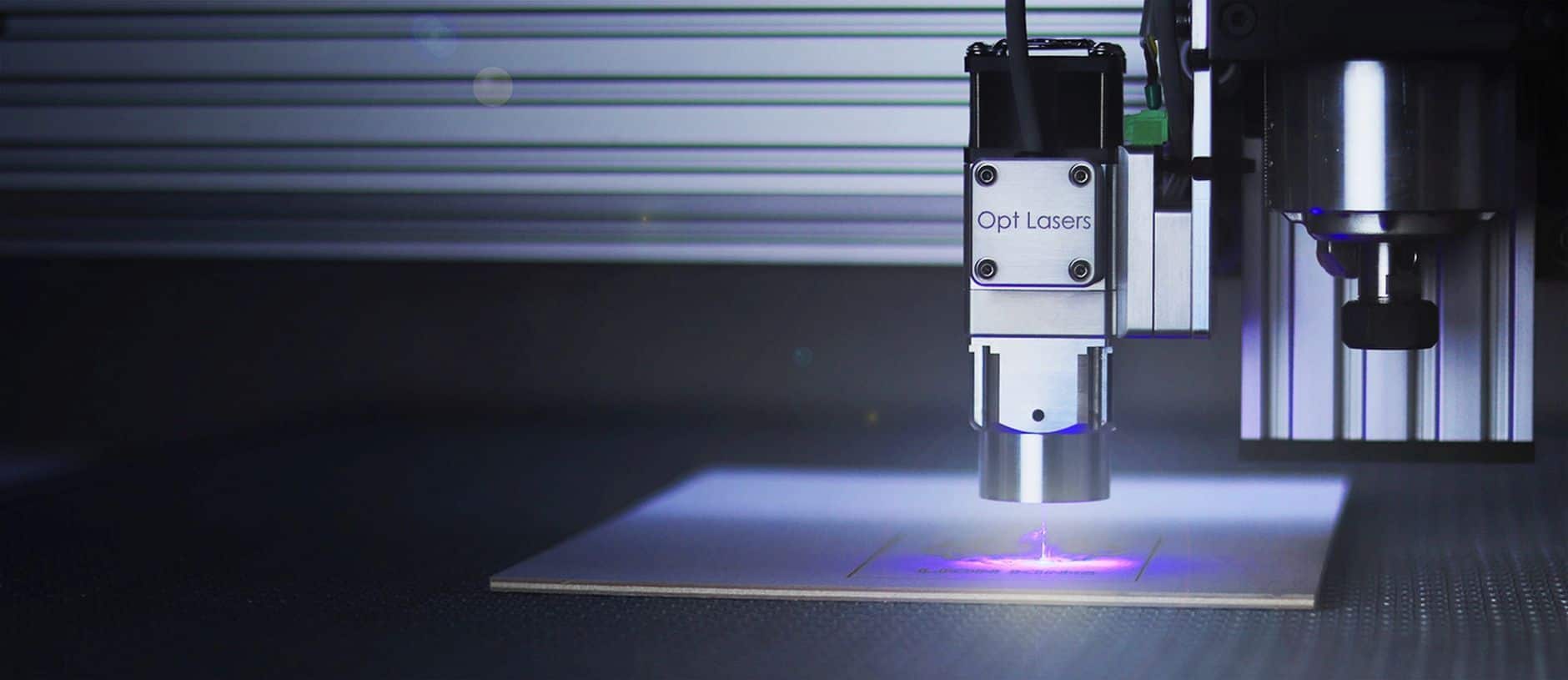
Laser‑Patterned Contacts Boost TOPCon to 26%
A picosecond‑laser and KOH wet‑etch process creates poly‑Si finger contacts that cut parasitic loss and lift certified TOPCon cell efficiency to 26.08%, a boost that could shave years off Israeli rooftop solar payback.
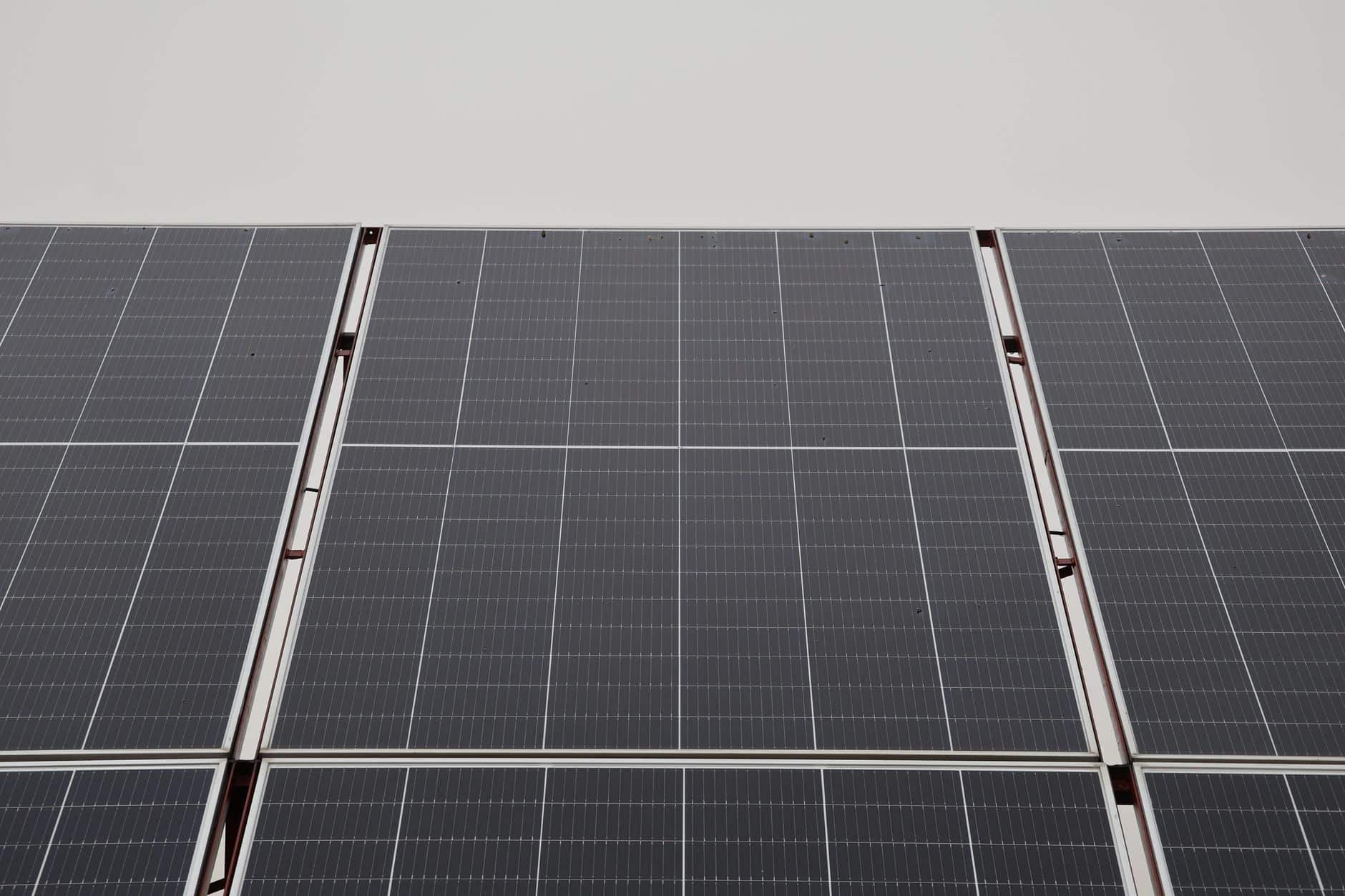
German Lab Starts Calibrating Large‑Area Tandems
Germany’s ISFH now offers calibration for large‑area perovskite‑silicon tandem cells up to 210 mm wafers, a step that could speed high‑efficiency modules onto Israeli rooftops.

Cyber‑Shield for Solar Plants Cuts Attack Risk
A two‑stage state‑estimation framework (EC‑WLSE + EC‑SHGME) can detect up to 95 % of sophisticated false data injection attacks on utility‑scale PV plants, offering a lightweight, hardware‑free cyber shield.
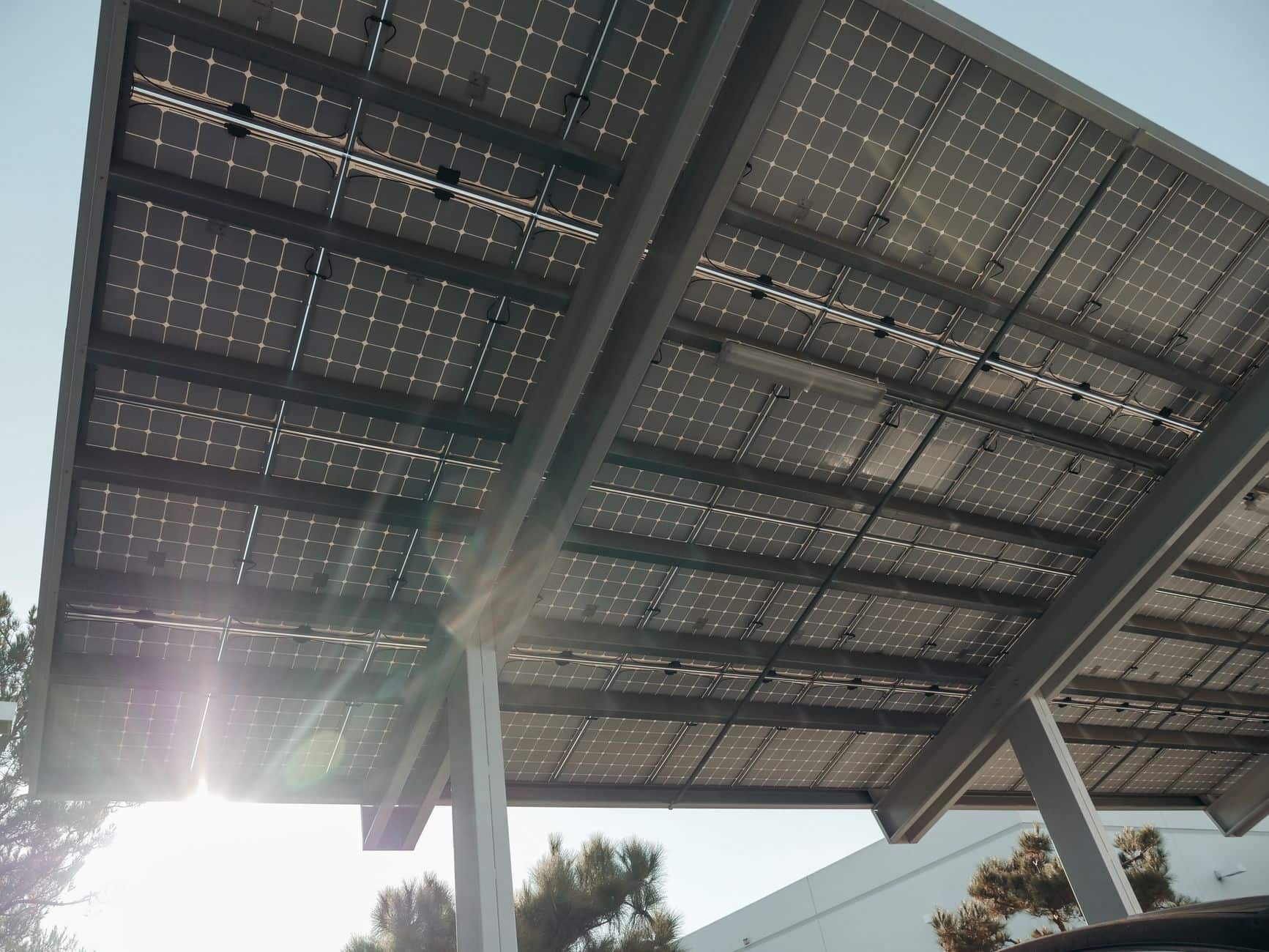
27.3% Perovskite Cell Sets New Efficiency Record
A Chinese research team reached 27.3% efficiency for inverted perovskite solar cells using a dual‑molecule interface, with solid stability and scalability that may benefit Israeli solar installations.