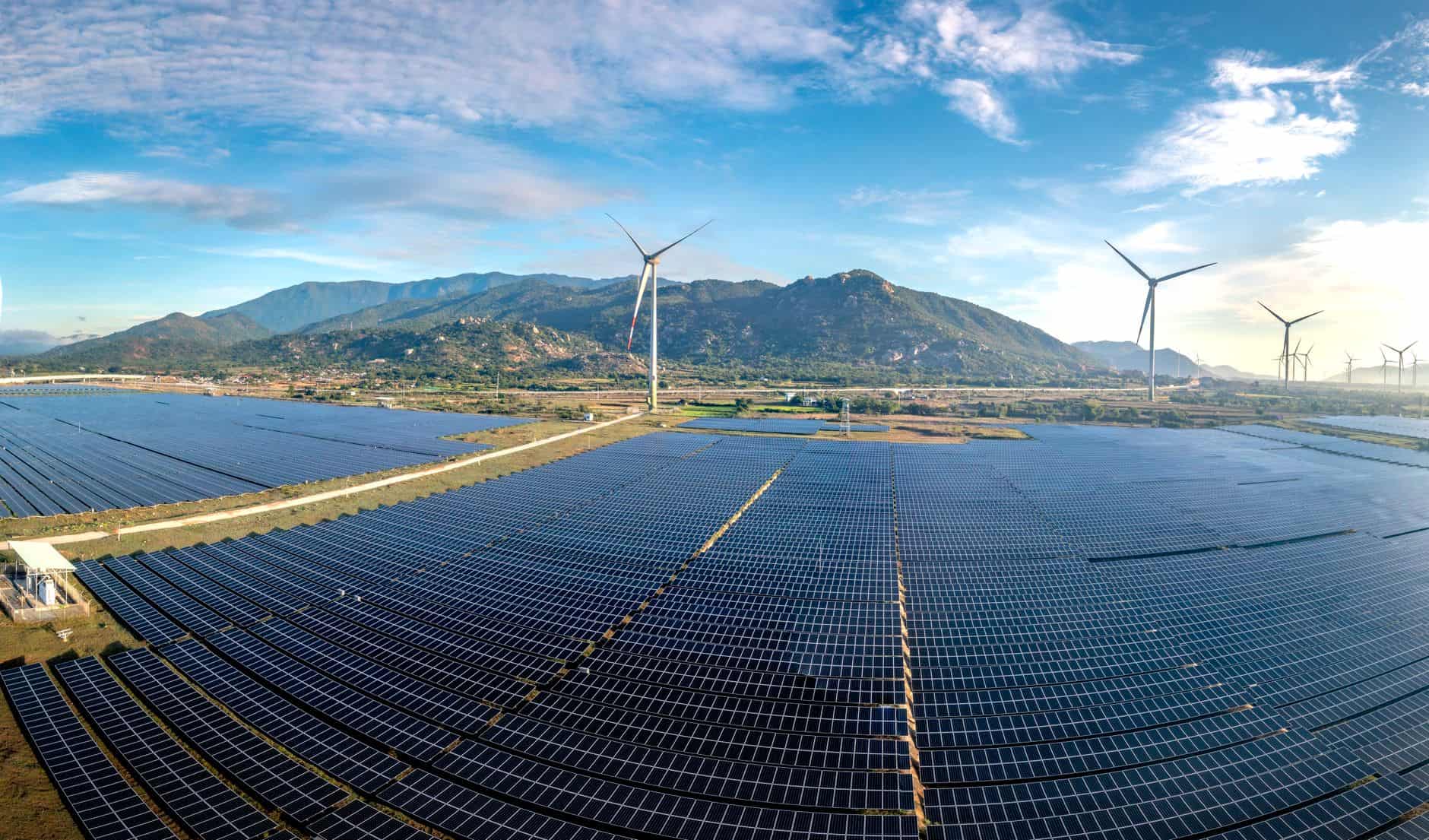
China Set to Outproduce Global Battery Demand by 2030
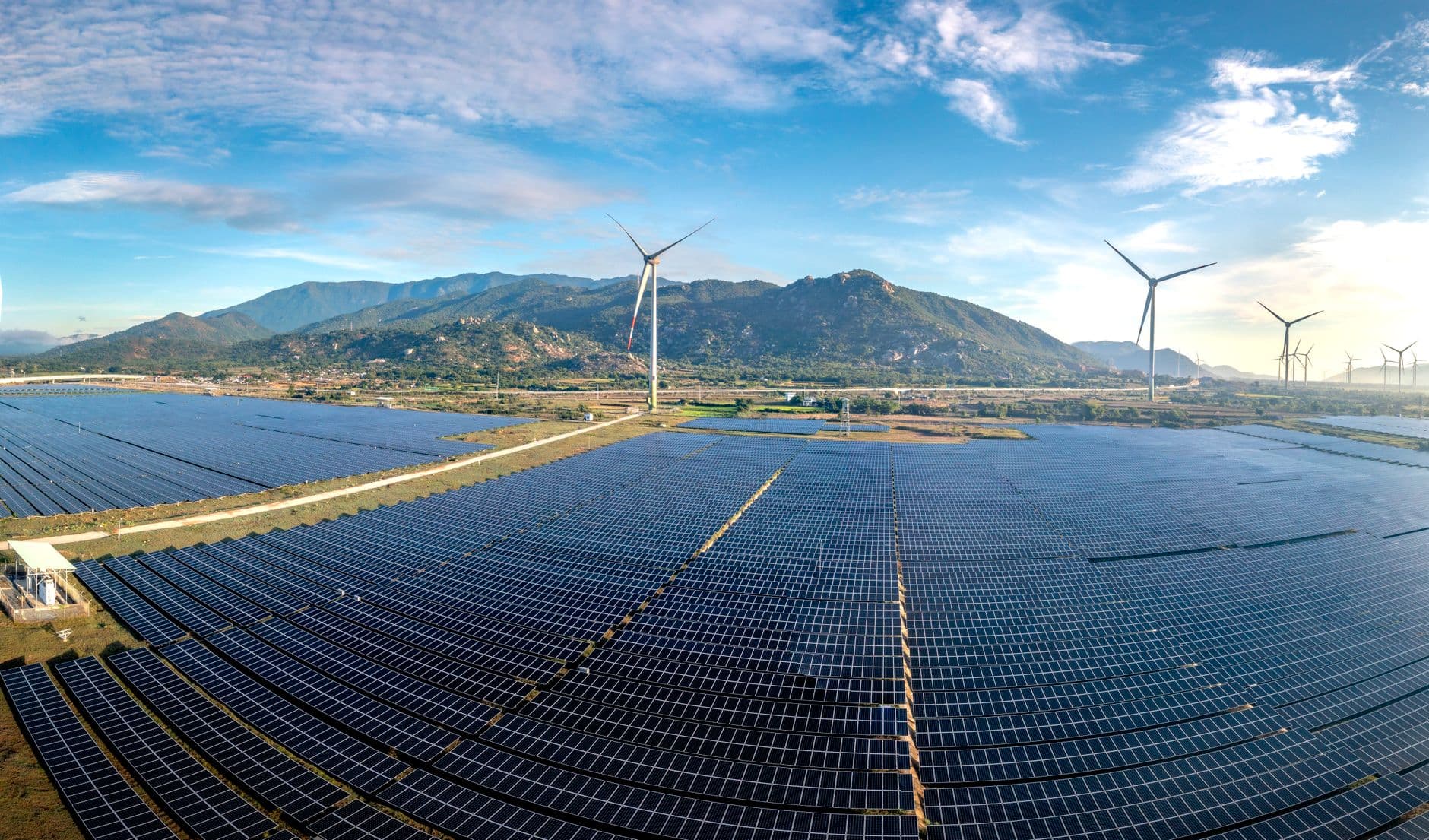
China’s battery capacity will dwarf world demand by 2030
China is on track to build 5,862‑6,720 GWh of lithium‑ion cell capacity by 2030, which already exceeds the 4,000‑5,100 GWh of global demand projected for the same year. This creates a clear risk of oversupply. The figures come from the Carnegie Endowment report cited by PV Magazine and the original Carnegie paper itself.
Chinese batteries are 10‑50 % cheaper than Western rivals
Across Europe, Chinese‑made NMC cells cost 10‑27 % less and LFP cells 24‑50 % less than locally produced equivalents. The price gap is driven by China’s massive scale, lower labor costs and a highly integrated supply chain. The Carnegie report notes that Chinese battery exports exceeded $6 billion per month in 2025, with Europe receiving nearly half of those shipments. The cost advantage makes Chinese cells the default choice for most EV manufacturers and stationary storage projects worldwide.
LFP chemistry concentrates risk: 98 % of global LFP capacity sits in China
LFP batteries now account for roughly half of all lithium‑ion cells and are the fastest‑growing chemistry for EVs and grid storage. The Carnegie study warns that about 98 % of worldwide LFP production capacity is located in China, turning the chemistry into the single biggest supply‑chain vulnerability for OECD economies. If geopolitical tensions rise, any disruption to Chinese LFP output could ripple through EV and BESS markets globally.
Sodium‑ion and next‑gen tech remain China‑centric, but OECD leads in silicon‑anode and lithium‑metal
While sodium‑ion batteries are still in early‑stage commercial production, almost all of that capacity is also in China, according to the Carnegie analysis. By contrast, OECD countries hold a stronger foothold in silicon‑anode and lithium‑metal technologies, which could become the next competitive edge for Western battery makers.
Policy recommendation: selective cooperation, not full decoupling
The Carnegie authors advise against a blanket “decouple‑everything” approach. Instead, they propose joint ventures and industrial partnerships with Chinese firms in segments where alternative suppliers are scarce, while coordinating industrial policy across the US, Europe, Japan and South Korea. They also call for greater support for sodium‑ion manufacturers outside China and the use of automation, digital twins and AI to boost manufacturing efficiency.
What it means for Israel’s solar‑plus‑storage market
Israel’s residential solar sector relies heavily on battery storage to smooth out daytime generation and night‑time demand. A typical 10 kWp home system in central Israel yields about 17,000 kWh / year, worth roughly ₪8,160 at the current ₪0.48/kWh residential tariff, and pays for itself in under 4 years.
If Chinese LFP cells remain substantially cheaper than locally produced alternatives, the capital cost of a home battery could be noticeably lower, which would improve the overall payback period of a typical solar‑plus‑storage installation. Lower battery prices also reduce the levelized cost of storage (LCOS), making larger‑scale solar‑plus‑storage projects more financially attractive even under Israel’s modest ₪0.41/kWh commercial tariff. In practice, this could spur faster deployment of grid‑scale BESS that support the nation’s 30 % renewable electricity target for 2030.
Outlook: a tighter, cheaper global battery market
If China’s capacity continues to outstrip demand, market participants may see price compression and consolidation in the battery industry, as noted by the CRU Group which warns of “overcapacity‑driven involution” in China’s gigafactories. At the same time, the IEA projects that global announced capacity could nearly quadruple by 2030, potentially matching demand if new projects materialize. The tension between oversupply and rapid demand growth will shape investment decisions, trade policies, and the speed at which cheaper Chinese batteries reach Israeli rooftops.
Key takeaways for Israeli readers
- Cheaper Chinese LFP cells can noticeably improve the economics of a typical home solar‑plus‑storage system.
- Lower storage costs accelerate the path to Israel’s 30 % renewable electricity goal.
- Selective cooperation with Chinese manufacturers may give Israeli firms access to the cheapest cells while preserving strategic autonomy.
- Monitoring supply‑chain risks (especially for LFP) remains essential for long‑term energy security.
For a quick estimate of your own solar‑plus‑storage ROI, try our online calculator and explore the latest market data on our data page.
Sources & further reading
- Battery Geopolitics: Balancing Industrial Power in the Race to Store Energy | Carnegie Endowment for International Peace
- China’s battery storage capacity doubles in 2024
- China’s overcapacity: Will its battery industry consolidate? - CRU Group
- Current and future committed battery manufacturing capacity by technology in China, 2024 – Charts – Data & Statistics - IEA
- China Already Makes as Many Batteries as the Entire World Wants | BloombergNEF
FAQ
How much battery capacity will China have by 2030?
China is projected to have between 5,862 GWh and 6,720 GWh of lithium‑ion cell capacity by the end of the decade.
What is the expected global demand for batteries in 2030?
Global demand is forecast at 4,000 GWh to 5,100 GWh for the same year.
Why are Chinese batteries cheaper than European ones?
Scale, lower labor costs and a highly integrated supply chain let Chinese NMC cells cost 10‑27 % less and LFP cells 24‑50 % less than European equivalents.
What risk does the dominance of LFP production in China pose?
Since about 98 % of LFP capacity is in China, any supply disruption could affect EV and storage markets worldwide.
How will cheaper Chinese batteries affect Israeli homeowners?
A 30 % price cut in LFP cells could reduce a typical 10 kWh home battery cost by roughly ₪36,000, shortening the solar‑plus‑storage payback from ~4 years to ~3.2 years.
What policy approach does the Carnegie report recommend?
It suggests selective cooperation with Chinese firms via joint ventures, while coordinating industrial policy among the US, Europe, Japan and South Korea.
Share this post
More from Storage
6
Canadian Solar's EP Cube Boosts Home Power
Canadian Solar’s new EP Cube storage systems deliver up to 20 kW AC, four MPPTs, and scalable storage up to 200 kWh, cutting Israeli home payback to under 4 years.
AlphaESS 150kW Battery: Low‑Noise C&I Storage
AlphaESS’s new Storion‑LC‑TB150 delivers 150 kW of power, 313 kWh of storage and ultra‑low noise, with up to 12,000 cycles and UL‑9540A‑certified fire protection for commercial‑industrial use.
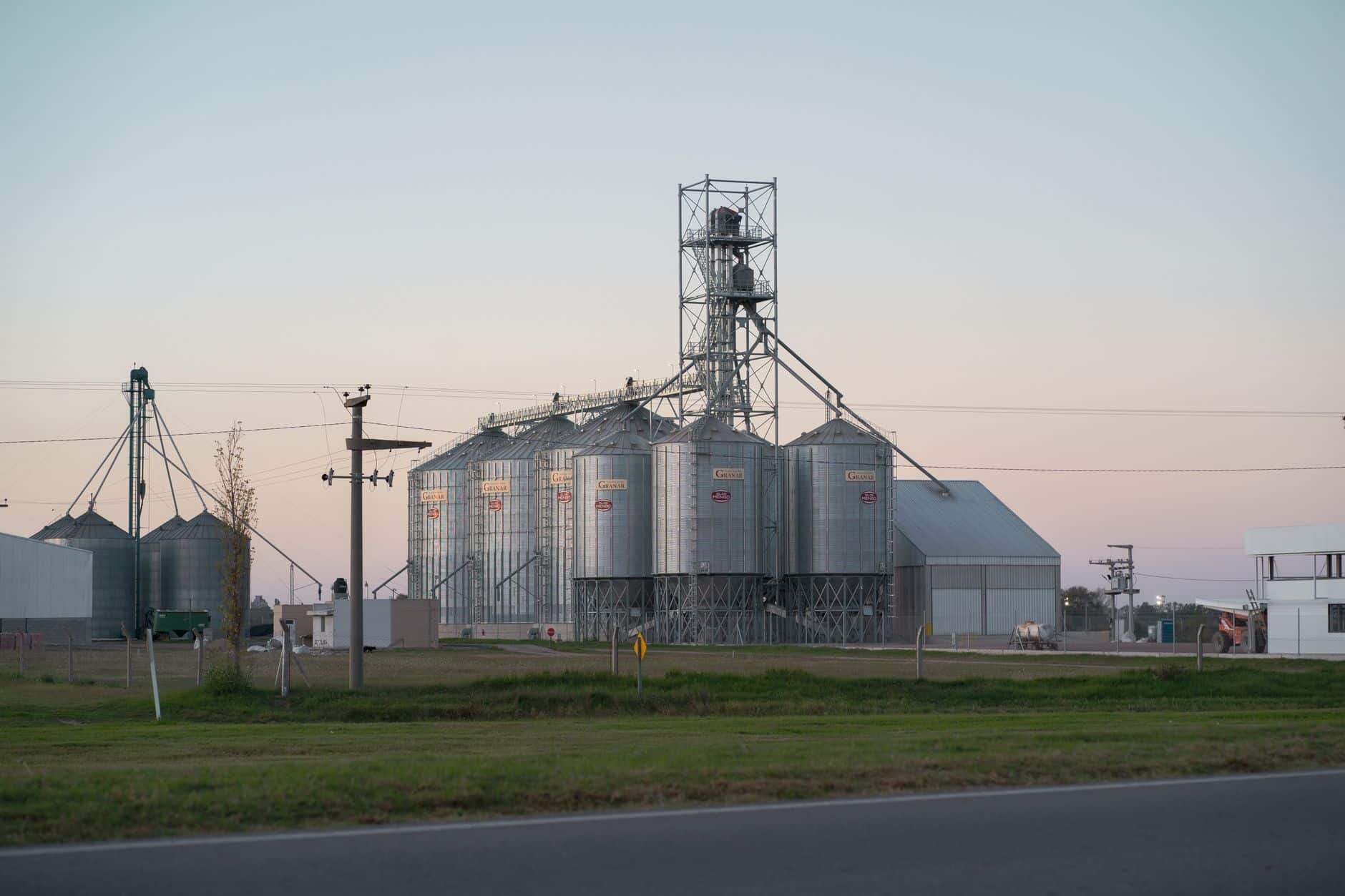
Argentina Grants 700 MW Battery Storage Boost
Argentina awarded 700.5 MW of battery storage across 20 projects for about US$700 million, marking a major step toward grid flexibility outside Buenos Aires.

Rock Battery Could Power Israeli Factories
Israel’s new "stone battery" stores excess solar heat in crushed rock and releases it as industrial steam, offering factories a low‑cost, multi‑hour backup that can cut fossil‑fuel use and support the nation’s renewable‑energy targets.
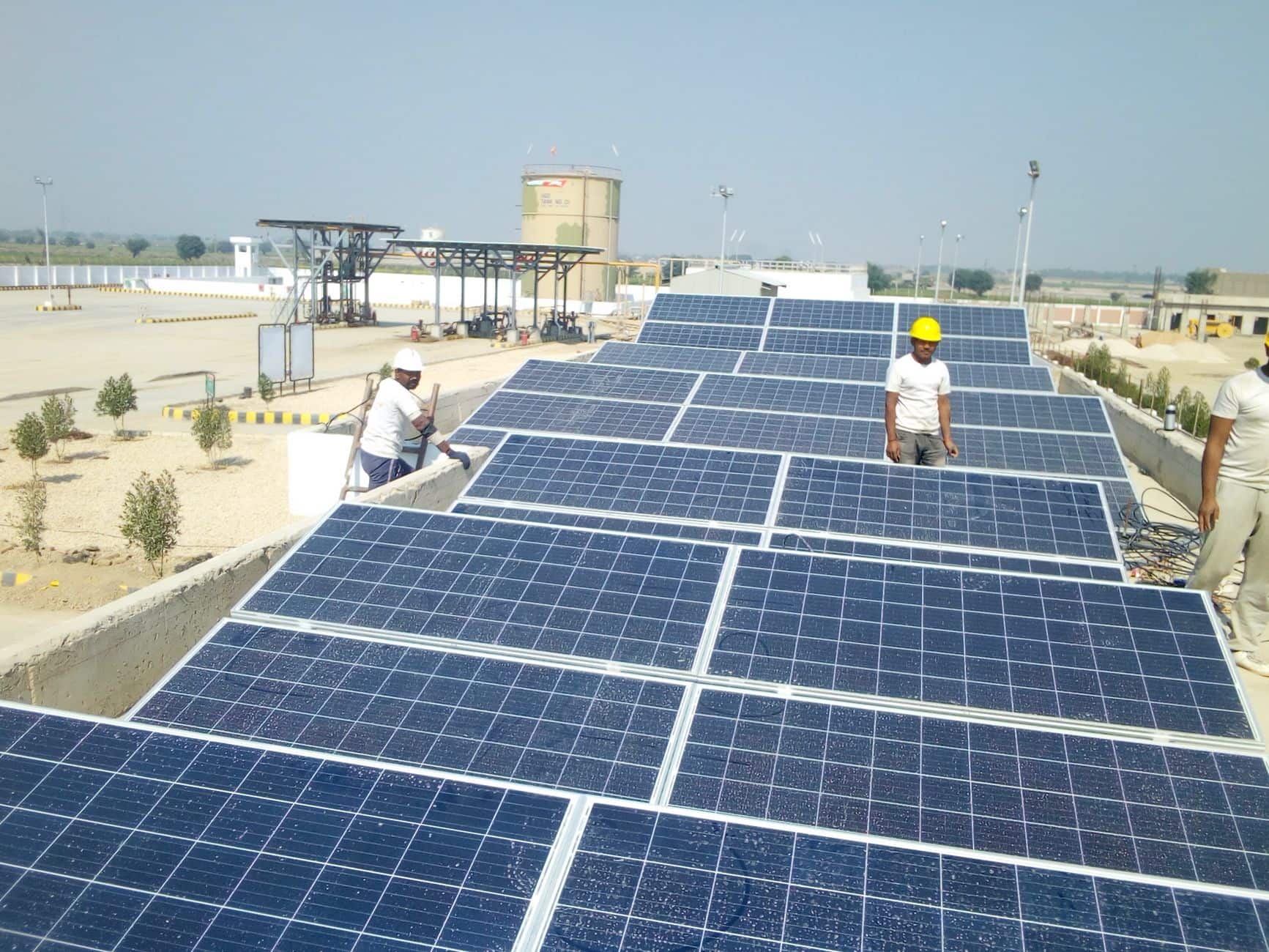
Sodium‑Ion Home Battery Offers 27‑Year Life
Unigrid’s Na+Casa sodium‑ion home battery offers a 10,000‑cycle, 27‑year lifespan, safety advantages over lithium‑ion, and a 9.25 kWh capacity that could save Israeli households about ₪1,600 a year.
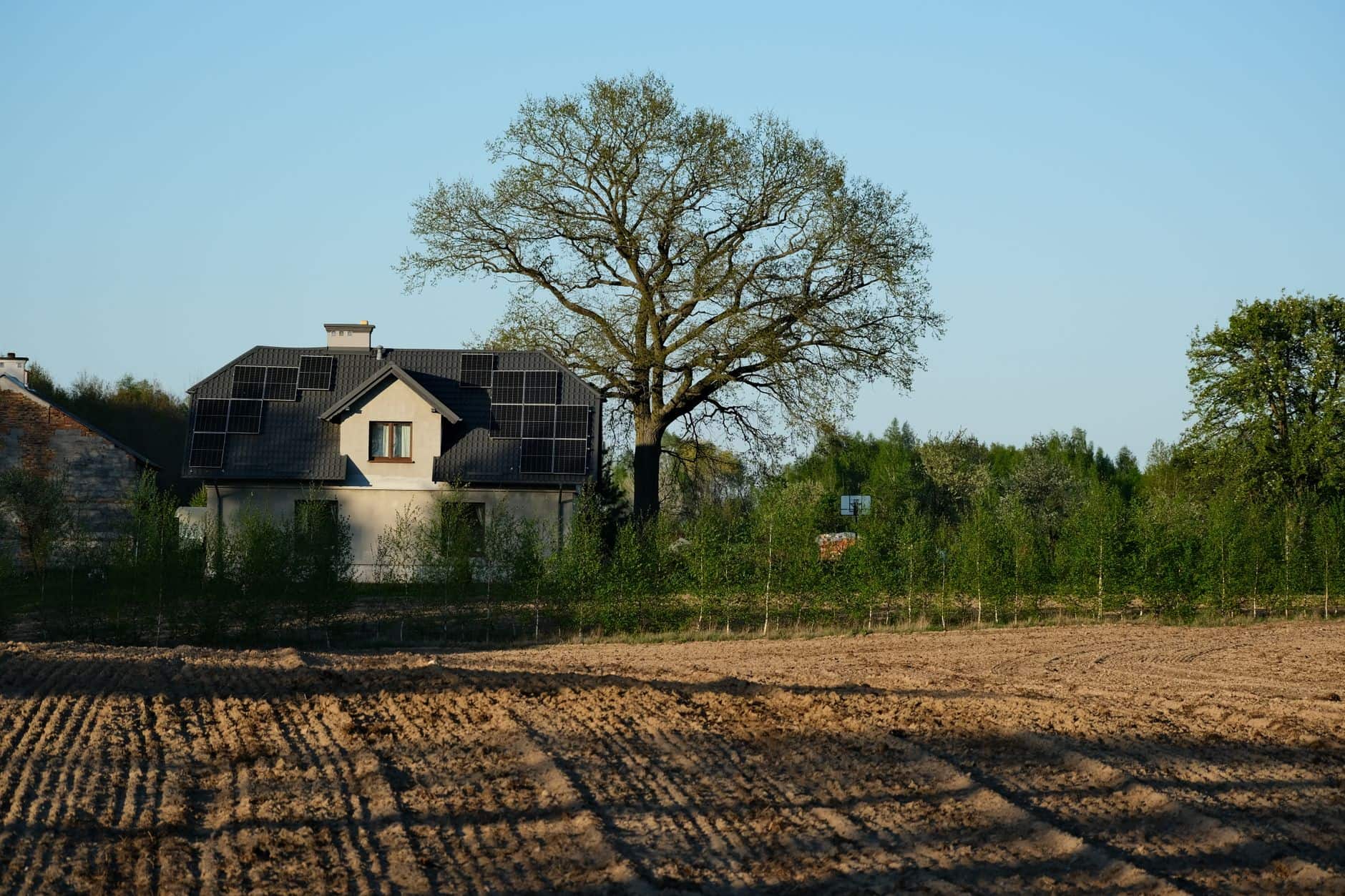
Octopus Nook: Plug‑In Home Battery Arrives
Octopus Energy’s new Nook battery line offers plug‑in storage for renters, with a 2 kWh Cube and a 5 kWh Colossus, launching in the UK in 2027 and expanding across Europe.