Heatwaves Slash Solar Output Up to 90% in Iberia
Heatwaves can wipe out up to 90% of hourly solar output in Iberian PV plants
Researchers from the University of Évora in Portugal measured a dramatic, short‑term drop in photovoltaic (PV) performance during extreme heat events on the Iberian Peninsula. In the worst hour recorded – at the Amibil plant in Zaragoza during the 2024 Spanish heatwave – the performance ratio (PR) fell to 90.4 % below normal, meaning the plant produced only about one‑tenth of its expected power for that hour. Similar hourly crashes were seen at the other two sites, with daily losses of up to 17.6 % at the Zebro plant in Portugal during the 2025 heatwave. The study shows that the biggest losses happen during the hottest hours, when module temperatures can exceed 70 °C and inverters thermally derate.
Why extreme heat hurts solar panels and inverters
Solar modules lose efficiency as they get hotter: each degree Celsius above the 25 °C reference reduces crystalline‑silicon output by 0.3 %–0.5 %. High ambient temperatures can lead to panel surface temperatures well above 70 °C, triggering the steep efficiency drop recorded in the study. Inverters, which convert DC to AC, also have built‑in thermal protection that reduces their output when internal temperatures rise, a phenomenon known as thermal derating.
The researchers linked the hourly PR collapse to both module heating and inverter derating, rather than the overall length of the heatwave. Short spikes of extreme temperature – even outside the officially defined heatwave periods – produced comparable output cuts, underscoring that it is the peak temperature, not the duration, that matters most.
How the study measured the loss
The team examined hourly production data from three small‑scale PV plants – Zebro (37.06 kW, Portugal), Ariza (15 kW, Zaragoza, Spain) and Amibil (64.5 kW, Zaragoza) – across four heatwave events recorded between 2024 and 2025. They paired the production records with meteorological data from the ERA5‑Land reanalysis dataset, which they validated against a weather station installed next to the Amibil plant. Correlation coefficients reached 0.95 for air temperature and 0.98 for global horizontal irradiance (GHI), confirming the reliability of the ERA5‑Land inputs.
To quantify the forecasting error, the researchers compared the actual output with PV‑syst simulations that used the traditional Typical Meteorological Year (TMY) data. The gap – called Energy Not Served (ENS) – was largest during the second Portuguese heatwave at Zebro and peaked relative to TMY predictions at Ariza during the 2025 Spanish event. This demonstrates that TMY‑based models can substantially overestimate generation during extreme heat, because they smooth out the short, intense temperature spikes that cause the biggest losses.
What the findings mean for the European solar sector
The authors argue that the industry’s focus must shift from maximizing annual energy yield to building resilience against recurring, hour‑scale losses. As climate change drives more frequent and intense heatwaves across Southern Europe, operators will need to:
- Select modules with lower temperature coefficients to better tolerate high temperatures.
- Design inverter cooling and placement to minimise thermal derating – for example, ensuring adequate airflow and shading from direct sun, as discussed in technical guidance on inverter thermal derating.
- Incorporate high‑resolution weather data (like ERA5‑Land) into performance forecasts and O&M planning, rather than relying solely on TMY datasets.
These steps can reduce the risk of sudden output drops that threaten grid stability, especially during peak‑demand summer afternoons.
What it means for Israel
Israel’s solar market faces a similar climate challenge: summer temperatures regularly exceed 35 °C, and rooftop installations can see panel temperatures well above 70 °C on sunny days. Using the typical Israeli residential tariff of ₪0.48/kWh and a typical 10 kWp home system (which yields about 17 000 kWh/year in the central region), a heat‑induced 10 % hourly loss would noticeably reduce revenue for that hour and could extend the simple payback period beyond the usual estimate.
For Israeli installers, the lesson is clear: choosing modules with lower temperature coefficients and ensuring proper inverter ventilation can protect both revenue and system longevity. Homeowners can also mitigate heat effects by adding passive cooling (e.g., reflective back‑sheet, increased spacing) or active cooling (small fans) to keep panel temperatures down.
Looking ahead
The Iberian study is a timely reminder that climate‑driven performance volatility is becoming a core design consideration for solar developers worldwide. As heatwaves intensify, the industry will likely see a rise in temperature‑resilient technologies, more sophisticated weather‑aware forecasting tools, and stricter O&M standards. For Israel, adopting these practices now will help keep rooftop solar profitable and reliable, even as summer heat climbs.
Sources
- Original study summary from PV‑Magazine
- Detailed journal article in the International Journal of Climate Change Strategies and Management (Emerald)
- Technical background on inverter thermal derating from Aforenergy
- ERA5‑Land validation study (SolarGIS)
Sources & further reading
- Analysis of photovoltaic power plant resilience under Iberian...
- Analysis of photovoltaic power plant resilience under Iberian heatwaves | International Journal of Climate Change Strategies and Management | Emerald Publishing
- S ANNUAL REPORT - IEA-PVPS
- Analysis of photovoltaic power plant resilience under Iberian heatwaves...
- Inverter Thermal Derating: Maximize Solar Efficiency & Output - Aforenergy
FAQ
Why do solar panels lose efficiency in extreme heat?
Each degree above 25 °C reduces crystalline‑silicon output by about 0.3‑0.5 %, and when panels hit 70 °C their efficiency can drop dramatically.
What is inverter thermal derating?
It’s a built‑in safety cut that reduces the inverter’s AC output when its internal temperature gets too high, further lowering overall plant performance.
Can typical weather models predict these losses?
No – the study shows that TMY datasets can overestimate generation by up to 20 % during heat spikes; high‑resolution reanalysis data like ERA5‑Land is needed.
How often do these extreme‑hour losses happen?
They occur during the hottest hours of a heatwave, often lasting just a few minutes to an hour, but can repeat multiple times in a single day.
What can installers do to protect against heat loss?
Choose low‑temperature‑coefficient modules, ensure good inverter cooling, and use detailed weather data for planning and O&M.
Will Israeli rooftop solar face similar issues?
Yes – Israel’s summer temps often exceed 35 °C, so panel overheating can cut revenue; proper module selection and cooling can keep payback periods short.
Share this post
More from Research
6
Recycling Solar Panels Faces Cost Hurdles
Researchers confirm that all major PV components can be recycled, but sulphur‑coated aluminium, antimony‑laden glass and falling silver content threaten the economics of large‑scale recycling.
El Niño to Boost Solar Irradiance 2026
A strengthening El Niño will lift solar irradiance above normal in the second half of 2026, especially in Southeast Asia and central‑western Europe, with up to 5 % more sunshine in parts of Europe.
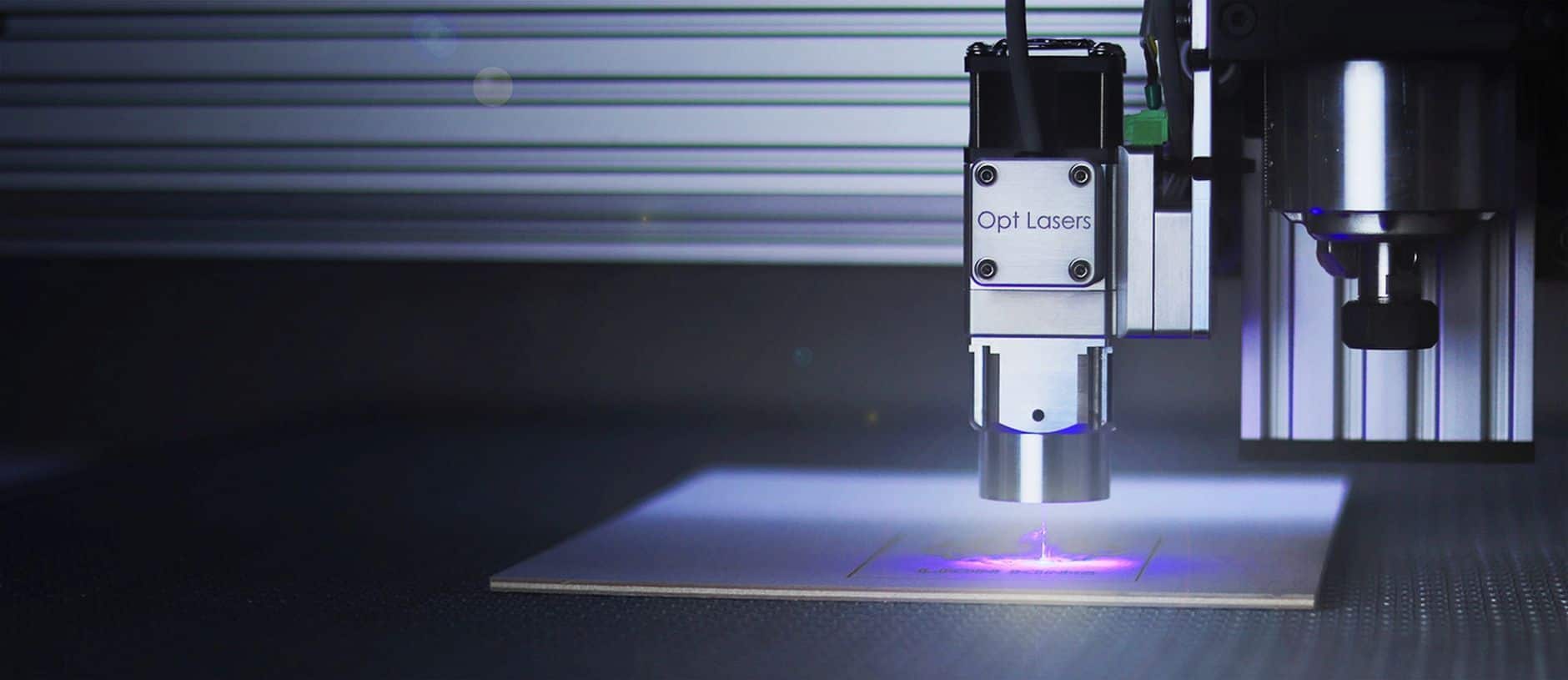
Laser‑Patterned Contacts Boost TOPCon to 26%
A picosecond‑laser and KOH wet‑etch process creates poly‑Si finger contacts that cut parasitic loss and lift certified TOPCon cell efficiency to 26.08%, a boost that could shave years off Israeli rooftop solar payback.
German Lab Starts Calibrating Large‑Area Tandems
Germany’s ISFH now offers calibration for large‑area perovskite‑silicon tandem cells up to 210 mm wafers, a step that could speed high‑efficiency modules onto Israeli rooftops.

Cyber‑Shield for Solar Plants Cuts Attack Risk
A two‑stage state‑estimation framework (EC‑WLSE + EC‑SHGME) can detect up to 95 % of sophisticated false data injection attacks on utility‑scale PV plants, offering a lightweight, hardware‑free cyber shield.
27.3% Perovskite Cell Sets New Efficiency Record
A Chinese research team reached 27.3% efficiency for inverted perovskite solar cells using a dual‑molecule interface, with solid stability and scalability that may benefit Israeli solar installations.